

Burr Walnut Glazed Cupboard
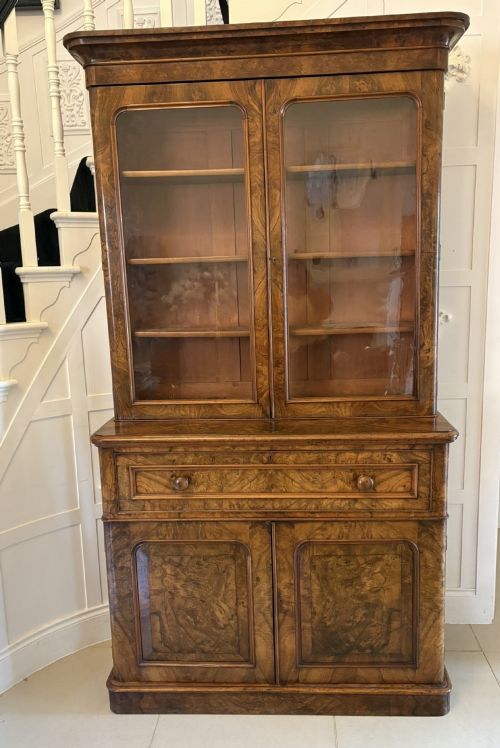
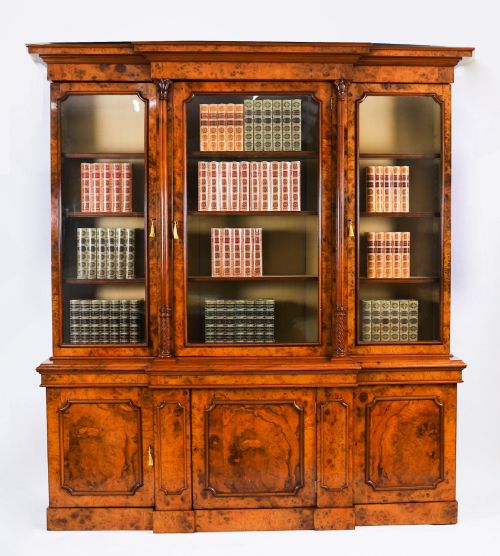
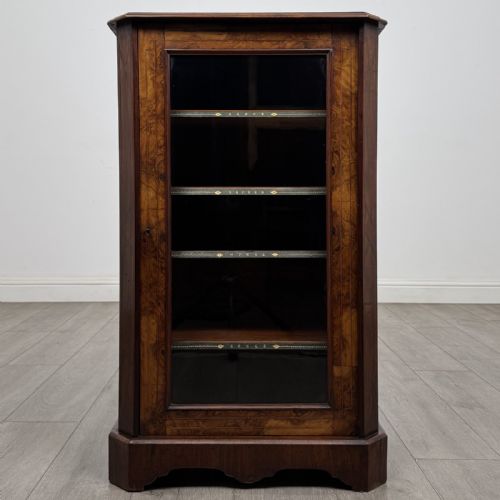
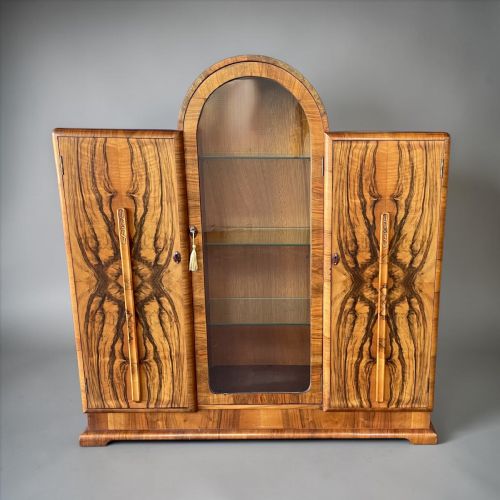
A burr walnut glazed cupboard offers visible storage with the rich, swirling grain of figured timber and clear glass fronts.
Burr Walnut Glazed Cupboard
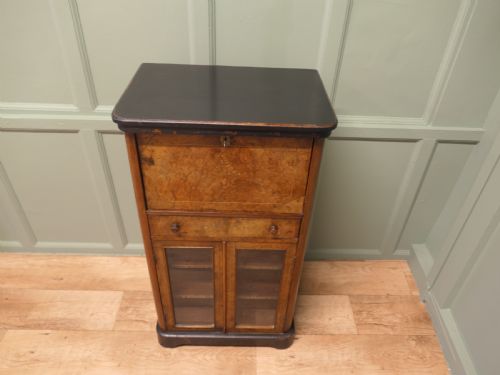
When you search for a burr walnut glazed cupboard, you encounter a range of display furniture designed to hold books, sheet music, or decorative objects behind glass doors. The pieces span several decades, crossing periods from the Regency era through the Victorian years into the twentieth century.
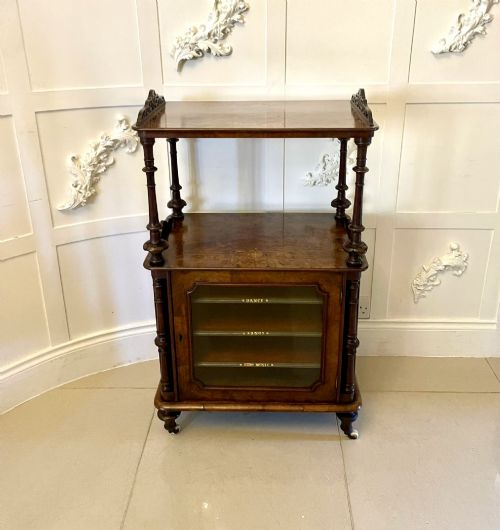
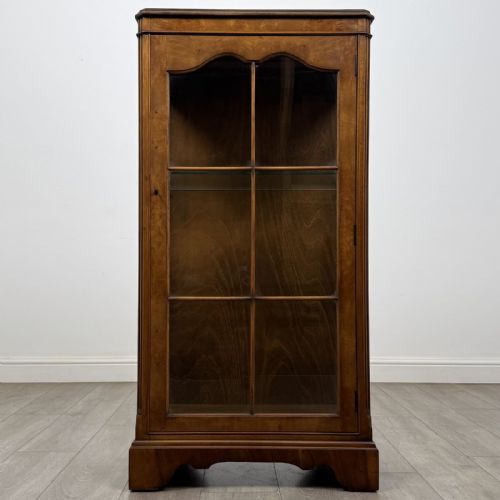
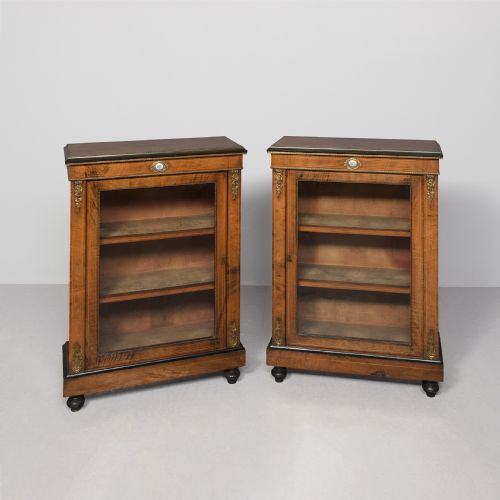
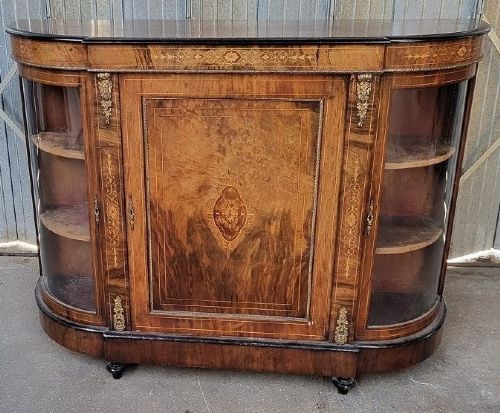
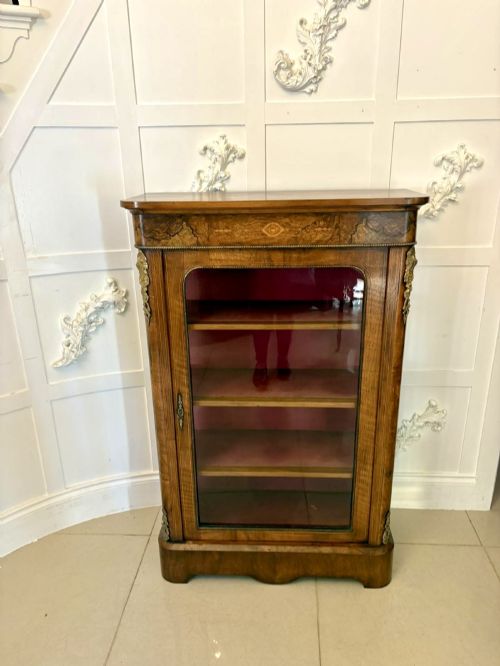
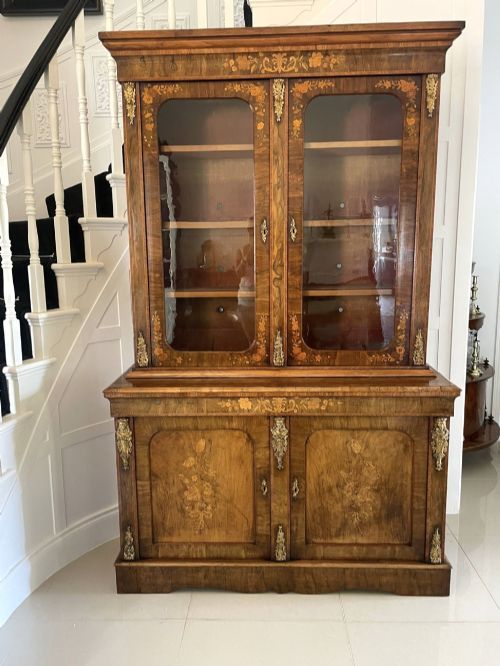
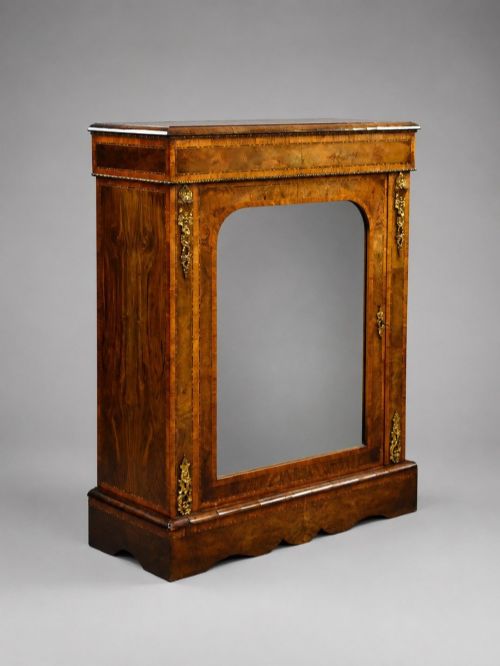
The most common examples on this page are Victorian pier cabinets and upright display bookcases. These pieces rely on upright proportions, often standing on low plinths or bracket feet, with glazed upper sections intended for interior display.
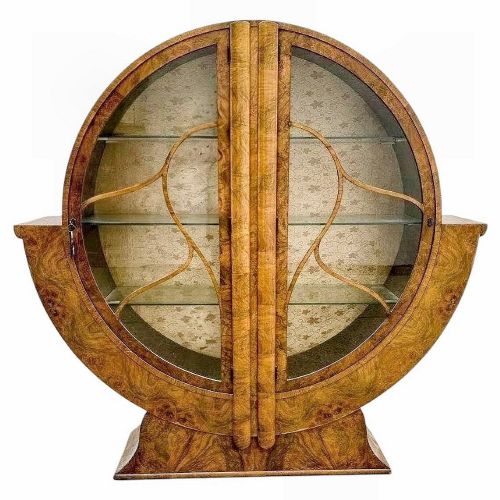
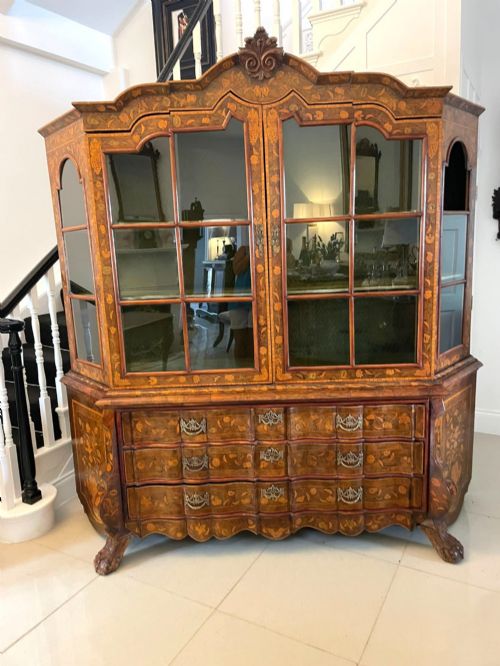
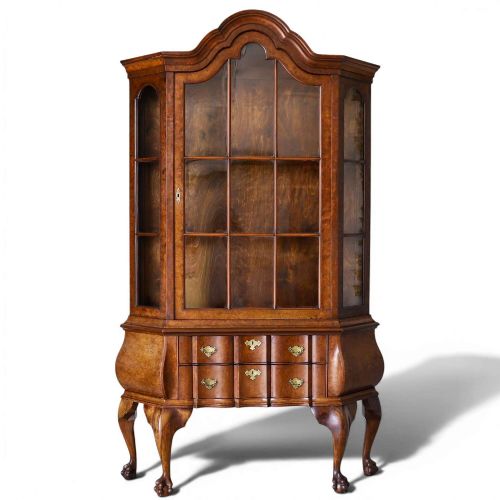
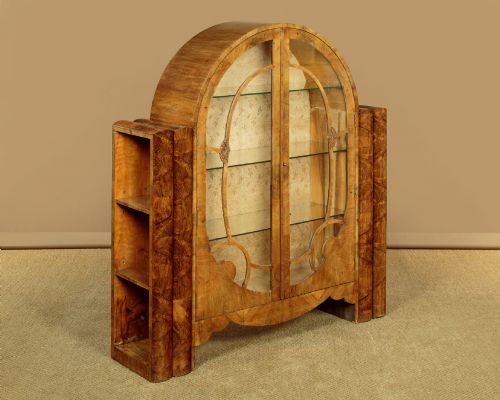
Styles range from straightforward Victorian and Edwardian timber framing to decorative revivals like Queen Anne and Dutch Baroque. Art Deco variations also appear, bringing streamlined shapes and contrasting woods to the traditional glazed form.
Materials and construction
Makers built these cabinets using structural timbers of solid walnut or mahogany, applied with thin slices of burr walnut veneer across the exterior surfaces. This technique exploited the knotty, patterned growth of the timber to create striking visual patterns on doors and panels.
Glazing involved fitting clear glass panes into wooden frames, often supported by brass hinges and locks. Ormolu mounts, marquetry inlay, and velvet or fabric linings supplemented the woodwork on finer examples.
Burr Walnut Glazed Cupboard Retail Price Guide 2026
Typical asking prices for burr walnut glazed cupboard among the pieces listed under this phrase on Sellingantiques today, from the lower quarter to the upper quarter. They describe what is for sale here now, not the wider market.
Listings feature periods spanning from the early nineteenth century through Victorian and Edwardian eras to 1930s Art Deco.
Variations in quality
The quality of a burr walnut glazed cupboard rests on the selection and matching of the veneer. Superior pieces display continuous, symmetrical grain patterns across the front, whereas lesser examples use patchy or mismatched timber slices.
Hand-cut marquetry inlay, cast or gilt ormolu mounts, and refined internal joinery distinguish the finer cabinets from plain production pieces. The depth of the colour and the clarity of the French polish finish also indicate the level of care taken in the workshop.
Epstein
The Burr Walnut Glazed Cupboard Glossary
- Burr walnut
- Timber taken from a growth on the walnut tree, showing twisted, circular grain patterns. Cabinetmakers sliced this wood into veneers for decorative surfaces.
- Pier cabinet
- A low freestanding cabinet designed to fit against the wall space between windows. These pieces often feature a single glazed door.
- Ormolu
- Gilt-bronze mounts applied as decorative ornaments on furniture. Makers used these cast metal details to accent corners and borders.
- Marquetry
- Inlaid patterns of wood veneer or other materials forming pictures or ornamental designs. This technique appeared frequently on Victorian cabinet doors.
- Glazed cupboard
- A storage piece with glass panels fitted into the doors. This allowed contents to remain visible while protected from dust.
Burr Walnut Glazed Cupboard: Frequently Asked Questions
What is a pier cabinet?
A pier cabinet is a narrow, low-standing piece designed for the wall space between two windows. These cabinets typically house a single glass door and interior shelves for display.
They emerged as popular drawing-room furniture during the nineteenth century. Their compact footprint allowed them to fit into tight architectural spaces while providing surface area on top.
Where should I place a display cabinet?
These cabinets suit dining rooms, living spaces, or hallways where books and decorative objects benefit from dust-free enclosure. Keep them away from direct sunlight and heat sources to prevent the walnut veneer from drying or fading.
Placing the cabinet on a level floor ensures that glazed doors hang properly and latch securely. Uneven surfaces can cause the timber frame to twist over time.
What is the difference between Victorian and Art Deco cabinets?
Victorian cabinets feature traditional ornamentation, including carved details, marquetry inlay, and ormolu mounts. Their silhouettes often reference earlier historical styles like Queen Anne or Dutch Baroque.
Art Deco cabinets rely on geometric shapes, clean lines, and contrasting timbers such as sycamore and walnut. They reject historical revivalism in favour of modern, streamlined forms.