


Burr Walnut Base
A burr walnut base brings remarkable timber figure and solid architecture together, offering a striking anchor for tables, desks, and cabinets.
Burr Walnut Base
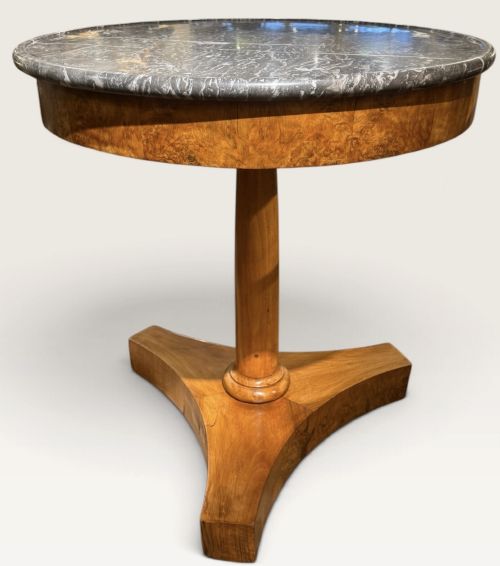
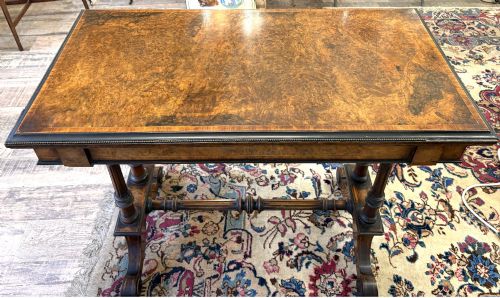
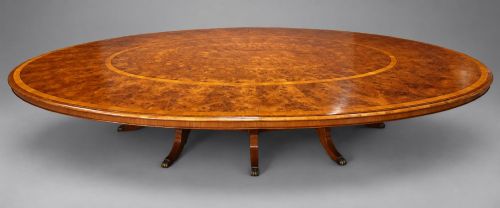
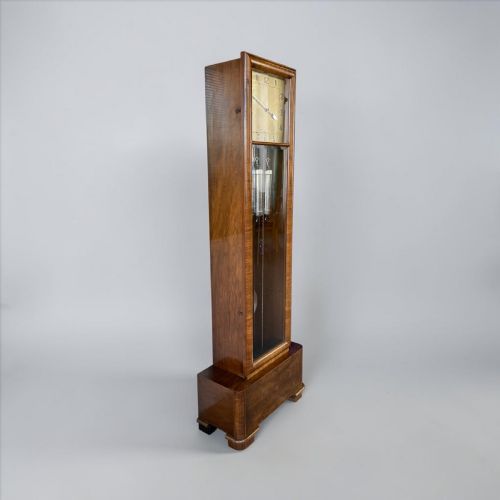
When you search for a burr walnut base, you encounter a variety of substantial furniture foundations supporting tables, card tables, and desks. These pieces showcase the intricate, swirling grain patterns characteristic of burr growth, predominantly originating from Victorian workshops and later twentieth-century periods.
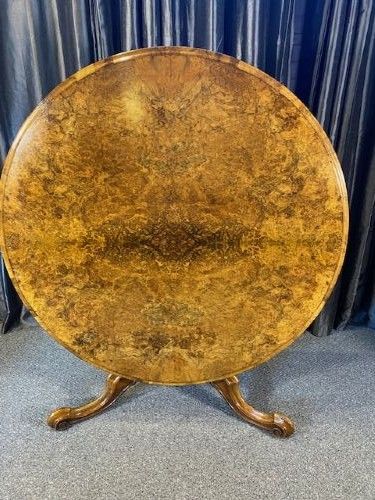
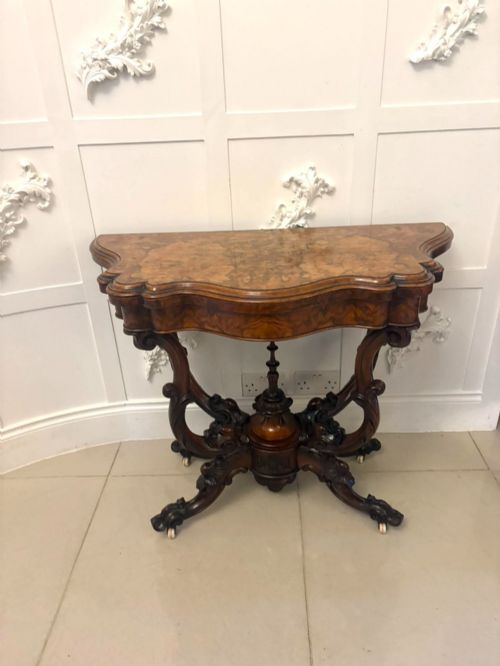
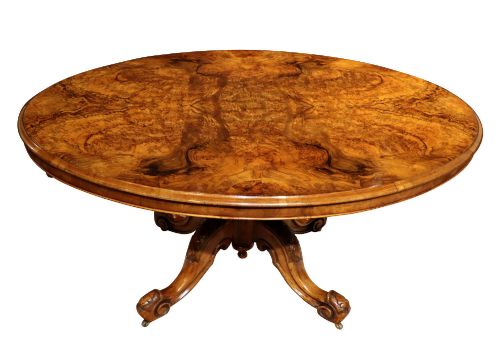
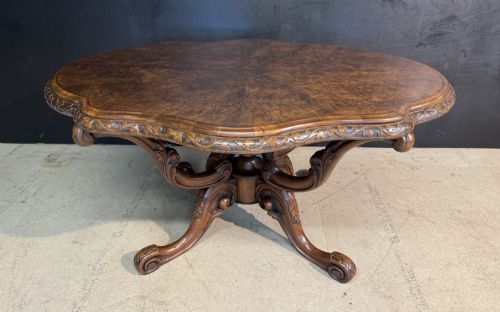
The version you are most likely to meet on this page is the Victorian centre table, breakfast table, or card table featuring a carved pedestal, quadrapod, or basket base. These examples rely on robust timber frames to support heavier walnut tops while displaying rich figurative veneers.
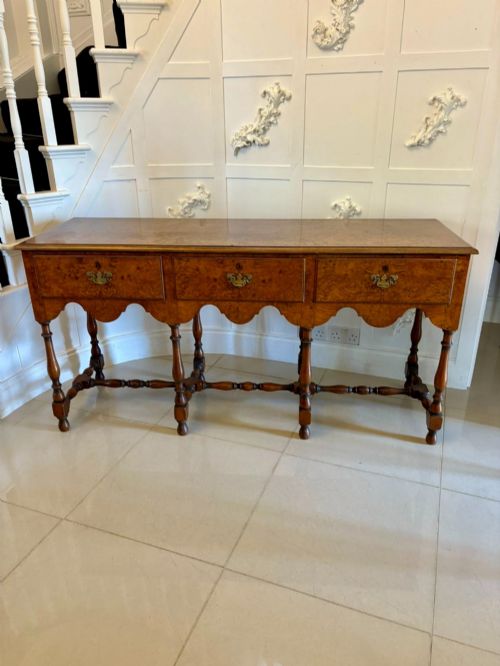
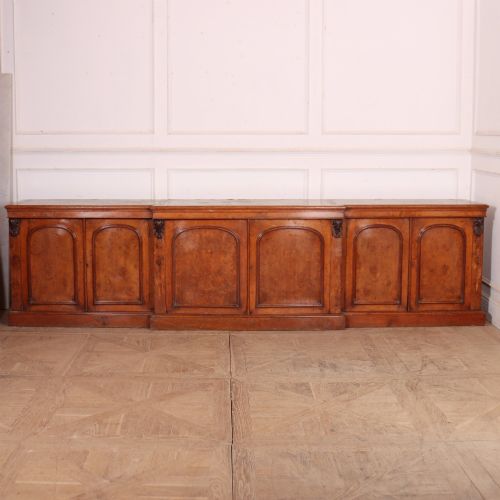
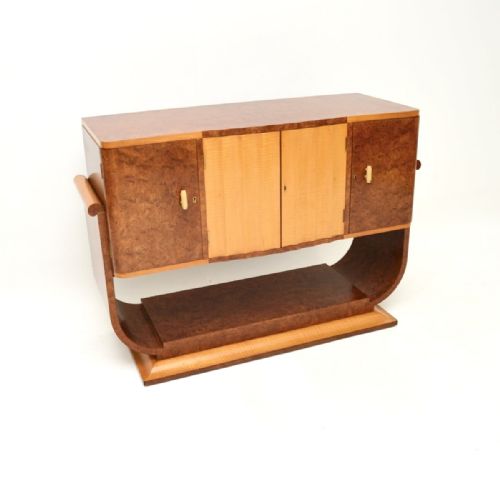
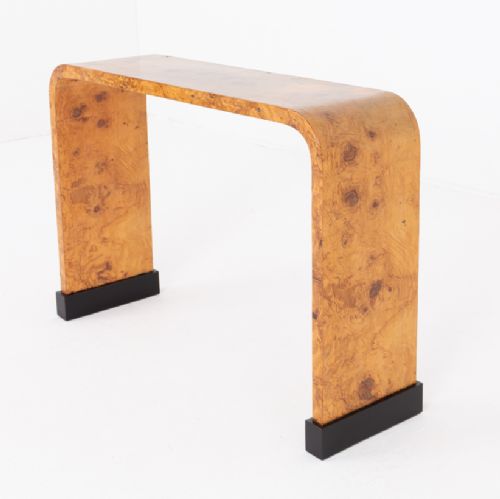
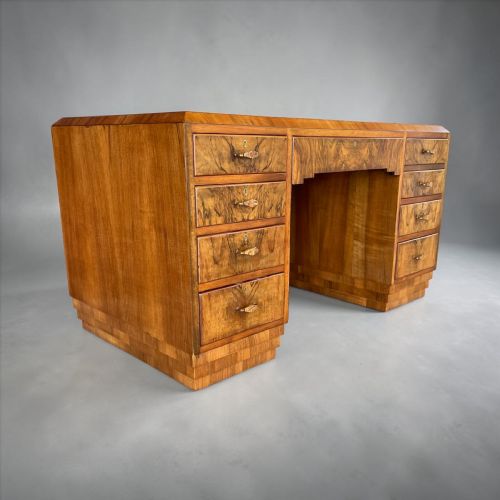
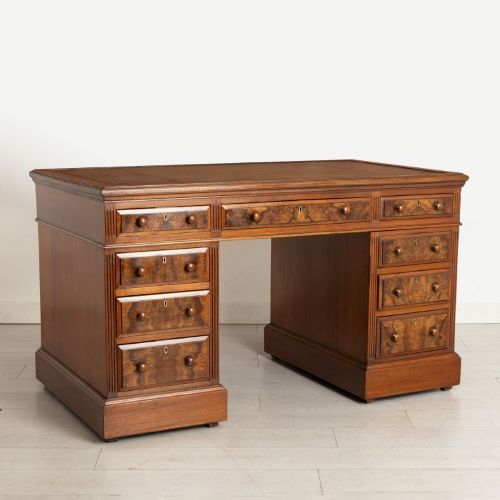
Other recurring forms include dresser bases, sideboards, and occasional tables spanning the eighteenth century to the art deco era. Each iteration utilises the distinct figured wood to create a dramatic visual weight at ground level.
Materials and Construction
Craftsmen built these pieces using solid wood carcasses overlaid with finely sliced burr walnut veneer to highlight the swirling knot formations of the timber. Secondary woods and structural supports were chosen for stability, while details like boxwood inlay, brass fittings, and glass components were incorporated into select tables and cabinets.
Carved wooden pedestals, tripod legs, and cradle bases required precise hand woodworking to balance the heavy timber tops. Joinery techniques varied from traditional cabinet making to later twentieth-century framing methods found in art deco designs.
Burr Walnut Base Retail Price Guide 2026
Typical asking prices for burr walnut base among the pieces listed under this phrase on Sellingantiques today, from the lower quarter to the upper quarter. They describe what is for sale here now, not the wider market.
Listings span multiple eras from the 18th century through the Victorian period to 1930s art deco designs, utilising materials like brass, glass, leather, and boxwood inlay.
Defining Quality
The division between standard and superior pieces rests on the density and symmetry of the burr walnut figuring across the surface. Finer examples display continuous, richly mottled grain patterns without disruption, whereas lesser pieces show sparse or fragmented figuring.
Execution of carved details on the supporting pedestals and bases dictates the standing of the piece. Crisp, deeply hand-carved foliage and robust structural joinery distinguish master workshop output from simpler production.
The Burr Walnut Base Glossary
- Burr walnut
- A specialised timber veneer harvested from the abnormal growth knots of walnut trees. This wood yields intricate, swirling patterns highly prized by cabinet makers.
- Quadrapod base
- A four-legged furniture support column frequently seen beneath Victorian circular and oval tables. It provides stability for heavy timber tops.
- Marquetry
- The art of applying decorative veneer pieces in geometric or pictorial patterns onto a solid wood base. It often appears on Victorian table tops.
- Dresser base
- A low sideboard or cupboard unit providing storage space beneath a flat top surface. These units often feature drawers and panelled doors.
Burr Walnut Base: Frequently Asked Questions
What is a burr walnut base?
A burr walnut base refers to the supporting structure or the primary timber utilised in furniture items like tables, desks, and cabinets. It highlights the decorative, knotty grain of the walnut tree.
These foundations range from carved Victorian pedestals and cradle bases to clean-lined art deco supports. They provide the structural integrity required for heavy wooden table tops.
How do I date a piece?
Dating relies on observing stylistic markers, construction methods, and material combinations recorded across different eras. Victorian pieces often display heavy carved pedestals and marquetry, while art deco items show streamlined geometry.
Examining the underlying secondary woods and veneer thicknesses also assists in distinguishing eighteenth-century craftsmanship from nineteenth and twentieth-century production.
Where were these pieces used?
These items traditionally served functional and decorative roles in principal rooms such as drawing rooms, libraries, and dining spaces. Card tables and centre tables stood in domestic parlours for entertainment and display.
Larger dresser bases and sideboards operated as storage furniture in dining rooms and halls, combining utility with decorative timber surfaces.
How do I care for burr walnut?
Maintaining burr walnut involves keeping timber surfaces away from direct sunlight and extreme humidity fluctuations. Regular dusting with a soft, dry cloth preserves the polished finish of the veneer.
Avoid applying harsh chemical cleaners or excess moisture, which can damage the delicate grain and historical polish of the wood.