



Brown Woven Arm Chair
A brown woven arm chair brings tactile warmth and natural texture to a room, offering enduring comfort across centuries of design.
Brown Woven Arm Chair
When you search for a brown woven arm chair, you encounter seating constructed from organic materials designed for everyday relaxation. These pieces range from upright reading seats to deep lounging chairs intended for restful repose.
The versions most commonly met on this page span the nineteenth and early twentieth centuries, encompassing diverse forms such as country rocking chairs and colonial plantation seats. Makers utilised supportive natural weaves to create seating that remains both resilient and visually inviting.
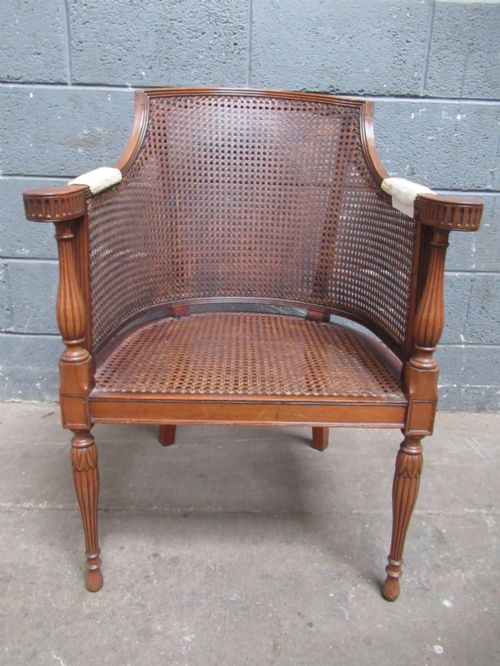
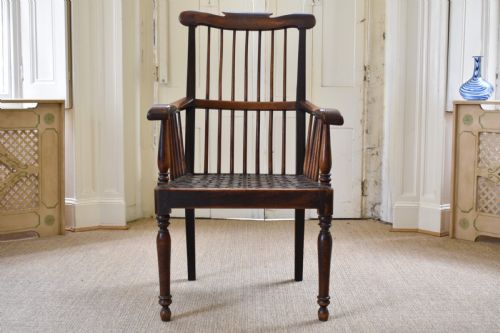
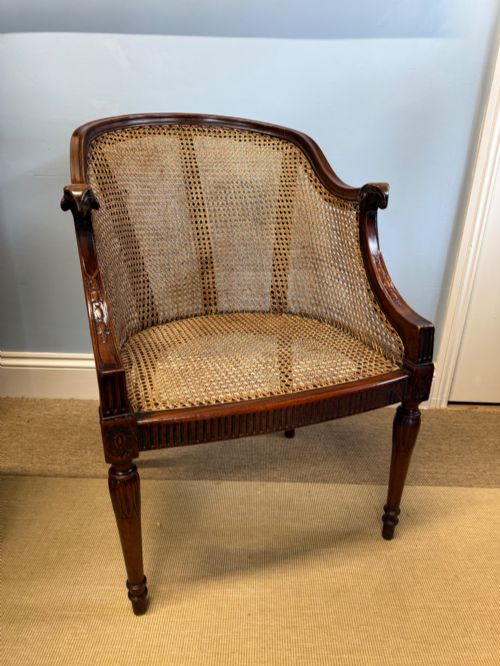
Examples include sturdy oak frames fitted with rush seats, mahogany structures paired with caning, and specialised designs incorporating rattan cane or Lloyd Loom weave. Each variation reflects the prevailing domestic habits and regional craftsmanship of its specific era.
How they were made
Makers constructed the structural frames of these armchairs using traditional hardwoods such as mahogany, oak, laburnum, elm, and teak. Joinery methods relied on sturdy pegged or dowelled joints capable of withstanding the daily stresses placed upon an armchair.
The characteristic woven elements utilise natural plant materials including cane, rush, and rattan, threaded or twisted by hand across seats and backrests. Specialised twentieth-century creations introduced proprietary fibre weaves bonded to wire cores over wooden and metal supports.
Brown Woven Arm Chair Retail Price Guide 2026
Typical asking prices for brown woven arm chair among the pieces listed under this phrase on Sellingantiques today, from the lower quarter to the upper quarter. They describe what is for sale here now, not the wider market.
Listings feature items spanning the nineteenth century through the 1930s, utilising mahogany, oak, teak, cane, and rush.
What varies in quality
The distinction between standard and superior examples lies in the tightness and regularity of the weave. Skilled artisans achieved even tension across every strand, ensuring the seat or backrest provides uniform support without sagging.
Timber selection and frame construction also dictate overall grade. Finer pieces demonstrate careful grain matching, sophisticated turning on structural members, and robust joinery that maintains structural integrity over generations.
The Brown Woven Arm Chair Glossary
- Bergère
- An enclosed upholstered armchair with a wooden frame, often featuring woven cane panels on the back and sides. This French-inspired form became popular in British drawing rooms for its light yet supportive construction.
- Cane
- Strips derived from the outer bark of rattan palms, woven into intricate patterns for chair seats and backs. It offers both flexibility and robust durability.
- Lloyd Loom
- A patented material made from twisted cellulose fibre pressed over a wire core, invented in the early twentieth century. This technique produced a smooth, snag-free weave ideal for garden rooms and lounges.
- Plantation Chair
- A deep-seated armchair often featuring extended or adjustable armrests designed for reclining in warm climates. These chairs typically incorporate woven seating surfaces to promote air circulation.
Brown Woven Arm Chair: Frequently Asked Questions
How do I care for a woven seat?
Natural plant weaves require occasional light dusting and subtle humidification to prevent the fibres from becoming brittle. Keeping these chairs away from direct heat sources preserves the natural oils within the cane or rush.
Applying a minimal amount of moisture with a damp cloth helps maintain elasticity in older woven panels. Gentle handling ensures the delicate strands remain securely anchored to the wooden frame.
What is a Lloyd Loom chair?
A Lloyd Loom chair utilises a durable composite material formed by twisting paper over metal wire before weaving it into furniture. Developed in the United States, this innovation gained widespread popularity across British homes and garden rooms during the 1930s.
The resulting weave provides a smooth, uniform surface that avoids the rough edges associated with traditional natural grasses. These chairs combine lightweight metal or wooden frames with a sturdy, painted finish.
Where were plantation chairs used?
Plantation chairs originated to provide comfortable, well-ventilated seating in tropical and colonial residences. Their generous proportions and extended armrests allowed occupants to rest comfortably during the heat of the day.
Over time, these versatile armchairs found their way into domestic British interiors seeking a relaxed aesthetic. They remain favoured for conservatories and spacious reading corners.
How do I identify a Victorian rocking chair?
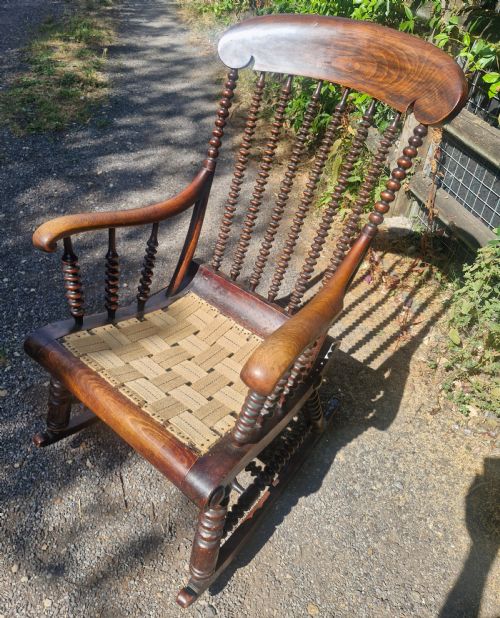
Nineteenth-century rocking chairs often display turned wooden framing, such as bobbin-moulded spindles, combined with flexible rush or upholstered seats. Makers prioritized tactile comfort and sturdy joinery to support the continuous motion of the rocker base.
Examining the turning techniques and timber patination helps distinguish these nineteenth-century pieces from later reproductions. The wear patterns on the wooden rockers themselves often indicate decades of domestic use.