



Brown Wooden Rail
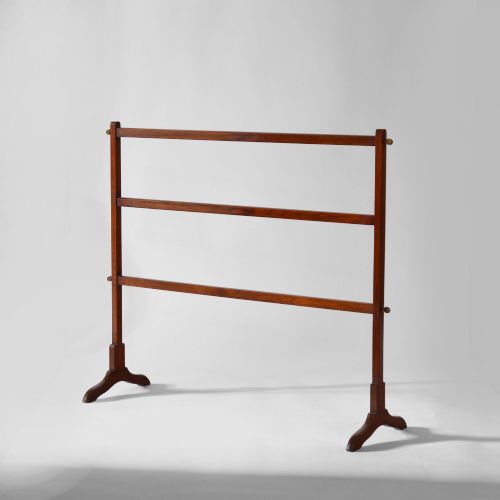
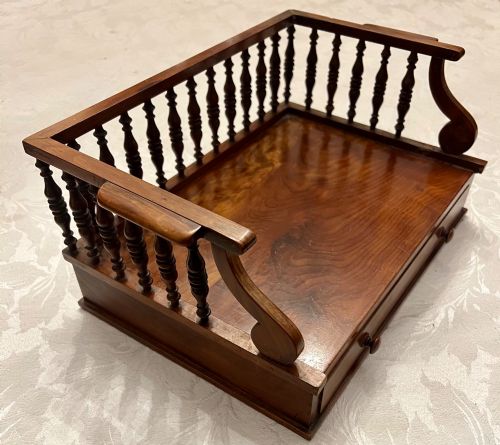
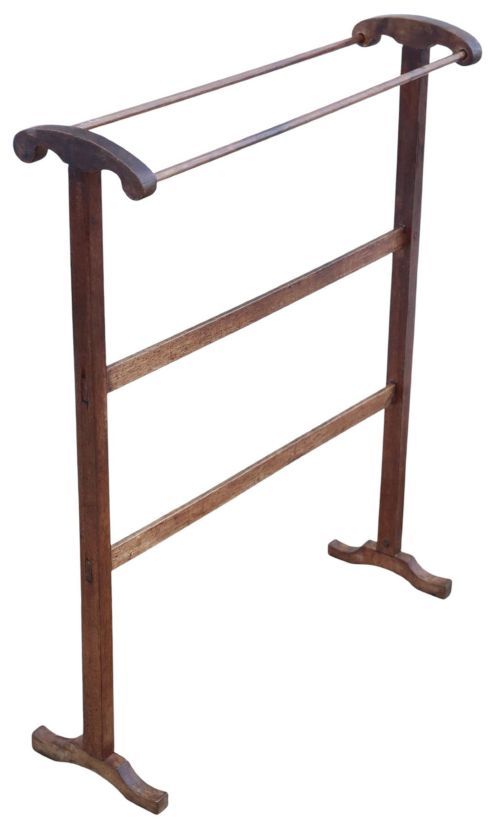
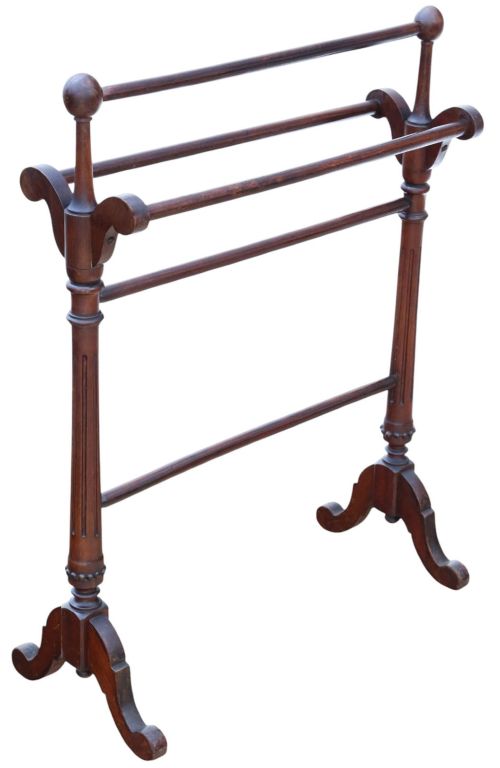
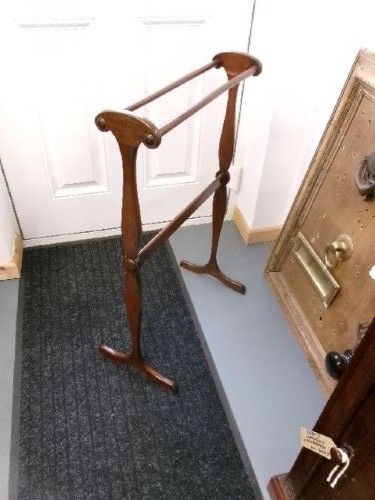
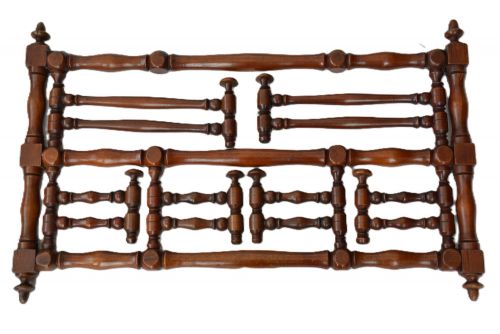
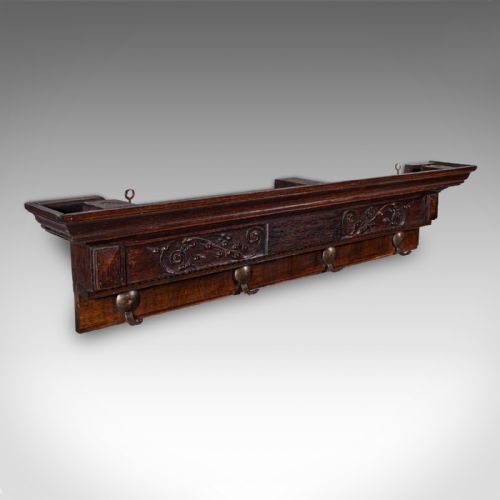
A brown wooden rail is a practical utility piece, most commonly found here as a mahogany towel rail from the Victorian period.
Brown Wooden Rail
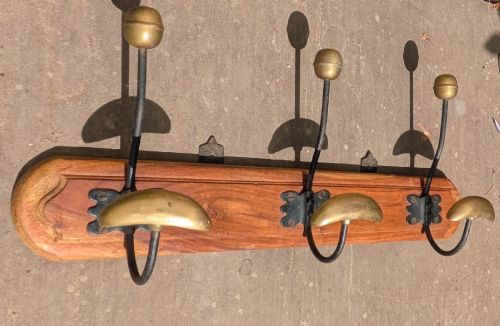
Beyond standard towel rails, items matching this description span functional household furniture like oak and mahogany stands or related hanging rails. The selection draws on materials and periods ranging from the Victorian era down to nineteen-hundred.
Materials and construction
Construction relies heavily on solid timber, with mahogany and oak dominating the structural framework of these rails. Brass fittings often appear as hinges, pivots, or decorative mounts to facilitate folding actions and joint security.
Woodworking techniques visible across the pieces include traditional joinery suitable for domestic furniture subjected to regular handling. Surfaces exhibit polished timber grains, sometimes combined with secondary woods like satinwood or cane details.
Brown Wooden Rail Retail Price Guide 2026
Typical asking prices for brown wooden rail among the pieces listed under this phrase on Sellingantiques today, from the lower quarter to the upper quarter. They describe what is for sale here now, not the wider market.
Some folding rails possess brass buttons that gleam quietly when the stand is unfolded.
Assessing quality and finish
Quality in a brown wooden rail rests on the selection of timber and the crispness of the turning on its uprights and crossbars. Superior examples demonstrate thoughtful proportions and robust joints that withstand daily use without developing looseness.
Finer pieces incorporate folding mechanisms that operate smoothly and retain their original brass hardware. The integrity of the wood finish and the retention of a rich natural grain further separate standard utility items from better workshop productions.
The Brown Wooden Rail Glossary
- Cheval rail
- A standing mirror or rail mounted on a swivel or folding frame that permits angular adjustment. This form allows the wooden frame to fold flat when not in use.
- Mahogany
- A durable tropical hardwood prized for its reddish-brown colour and stable grain. It serves as the primary material for many nineteenth-century domestic rails.
- Oak
- A hard, heavy timber with distinct growth rings used extensively in earlier country house furniture. It provides substantial weight and rigidity to larger stands.
- Brass
- A copper and zinc alloy utilised for functional hardware such as hooks, pivots, and hinges. Its warm metallic tone complements dark wooden frames.
Brown Wooden Rail: Frequently Asked Questions
What is a brown wooden rail used for?
These pieces function primarily as towel rail stands designed for bedrooms, bathrooms, or dressing rooms. They provide accessible hanging space for textiles and garments.
Historically, they served a routine domestic role in holding linens and towels near washing facilities. Today, they continue to offer practical hanging storage in period or contemporary interiors.
How do I date a wooden rail?
Dating relies on observing timber choices, construction methods, and hardware styles associated with specific eras like the Victorian period or nineteen-hundred. Mahogany and turned elements often point to nineteenth-century production.
Examining the joints and any brass fittings gives further clues to the manufacturing decade. Makers tended to follow prevailing furniture fashions of their specific century.
Are these rails stable enough for daily use?
Most standing rails are constructed from dense hardwoods like oak or mahogany, offering solid structural integrity for everyday textile hanging. Proper joinery ensures they remain upright under normal loads.
Care should be taken not to overload folding variants or strain their hinges. Regular placement on level flooring prevents undue stress on the frame.
Can I fold these rails away?
Certain models feature folding mechanisms, such as cheval designs, allowing the frame to collapse for compact storage or relocation. Hinges and pivots facilitate this movement.
Fixed stands remain rigid and stationary, lacking mechanical joints. Buyers should check the specific configuration of each rail to determine its mobility.