





Brown Wooden Model
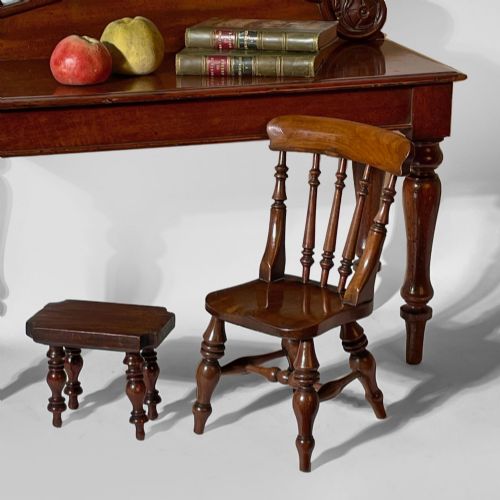
These brown wooden model pieces range from folk art ships to articulated artist figures, offering tangible pieces of historical craft and display.
Brown Wooden Model
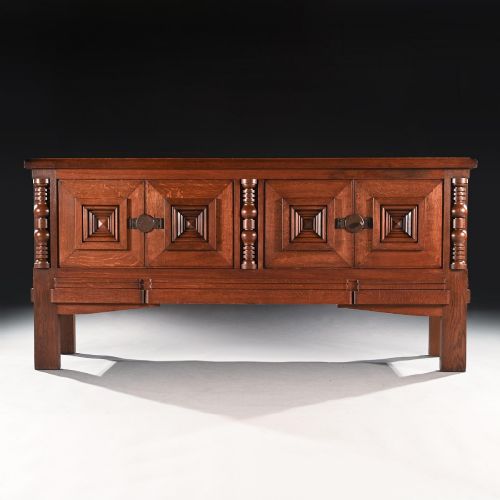
When searching for a brown wooden model, buyers encounter a diverse selection of maritime items, animal sculptures, and articulated figures. These objects span periods from the nineteenth century into the mid-twentieth century, reflecting utilitarian craft and decorative ambition alike.
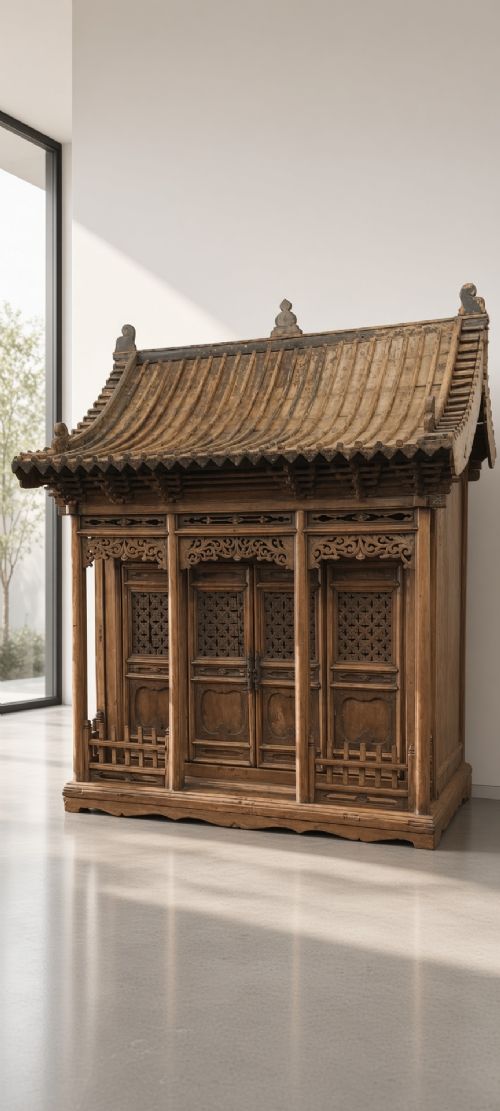
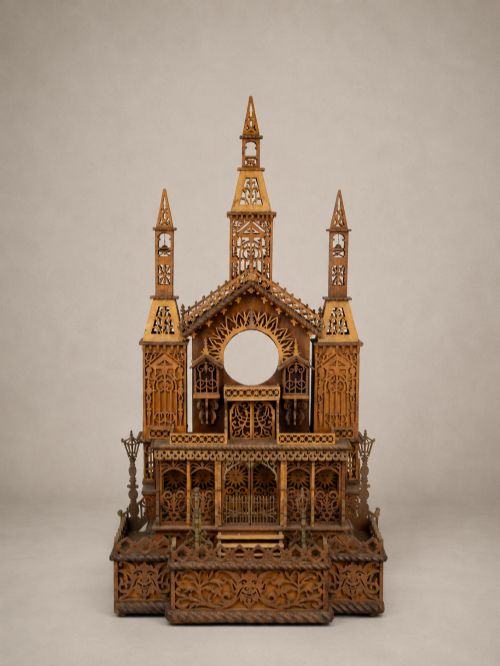
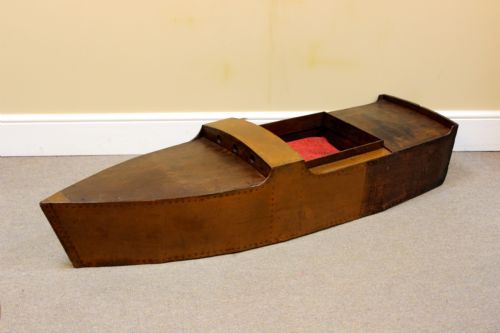
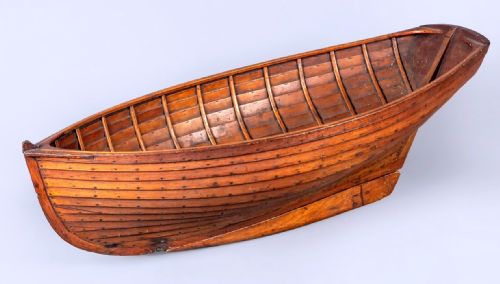
Model boats and ships dominate the maritime offerings, appearing as pond yachts, half hulls, and intricate dioramas enclosed in glass or bottles. Alongside these nautical pieces, the selection includes architectural displays, animal figures, and artists' lay figures fashioned in wood.
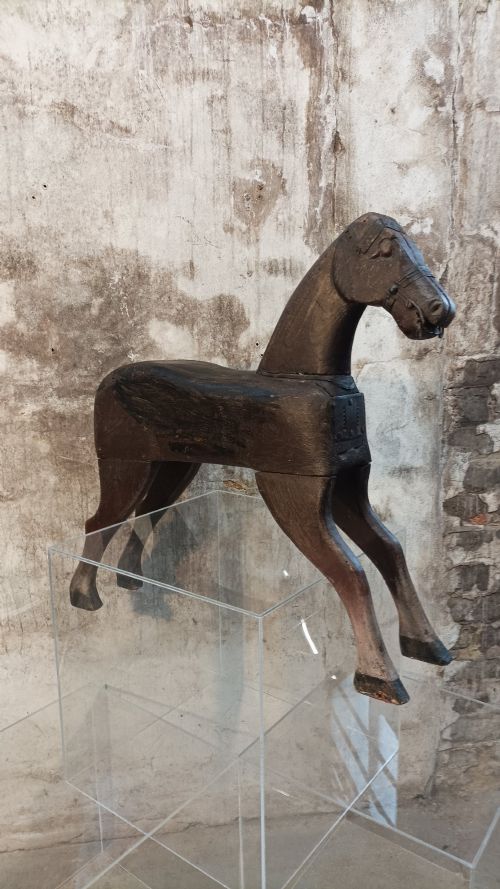
Origins stretch across British, French, German, Russian, and Asian workshops, encompassing folk art traditions and commercial production. The forms vary from naive primitive sculptures to detailed scale models built with thread, metal, and glass elements.
How they were made
Makers shaped these items primarily from wood and pine, often applying paint, carved detailing, or brass fittings to finish the surfaces. Many pieces rely on hand-carving techniques, visible in the articulation of wooden manikins and the textures of animal sculptures.
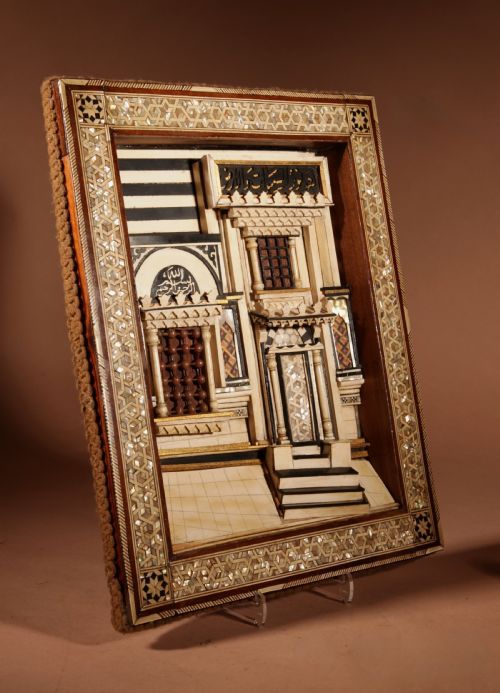
Maritime models incorporate specialised rigging using thread and metal components alongside wooden hulls. Architectural dioramas and display models utilise fretwork, cork work, and scratch-built construction to achieve their layered depth.
Brown Wooden Model Retail Price Guide 2026
Typical asking prices for brown wooden model among the pieces listed under this phrase on Sellingantiques today, from the lower quarter to the upper quarter. They describe what is for sale here now, not the wider market.
The selection includes architectural dioramas, artists' lay figures, scratch-built ships, and carved animal sculptures from various European regions.
What varies in quality
The sophistication of the carving and the precision of the construction distinguish finer examples from simpler workshop output. Fully articulated joints in figures and intricate rigging on model ships demonstrate higher levels of maker skill.
The preservation of original painted surfaces and contextual elements, such as cased display settings or detailed background scenery, elevates the visual impact. Simpler folk art pieces derive their character from naive charm rather than exact scale proportions.
The Brown Wooden Model Glossary
- Artist lay figure
- An articulated wooden mannequin used by painters and sculptors to study human anatomy and drapery. These figures feature jointed limbs held together by pegs or internal wire.
- Half model
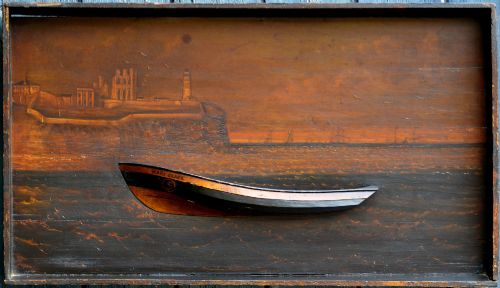
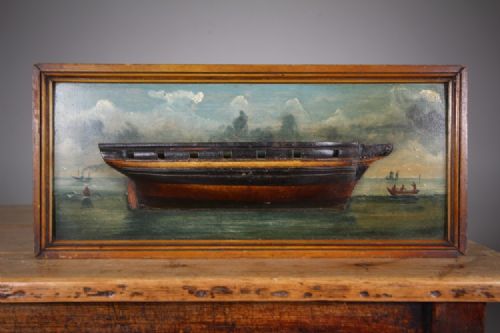
- A three-dimensional representation of one side of a ship's hull, mounted on a backboard for display or design reference. They often include painted backgrounds showing coastal landmarks.
- Diorama
- A three-dimensional scene enclosed within a case, box, or bottle, depicting maritime engagements or architectural settings. They frequently combine carved wood with painted backdrops and mixed media elements.
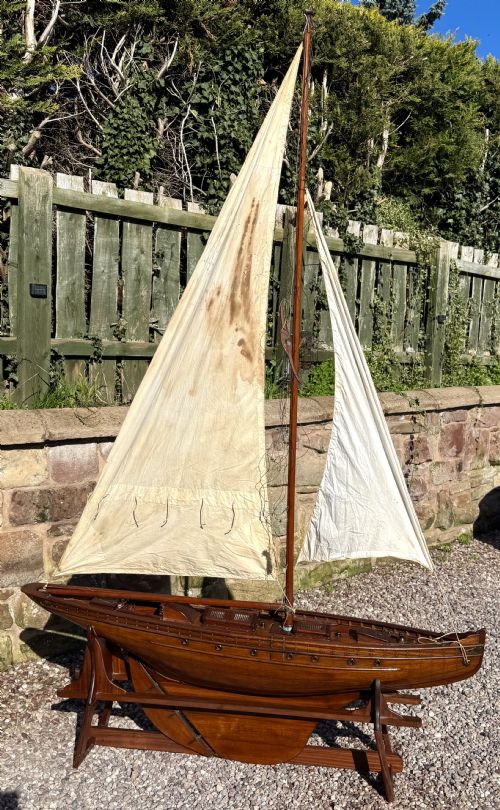
- Pond yacht
- A large-scale sailing model designed for outdoor navigation on water. These vessels often retain their original wooden stands and deck fittings.
- Folk art
- Objects created within a traditional community craft framework by self-taught or untrained makers. These works emphasise utilitarian or decorative expression over formal academic training.
Brown Wooden Model: Frequently Asked Questions
What is an artist lay figure?
An artist lay figure is a carved wooden mannequin with movable joints designed to assist painters and sculptors with posture and drapery studies. These objects were produced in various sizes and articulation levels during the nineteenth and early twentieth centuries.
Collectors value them for their sculptural presence and mechanical complexity. They sit well on desks, shelves, or studio tables as decorative display objects.
How do you display a pond yacht?
Pond yachts typically require sturdy floor stands or large tabletops due to their substantial dimensions. Many owners place them in well-lit rooms where their wooden hulls and canvas or threaded rigging remain clearly visible.
Keeping them away from direct heat sources helps preserve the dried wood and original painted surfaces. Regular dusting maintains the condition of the rigging and deck fittings.
What are maritime dioramas?
Maritime dioramas are enclosed scenes depicting ships at sea or harbour views, often housed within glass cases, wooden boxes, or bottles. They combine carved wooden vessel models with painted backgrounds, cork work, and thread to create depth.
These pieces capture historical naval scenes and shipping types from the Victorian era onward. They function well on mantelpieces or within cabinet displays.