




Brown Wooden Horse
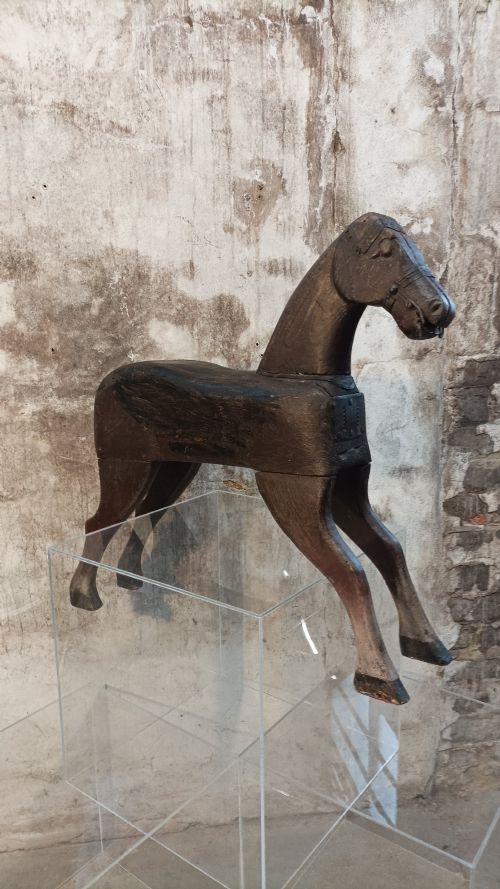
When you search for a brown wooden horse, you find carved sculptures, folk art figures, and painted studies that capture the form of the animal through generations of craftsmanship.
Brown Wooden Horse
A brown wooden horse encompasses carved animal sculptures, folk art figures, and painted studies originating from periods such as the nineteenth century, the Edwardian era, and the nineteen-thirties.
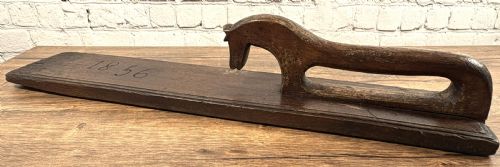
The selections span diverse forms including carved mangle boards with horse head handles, naive painted wooden sculptures, and detailed models of draught or pack horses.
Buyers encounter regional items ranging from Scandinavian country pieces to traditional Chinese and Indian works alongside British folk art.
How they were made
Materials comprise various woods such as mahogany, oak, boxwood, teak, and pine, frequently paired with surface pigments, leather, brass, and iron details.
Makers shaped these pieces through hand carving, carpentry joinery, and oil or watercolour painting on panels, canvas, and paper.
Brown Wooden Horse Retail Price Guide 2026
Typical asking prices for brown wooden horse among the pieces listed under this phrase on Sellingantiques today, from the lower quarter to the upper quarter. They describe what is for sale here now, not the wider market.
A nineteenth-century veterinary fleam mallet stands ready to cure a horse of almost anything except a stubborn refusal to pose.
What varies in quality
Distinctions in quality rest upon the fluidity of the carving, the anatomical accuracy of the animal, and the preservation of original painted or polished surfaces.
Finer examples display careful attention to detail in the facial expression and muscle structure of the horse, while simpler folk pieces rely on charm and naive proportion.
John Rattenbury Skeaping·W Williams·George E Sharpe·Masayuki
The Brown Wooden Horse Glossary
- Mangle board
- A carved wooden board used with a roller for smoothing linen, traditionally featuring a handle shaped like a horse head.
- Folk art
- Utilitarian or decorative objects created by self-taught or traditional artisans, often displaying a naive or regional aesthetic.
- Boxwood
- A dense, pale wood prized by carvers for executing intricate details on small-scale sculptures and netsuke.
- Pine panel
- A flat wooden board used as a stable support for early oil paintings before the widespread adoption of stretched canvas.
Brown Wooden Horse: Frequently Asked Questions
What periods do these wooden horses come from?
The pieces span multiple centuries, with numerous examples dating from the nineteenth century, the Edwardian period, and the early decades of the twentieth century. Makers worked across various regions, producing items influenced by local traditions and domestic utility.
Craftsmen utilised available regional timbers and traditional hand tools to fashion these objects. Each era brought distinct stylistic touches to the carving and painted finishes.
How were carved wooden horses displayed?
Many figures functioned as decorative sculptures placed on mantelpieces, desks, or shelves within domestic interiors. Some pieces, such as mangle boards, served practical household tasks while incorporating carved animal handles for daily use.
Owners integrated these items into various room settings as both functional tools and ornamental focal points. Their placement reflected personal tastes and regional decorative customs.
What materials are typical for these sculptures?
Carvings utilise solid woods including mahogany, oak, teak, and boxwood, sometimes combined with leather, brass, or iron fittings. Painted surfaces often feature oil or watercolour mediums applied directly to wooden panels or paper.
Makers selected specific timbers for their grain patterns and durability. The combination of materials contributes to the tactile character of each individual piece.
How can I distinguish folk art from formal carvings?
Folk art pieces generally exhibit a naive, unpretentious charm with simplified proportions and direct carving techniques executed by regional artisans. Formal sculptures display greater anatomical precision, refined finishing, and adherence to academic artistic standards.
Observing the tool marks and surface wear helps reveal the working method of the maker. Both traditions offer distinct insights into historical woodworking practices.