





Brown Wooden Corner Unit
A brown wooden corner unit turns unused wall space into a handsome display for ceramics and glass.
Brown Wooden Corner Unit
When you search for a brown wooden corner unit, you are looking at fitted and freestanding furniture designed to slot into the junction of two walls. The options here range from Georgian oak and mahogany hanging cupboards to Victorian burr walnut whatnots and Edwardian standing cabinets.
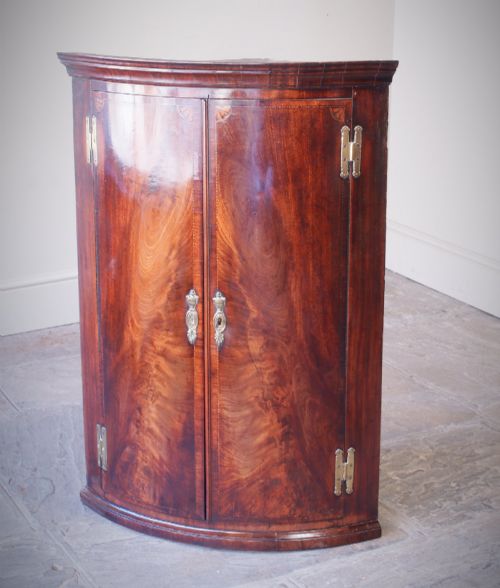
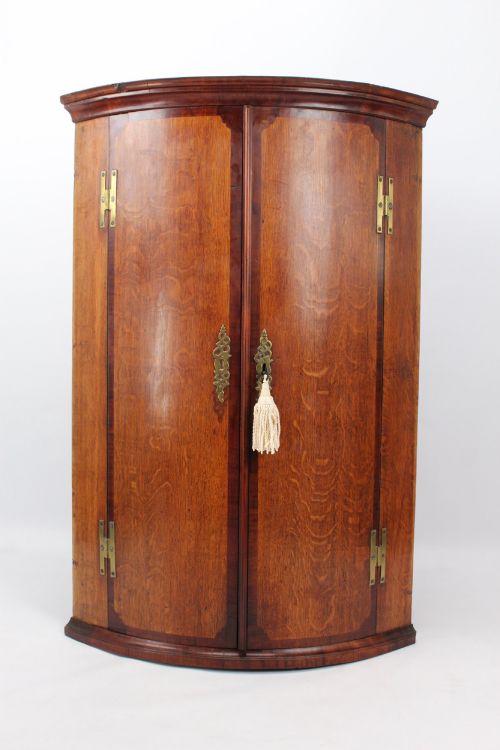
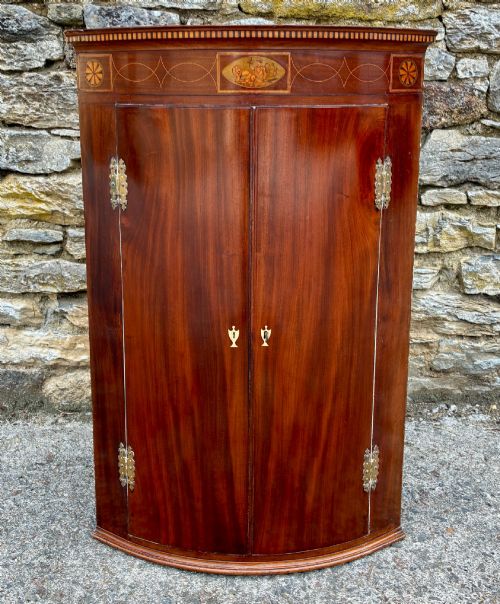
The version you are most likely to meet on this page is a Georgian or 19th-century mahogany or oak bow front corner cupboard. These pieces use the difficult geometry of a room angle to provide deep interior shelving while keeping floor footprints modest.
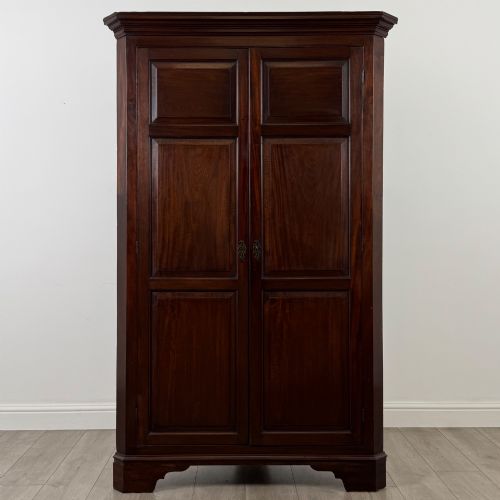
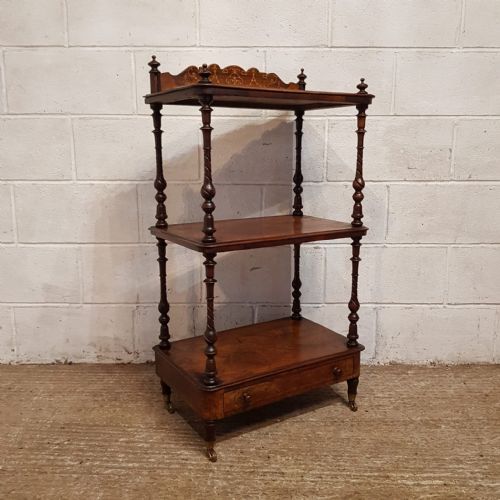
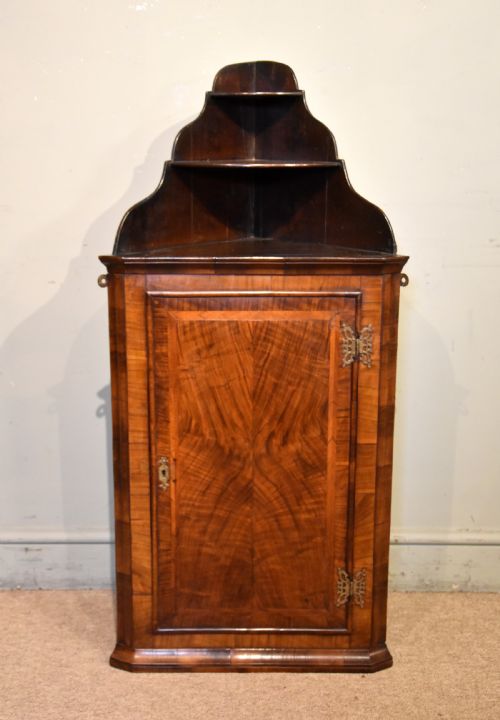
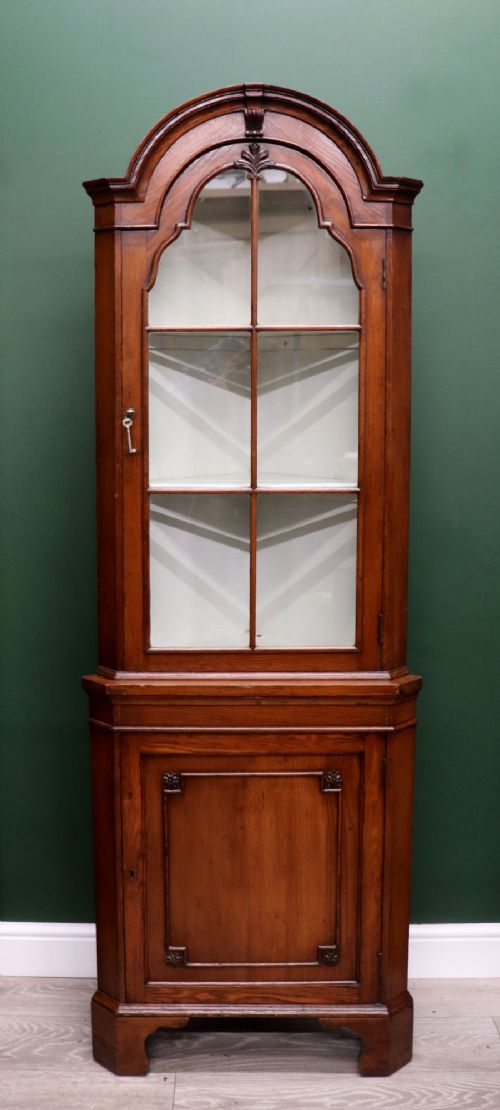
The selection encompasses wall-hanging iterations, floor-standing models, and tiered etageres or corner shelves. Timbers vary from regional country oak and red walnut to imported mahogany and marquetry-adorned olive wood.
How they were made
Cabinetmakers constructed these units primarily from solid oak, mahogany, and walnut, frequently applying veneers of burr walnut or satinwood over secondary woods. Boxwood and decorative inlay work appears on select pieces to frame panels and doors.
Construction relies on traditional joinery to build rigid right-angled carcases capable of supporting heavy interior timber shelves. Hanging versions incorporate sturdy brass strap hinges and secure brackets to bear the weight of stored items safely against plaster walls.
Glass panels feature in upper doors for display purposes, while lower sections utilise solid timber panels. Surface finishes include polished wax and traditional polish to protect the grain.
Brown Wooden Corner Unit Retail Price Guide 2026
Typical asking prices for brown wooden corner unit among the pieces listed under this phrase on Sellingantiques today, from the lower quarter to the upper quarter. They describe what is for sale here now, not the wider market.
Listings feature woods including mahogany, oak, walnut, pine, and olive wood, alongside brass hardware and boxwood inlay.
What varies in quality
The grade of timber selection separates standard utilitarian storage from high-style furniture. Pieces utilising figured mahogany, rich burr walnut, or detailed marquetry demonstrate superior workshop investment compared to plain pine or simple oak versions.
Fine craftsmanship is evident in the crisp execution of boxwood inlay, well-fitted brass hardware, and the proportion of the cornice and mouldings. Structural integrity in the door frames and the precise alignment of bow front doors also mark out better examples.
Liberty & Co.
The Brown Wooden Corner Unit Glossary
- Bow front
- A convex curved cabinet front that projects outward from the corner. This design softens the harsh angles of a room.
- Etagere
- A set of open shelves for displaying small objects and ornaments. These units often feature tiered platforms supported by slender columns.
- Marquetry
- Decorative patterns formed by the insertion of different coloured woods and veneers into a solid wood ground. It appears on finer cabinet doors and tabletops.
- Whatnot
- A freestanding set of open shelves used for books or ornaments. They gained popularity during the 19th century.
- Cornice
- The decorative moulding that crowns the top of a standing or hanging cabinet. It provides a finished architectural transition to the ceiling.
Brown Wooden Corner Unit: Frequently Asked Questions
How do I hang a wall corner cupboard?
Hanging cupboards require secure fixing to solid wall studs or masonry using appropriate heavy-duty screws through the internal backboards. Professional installation is recommended given the combined weight of the solid timber carcase and its contents.
Ensure the wall angles match the ninety-degree or specific splay of the cabinet before attempting attachment. Check the alignment of the door before final tightening so the latch engages cleanly.
What is the difference between a hanging and standing unit?
Hanging units mount directly to the wall at eye level or above, freeing up the floor space beneath them. Standing units rest on the floor as a single piece or sit upon a dedicated stand.
Standing versions often provide greater storage capacity, sometimes combining lower cupboards with upper open shelves or bookcases. Hanging models work well in smaller rooms where floor area is restricted.
How do I care for antique mahogany and oak?
Maintain the wood surfaces by applying a natural beeswax polish occasionally and buffing with a soft cloth. Keep timber furniture away from direct heat sources and strong sunlight to prevent splitting and fading.
Avoid using silicone-based sprays or harsh chemical cleaners that can degrade the historic polish. Dust regularly with a dry microfibre cloth.