



Brown Wooden Coat Hooks
Brown wooden coat hooks are functional hallway fixtures crafted in oak, walnut, and beech, offering practical hanging space with period character.
Brown Wooden Coat Hooks
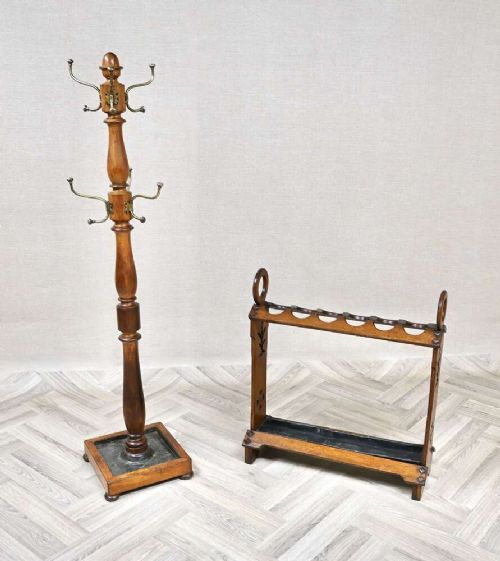
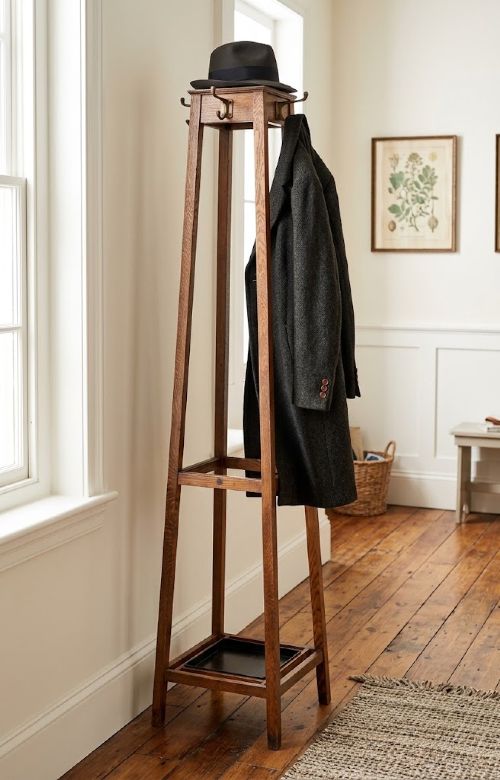
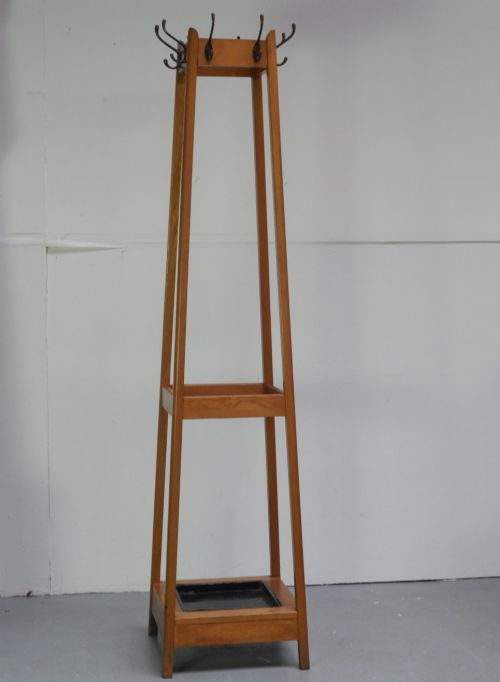
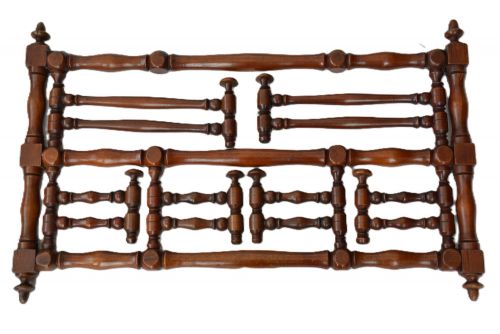
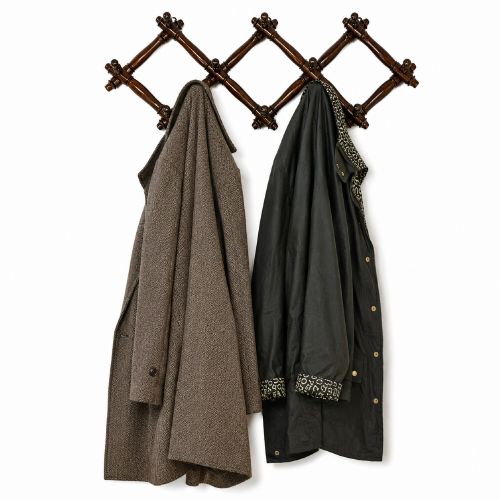
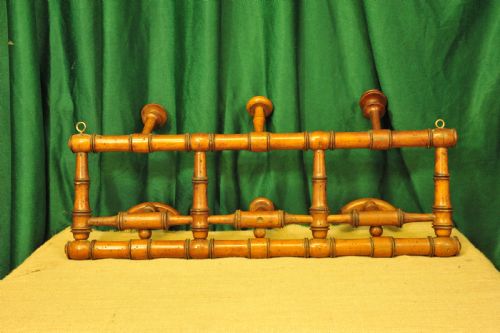
Brown wooden coat hooks encompass wall-mounted racks, hat trees, and hallway stands designed to organise outerwear in domestic spaces. These pieces emerge from the Victorian, Edwardian, and Arts and Crafts periods, alongside turn of the century and French country workshops.
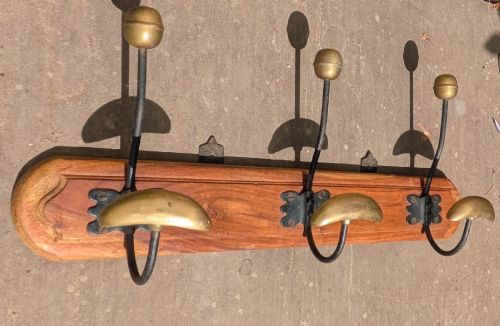
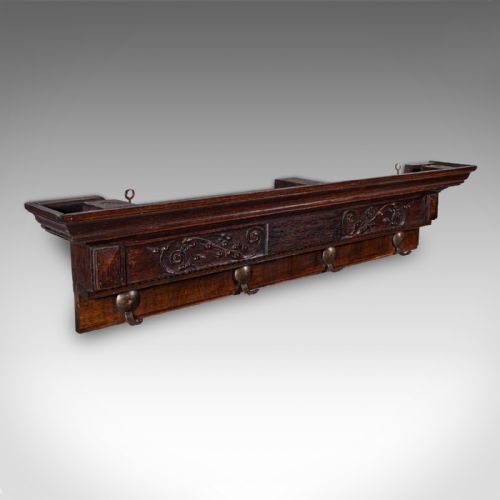
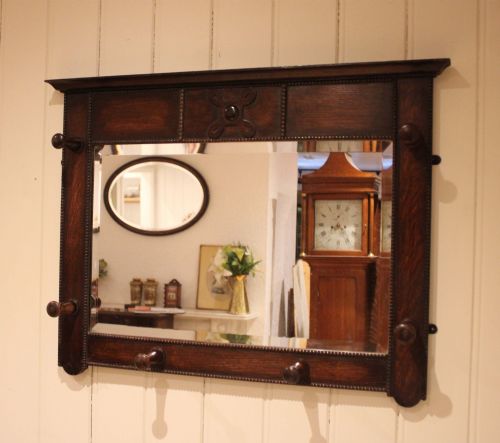
The most common formats on this page are wall-mounted wooden racks fitted with metal or brass hooks, often combined with mirrors or umbrella stands. Oak and walnut serve as the predominant timbers, reflecting the utility and aesthetic preferences of nineteenth and early twentieth century hallways.
How they were made
Makers utilised solid timbers such as oak, beech, and walnut, shaping them through standard carpentry techniques including turning, carving, and jointing. Black Forest examples exhibit detailed hand carving depicting animals and foliage, whilst bent wood pieces employ steam bending methods.
Hardware additions incorporate brass, iron, and glass fixtures screwed or mounted directly to the wooden backs or frames. Carved details and applied mouldings define the decorative surfaces of Victorian and Edwardian hallway furniture.
Brown Wooden Coat Hooks Retail Price Guide 2026
Typical asking prices for brown wooden coat hooks among the pieces listed under this phrase on Sellingantiques today, from the lower quarter to the upper quarter. They describe what is for sale here now, not the wider market.
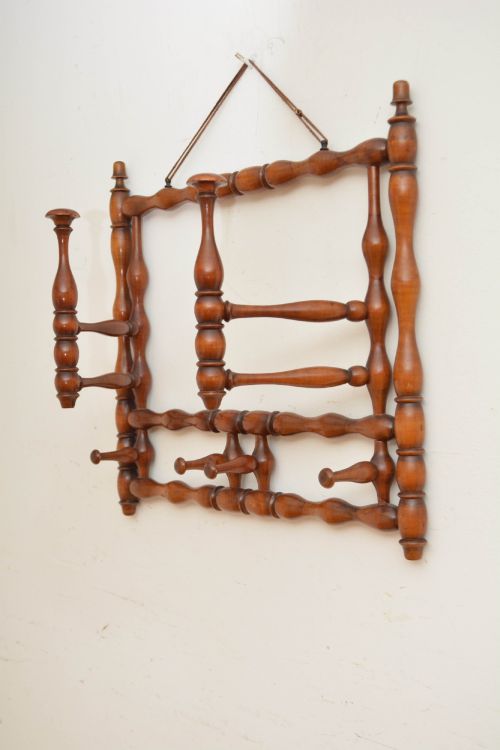
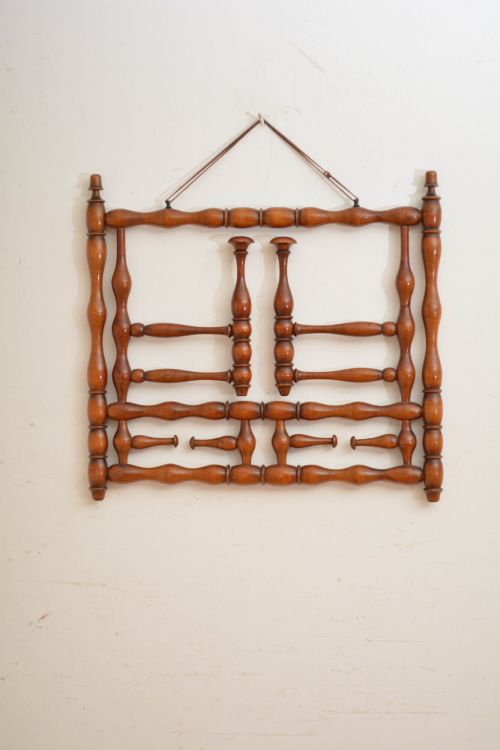
The selection includes French bobbin racks, Black Forest carved animal heads, and Thonet bent wood pieces alongside standard cloakroom rails.
What varies in quality
Quality depends on the selection of timber and the ambition of the carving or turning, distinguishing utilitarian items from bespoke workshop pieces. Finer examples display crisply carved animal heads or balanced bobbin turnings executed by skilled hands.
The integration of secondary materials, such as inset mirrors, ceramic tiles, and cast brass or iron hooks, determines the sophistication of the piece. Substantial construction in solid oak or walnut indicates higher grade production compared to lighter utility items.
Ellen E. Houghton of Minton·Thonet
The Brown Wooden Coat Hooks Glossary
- Hall stand
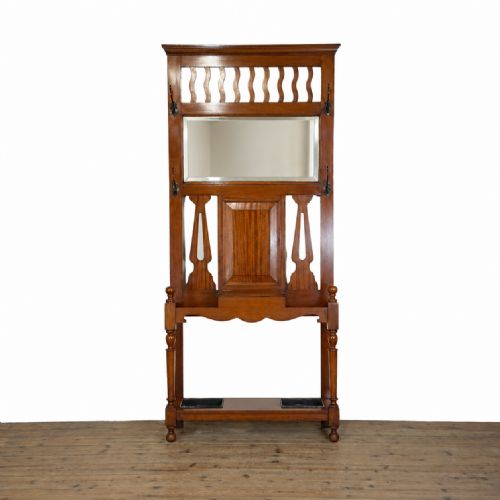
- A composite hallway furnishing combining coat hooks, a mirror, umbrella storage, and sometimes a seat or tile inset. These large pieces dominated domestic entrance halls in the Victorian and Edwardian eras.
- Black Forest
- A regional style of wood carving originating from the mountainous areas of central Europe, characterised by realistic animal subjects and deep relief work. Pieces from this tradition often feature bears, chamois, or eagles.
- Arts and Crafts
- A design movement valuing traditional craftsmanship, simple forms, and visible construction methods over mass-produced ornamentation. Oak furniture from this ethos prioritises unadorned utility and honest materials.
- Bent wood
- Timber curved into rounded shapes through the application of steam and pressure, associated with nineteenth century manufacturers like Thonet. This technique created lightweight yet resilient wall racks and coat stands.
- Bobbin turning
- A form of woodturning that creates a series of rounded spheres or discs resembling a string of bobbins along a furniture leg or rack frame. This decorative turning style appears frequently on French wall fixtures.
Brown Wooden Coat Hooks: Frequently Asked Questions
How do I install an antique coat rack?
Wall-mounted racks require sturdy fixings screwed directly into wall studs or masonry to support the weight of heavy coats and garments. Ensure the mounting brackets or pre-drilled screw holes align securely with your wall structure.
Because these pieces date from the nineteenth and early twentieth centuries, their original mounting points may require modern wall plugs or screws for safe daily suspension.
Can I use a hall stand in a small hallway?
Hall stands combine mirrors, umbrella holders, and coat hooks into a single vertical footprint, making them suitable for compact entrance spaces. Measuring the available floor space against the depth of the stand ensures clearance for passing.
Wall-mounted racks offer an alternative if floor space is limited, providing the hanging utility of a larger stand without encroaching on the walkway.
What is the difference between Victorian and Edwardian coat racks?
Victorian coat racks often feature darker walnut or oak timbers, ornate carvings, and heavier brass or cast iron hardware. Their designs tend towards dense ornamentation, reflecting the aesthetic priorities of the nineteenth century.
Edwardian pieces generally present a lighter appearance in oak or beech, aligning with the shift towards brighter, more open hallway interiors at the turn of the century.
How should I clean wooden coat hooks?
Dust wooden surfaces regularly with a dry or slightly damp cloth to prevent the accumulation of dirt within carved details or turned spindles. Avoid harsh chemical cleaners that can strip the historic polish or wax.
Applying a suitable beeswax periodically helps maintain the moisture and lustre of antique oak and walnut without damaging the timber.