

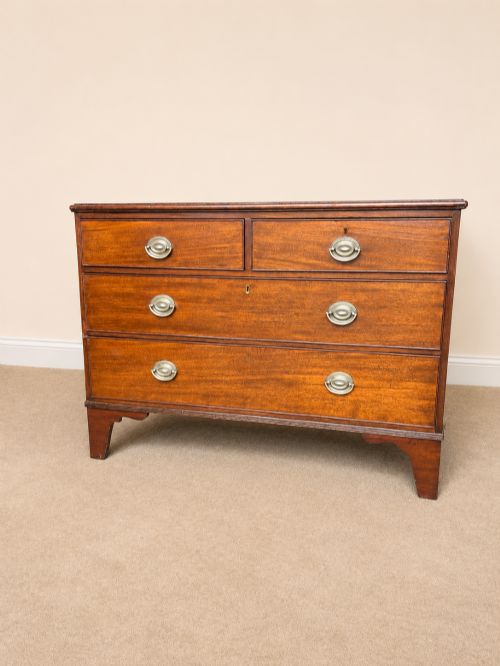
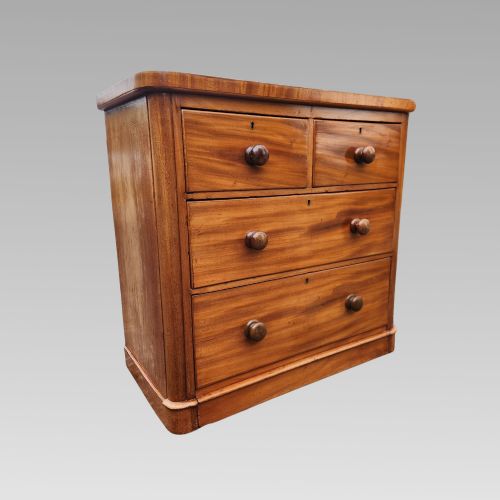
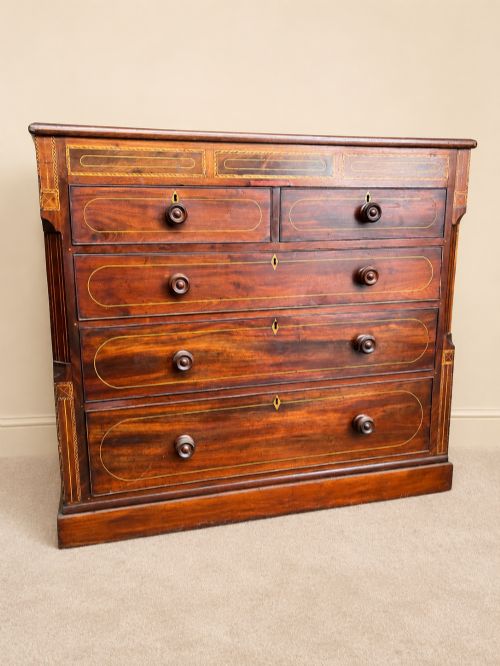
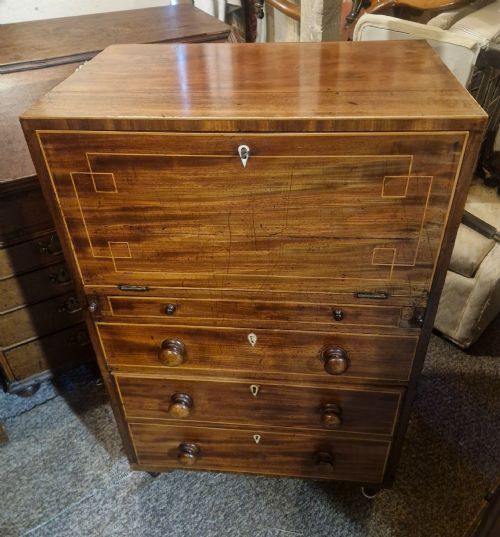
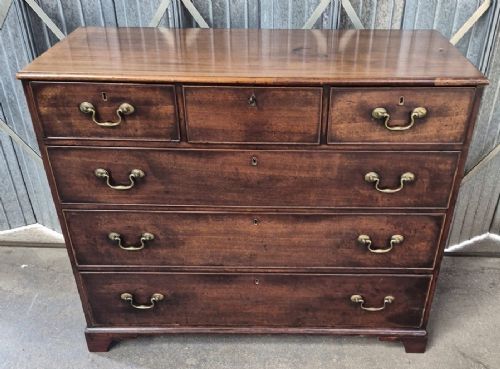
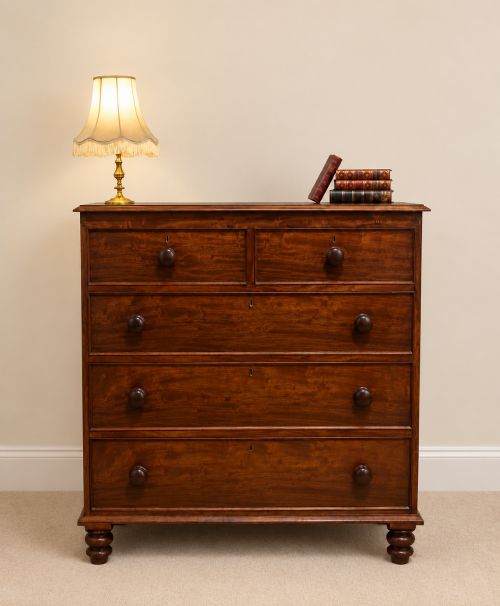
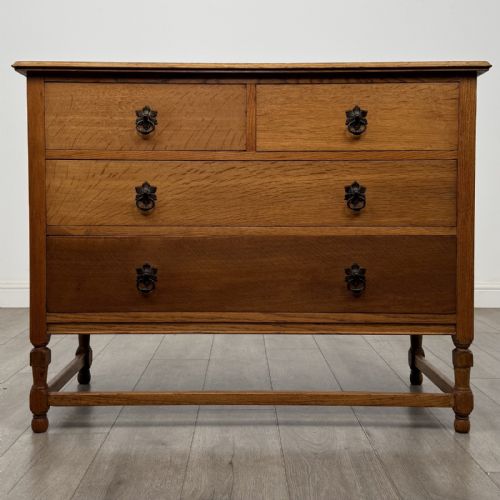
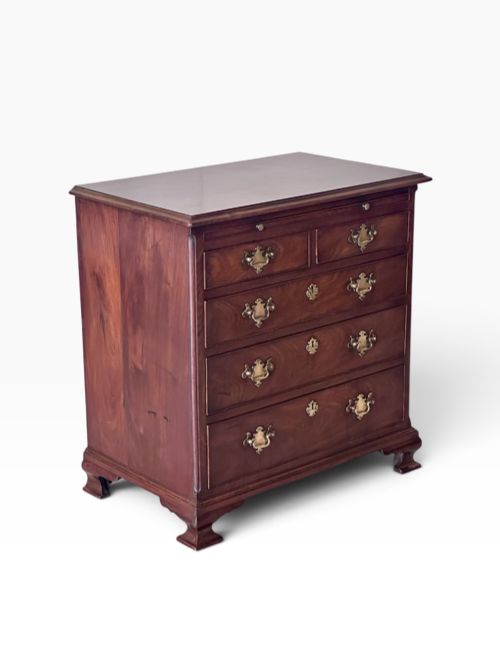
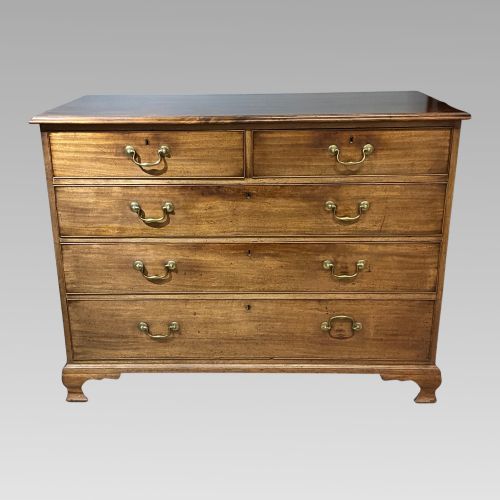
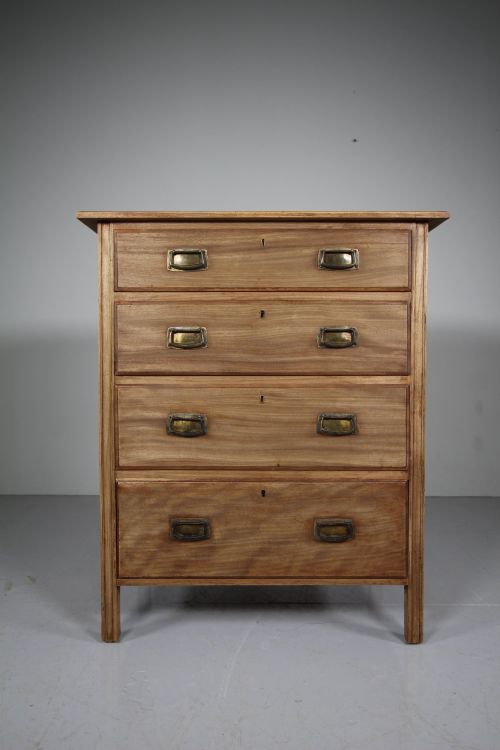
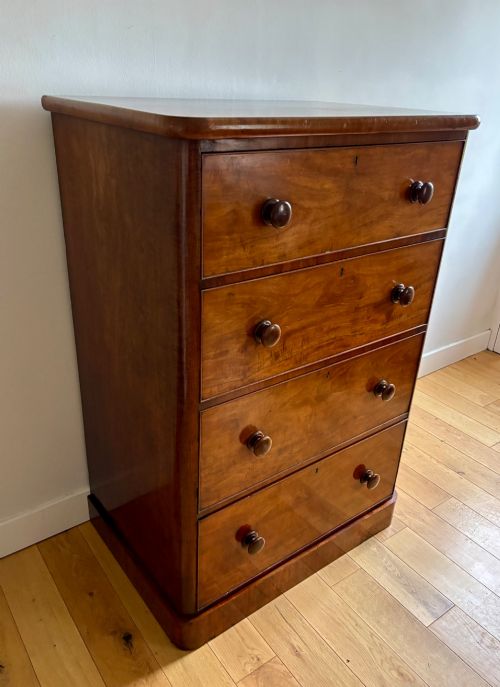
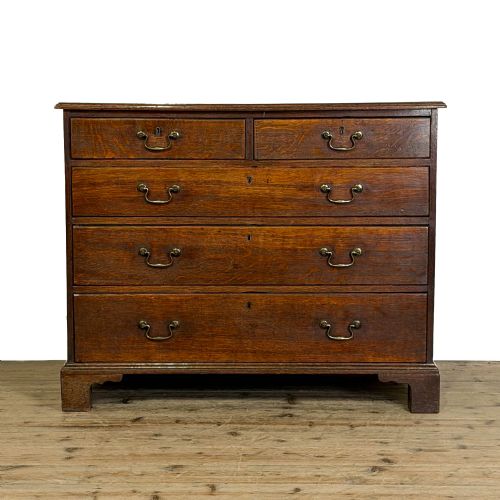
Brown Wooden Bureau Chest
These brown wooden bureau chest items combine practical storage with writing surfaces, spanning periods from the late seventeenth century into the twentieth.
Brown Wooden Bureau Chest
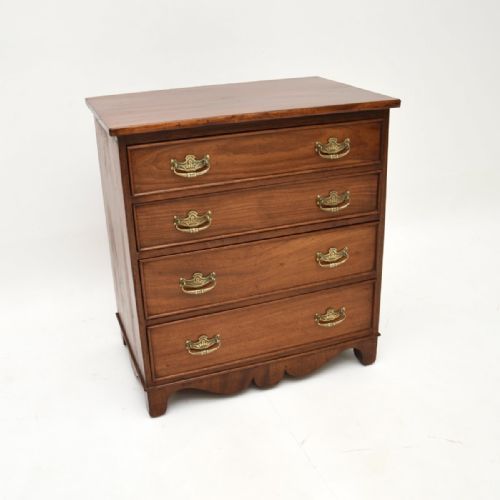
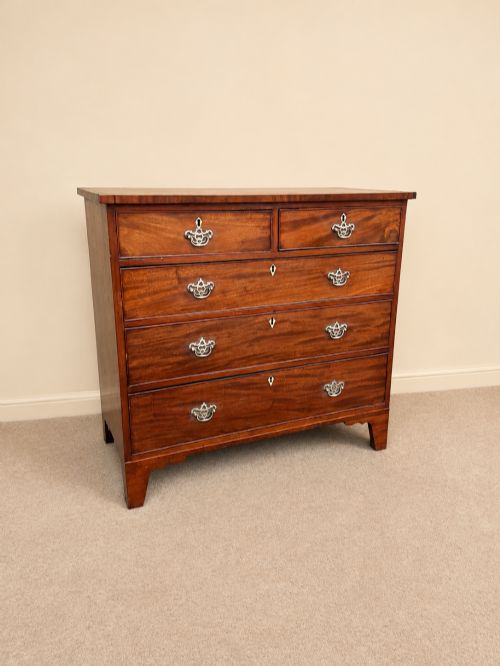
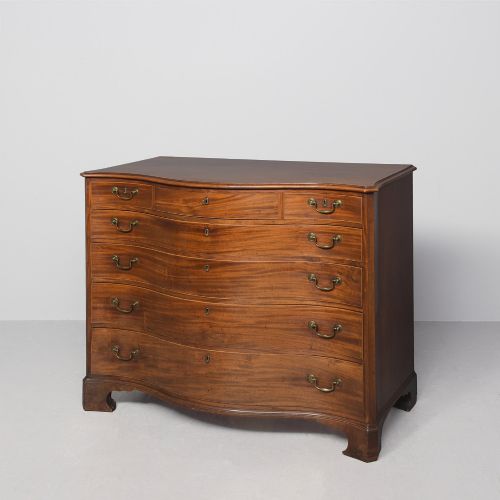
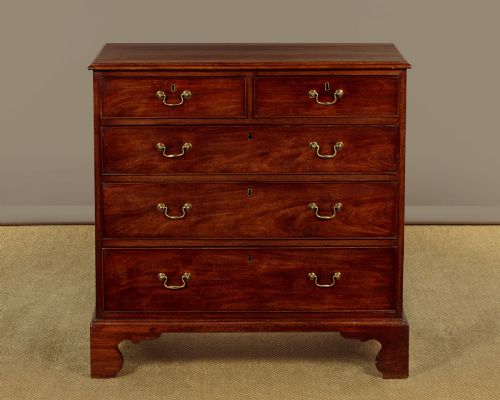
A brown wooden bureau chest represents a traditional form used for domestic administration and storage, appearing predominantly as chests of drawers or fall-front writing bureaux. The selections visible here stretch from the late seventeenth century through the Georgian, Regency, and Victorian eras into Edwardian and later twentieth-century interpretations.
Most examples encountered on this page rely on mahogany, oak, or walnut, often shaped into serpentine fronts, bow fronts, or straightforward rectangular configurations. Buyers frequently discover pieces featuring traditional drawer arrangements such as two short drawers over three long ones, sometimes accompanied by a pull-out brushing slide.
Materials and Construction
Cabinetmakers utilised solid timbers alongside specialised veneers, applying flame mahogany veneer, burr walnut, and figured walnut across primary display surfaces to create visual depth and grain movement. Structural elements and secondary carcasses commonly incorporate oak, pine, or standard mahogany.
Hardware details such as brass handles and wooden knobs complement structural methods like bun feet, bracket feet, and geometric mouldings. Joinery techniques reflect the period of origin, from early geometric moulded panels on oak carcasses to later serpentine shaping.
Brown Wooden Bureau Chest Retail Price Guide 2026
Typical asking prices for brown wooden bureau chest among the pieces listed under this phrase on Sellingantiques today, from the lower quarter to the upper quarter. They describe what is for sale here now, not the wider market.
The listings span from the late 17th century William and Mary period through Georgian, Regency, Victorian, and Edwardian eras into the 1930s.
Distinctions in Standard
Quality diverges according to the precision of timber selection, such as the choice of highly figured walnut or richly grained mahogany veneers for drawer fronts. Superior execution appears in crisp execution of serpentine and bow front contours, alongside well-integrated mouldings and original brass handles or wooden handles.
The integrity of secondary timbers and the retention of period characteristics, such as original feet and functioning brushing slides, separate baseline examples from superior specimens. Earlier pieces demonstrate meticulous hand joinery and thoughtful proportion across the drawer heights.
HEPPLEWHITE
The Brown Wooden Bureau Chest Glossary
- Serpentine
- A front configuration curved outward at the centre and inward at the ends in a gentle wave shape. This contour requires advanced woodworking skill to execute properly.
- Brushing slide
- A pull-out board located above the top drawers designed for writing or inspecting documents. It tucks flush into the cabinet frame when not in use.
- Bun foot
- A rounded, slightly flattened spherical foot often found supporting heavy Victorian or earlier chests. It lifts the carcass cleanly off the floor.
- Flame mahogany veneer
- A thin slice of mahogany timber displaying a distinctive flickering, flame-like grain pattern. Cabinetmakers laid this over a stable secondary wood.
- Fall front
- A hinged writing flap that drops down to form a desk surface and conceals interior pigeonholes or small drawers. This mechanism defines the bureau form.
Brown Wooden Bureau Chest: Frequently Asked Questions
What is a brown wooden bureau chest?
A brown wooden bureau chest is a traditional piece of furniture designed for storage and writing, encompassing both standard drawer units and fall-front desks.
These items utilise woods such as mahogany, oak, and walnut, and date from the seventeenth century through to the twentieth century.
How do I identify a Georgian chest?
Georgian examples often feature solid mahogany or oak construction, precise bracket feet, and hand-cut dovetail joints on the drawers.
Earlier pieces may incorporate walnut veneers or geometric mouldings, while later Georgian items can display bow fronts or brushing slides.
How were these desks used?
They served primarily for domestic administration, storing correspondence, documents, and household linens within the drawers.
The fall-front writing bureau provided a stable surface for letter writing, featuring internal compartments for stationery and small valuables.
How do I care for antique wood?
Protect antique wood surfaces by keeping them away from direct sunlight and maintaining steady indoor humidity levels.
Apply traditional wax polishes sparingly and buff gently with a soft cloth to preserve the natural finish of the timber.