
Brown Wood Storage
Brown wood storage brings together practical timber furniture from centuries past, offering solid drawers, cupboards and chests built to hold belongings with enduring utility.
Brown Wood Storage
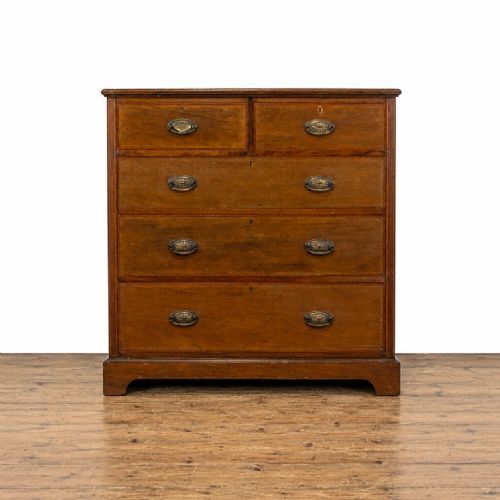
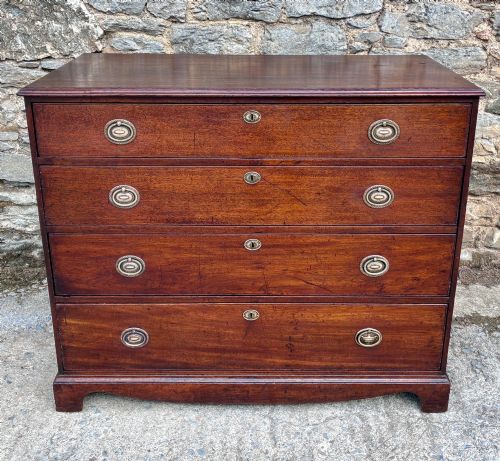
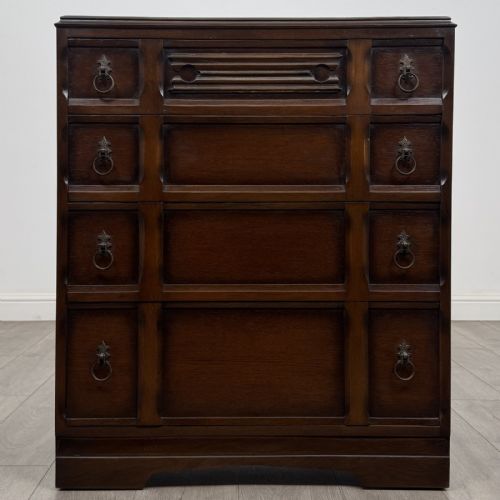
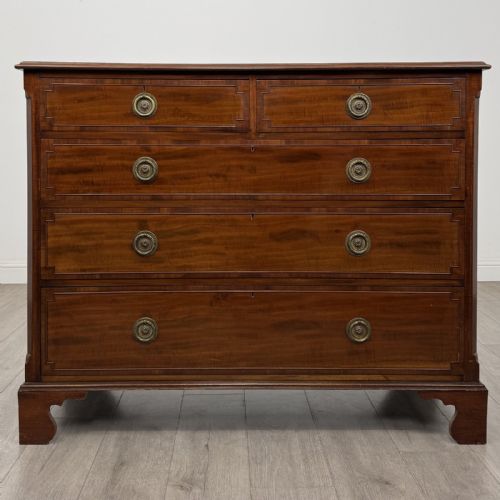
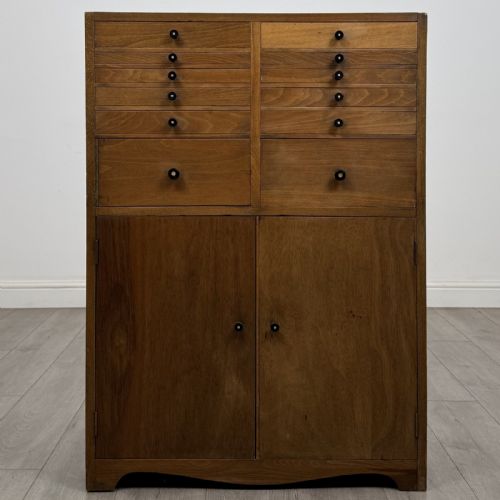
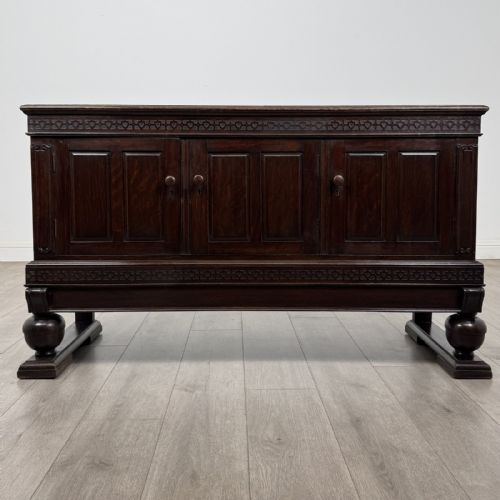
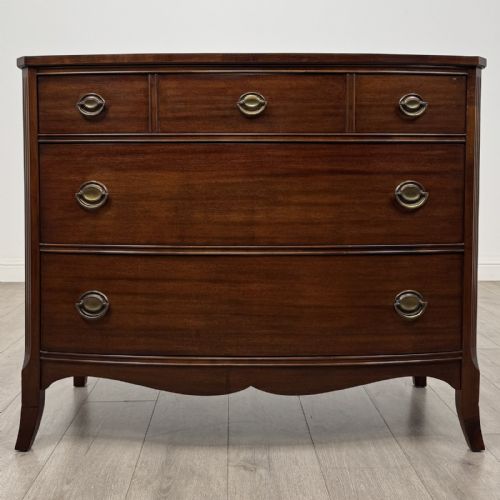
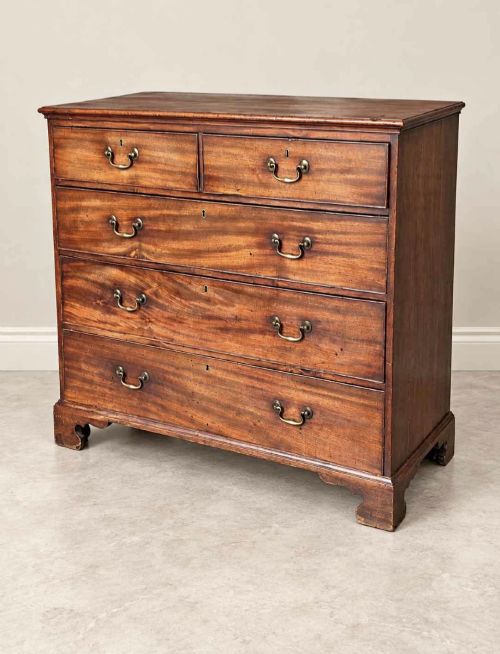
Brown wood storage encompasses a wide range of antique furniture designed for keeping household items, clothing and documents. Chests of drawers dominate the selection, appearing alongside wardrobes, cupboards, sideboards and specialised cabinets from various historical periods.
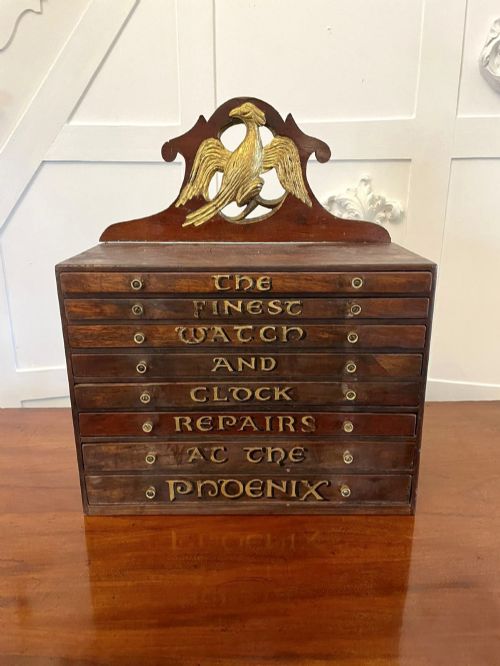
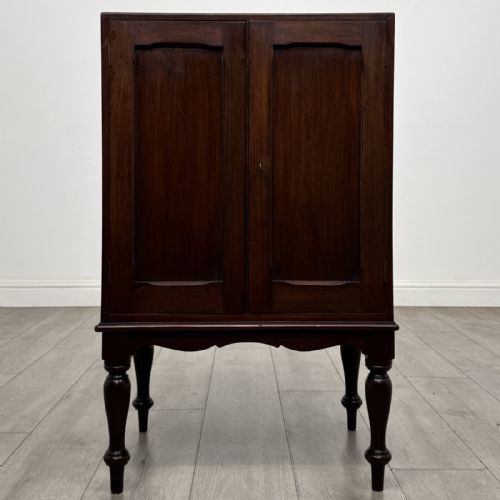
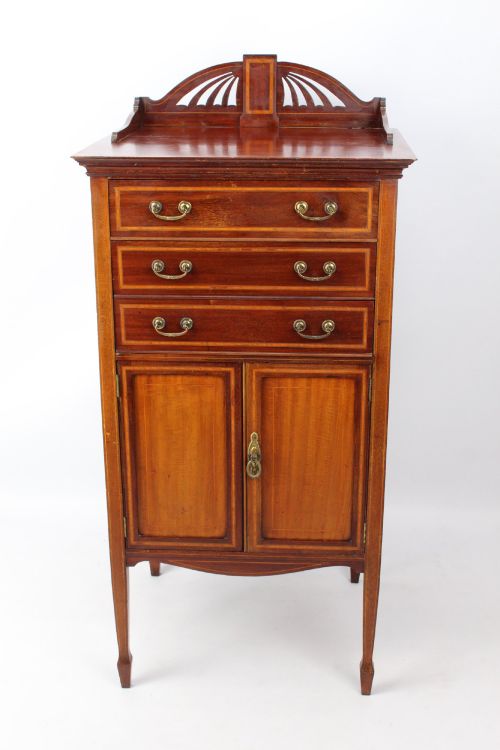
Buyers encounter items originating from the Georgian era through to the early 20th century, with significant representation from the Victorian and Edwardian periods. Forms range from compact bedside cabinets and music cabinets to large military travelling chests and multi-drawer storage units.
The objects reflect the domestic and functional needs of their respective eras, utilising traditional timber construction to create reliable pieces for modern homes. Each item provides tangible history alongside daily utility.
How they were made
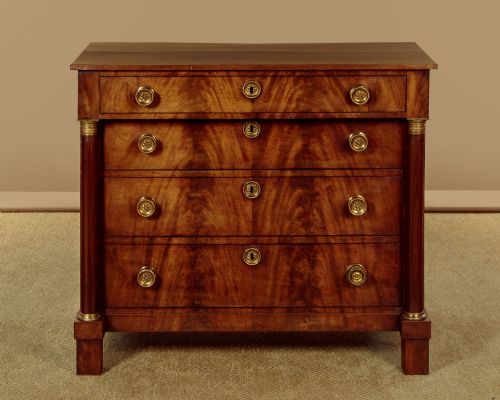
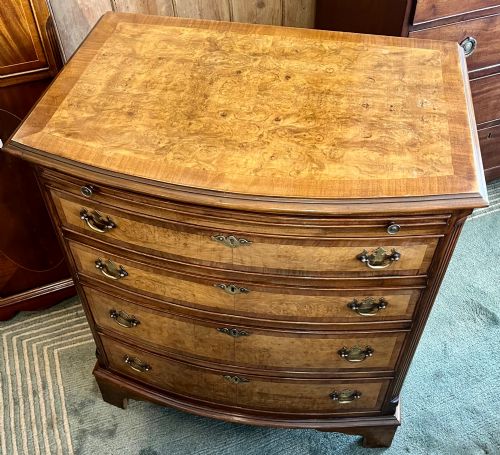
Carpenters and cabinet makers utilised dense hardwoods such as mahogany, oak and walnut as the primary structural materials. Burr walnut and kingwood frequently appear as decorative veneers, adding rich grain patterns to drawer fronts and cabinet doors.
Secondary materials like brass for handles, locks and cup fittings, alongside iron and glass, provide structural reinforcement and functional detail. Construction relied on traditional joinery methods, ensuring durability across centuries of use.
Listings span the 17th, 18th, 19th, and 20th centuries, featuring oak, mahogany, walnut, ash, and camphor wood.
What varies in quality
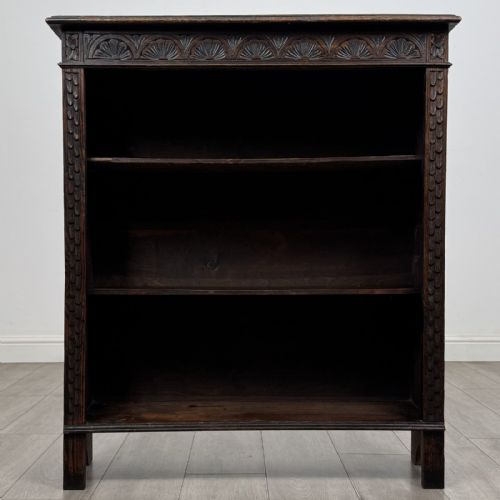
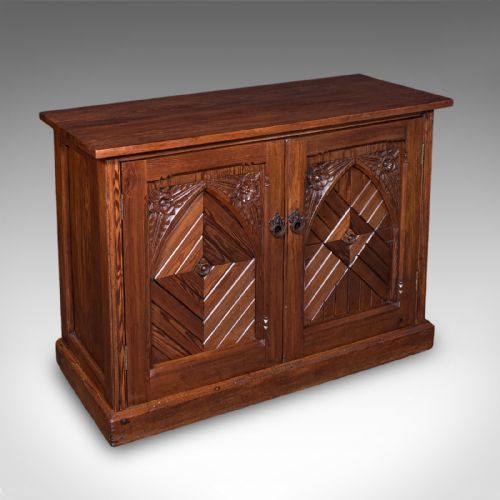
The selection of timber grain significantly influences the visual appeal of a piece, with figured mahogany and burr walnut representing finer aesthetic choices. The crispness of carved details, such as those found on Gothic Revival or Jacobean Revival pieces, indicates the skill of the original maker.
Hardware choices and secondary details, including original brass handles, inlaid woodwork, and bracket feet, separate standard utilitarian items from exceptional examples. Structural integrity and the survival of original finishes determine the standing of each piece.
Shapland & Petter·G. Bartholomew & Co
The Brown Wood Storage Glossary
- Bow-front
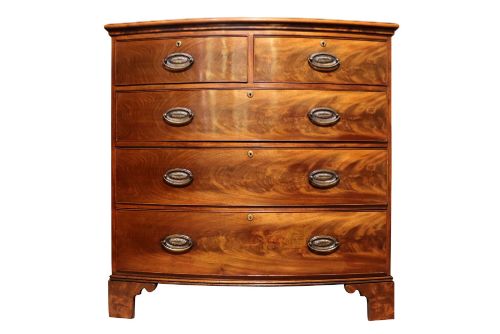
- A cabinet or chest of drawers featuring a convex curved front facade. This shape gained popularity during the Georgian and Regency periods.
- Bracket feet
- Small architectural supports projecting from the bottom corners of furniture, commonly seen on Georgian and Victorian chests.
- Tambour
- A flexible sliding shutter formed of narrow strips of wood glued to canvas, often utilised on early 20th-century filing cabinets.
- Linen press
- A tall storage cupboard originally designed for storing folded linen, typically featuring sliding trays enclosed by doors above lower drawers.
- Gallery
- A raised wooden or brass railing fitted to the top edge of a chest or table to prevent items from sliding off.
Brown Wood Storage: Frequently Asked Questions
How do I date a brown wood chest?
Dating relies on examining construction methods, timber choices, and hardware styles associated with specific periods like the Georgian or Victorian eras. Secondary woods used in drawer linings also offer clues to the age of the piece.
Changes in handle design, lock mechanisms, and foot styles help narrow down the decade of manufacture. Comparing these elements with documented examples provides a reliable timeline.
What is a military travelling chest?
Military travelling chests were built in sections with recessed brass handles and corner brackets, designed for easy transport by officers on campaign. Their robust construction allowed them to withstand arduous journeys.
These pieces often feature clever internal compartments and durable hardwoods like mahogany. Today, they function well as sturdy coffee tables or distinctive storage trunks.
Are these cabinets suitable for modern clothes?
Antique chests of drawers and cupboards offer practical internal dimensions that accommodate folded garments and contemporary apparel easily. Smaller side cabinets work effectively as bedside tables or living room storage.
Drawer depths and hanging heights in older wardrobes can vary, so checking internal measurements ensures compatibility with specific clothing items. Most pieces integrate smoothly into modern domestic layouts.
How should I care for antique timber?
Maintaining antique wood involves keeping pieces away from direct heat sources and fluctuating humidity to prevent timber splitting. Regular dusting with a soft, dry cloth preserves the finish without chemical buildup.
Occasional application of appropriate beeswax feeds the wood and maintains its natural lustre. Avoiding synthetic polishes protects the historic patina built up over generations.