

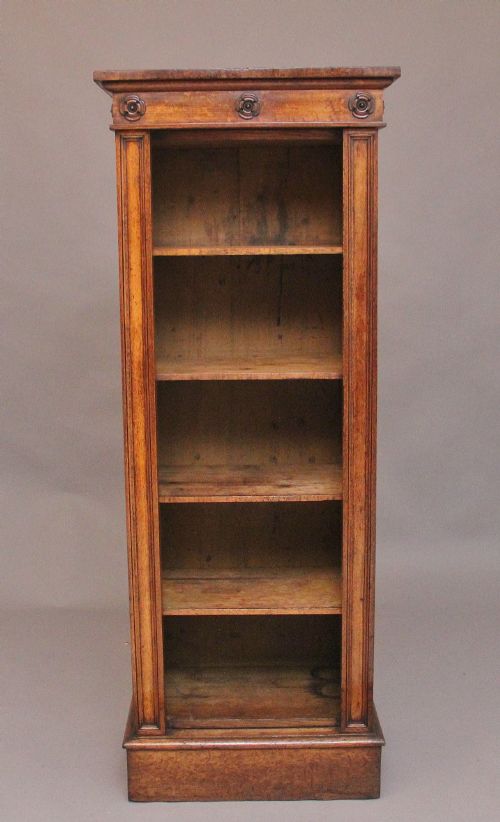
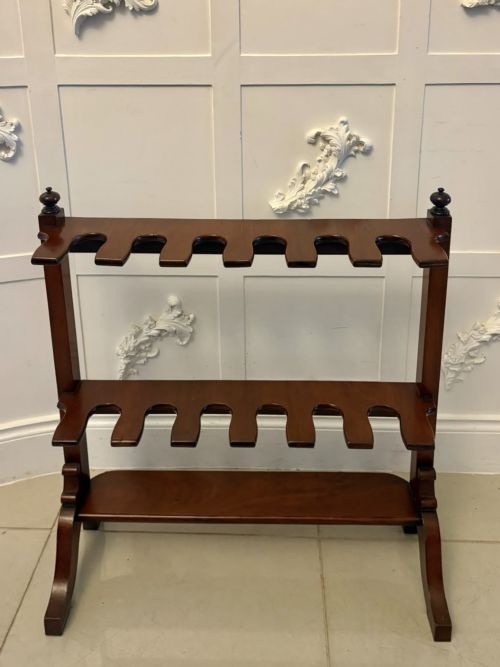
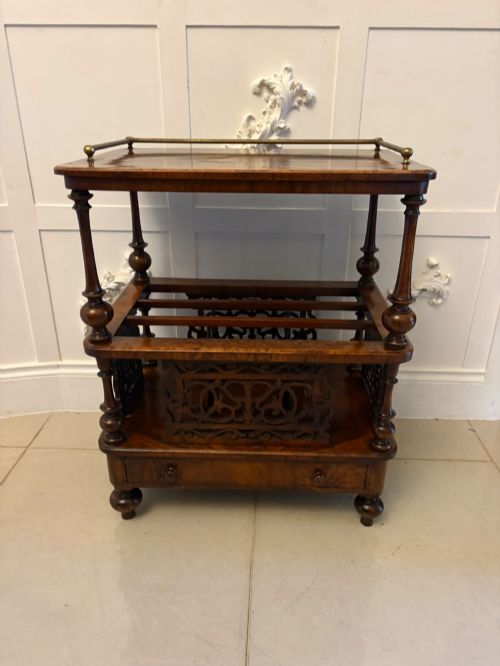
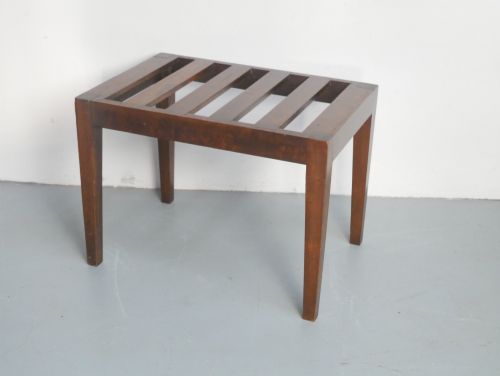


Brown Wood Rack
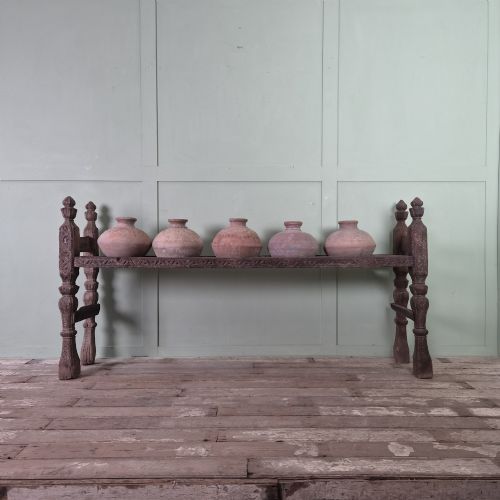
A brown wood rack orders a hallway or library, holding coats, hats, books or luggage in practical style.
Brown Wood Rack
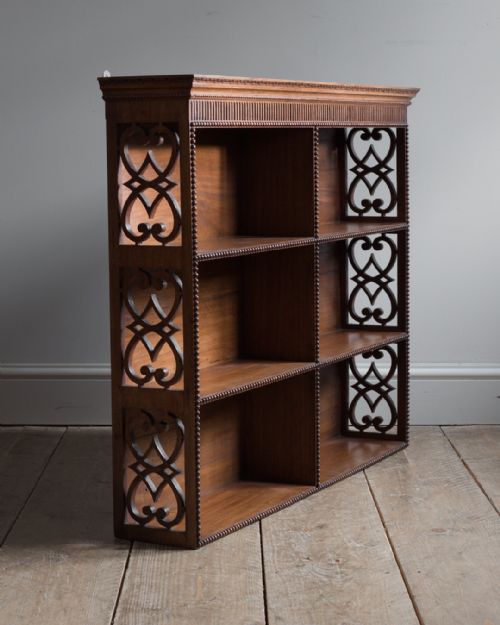
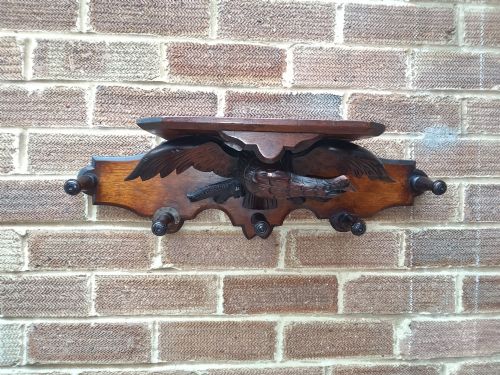
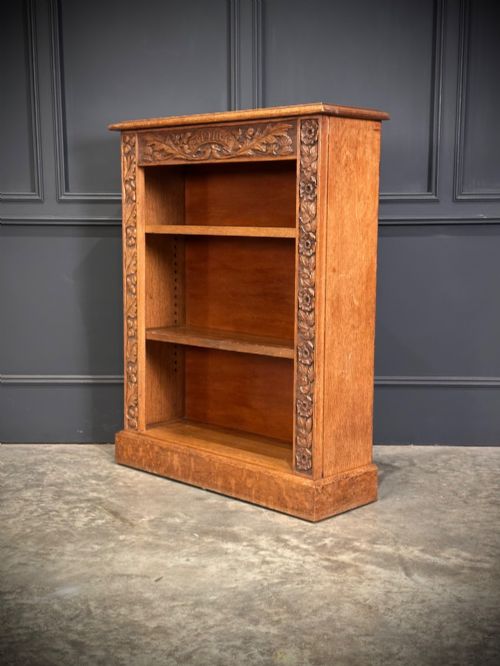
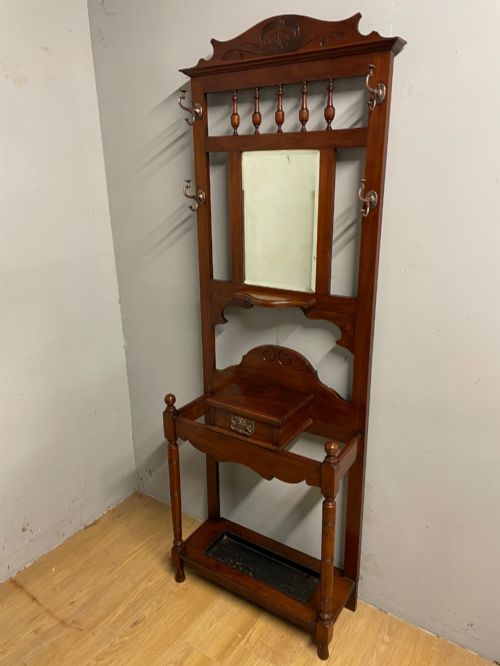
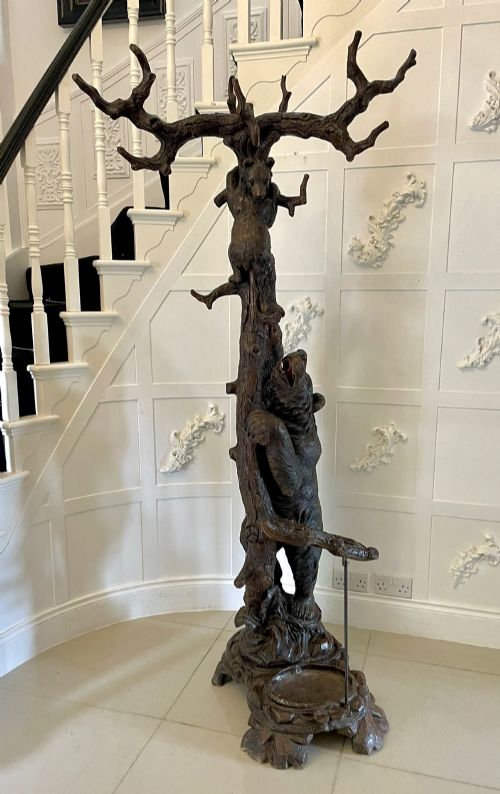
A brown wood rack encompasses practical household furnishings designed to hold garments, books, or luggage in hallways and living spaces. When you search for a brown wood rack, you encounter functional forms ranging from wall-mounted coat hooks and umbrella stands to freestanding luggage racks, book carriers, and canterburys.
The pieces on this page span the Victorian, Edwardian, and Regency periods alongside the nineteenth and twentieth centuries. Oak, mahogany, walnut, and beech dominate the construction, often shaped into hall stands, wall shelves, and revolving bookcases by makers of the era.
Materials and construction methods
Cabinet makers utilised dense hardwoods such as mahogany, oak, walnut, and yew wood to build sturdy frameworks capable of bearing heavy garments, luggage, and volumes. Brass fittings, hooks, and castors frequently complement the dark timber surfaces, adding points of contrast and mechanical utility to coat stands, magazine tables, and luggage racks.
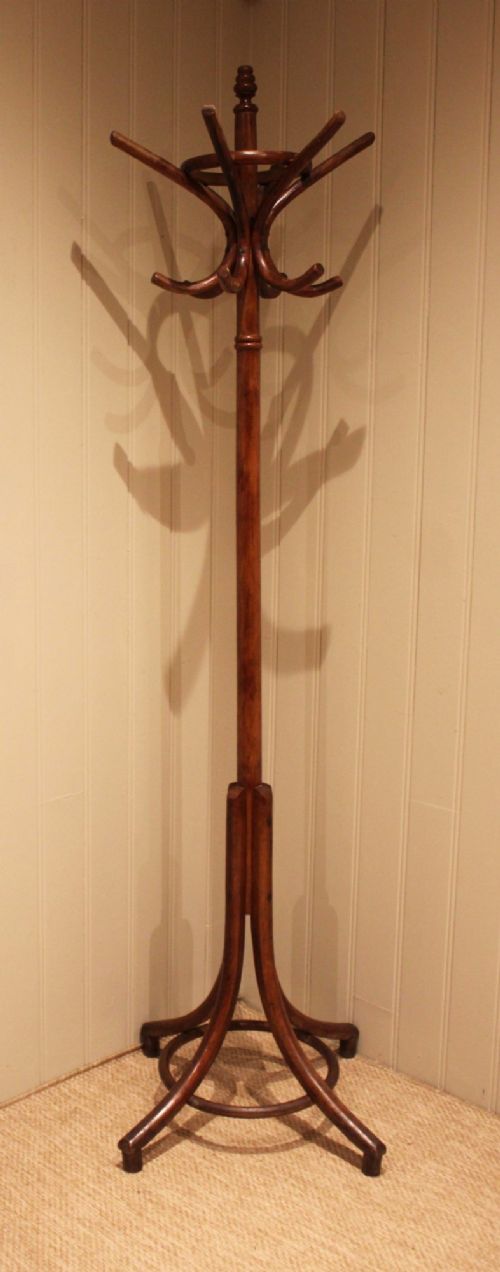
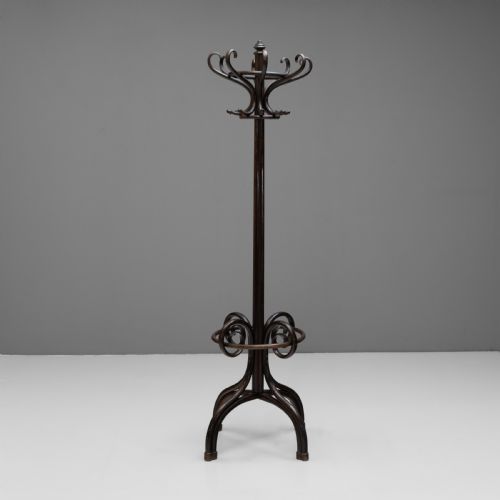
Steam-bending techniques defined the creation of bentwood hatstands and coat racks, allowing straight timber to form flowing, curved silhouettes. Joinery methods varied from traditional mortise and tenon joints in oak hall stands to turned uprights and pegged connections in smaller wall shelves and boot racks.
Brown Wood Rack Retail Price Guide 2026
Typical asking prices for brown wood rack among the pieces listed under this phrase on Sellingantiques today, from the lower quarter to the upper quarter. They describe what is for sale here now, not the wider market.
Listings feature oak, mahogany, walnut, beech, and yew wood across Victorian, Edwardian, and Regency periods.
Judging quality in wooden racks
The calibre of a brown wood rack rests upon the selection of timber and the integrity of its structural joints. Figured walnut, burr walnut, and rich mahogany signify elevated workmanship, while secondary timbers reveal the underlying construction methods of the workshop.
Proportion and decorative restraint distinguish superior examples from standard utility items. Subtle carved details, inlaid mahogany borders, and original brass hardware elevate pieces like revolving bookcases and canterburys beyond simple domestic containers.
Brown & Lamont·J. Parker of Woodstock·Thonet
The Brown Wood Rack Glossary
- Canterbury
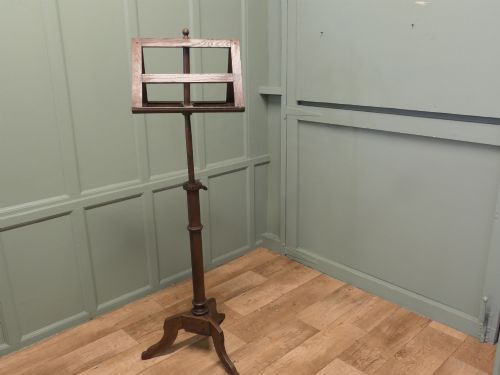
- A low wooden stand fitted with partitions, originally designed to hold sheet music or books alongside a side table.
- Luggage stand
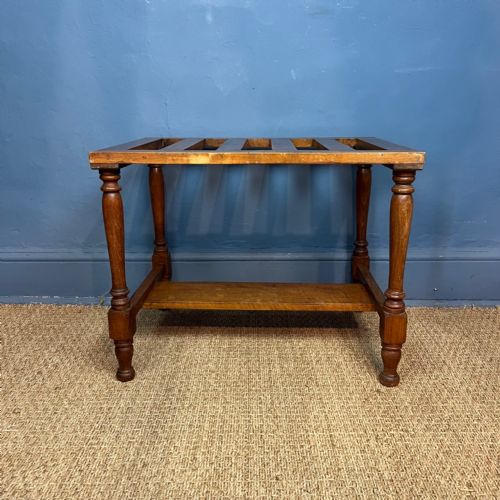
- A low folding or rigid rack with webbing or wooden slats, placed in guest rooms to hold suitcases.
- Whatnot
- An open set of multi-tiered shelves supported by slender pillars, utilised for displaying books and ornaments.
- Bentwood
- Wood shaped by steaming and pressure into curves, commonly utilised for lightweight coat and hat stands.
- Hall tree
- A tall freestanding wooden furniture piece combining coat hooks, a mirror, an umbrella stand, and a bench.
Brown Wood Rack: Frequently Asked Questions
Where do I place a luggage rack?
A luggage rack sits naturally in a guest bedroom or entrance hall to provide an elevated surface for bags and cases. Its slatted top supports weight securely while keeping belongings off the floor.
Compact wooden versions fit easily into smaller rooms, folding flat when not in use.
How do I use wall shelves safely?
Wall shelves mount directly to structural walls using appropriate fixings suited to the plaster and brickwork behind. They hold books, small displays, or hanging items securely in hallways and studies.
Ensure the timber backing and brackets align with wall studs for heavier loads.
What fits on a canterbury?
A canterbury holds magazines, newspapers, books, and portfolios within its vertical wooden dividers. Lower drawers often provide additional storage for small reading accessories.
Placed beside a chair or sofa, it keeps reading materials organised and close at hand.
How do I date a coat stand?
Dating a coat stand involves examining the timber species, turnings, and fixing methods used in its construction. Victorian examples often feature heavy turned oak or walnut with cast iron hooks, while Edwardian versions display lighter mahogany or inlaid details.
Bentwood pieces utilise steam-bent curves popularised in the late nineteenth and early twentieth centuries.