


Brown Wood Plaque
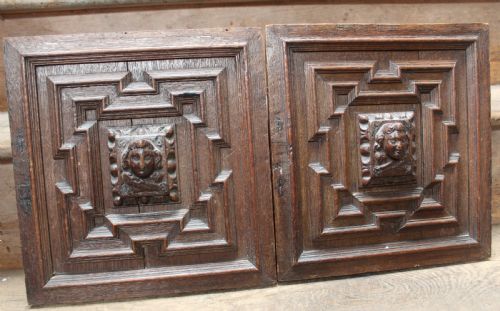
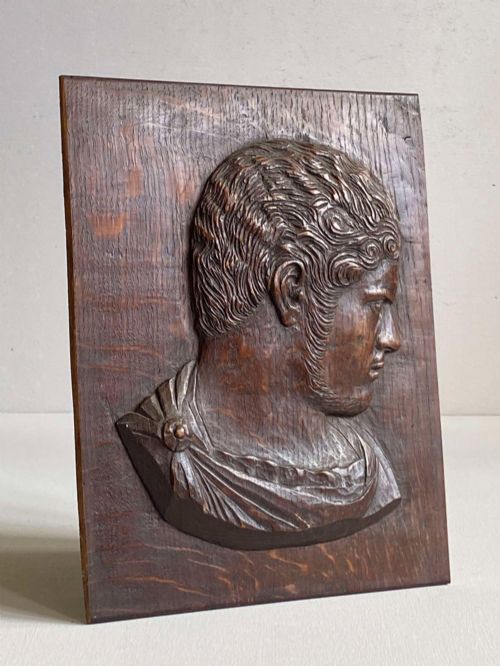
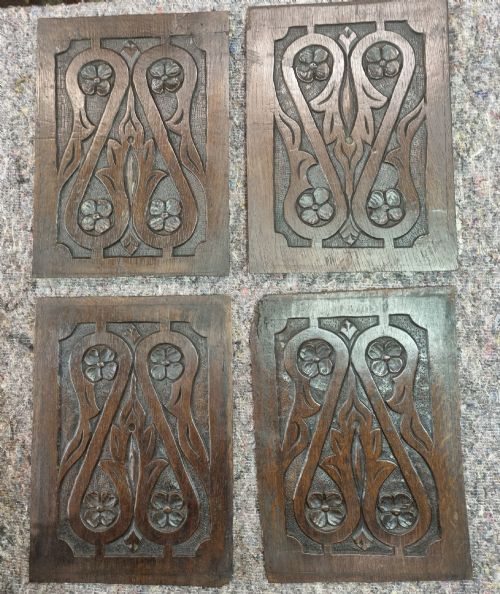
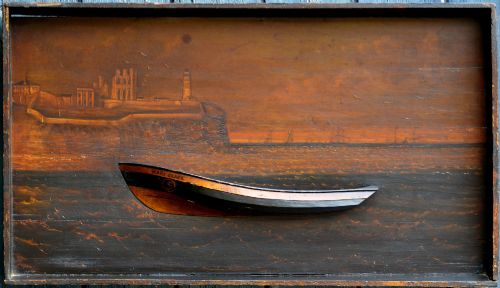
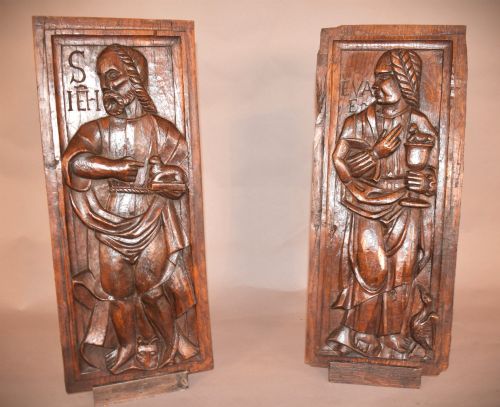
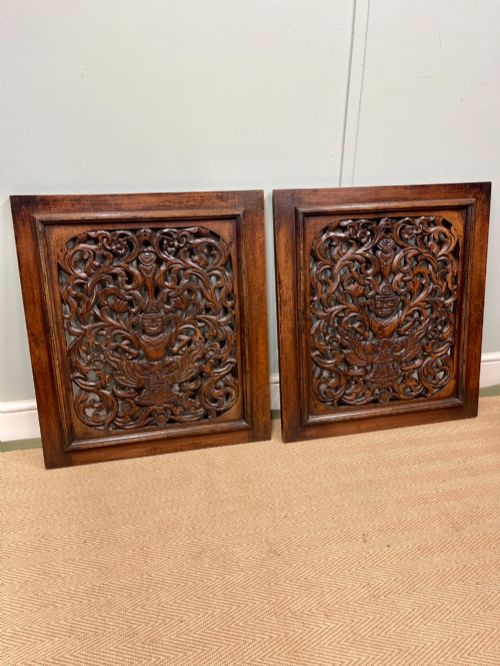
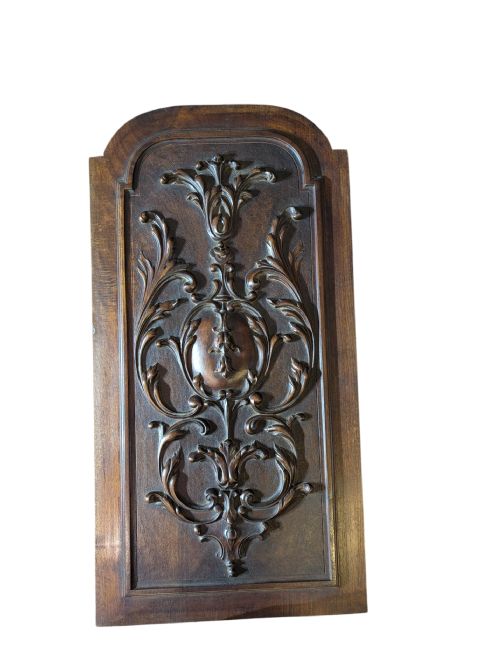
These carved panels and wall sculptures traded as a brown wood plaque bring historical depth and rich texture to an interior.
Brown Wood Plaque
A brown wood plaque encompasses carved timber panels, architectural salvage, and relief sculptures originating from several centuries. Buyers searching this phrase encounter substantial oak and walnut items designed for wall display, alongside specialised regional carving traditions.
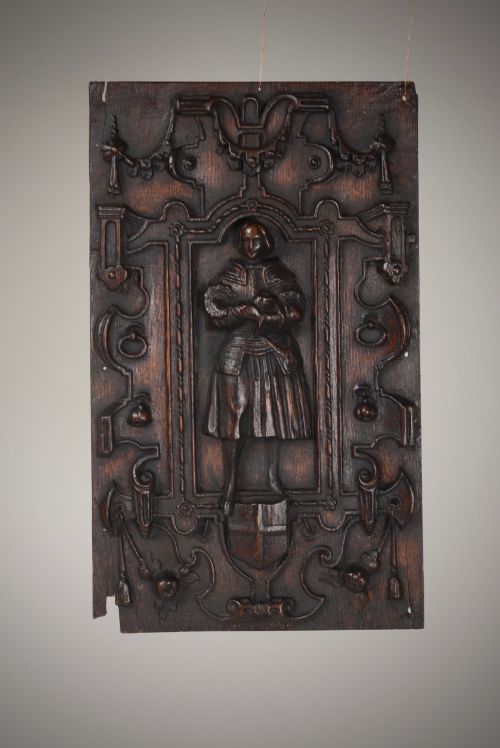
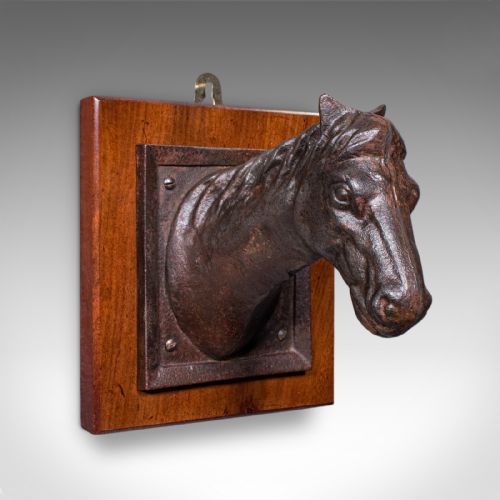
The selections span eras from the sixteenth century through the Victorian period and into the early twentieth century. Common formats include rectangular panels, figural reliefs depicting historical or religious subjects, and decorative hunting trophies.
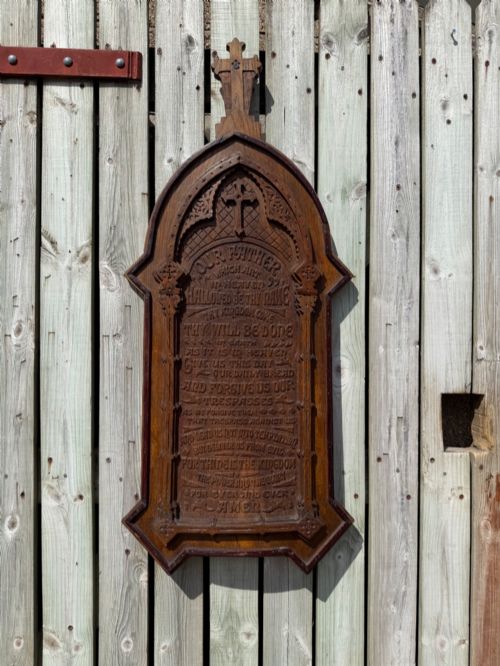
Many items reflect distinct European revival movements, including Gothic Revival and Baroque styles. Others display the intricate foliage and animal forms characteristic of Black Forest carving or the geometric influence of Moorish design.
How they were made
Makers utilised solid hardwoods such as oak, walnut, chestnut, and teak for structural durability and responsive carving surfaces. Carpenters and artisans shaped these timbers using hand chisels and gouges to achieve deep relief and undercut foliage.
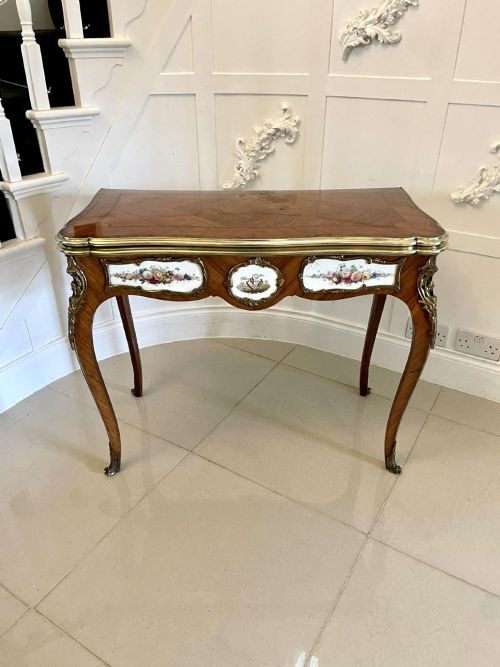
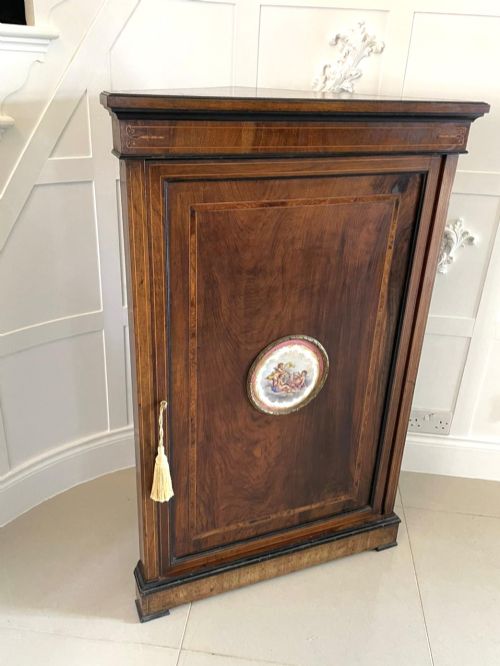
Surface treatments range from waxed natural finishes that highlight the grain to ebonising and occasional painted highlights. Inlaid elements occasionally incorporate contrasting woods, ivory, or porcelain plaques secured within the timber framework.
Brown Wood Plaque Retail Price Guide 2026
Typical asking prices for brown wood plaque among the pieces listed under this phrase on Sellingantiques today, from the lower quarter to the upper quarter. They describe what is for sale here now, not the wider market.
Listings feature items fashioned from oak, walnut, teak, and kingwood across periods spanning the sixteenth century to the early twentieth century.
What varies in quality
Depth of carving and clarity of detail distinguish finer examples from simpler production pieces. Skilled carvers achieved convincing anatomical proportions in figures and crisp, undercut leaves that cast distinct shadows.
The integrity of the timber ground and the precision of historical joinery dictate the longevity of a panel. Well-preserved surfaces retain original tool marks and patination earned through centuries of handling.
Jackson and Graham
The Brown Wood Plaque Glossary
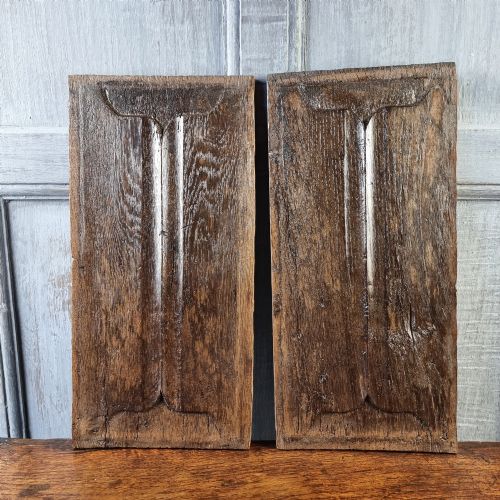
- Linenfold
- A style of wood paneling carved to resemble folded cloth or parchment. This motif appeared frequently on sixteenth-century interior woodwork.
- Black Forest carving
- Highly detailed wooden ornamentation depicting animals and natural scenes originating from central Europe during the nineteenth century. Artisans utilised native hardwoods to render realistic wildlife forms.
- Gothic Revival
- An architectural and decorative style drawing inspiration from medieval forms. Pieces display pointed arches, tracery, and religious iconography.
- Acanthus leaf
- A classical carved motif modeled after Mediterranean foliage. Artisans employed this decorative pattern extensively on Baroque and Renaissance revival woodwork.
Brown Wood Plaque: Frequently Asked Questions
Where were wall plaques displayed?
Historically, carved wooden plaques and panels adorned the walls of manor houses, churches, and civic buildings. They served to demonstrate lineage, religious devotion, or civic pride through heraldic and allegorical imagery.
Today, these pieces function effectively as focal points in modern living spaces, libraries, or hallways. Their warm timber tones integrate naturally with both traditional and contemporary interiors.
How do I identify sixteenth-century panels?
Sixteenth-century panels often display traditional motifs such as linenfold patterns, green man masks, or heavy religious iconography. The timber generally shows the dense grain and deep oxidation associated with centuries of ageing.
Examination of the reverse side reveals tool marks left by early adzes and hand saws. Carpenters of this era utilised pegged mortise and tenon joinery rather than modern metal fasteners.
How should I clean antique wood?
Maintenance requires only a soft, dry cloth to remove dust from recessed carvings and crevices. Avoid commercial liquid polishes and chemical cleaners that can damage historical wax and oil finishes.
Applying a traditional beeswax formulation occasionally preserves the moisture content of the timber. This approach maintains the natural sheen without building up unwanted residue.
What distinguishes Black Forest carvings?
Black Forest carvings are recognizable by their dynamic portrayal of wildlife, particularly hunting dogs, deer, bears, and birds of prey. Artisans captured these subjects with high realism against naturalistic woodland backgrounds.
These pieces frequently incorporate functional elements such as hooks, mirrors, or display ledges. The wood is typically limewood, walnut, or oak finished with a warm, dark patina.