

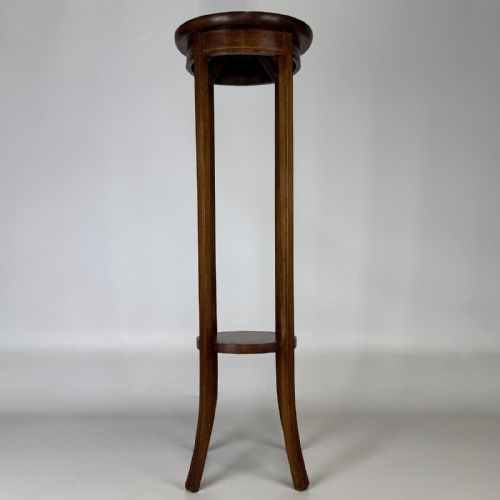
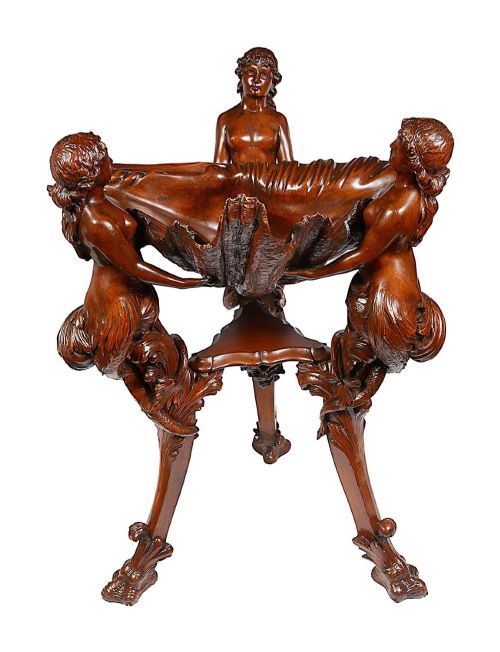

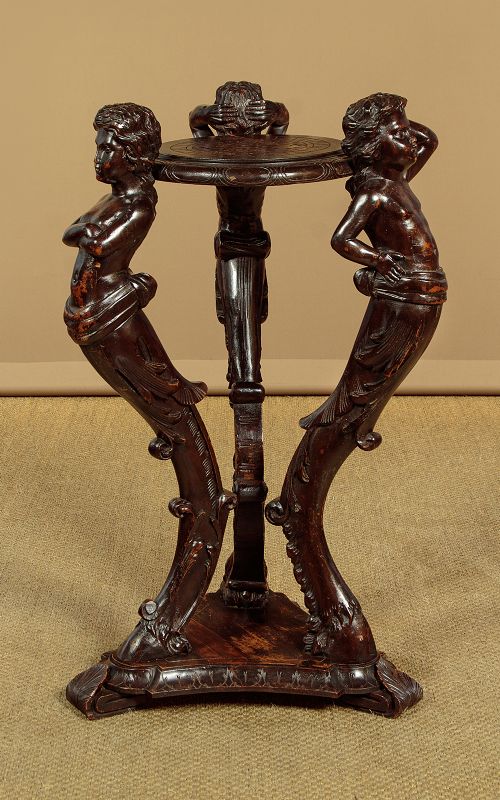
Brown Wood Plant Pedestal
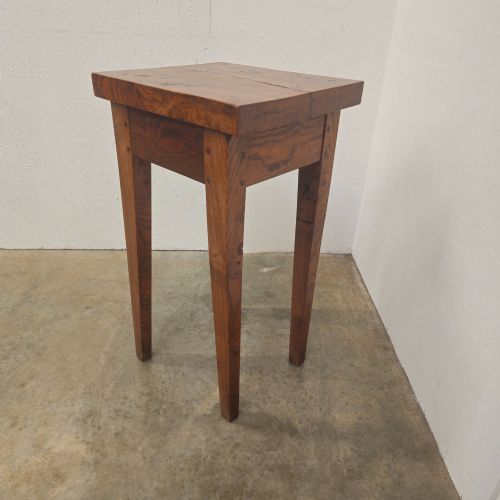
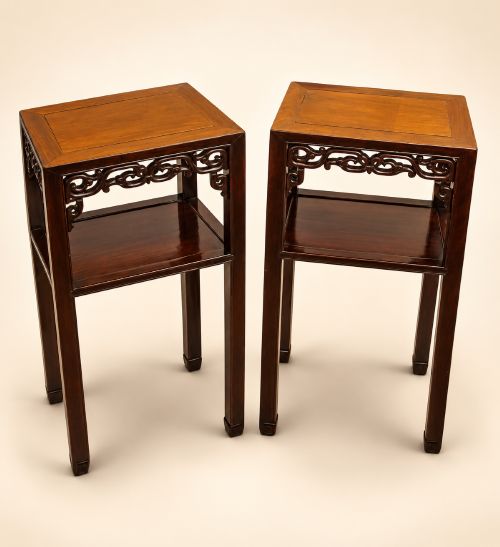
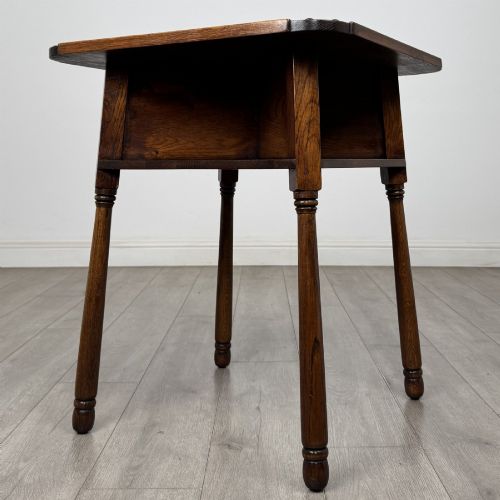
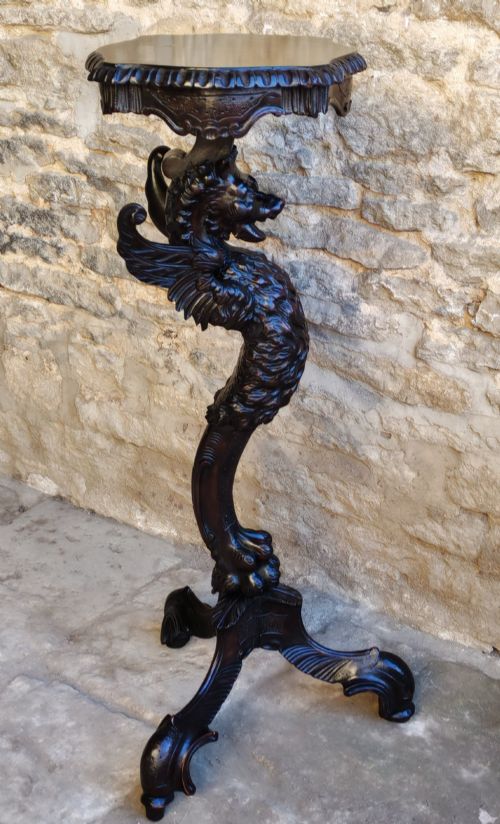
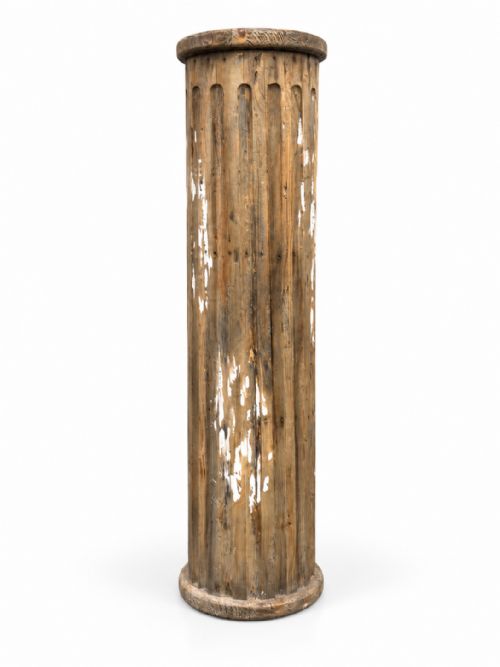
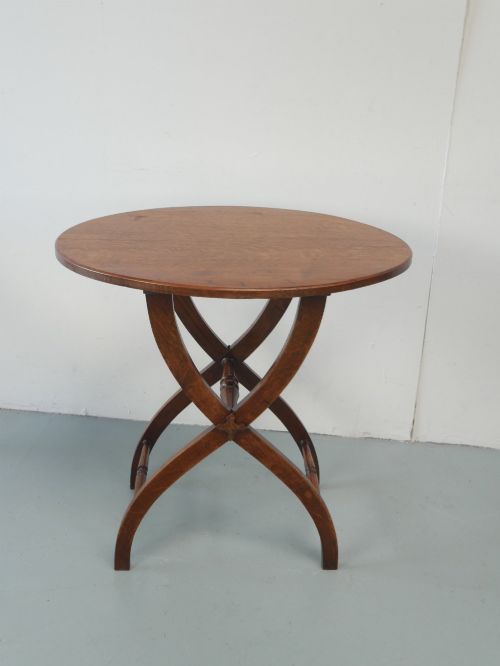
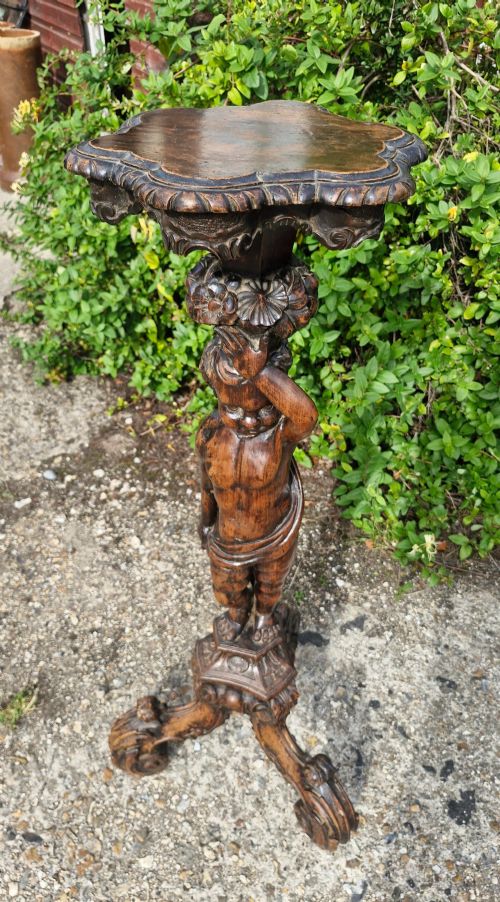
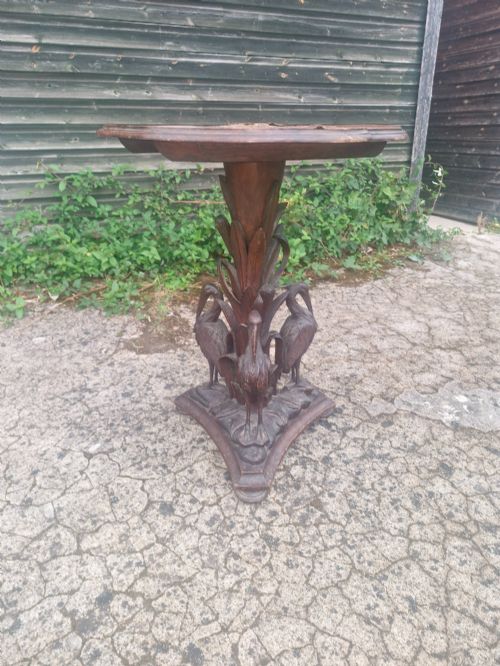
A brown wood plant pedestal elevates greenery or sculpture, bringing height and structural focus to a room.
Brown Wood Plant Pedestal
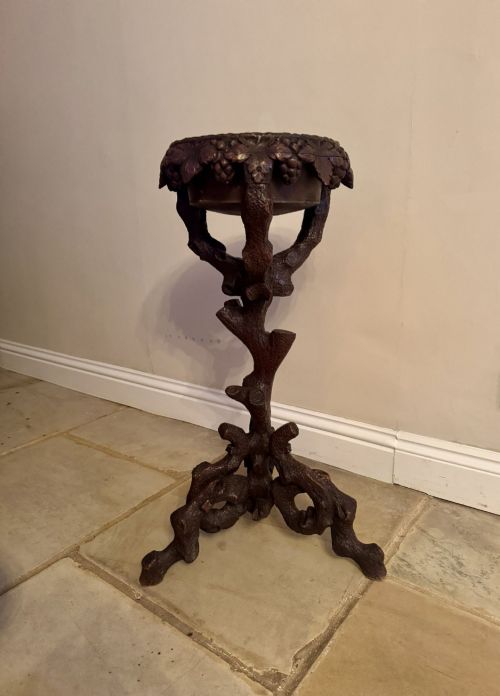
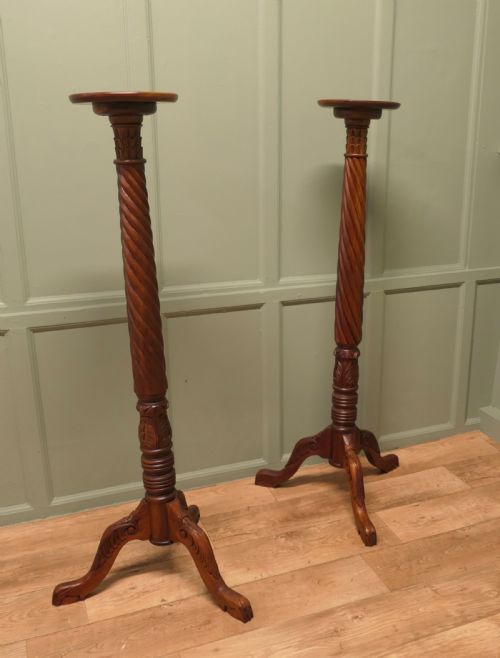
A brown wood plant pedestal provides a raised platform for foliage, urns, and decorative objects, using vertical space within a room. Buyers seeking this brown wood plant pedestal will encounter forms ranging from tall Victorian torchieres to Edwardian inlaid stands.
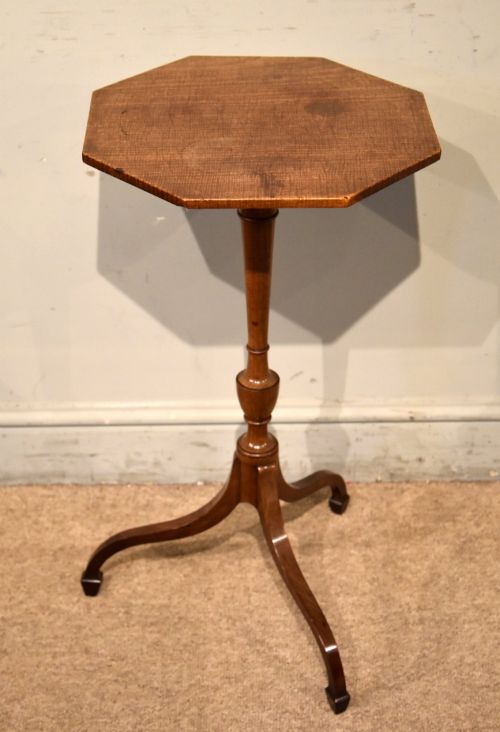
The selections span the nineteenth century through the early twentieth century, incorporating periods like the Georgian era, Victorian period, and Edwardian years. Designs include tripod bases, column display pedestals, and octagonal plant stands alongside occasional tables.
Origins stretch across English, French, Italian, and Chinese workshops, utilising local timbers and exotic hardwoods. Most examples function as plant stands, torcheres, or display plinths for sculpture and vases.
Materials and construction methods
Cabinetmakers constructed these pieces primarily from solid hardwoods such as mahogany, walnut, oak, and elm, often applying marquetry or inlay for surface decoration. Timber selection dictated the weight and structural stability required to support heavy planters or stone tops.
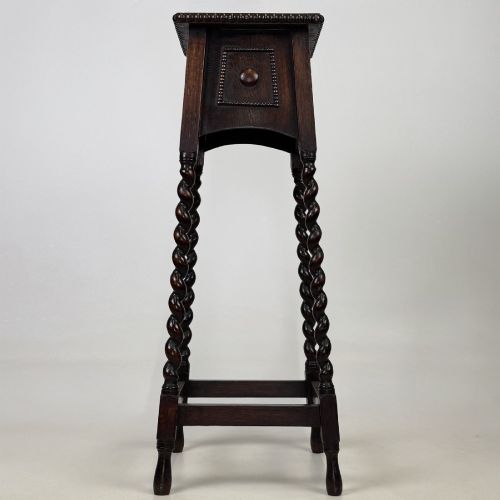
Joining techniques relied on traditional cabinetmaking methods, including turned columns, barley twist stems, and tripod or multi-sided bases. Artisans employed hand carving, particularly for floral motifs, claw feet, and sculptural details on Italian Renaissance Revival and Victorian examples.
Brown Wood Plant Pedestal Retail Price Guide 2026
Typical asking prices for brown wood plant pedestal among the pieces listed under this phrase on Sellingantiques today, from the lower quarter to the upper quarter. They describe what is for sale here now, not the wider market.
Among the taller supports, a pair of carved wood lacquer elephants once carried heavy burdens across continents before finding rest as ornamental stands.
Distinguishing quality and execution
Quality rests upon the crispness of the hand carving, the selection of figured timber veneers, and the structural integrity of the joints. Superior pieces demonstrate balanced proportions and careful timber matching across the top and base.
Makers achieved distinction through refined details such as fine marquetry inlay, well-turned barley twist stems, and stable tripod foundations that support height without wobble.
Liberty & Co
The Brown Wood Plant Pedestal Glossary
- Torchere
- A tall, slender stand designed to hold a lamp, urn, or plant. These pieces usually feature a narrow column supported by a tripod base.
- Marquetry
- The art of applying pieces of veneer to a structure to form decorative patterns. Craftsmen utilised contrasting woods to create floral or geometric designs on the tabletop.
- Tripod
- A three-legged base providing stability for tall, slender stands on uneven floors. This configuration appears frequently on nineteenth-century plant tables and lamp stands.
- Barley Twist
- A spiral-turned wooden column resembling the shape of barley grain. This decorative turning technique is common on Edwardian and Victorian oak and walnut supports.
- Jardiniere
- An ornamental pot or stand for holding plants and flowers. French and English examples often incorporate metal liners or raised galleries.
Brown Wood Plant Pedestal: Frequently Asked Questions
What is a plant pedestal used for?
A plant pedestal elevates potted greenery, ferns, or floral arrangements to create vertical interest and better light exposure within an interior space. They also serve as display surfaces for sculptural vases and lamps.
Historically placed in corners or bay windows, these stands keep heavy planters off timber floors while drawing the eye upward toward architectural details.
How do I date a wooden pedestal?
Dating relies on observing timber characteristics, construction methods, and stylistic cues associated with periods like the Victorian or Edwardian eras. Hand-cut joinery, native hardwoods, and specific revival styles offer primary clues to the decade of manufacture.
Examining the wear patterns on the base and the type of finish applied helps confirm whether a piece originates from the nineteenth century or later.
Where should I place a torchere stand?
A torchere stand fits well in empty corners, beside seating furniture, or framing doorways where height adds balance to the room layout. Their slender profile ensures they occupy minimal floor space while holding plants or lighting.
Ensure the location offers sufficient stability, particularly with tripod designs, to prevent accidental tipping in high-traffic areas.
Can these stands support heavy pots?
Solid hardwood construction and sturdy tripod or multi-legged bases allow these stands to support substantial ceramic pots and urns. Weight distribution depends on the width of the top and the stability of the central column.
Heavier marble-topped variants offer excellent stability for larger plants, though balancing the weight centrally remains essential for safety.