







Brown Wood Piano
These brown wood piano pieces and related musical furnishings bring period warmth and practical utility to a room.
Brown Wood Piano
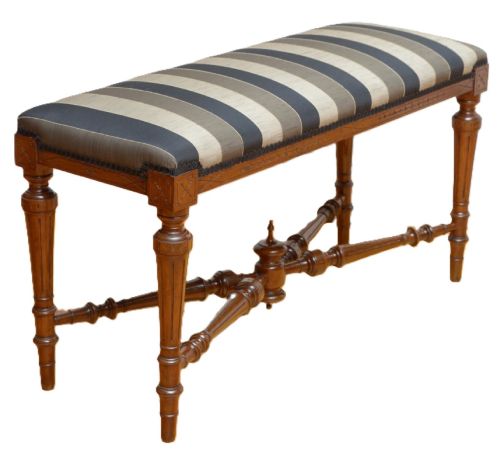
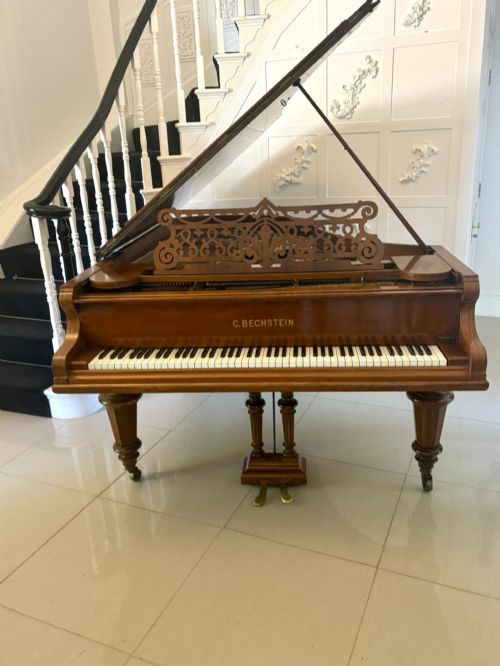
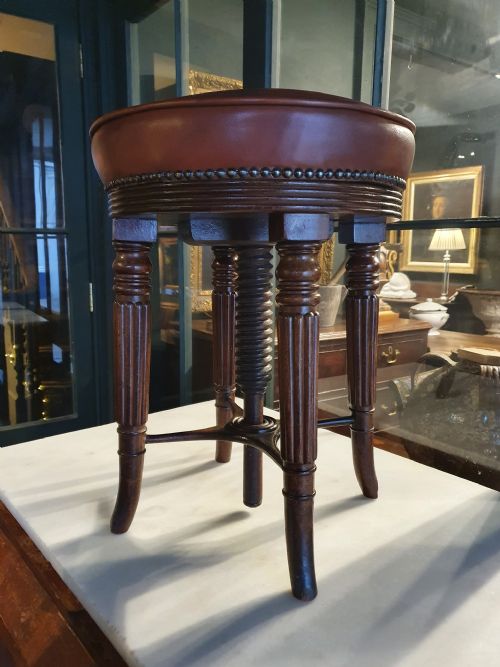
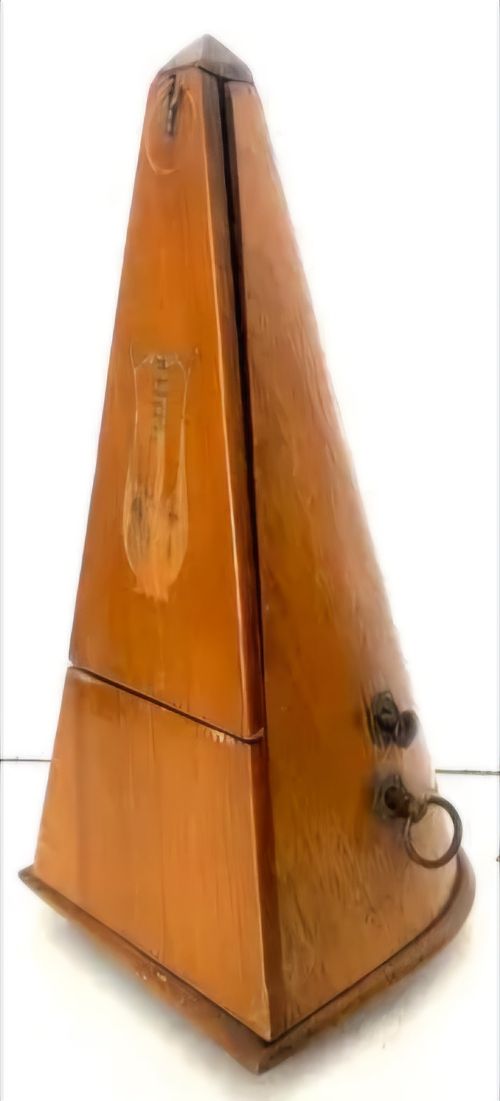
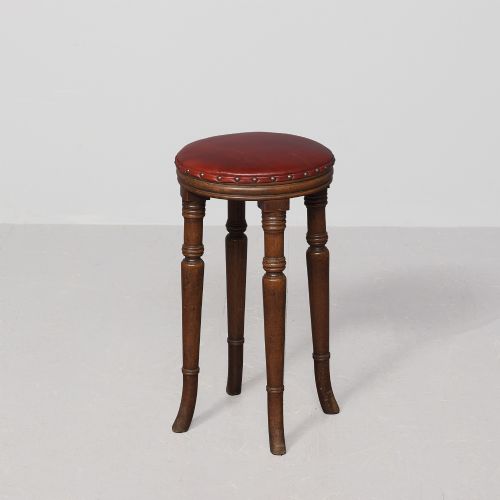
The assortment on this page leans heavily toward piano stools, desks, and related accessories rather than full instruments alone, reflecting the broader domestic sphere of historic music making. Stools feature prominently in mahogany and walnut, often incorporating adjustable mechanisms or revolving seats. Alongside these sit occasional surprises such as metronomes and music leaf turners, all sharing a foundation in timber.
How they were made
Makers utilised solid timbers such as mahogany and walnut, frequently enhancing surfaces with burr veneers and intricate inlay work. Structural support often relied on hidden iron or metal components, particularly within the adjustable mechanisms of stools and the frames of grand pianos.
Upholstered elements incorporate traditional fabrics, leather, and tapestry over padding, while desks and cabinetry employ joinery techniques suited to domestic furniture. Cast iron appears alongside brass hardware to handle the tension of strings or the mechanical stress of height-adjustment screws.
Brown Wood Piano Retail Price Guide 2026
Typical asking prices for brown wood piano among the pieces listed under this phrase on Sellingantiques today, from the lower quarter to the upper quarter. They describe what is for sale here now, not the wider market.
A Victorian patent leaf turner lets a musician flip sheet music hands-free, anticipating modern tablet pedals by over a century.
What varies in quality
The standard of timber selection and cabinet work marks the distinction between standard utilitarian items and finer workshop production. Pieces bearing recognisable maker stamps or patent marks often demonstrate superior joinery and more sophisticated turning in the legs and columns.
Mechanisms also define the tier of a piece, with smooth height adjustment screws and robust revolving actions outperforming simpler fixed joints. The crispness of carved details and the preservation of original hardware contribute significantly to the overall integrity of each item.
C. Bechstein·Wood, Small and Co.·James Shoolbred·Padbury
The Brown Wood Piano Glossary
- Davenport desk
- A compact writing desk featuring a sloping lid, side drawers, and a set of stationary compartments. Walnut and burr walnut are common timbers for these forms.
- Grand piano
- A large keyboard instrument with strings and soundboard housed horizontally in a case. Rosewood and mahogany frequently form the exterior cabinetry.
- Square piano
- An early domestic keyboard instrument built in a rectangular case rather than the traditional wing shape. These units sit upon timber trestles or legs.
- Revolving stool
- A seat featuring a threaded spindle or screw mechanism allowing the height to be altered by turning the top. Metal and cast iron components frequently operate inside the timber structure.
- Metronome
- A mechanical device that emits an audible beat at regular intervals to aid musicians with tempo. Enclosures often utilise shaped wood such as walnut.
Brown Wood Piano: Frequently Asked Questions
How do I adjust a piano stool height?
Many period piano stools operate via a central threaded screw mechanism concealed beneath the seat top. Turning the upholstered section clockwise or anticlockwise alters the overall height.
Heavier mechanisms often incorporate iron or brass inner rods to ensure stability when locked at the desired level.
What is a square piano?
A square piano is a domestic keyboard instrument housed in a rectangular wooden case rather than a traditional wing-shaped grand frame. Despite the name, the internal layout runs diagonally across the box.
These pieces typically rest on delicate wooden legs and served as parlour instruments throughout the nineteenth century.
How do I date a walnut piano stool?
Dating relies on stylistic clues such as turned legs, cross stretchers, and the presence of patent stamps or manufacturer labels. Victorian examples often display heavier carving, while Edwardian pieces lean toward lighter inlay work.
Materials like cast iron in the adjustment mechanism also provide a chronological marker for industrial methods.
Where should I place a piano stool?
These stools suit traditional music rooms, living spaces, or studies as standalone seating or side tables. Adjustable models offer functional flexibility for seating at desks or dressing tables.
Keep timber pieces away from direct heat sources to protect the polished wood surfaces.