

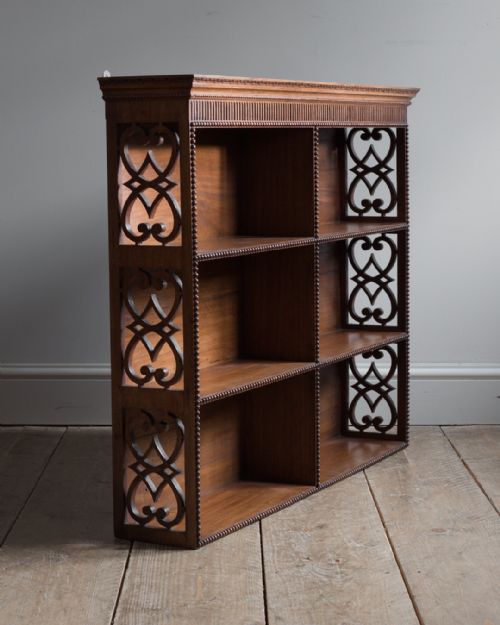
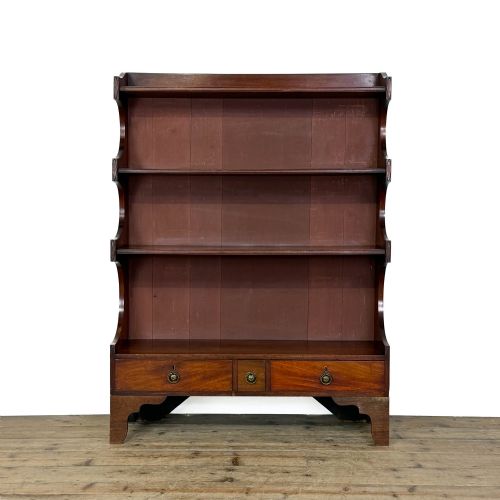
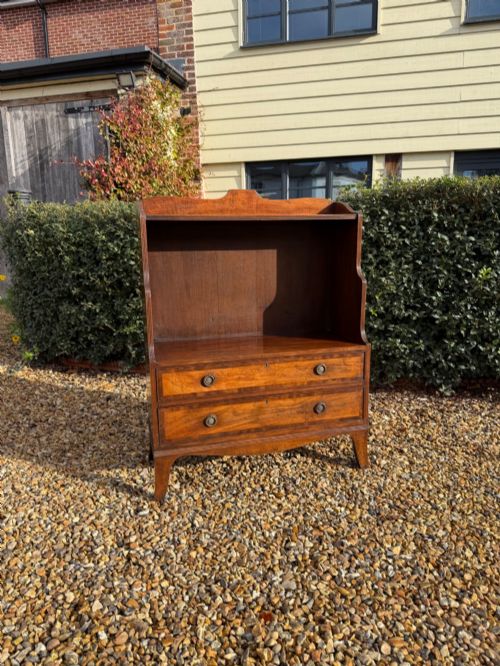
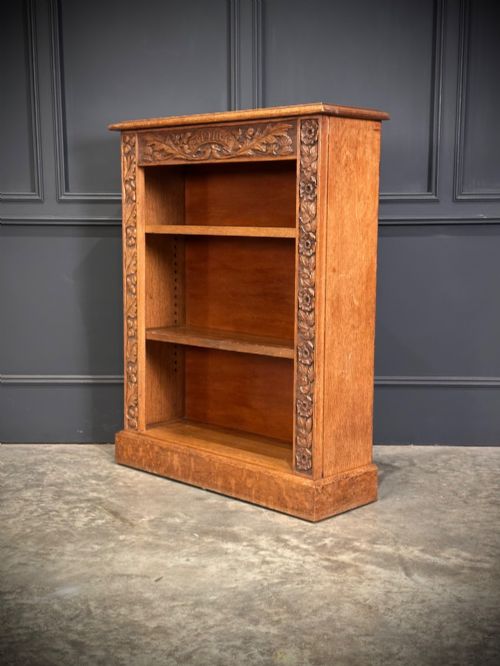
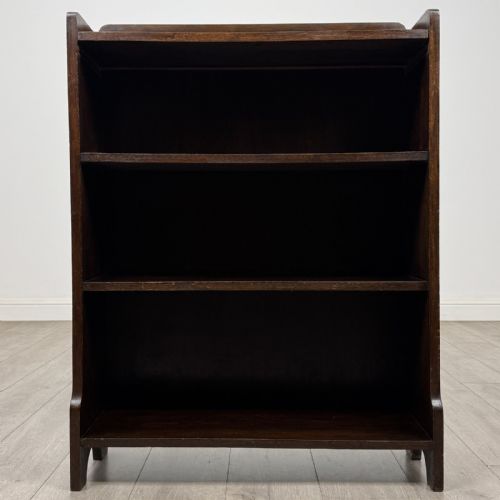

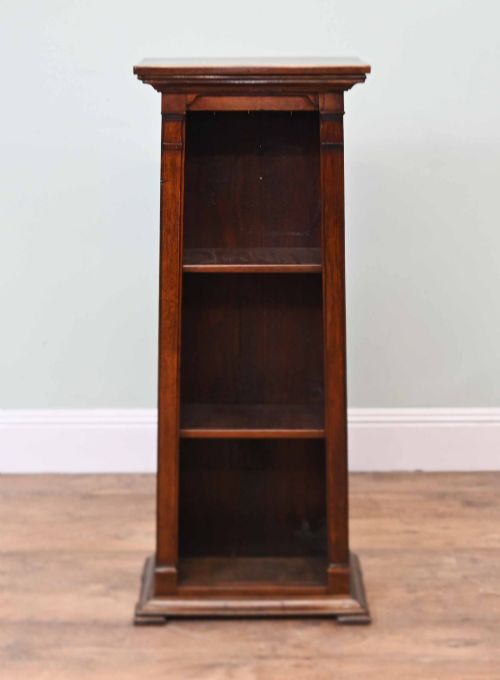
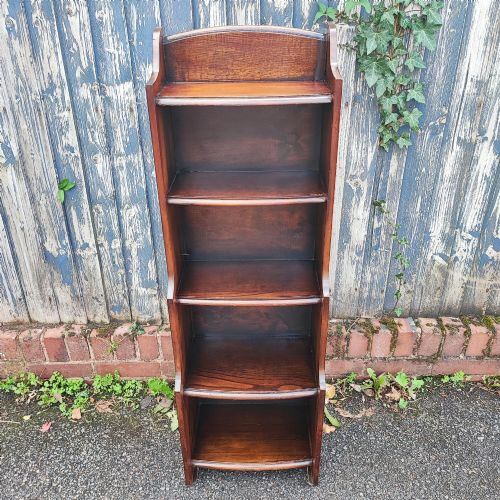
Brown Wood Open Shelving
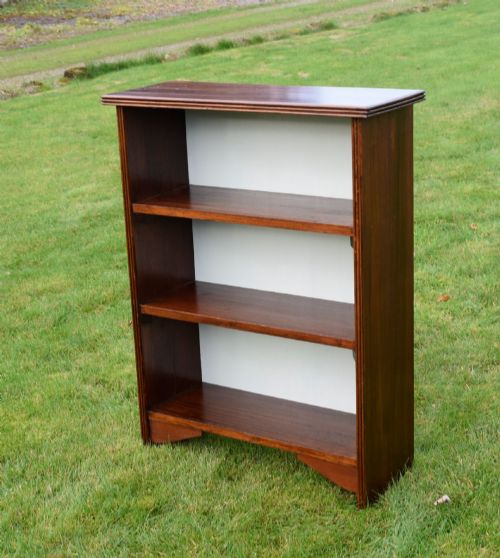
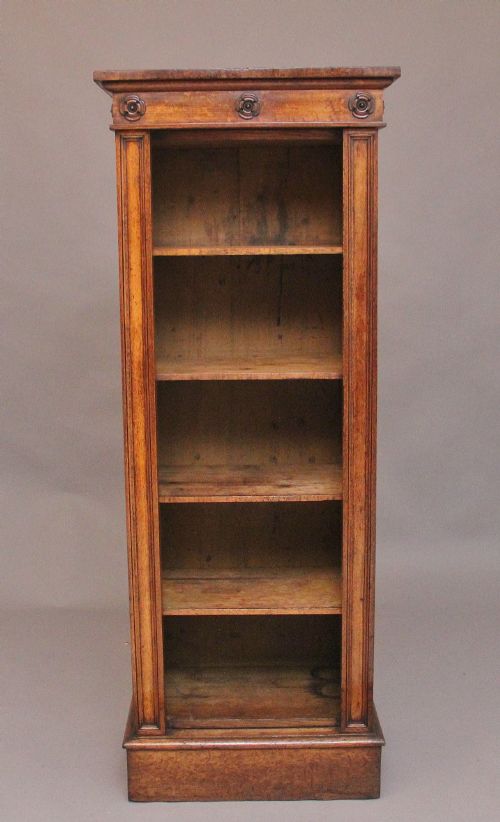
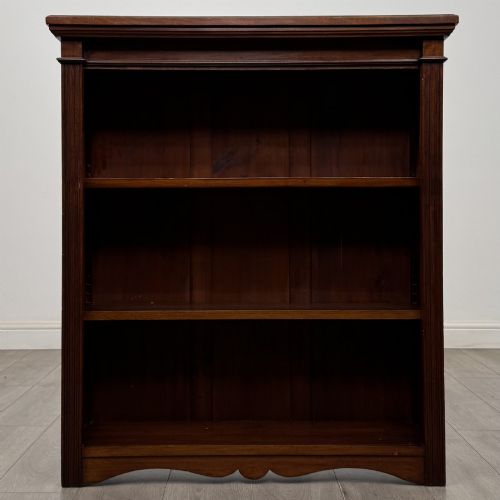
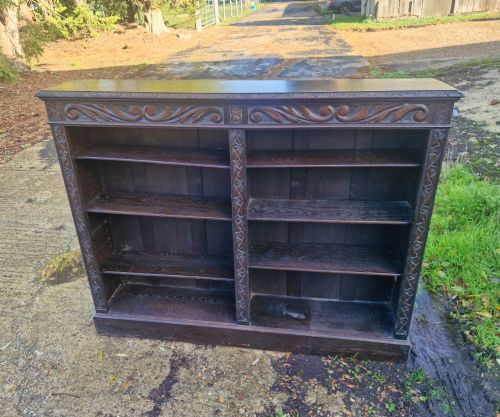
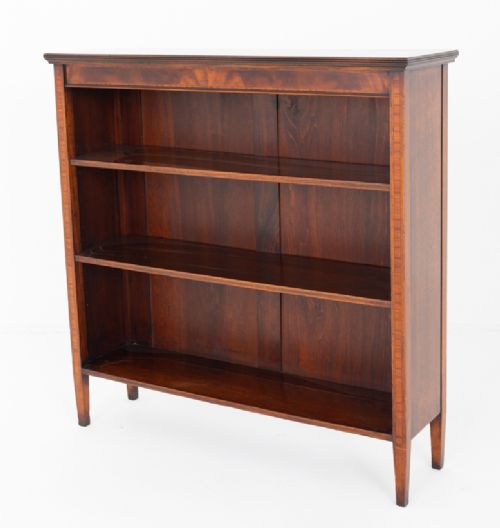
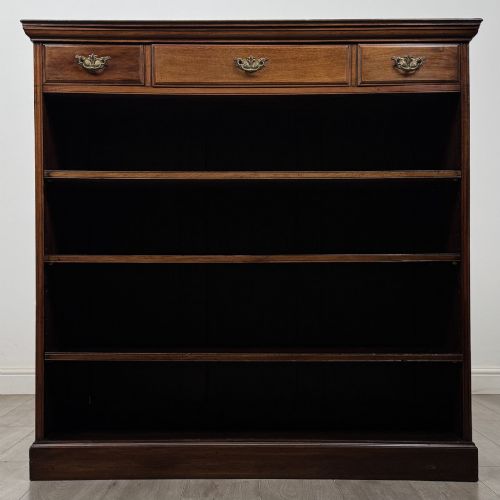
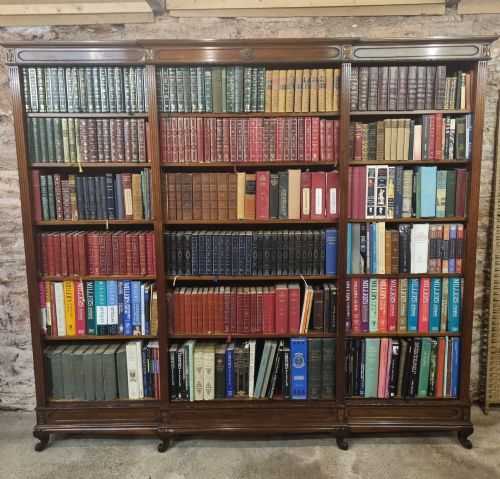
Brown wood open shelving brings practical display space into a room, offering sturdy shelves for books and collections.
Brown Wood Open Shelving
When you search for brown wood open shelving, you are looking at practical display and storage furniture designed to hold books and decorative objects without blocking sightlines. These pieces span centuries of cabinetmaking, with Victorian, Edwardian, and early 20th century examples appearing frequently alongside earlier George III and Regency forms.
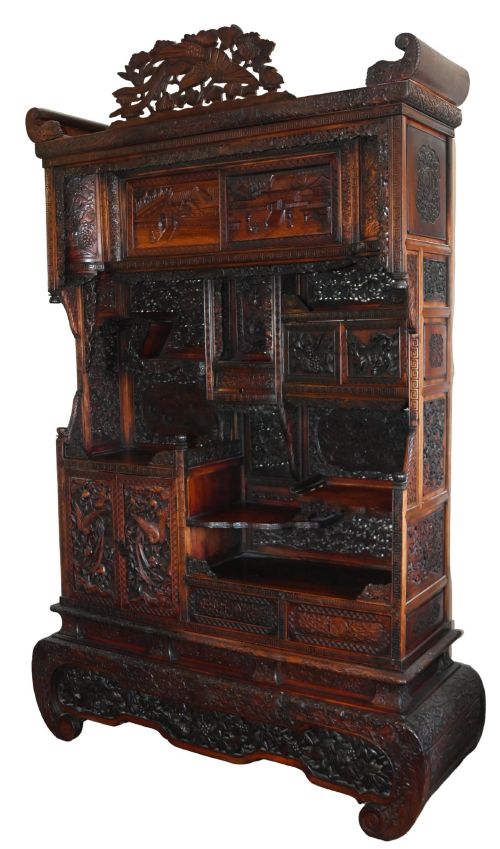
The objects take several distinct shapes on this page, including open bookcases, multi-tiered whatnots, dressers, and waterfall bookcases. Oak and mahogany dominate the selection, providing the robust structure required for open shelving units.
Most items you will encounter date from the nineteenth and early twentieth centuries, reflecting the domestic expansion of libraries and studies during those periods. Walnut, pine, and exotic timbers also appear, offering varied tones and grain patterns within the brown wood spectrum.
How they were made
Cabinetmakers built these pieces using solid timbers and decorative veneers applied to secondary woods, selecting mahogany, oak, and walnut for their strength and grain. Joinery relied on traditional methods such as dovetails for drawers and mortise and tenon joints for frames.
Surfaces received finishes like French polish or wax, which protected the wood while enhancing its natural figure. Brass hardware, including castors and handles, provided functional and decorative accents on pieces from the Regency period onward.
Brown Wood Open Shelving Retail Price Guide 2026
Typical asking prices for brown wood open shelving among the pieces listed under this phrase on Sellingantiques today, from the lower quarter to the upper quarter. They describe what is for sale here now, not the wider market.
Several pieces include brass castors, letting you wheel your entire library across the floor with minimal effort.
What varies in quality
The grade of timber and the precision of the joinery separate standard utility pieces from exceptional cabinetwork. Fine examples feature carefully selected wood grains, such as burr walnut or figured mahogany, matched symmetrically across drawer fronts and panels.
Carved ornamentation and inlay work indicate the maker's skill, ranging from simple bead edges to elaborate boxwood stringing and carved mahogany motifs. Structural refinements, such as adjustable shelving systems and solid brass castors, also distinguish higher tier pieces.
The Brown Wood Open Shelving Glossary
- Whatnot
- A piece of furniture consisting of a set of open shelves for displaying small objects, popular in the Victorian period. These tiers are often supported by slender columns or uprights.
- Waterfall bookcase
- A standing set of open shelves where each successive shelf is set back from the one below, creating a stepped profile. This form appeared frequently in mahogany during the nineteenth century.
- Inlay
- A technique of ornamenting a wooden surface by inserting pieces of contrasting materials, such as satinwood or boxwood. This method was widely used during the Edwardian era to define borders and panels.
- Ormolu
- Gilded bronze mounts applied to furniture for decorative effect, seen on pieces influenced by French styles. These metal ornaments accent corners, aprons, and uprights.
- Dwarf bookcase
- A low open bookcase designed to sit beneath dado height, allowing books to be accessed easily. They often feature adjustable shelving to accommodate various volumes.
Brown Wood Open Shelving: Frequently Asked Questions
Where should I place an open bookcase?
These units suit studies, living rooms, and hallways where quick access to books and displayed items is needed. Their open sides keep smaller rooms feeling light.
Ensure the piece rests on a level floor, and use wall fixings for taller oak or mahogany bookcases to prevent tipping.
How do I adjust wooden shelves?
Many nineteenth and twentieth century bookcases feature adjustable wooden shelves supported on brass pins or ratchet strips. You simply lift the shelf to clear the supports and reposition them.
Take care when moving older shelves within walnut or mahogany carcases to avoid scratching the interior timber walls.
What is the difference between a whatnot and a bookcase?
A bookcase is built primarily for storing books, featuring deeper and often fixed or adjustable shelves. A whatnot is typically lighter, designed to display ornaments, ceramics, and small objects across multiple open tiers.
Both forms use similar woods like mahogany and walnut, but the whatnot often includes slender turned supports.
How do I care for antique wood surfaces?
Dust the timber regularly with a dry, soft cloth and apply a coat of beeswax periodically to nourish the polished surface. Avoid placing wooden furniture in direct sunlight or near heat sources.
Keeping the room at a stable humidity prevents the mahogany, oak, or walnut from shrinking and splitting over time.