



Brown Wood Hook
A brown wood hook offers sturdy everyday utility, bringing practical hanging space and rich period character to hallways and cloakrooms.
Brown Wood Hook
When you search for a brown wood hook, you encounter practical hardware and wall fixtures designed for hanging coats, hats, and everyday items. These pieces span utility and decorative furnishings from the nineteenth century through the early twentieth century.
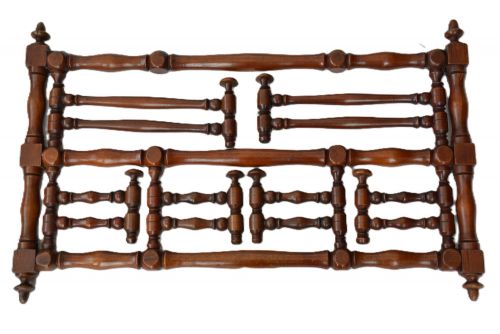
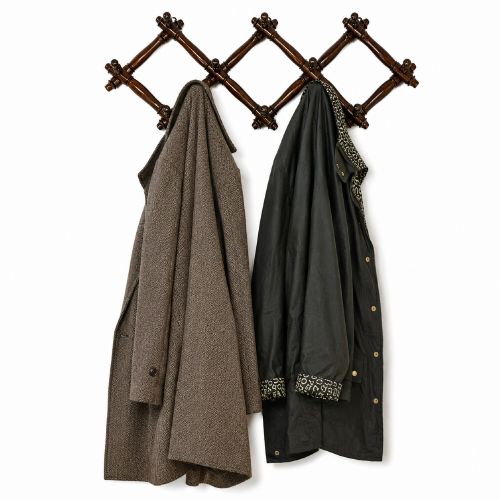
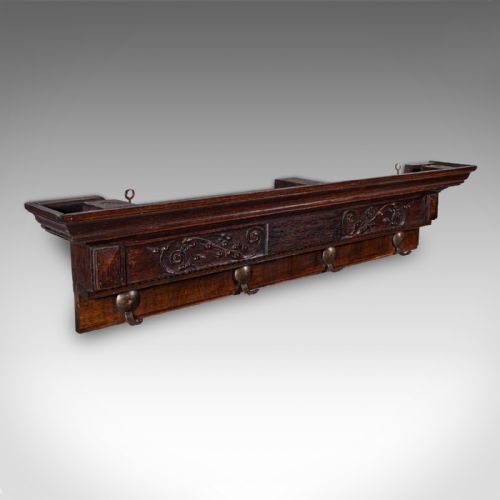
The most common formats on this page include wall-mounted coat racks, individual wall hooks, and substantial hall stands incorporating wood and metal elements. Many examples originate from European and English country houses, reflecting domestic life and utilitarian needs of the period.
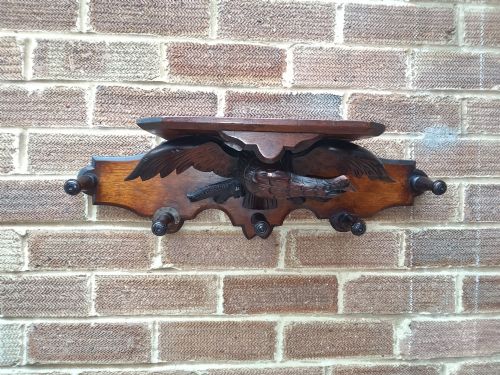
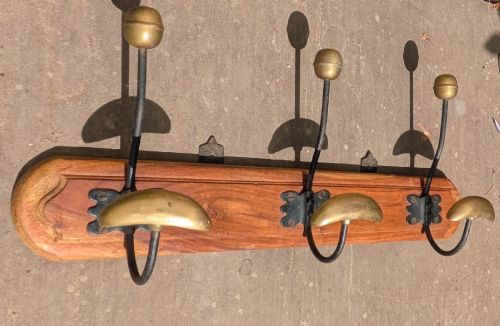
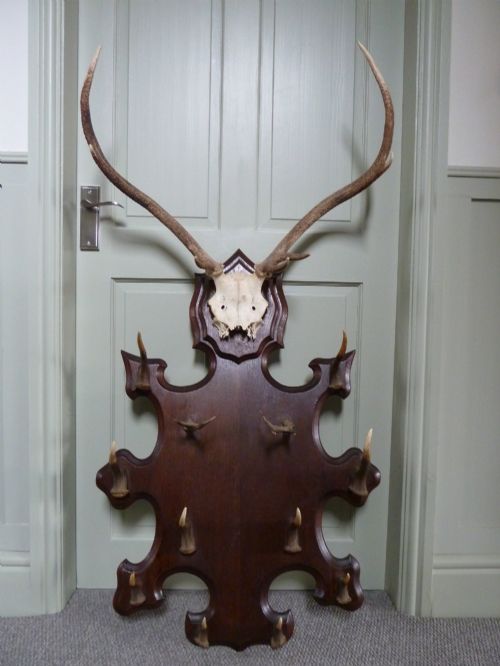
Makers often combined functional timber backboards with cast brass, iron, or horn fixtures to create durable hanging solutions for hallways and reception rooms. Pieces range from simple rustic boards to elaborate carved designs associated with Black Forest and Victorian country house styles.
Assessing quality and craftsmanship
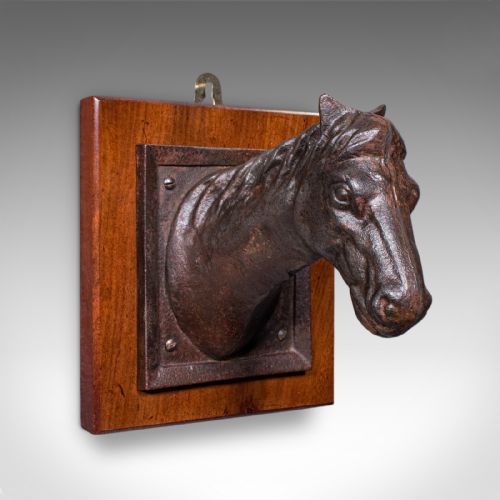
Quality in these hanging fixtures depends on the depth and precision of hand carving, particularly in figurative Black Forest pieces featuring animal heads and natural motifs. Crisp detailing in the timber work distinguishes superior workshop production from simpler utilitarian items.
The choice of materials and the integrity of the original hardware also determine the standard of the piece. Well-preserved timber patination and sturdy metal hooks indicate careful historical use and durable construction.
Brown Wood Hook Retail Price Guide 2026
Typical asking prices for brown wood hook among the pieces listed under this phrase on Sellingantiques today, from the lower quarter to the upper quarter. They describe what is for sale here now, not the wider market.
Listings feature oak, beech, and linden wood alongside brass and cast iron fixtures.
The Brown Wood Hook Glossary
- Black Forest
- A style of wood carving originating from the mountainous regions of central Europe, characterised by realistic animal forms and naturalistic foliage. Pieces typically utilise Linden wood or walnut.
- Bent wood
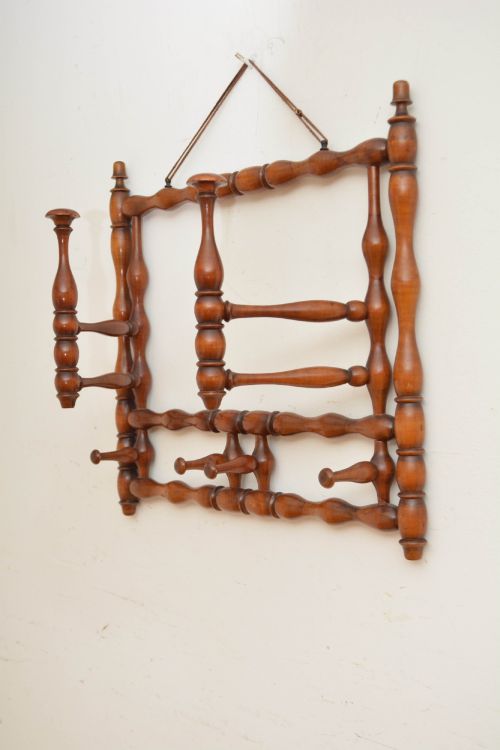
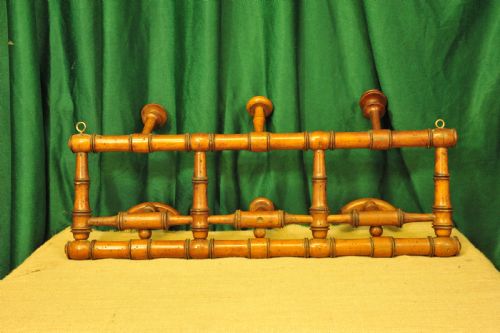
- Timber shaped by exposure to steam, allowing craftsmen to create curved structural members without joints. This technique produced flexible and resilient coat racks.
- Hall stand
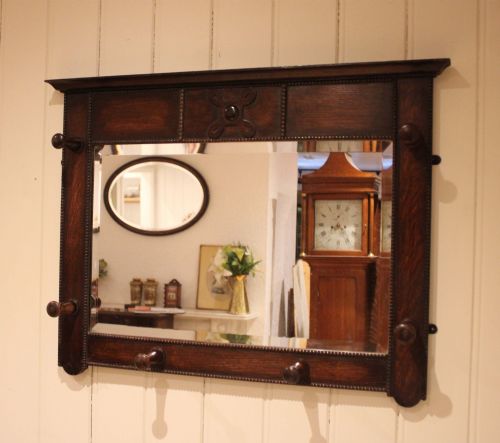
- A large piece of hallway furniture combining coat hooks, a mirror, and umbrella storage, often incorporating a small shelf or seat. They served as central organisational points in period entranceways.
- Kitchenalia
- Domestic utensils and functional items used in the preparation and storage of food. This category includes wall-mounted hooks and small wooden boards designed for kitchen utility.
- Architectural salvage
- Building elements and fixtures rescued from older structures for reuse or display. These items often retain distinct signs of age and original industrial or domestic context.
Brown Wood Hook: Frequently Asked Questions
How do I hang a heavy coat rack securely?
Most wall-mounted racks require direct fixing into wooden wall studs or solid masonry using appropriate screws and wall plugs. Distributing the load evenly across multiple mounting points ensures the timber backboard remains secure under heavy garments.
Check the spacing of the pre-drilled holes or hanging brackets on the back of the piece before installation. Using sturdy hardware prevents the wood from splitting or pulling away from the wall over time.
What is the difference between a hall stand and a coat rack?
A hall stand is a freestanding or large wall-mounted piece of furniture that typically includes a mirror, umbrella stands, and multiple coat hooks. These items were designed to anchor the entrance hall of a period home.
A coat rack is a simpler, linear board designed solely to be mounted directly onto a wall surface for hanging garments. Racks take up less floor space and focus entirely on utilitarian hanging capacity.
How should I clean antique wood and brass hooks?
Dust the timber regularly with a soft, dry cloth to prevent dirt accumulation in carved recesses and joints. Avoid harsh chemical cleaners that can strip the historic patination from the wood.
Brass and iron fixtures can be wiped gently with a damp cloth if necessary, leaving the aged metal finish intact. Preserving the natural surface wear maintains the historical character of the piece.
How can I tell a Victorian rack from an Edwardian one?
Victorian pieces often display heavier timber construction, darker finishes, and more elaborate or rustic ornamentation such as stags' horns or deep hand carvings. The overall aesthetic leans towards robust utility or ornate country house display.
Edwardian designs tend to exhibit lighter woods, cleaner lines, and simpler geometric forms reflecting changing domestic tastes at the turn of the century. Hardware on Edwardian pieces may also show more standardised manufacturing techniques.