




Brown Wood Extendable Table
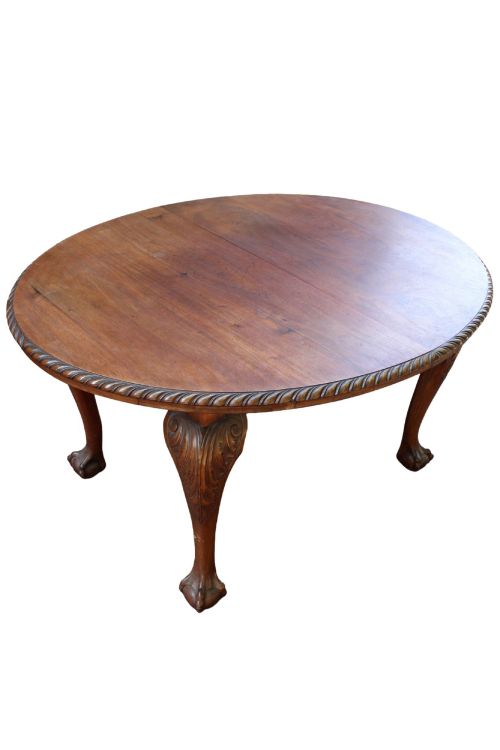
A brown wood extendable table brings solid mahogany, oak and walnut into the dining room for gatherings of any size.
Brown Wood Extendable Table
A brown wood extendable table is primarily a dining table designed to seat groups by means of removable leaves or draw mechanisms. Most examples encountered here date from the Georgian, Regency and Victorian eras through to the early twentieth century.
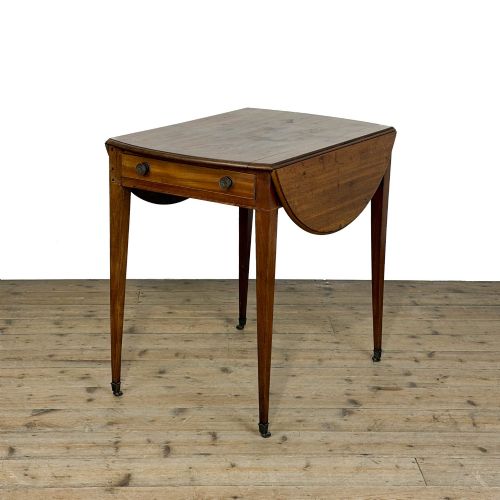
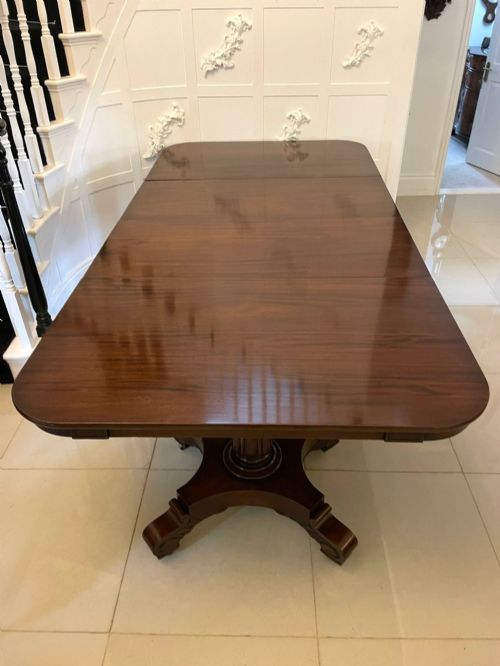
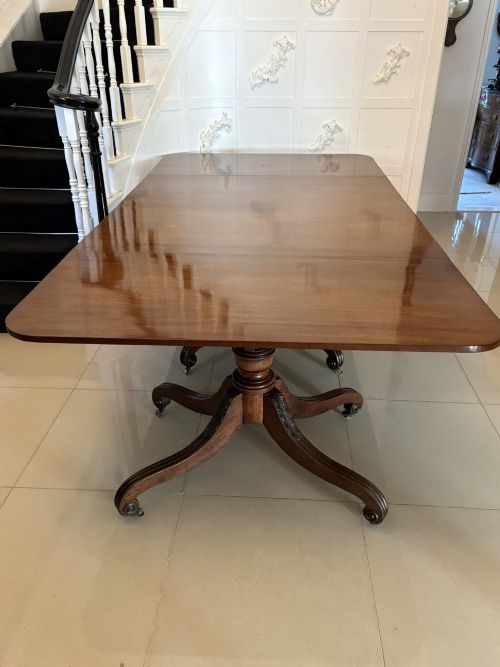
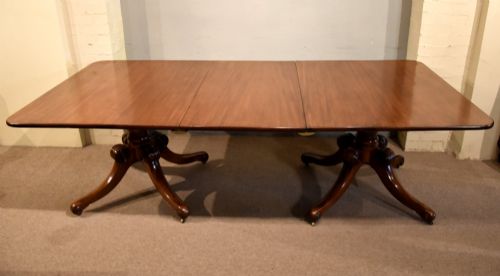
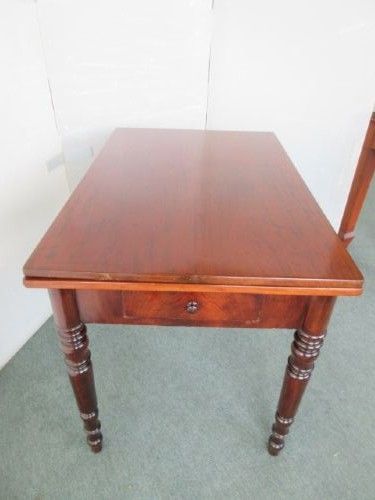
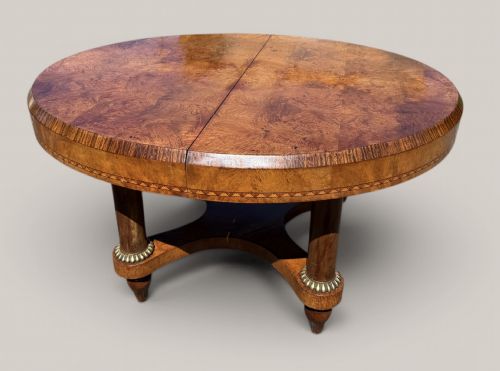
The forms span multiple formats, including multi-pillar pedestal designs, gateleg tables, drop-leaf tables and Pembroke tables. Mahogany predominates among the surviving pieces, accompanied by oak, walnut, burr walnut and cherry.
Makers and workshops of the period, from Gillows to Maple & Co, produced these practical domestic pieces in various styles such as Sheraton Revival, Queen Anne Revival and George III.
How they were made
Cabinet makers utilised dense timber stocks such as flame mahogany, Cuban mahogany and burr walnut, often laid as veneers over secondary woods to create figured surfaces. Solid oak and cherry appear in gateleg and drop-leaf variations.
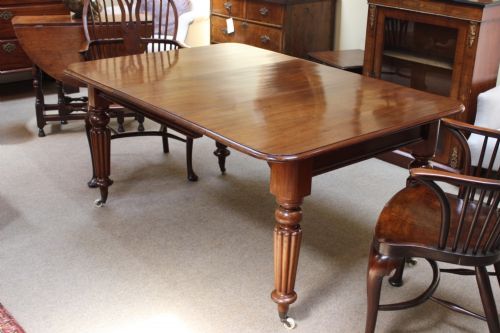
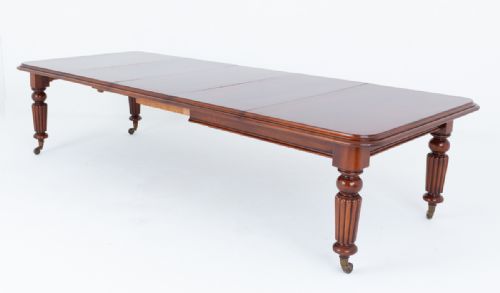
Extension systems rely on timber runners, draw leaves, drop leaves and central pillars with brass castor feet that allow the sections to move apart smoothly for additional leaves.
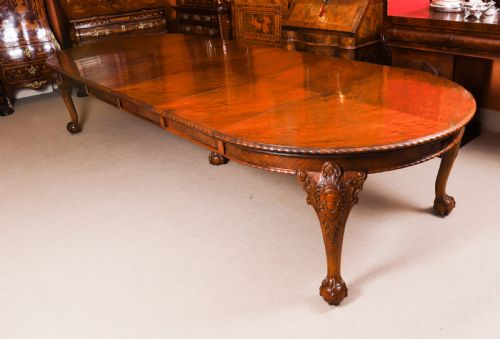
Some extendable tables stretch past fifteen feet, requiring considerable space and perhaps an enthusiastic family to fill every seat.
What varies in quality
The calibre of a brown wood extendable table rests on the selection of timber figure, such as flame or burr grain, and the harmony of the matched leaves when fully opened. Construction integrity in the pedestal bases and the smooth operation of the extension mechanism also set finer examples apart.
Gillows·Maple & Co·Whytock & Reid of Edinburgh
The Brown Wood Extendable Table Glossary
- Pedestal table
- A table supported by one or more central columns rather than corner legs. These pillars often terminate in brass castors.
- Draw leaf table
- A table with self-contained leaves stored beneath the main top that pull out from the ends. This system allows quick expansion without storing separate loose boards.
- Gateleg table
- A table with hinged flaps supported by swinging legs that pivot like a gate. It folds down compactly when not in use.
- Flame mahogany
- Timber sliced to reveal a distinctive flickering grain pattern resembling flames. Cabinet makers prized this for prominent table surfaces.
- Pembroke table
- A small rectangular table with two hinged drop leaves on opposing sides. It often includes a single drawer and slender legs.
Brown Wood Extendable Table: Frequently Asked Questions
How do I add leaves to these tables?
Most multi-pillar tables separate at the centre to accept drop-in leaves held with brass clips or wooden pegs. Winding handles often operate the screw mechanism on nineteenth-century extending versions.
Simpler drop-leaf and gateleg formats rely on folding flaps and swinging supports rather than removable centre sections.
Are these tables suitable for daily use?
Solid timber construction and sturdy pedestals make these pieces robust enough for everyday dining. Regular polishing helps protect the polished wood surface from daily wear.
Using heat mats and coasters prevents marks on the antique polish while keeping the timber functioning smoothly.
How do I tell Regency from Victorian tables?
Regency tables typically feature clean classical lines, brass reeded details and pillar supports influenced by ancient designs. They date from the early nineteenth century and frequently use rich mahogany.
Victorian pieces often offer larger seating capacities, heavier proportions and darker finishes, sometimes incorporating elaborate carving or draw-leaf mechanisms.
What woods were used for these tables?
Mahogany is the primary timber found across Georgian, Regency and Victorian examples, often selected for its deep colour and fine grain. Burr walnut and flame mahogany appear on higher-status formal dining tables.
Oak and cherry occur more frequently in earlier gateleg and drop-leaf formats designed for robust domestic use.