


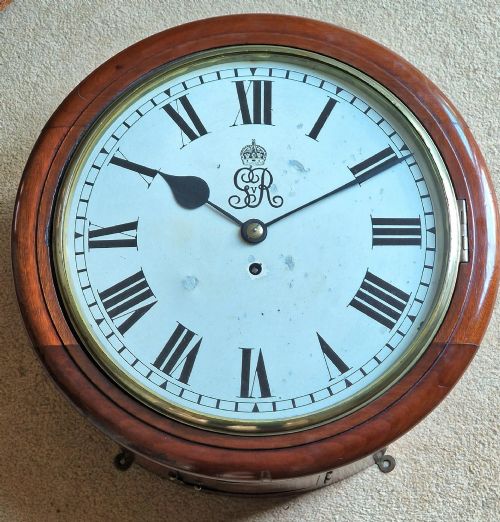


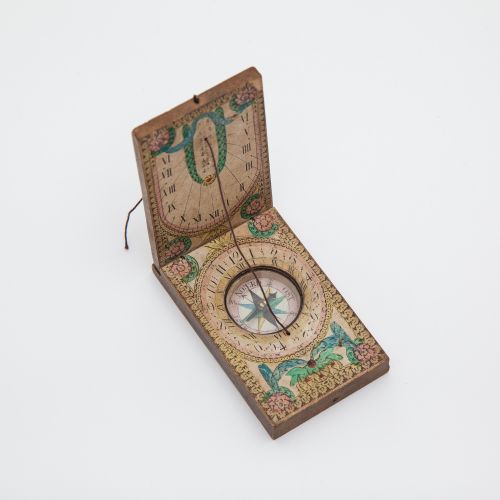

Brown Wood Dial Clock
A brown wood dial clock brings the steady rhythm of traditional timber and brass to a wall, cabinet, or hallway.
Brown Wood Dial Clock
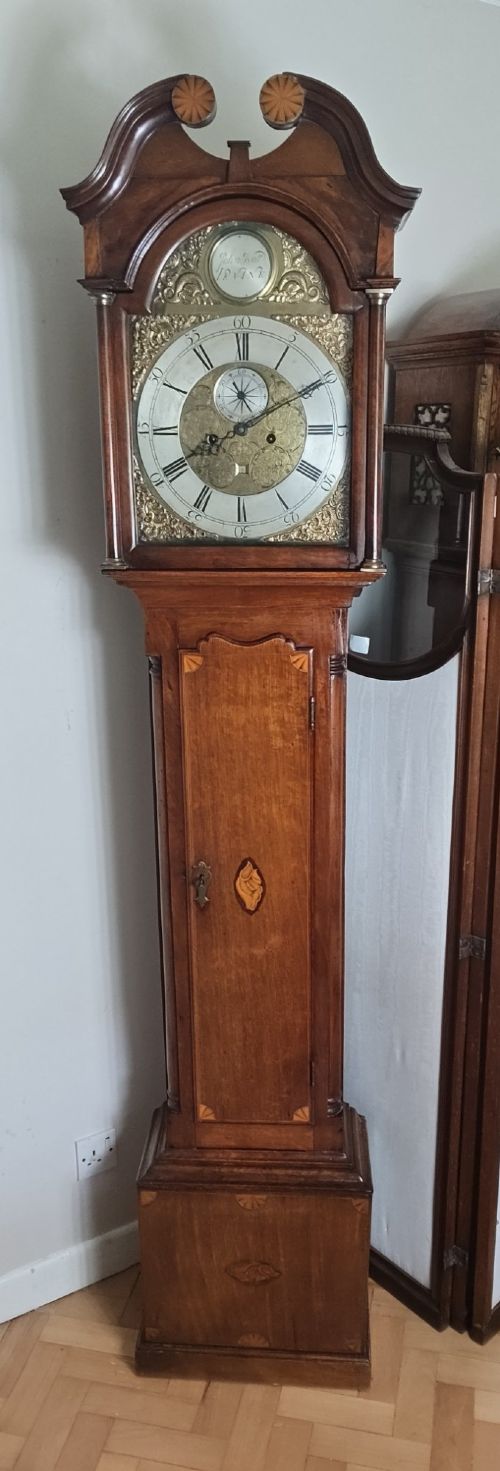
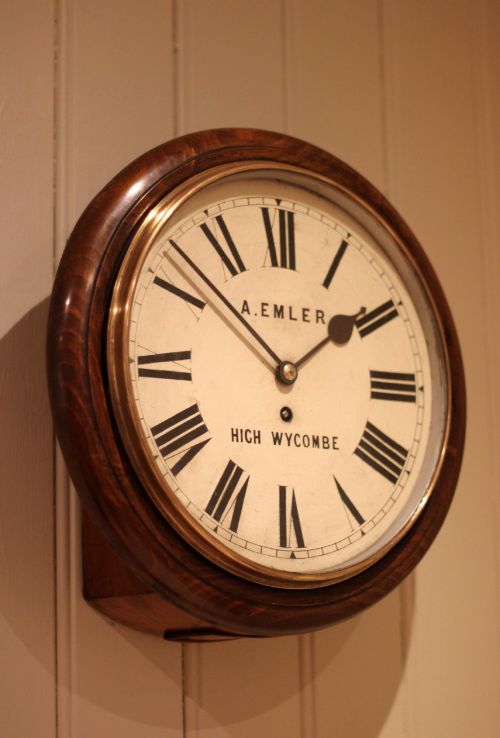
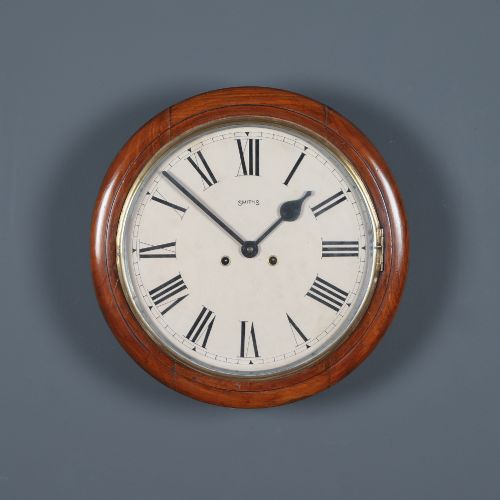
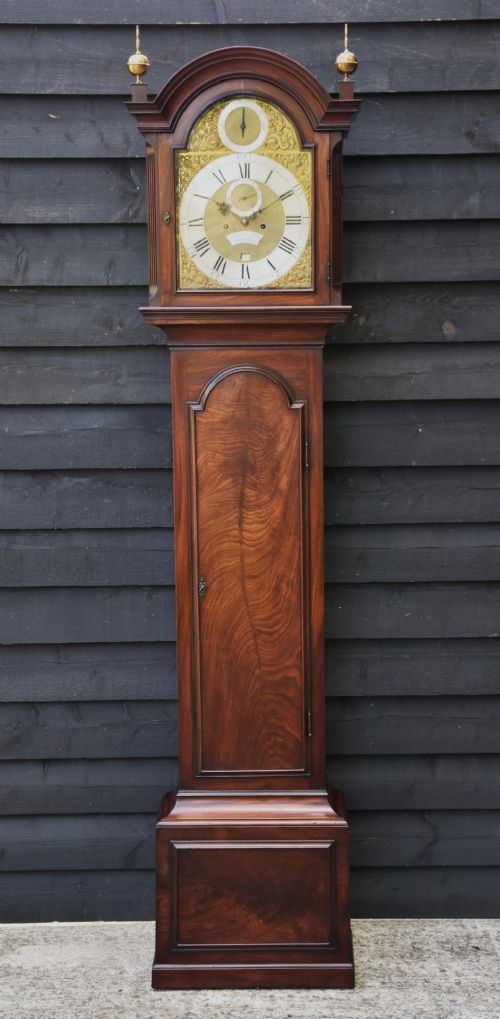
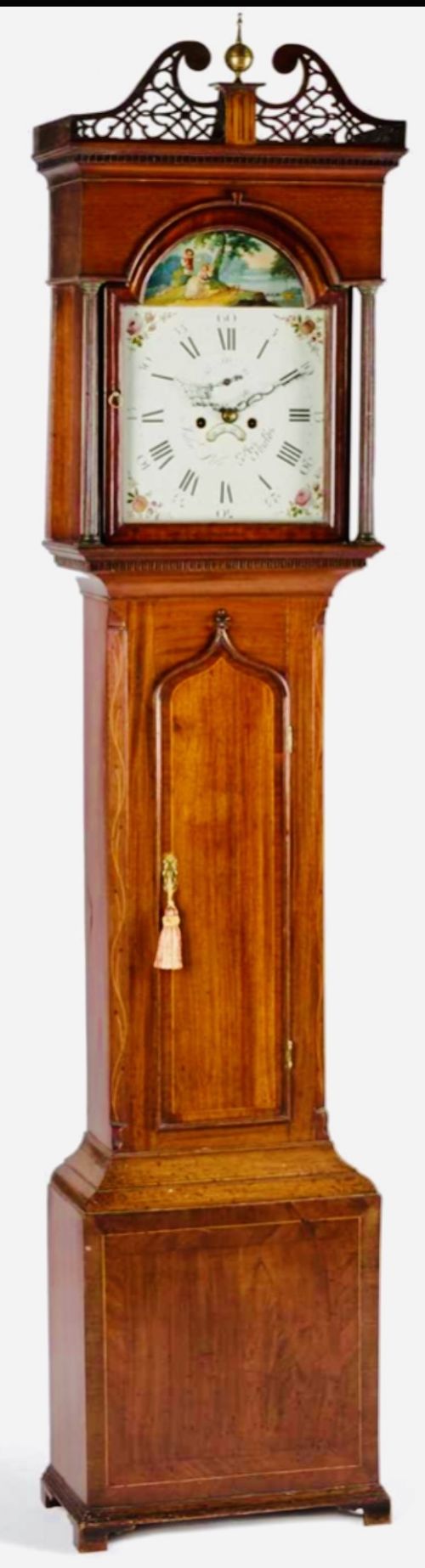
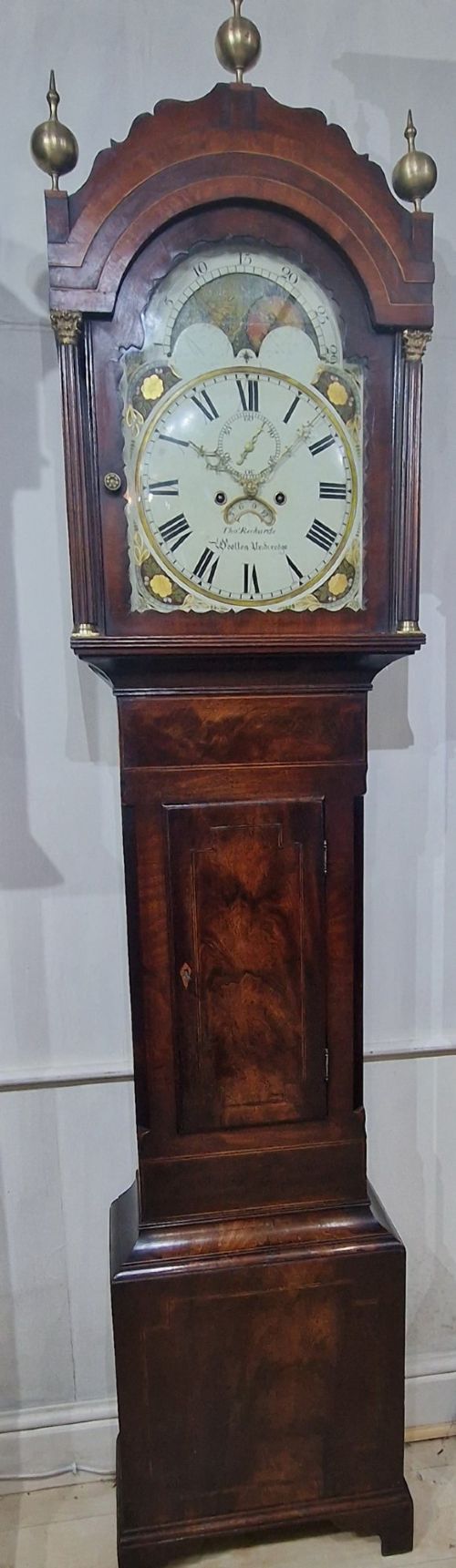
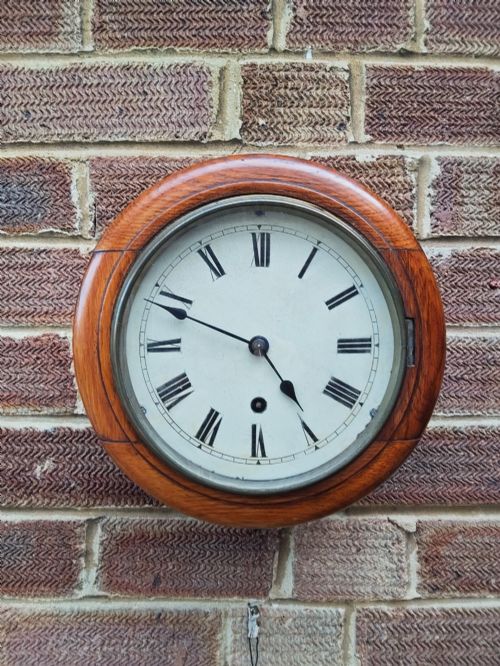
A brown wood dial clock encompasses several distinct timekeeping forms found across this selection, from prominent wall clocks with circular faces to tall floor-standing longcase examples and smaller mantel pieces. The pieces span periods from the Georgian era through the Victorian years and into the early twentieth century.
Most frequent among these listings are wall-mounted round dial clocks and tall grandfather clocks housed in rich timber cases. They reflect centuries of British cabinet-making and horological trade, utilising woods such as mahogany, oak, and walnut to frame the circular dial face.
How they were made
Horologists and cabinet-makers built these timepieces using dense hardwoods like mahogany, oak, and walnut for the structural cases and dial surrounds. Iron, brass, and steel components formed the intricate gear trains, fusee movements, and striking mechanisms housed within.
Dial faces incorporated painted metal, glass covers, and brass bezels, often with delicate hand-painted numerals or applied markers. Carpenters shaped the wood through traditional joinery, occasionally adding inlay, marquetry, or carved details to the longcase trunks and wall surrounds.
Listings for a brown wood dial clock feature materials spanning mahogany, oak, walnut, brass, glass, and painted metal across the 18th, 19th, and 20th centuries.
What varies in quality
The standard of a brown wood dial clock rests on the crispness of the timber cabinet-work and the precision of the internal movement. Clocks featuring secondary woods carefully selected alongside primary mahogany or walnut display superior craftsmanship.
Execution of the dial itself differentiates standard pieces from exceptional ones, particularly where hand-painted numerals, moon rollers, or secondary subsidiary dials are present. The integration of reliable fusee movements rather than simpler gear trains further elevates the horological worth.
Mappin & Webb·Richard Biggs·Richard Alexander·James Coster·Dan Williams·W Prior·Seikosha Seiko·Matt Wylie
The Brown Wood Dial Clock Glossary
- Fusee
- A conical pulley used in mechanical clocks to maintain an even pull on the gear train as the mainspring unwinds. This mechanism ensures more accurate timekeeping throughout the duration of the wind.
- Longcase clock
- A tall pendulum clock enclosed in a wooden case consisting of a trunk and a hood. These pieces are often referred to colloquially as grandfather clocks.
- Drop-dial clock
- A wall clock featuring a circular dial mounted above a short wooden trunk or drop box that houses the pendulum. They were commonly utilised in offices, railway stations, and schools.
- Bracket clock
- A portable table or shelf clock originally designed to sit on a bracket. Many examples feature striking mechanisms and brass carrying handles.
- Dial
- The visible face of the clock upon which the hours and minutes are indicated by hands. In these pieces, dials are typically circular and protected by a glass bezel.
Brown Wood Dial Clock: Frequently Asked Questions
What is a brown wood dial clock?
A brown wood dial clock is a timepiece housed in timber such as mahogany, oak, or walnut, featuring a prominent circular face. These items range from wall-mounted office clocks to tall grandfather and mantel pieces.
They reflect centuries of joinery and horological design, utilising brass and iron movements behind glass-covered dials.
How do I wind a fusee clock?
Winding a fusee clock requires inserting a key into the dial winding hole and turning it gently until resistance is met. Care should be taken not to over-wind the mechanism.
Consulting the specific movement requirements ensures the brass gear trains and internal springs remain in good working order.
Where were these clocks used?
These timepieces served practical and decorative functions in domestic hallways, formal rooms, and public institutions. Wall-mounted dial versions were common in railway stations and schools.
Longcase and bracket variations occupied domestic spaces, acting as both central timekeepers and statement pieces of furniture.
How do I date a wooden clock?
Dating a wooden clock involves examining the timber species, construction methods, and dial style. Georgian and Victorian pieces often display distinct cabinet-making techniques and proportions.
Signatures or names inscribed on the dial face or movement backplate also help trace the piece to a specific era or maker.