





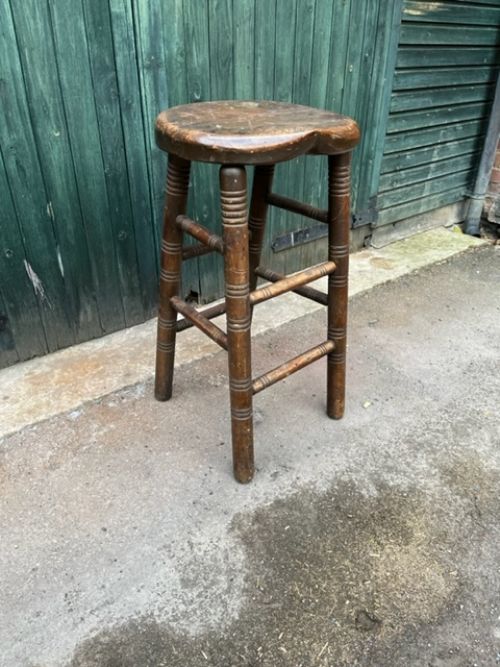


Brown Wood Counter
A brown wood counter brings immediate commercial character to a room, offering practical surface space rooted in nineteenth and early twentieth-century retail history.
Brown Wood Counter
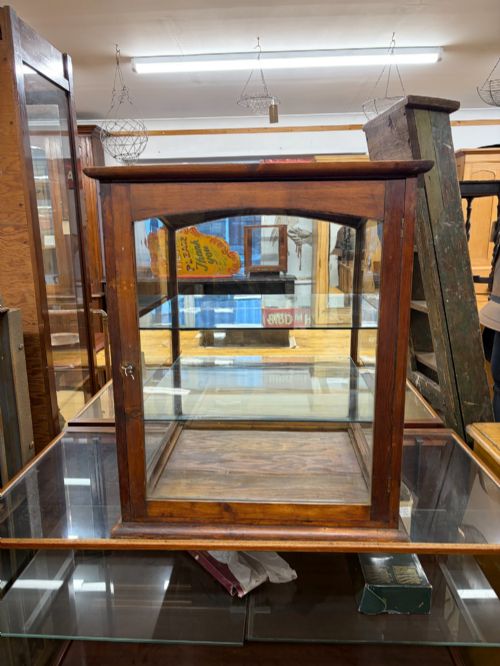
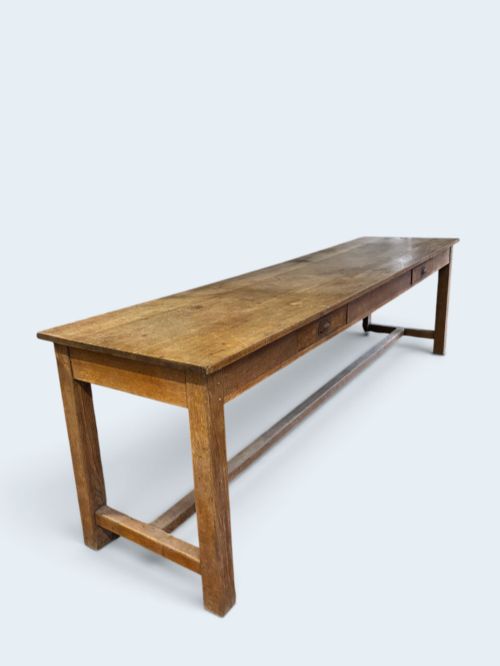
A brown wood counter comprises heavy shop furniture and retail display cabinets built to serve customers in pharmacies, general stores, and post offices during the nineteenth and early twentieth centuries. These functional timber fixtures were designed for daily commercial endurance, often featuring glazed display sections or banks of drawers to organise goods.
Buyers seeking a brown wood counter most frequently encounter mahogany and oak examples dating from the Victorian and Edwardian periods, alongside utilitarian sorting tables and serving tables. These pieces combine robust timber construction with practical storage solutions suited to modern domestic or retail interiors.
How they were made
Makers constructed these counters and cabinets using dense hardwoods such as mahogany, oak, walnut, elm, and sycamore, often combining glazed glass panels for merchandise display. Joinery techniques prioritised rigidity and strength to withstand the heavy daily demands of Victorian and Edwardian commerce.
Hardware additions like brass adjustable feet, iron brackets, and turned wooden handles provided essential structural support and operational utility. Surfaces received polished finishes to protect the timber against constant handling and exposure in busy shops.
Brown Wood Counter Retail Price Guide 2026
Typical asking prices for brown wood counter among the pieces listed under this phrase on Sellingantiques today, from the lower quarter to the upper quarter. They describe what is for sale here now, not the wider market.
What varies in quality
Quality in these commercial fixtures depends on the selection of primary timbers and the integrity of the original joinery rather than mere decorative flourish. Dense hardwoods like mahogany and figured oak display superior grain structure and structural resilience compared to softer utility woods.
The sophistication of internal organisation, such as graduated drawer configurations and intact glazed display compartments, distinguishes standard utilitarian counters from finer retail display pieces. Original hardware, including brass fittings and makers' signage, elevates the historical integrity of the piece.
Kemps Pharmacy Chemist And Opticians·Cadbury's Cocoa
The Brown Wood Counter Glossary
- Mahogany
- A dense, reddish-brown tropical hardwood prized for its stability and fine grain, frequently utilised in high-end nineteenth-century shop counters and display cabinets. This timber resists warping and takes a high polish.
- Display cabinet
- A glazed furniture piece designed to showcase merchandise or collections while protecting them from dust and handling. These units often form the upper tier of a retail counter.
- Apothecary box
- A specialist storage container partitioned for medicines, vials, or powders, constructed with tight-fitting wooden joints. These boxes reflect the precise organizational needs of nineteenth-century chemists.
- Dished top
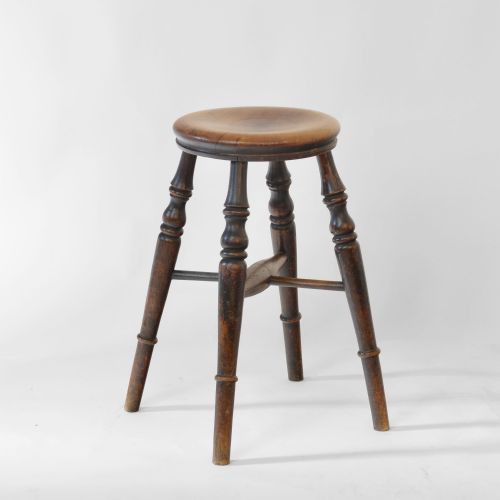
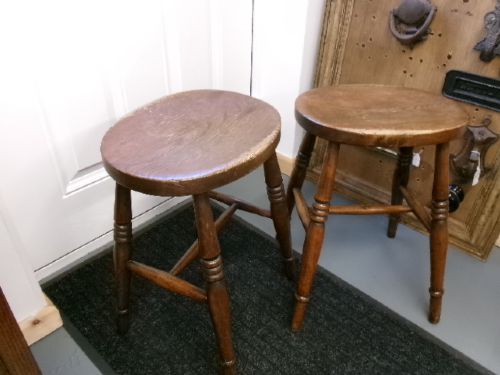
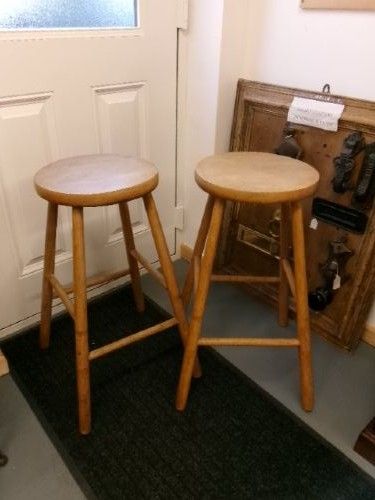
- A seat or surface carved with a concave depression for ergonomic comfort, commonly found on nineteenth-century tavern and workshop stools. This shaping distributes weight evenly for prolonged seating.
- Haberdashery
- A retail trade dealing in small items of sewing and dressmaking, which utilised specialised multi-drawer cabinets for organising threads and ribbons.
Brown Wood Counter: Frequently Asked Questions
How were shop counters used historically?
Shop counters served as the primary physical barrier between merchants and customers, providing a sturdy work surface for wrapping goods and conducting transactions. Many incorporated integrated display glazing or sorting drawers to showcase small wares directly at the point of sale.
In specialised settings like pharmacies and post offices, these counters doubled as administrative hubs and secure storage units for valuable stock. Their robust timber construction ensured they could endure decades of heavy commercial use.
Where can I place a shop counter today?
A large wooden counter functions effectively as an island unit in a spacious kitchen or as a reception desk in a commercial office. Their substantial timber surfaces provide practical workspace while adding distinct historical character to an interior.
Smaller display cabinets and counter sections fit well in living rooms or studies for exhibiting collections of smaller objects. Placing them away from direct heat sources helps preserve the antique timber and original glass.
How do I identify Victorian and Edwardian pieces?
Victorian pieces typically display heavier proportions, rich dark mahogany or walnut timbers, and traditional hand-cut joinery. Their design often emphasises formal period styling adapted for commercial utility.
Edwardian examples often feature lighter oak frames, cleaner lines, and simpler glazing bars reflecting a shift toward brighter shop interiors. Adjustable brass feet and standardised hardware frequently appear on pieces from this later era.