




Brown Walnut Book Shelves
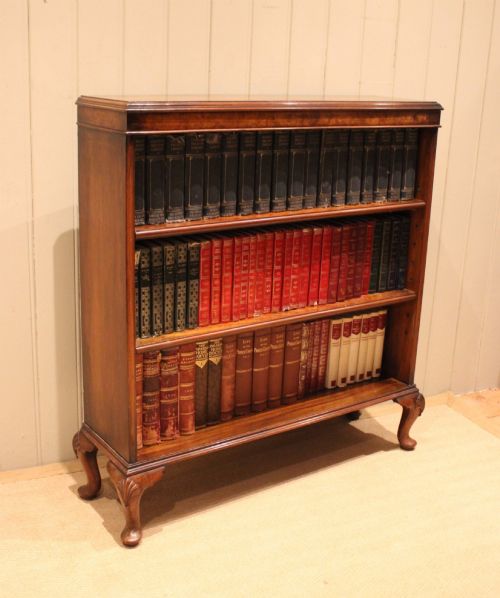
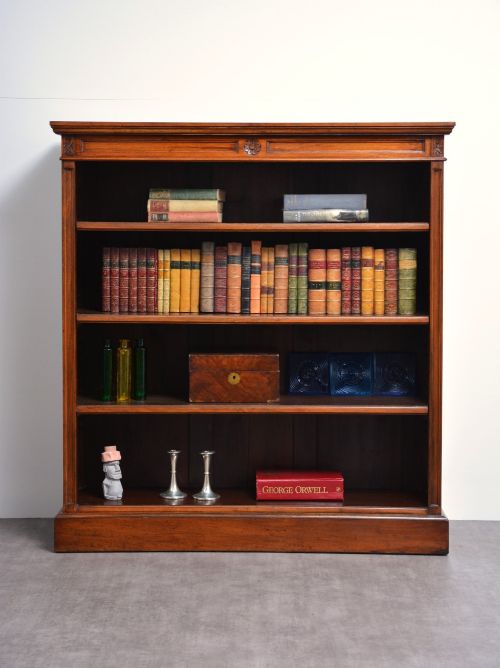
These brown walnut book shelves bring warmth and upright utility to a room, offering adaptable open storage built from rich timber.
Brown Walnut Book Shelves
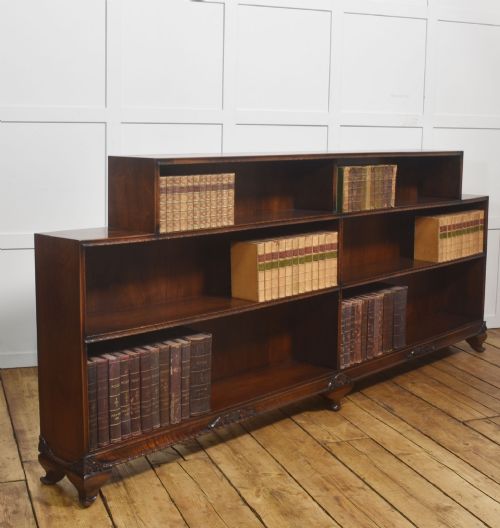
When buyers search for brown walnut book shelves, they find sturdy timber furniture designed to hold libraries in domestic spaces. These pieces span the nineteenth century into the twentieth century, appearing in forms from low open cabinets to tall breakfront libraries.
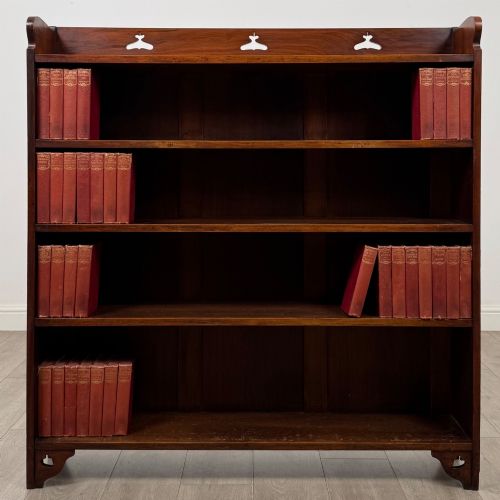
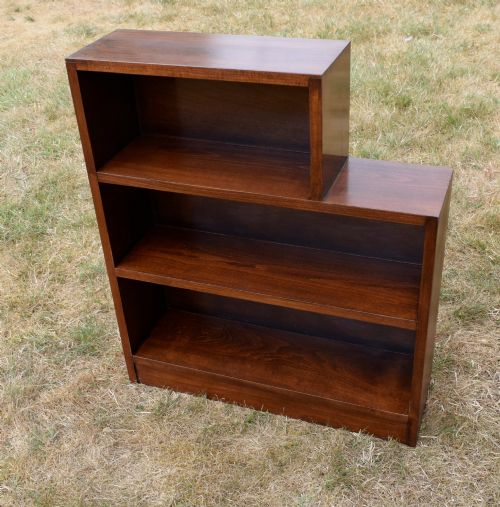
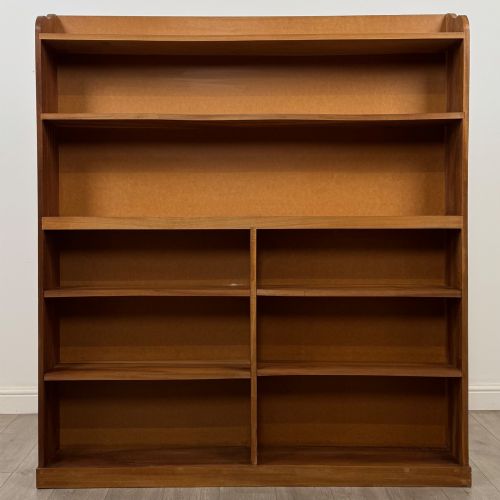
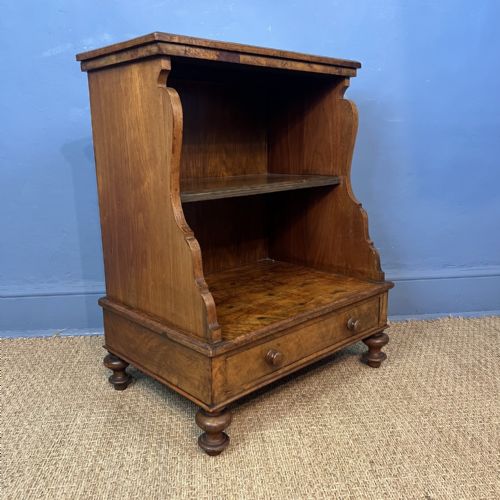
The most common format on this page is the open bookcase, often fitted with adjustable timber shelves to accommodate varying volumes. Alongside standard shelving, the selection includes tiered whatnots, bureau cabinets, and carved wooden bookends.
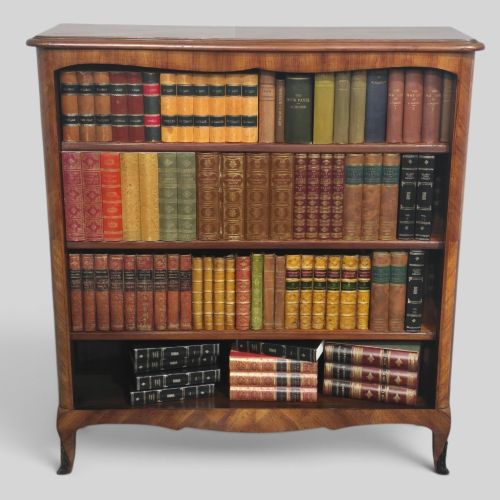
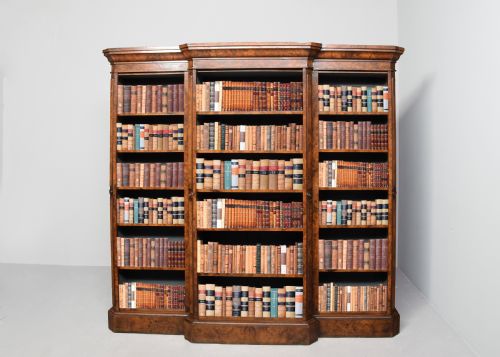
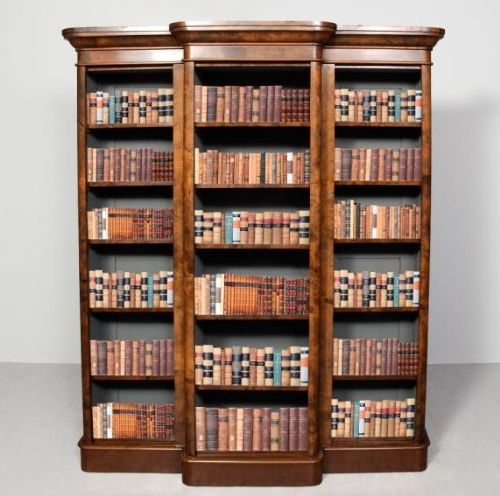
Origins stretch across English Victorian workshops, Edwardian cabinet makers, and continental European makers. Pieces range from simple upright storage units to grand three-section breakfront forms mounted with gilt metal or inlaid with contrasting satinwood.
Materials and construction methods
Makers utilised solid walnut and decorative walnut veneer, often selecting burr walnut for its complex, swirling grain patterns on primary display surfaces. Secondary timbers such as softwood formed internal carcases and backing boards.
Cabinet makers incorporated brass hardware for hinges and shelving supports, alongside gilt metal mounts on select decorative pieces. Glass panels appeared on enclosed cabinet doors and display sections, while satinwood provided subtle contrasting stringing and inlay.
Listings feature walnut timber in plain, burr, and veneered surfaces, paired with brass and glass across nineteenth and twentieth century forms.
Distinguishing quality across the range
The selection of timber sets the baseline for a piece, with figured burr veneer requiring expert book-matching across wide breakfront surfaces. Plain walnut timber relies on deep natural colour and careful finishing to highlight the grain.
Joinery execution dictates longevity, visible in the tight fit of shelving housings and the smooth operation of adjustable mechanisms. Premium examples display considered proportions, harmonious scale, and refined decorative additions like carved details or brass mounts rather than heavy ornamentation.
The Brown Walnut Book Shelves Glossary
- Breakfront
- A piece of furniture with a central section that projects forward from the flanking wings. This architectural arrangement creates depth and shadow across large library cabinets.
- Burr walnut
- Timber taken from a tree growth or burl, yielding intricate and swirling grain patterns. Cabinet makers prized this wood for decorative veneering on prominent cabinet fronts.
- Whatnot
- An open, multi-tiered piece of furniture designed for displaying ornaments, books, or small objects. These freestanding stands rely on slender upright supports.
- Veneer
- A thin layer of superior wood glued to a secondary timber base. This technique allowed craftsmen to display expensive grain patterns economically.
- Adjustable shelves
- Shelves resting on movable supports that allow the vertical intervals to change. This practical feature accommodates books of varying heights.
Brown Walnut Book Shelves: Frequently Asked Questions
How do I adjust the shelves?
Most period bookcases use traditional wooden rack-and-pinion strips, brass shelf studs, or notched vertical wooden slips mounted inside the side panels.
You simply lift the shelf slightly, reposition the wooden supports or brass pins into the alternative slots at your preferred height, and set the board back down level.
Are these shelves deep enough for modern books?
Nineteenth and early twentieth century bookcases generally offer standard shelf depths designed for octavo volumes and standard novels of the period.
Larger breakfront library cabinets provide greater depth for folios and heavy art monographs, but you should check individual dimensions if you store oversized modern volumes.
How do I care for walnut wood?
Walnut benefits from stable room temperatures and protection from direct sunlight, which can fade the warm brown tones and dry out the timber surface over time.
Dust regularly with a soft, dry cloth and apply a quality beeswax sparingly when the wood appears dry, buffing gently to maintain a soft natural sheen.
How do I distinguish Victorian from Edwardian pieces?
Victorian walnut bookcases often display heavier proportions, richer dark finishes, and sometimes elaborate carving or gilt metal mounts reflecting mid-nineteenth century tastes.
Edwardian pieces generally lean towards lighter construction, simpler Arts and Crafts influences, or revival styles like Queen Anne, featuring brighter timber tones.