



Brown Tones Portrait Oil
These brown tones portrait oil works offer quiet intensity, capturing human character through rich, shadowy palettes.
Brown Tones Portrait Oil
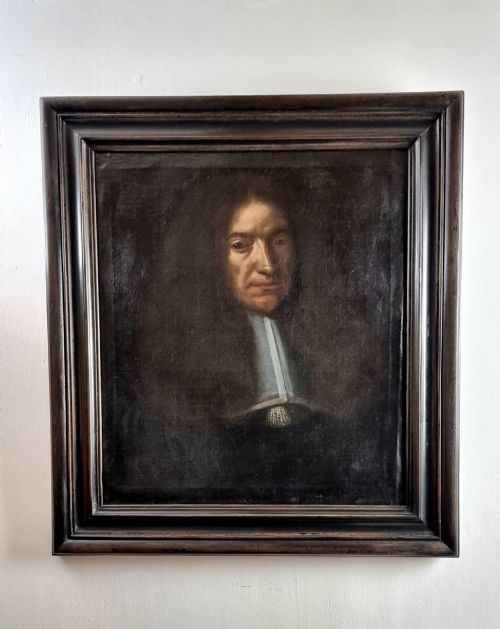
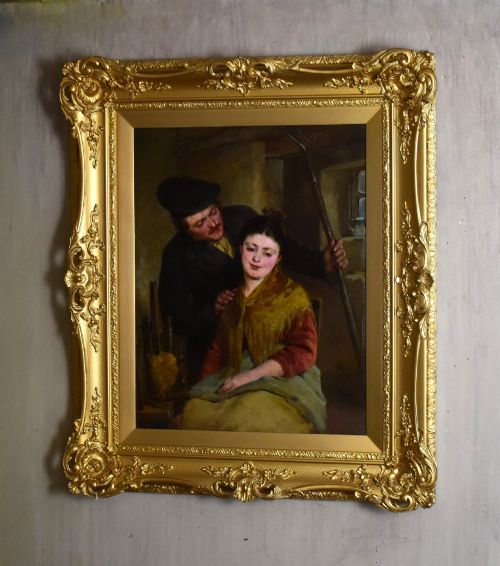
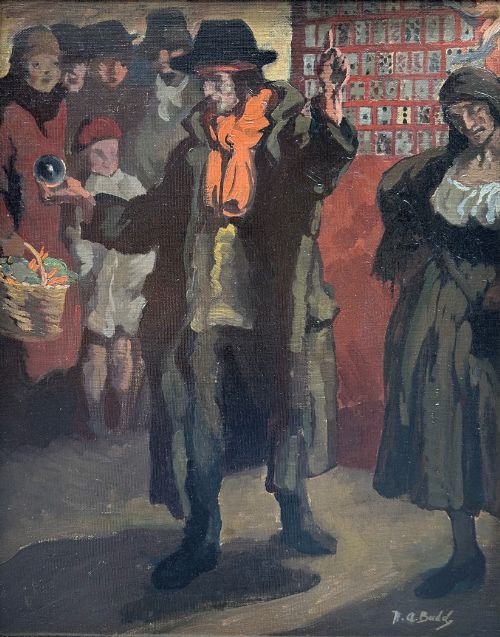
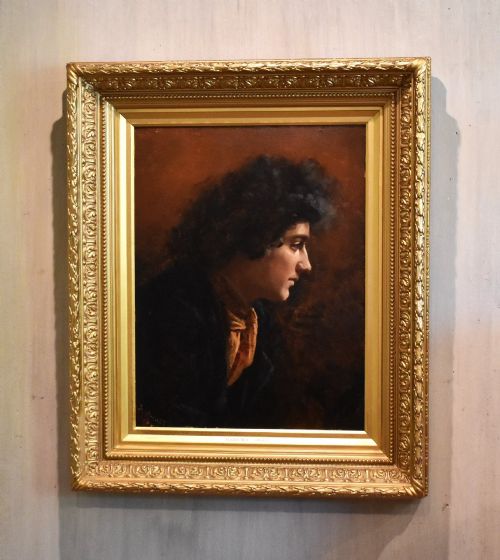
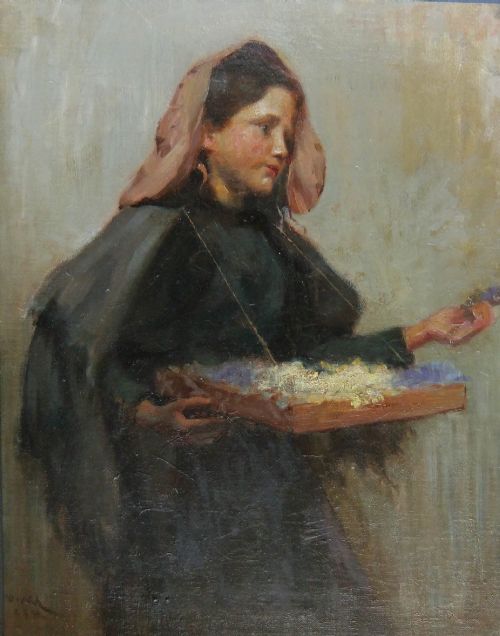
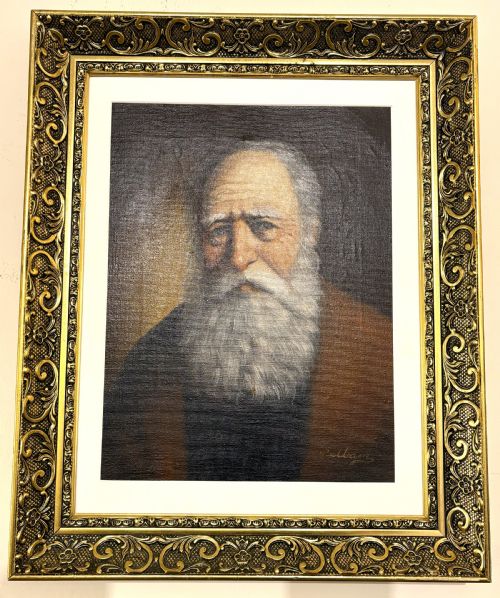
When searching for a brown tones portrait oil, buyers encounter historical fine art paintings spanning from the seventeenth century through the mid-twentieth century. The selection ranges from formal depictions of judges and noblemen to intimate genre studies of children, workers, and country figures.
Most pieces met here belong to the nineteenth century and Victorian periods, often framed in period wood and gesso settings. These artworks rely on deep earth pigments, umbers, and ochres to build dramatic light and shadow across the human face.
Materials and Construction
Artists built these works primarily using oil paint applied to woven canvas or wood panels, working up layers to achieve dense, atmospheric depth. The grounds typically consist of traditional gesso preparations that support the rich accumulation of dark glazes.
Many of these paintings retain their original giltwood frames, which contribute to the heavy, textured appearance characteristic of period portraiture.
The listings span from the seventeenth century to the mid-twentieth century, featuring materials such as canvas, wood, gesso, and giltwood.
The Distinction in Quality
The distinction between ordinary and exceptional works rests upon the handling of light, anatomical precision, and the psychological weight conveyed by the subject. Superior paintings demonstrate confident brushwork that defines character and fabric without relying on heavy surface retouching.
Condition plays a role in the standing of a piece, specifically the stability of the paint layer against the support and the preservation of the original tonal harmony beneath aged varnish.
William McAlpine·Howard Helmick·Herbert Ashwin Budd·Florence Small·William Watt Milne·John Watkins Chapman·Vincenzo Irolli·Evaristo Cappelli·Juan Ruiz Soriano·Frank Hyde·Bernd Funke·John Henry Dell·Ralph Hedley·Roland Batchelor·Ludolf de Jongh·Thomas Beach·Roberto Venturi·Raymond Arthur Roadnight·Bernard Meninsky·Maurice Wagermans·John Phillip·Richard Buckner·John Partridge
The Brown Tones Portrait Oil Glossary
- Oil on Canvas
- A traditional painting medium where coloured pigments suspended in drying oils are applied to stretched fabric. This combination allows for smooth blending and deep tonal variations.
- Gesso
- A white paint mixture consisting of a binder mixed with chalk, gypsum, or pigment, used to prepare a wood panel or canvas for painting. It provides a stable and smooth surface for the artist.
- Giltwood
- Wood that has been coated with a thin layer of gold leaf or gilt powder. Antique frames utilise this finish to add decorative warmth and contrast to dark portraits.
- Genre Painting
- The pictorial representation of scenes from everyday life, typically depicting ordinary people in domestic or outdoor settings. These works focus on narrative and social observation rather than formal portrait commissions.
Brown Tones Portrait Oil: Frequently Asked Questions
How do I date an old portrait?
Dating relies heavily on costume, hairstyle, and the style of the frame. Portraiture often reflects the exact fashion trends of the sitter's era.
Evidence from canvas preparations and stretcher construction also helps narrow down the decade of creation.
Are these paintings cleaned?
Many historical oil paintings retain layers of aged, yellowed varnish that darken the original palette. Conservation cleaning can restore the intended brightness and contrast.
Some collectors prefer the mellowed patina that comes with undisturbed age.
Where should I hang a dark oil portrait?
These works suit spaces with controlled lighting that prevents direct glare on the varnished surface. Darker walls make the rich brown tones and illuminated faces stand out effectively.
Keeping them away from direct heat sources protects both the canvas and the wooden frame.
What is the difference between canvas and panel?
Canvas provides flexibility and a visible woven texture that interacts with the paint layers. Wood panels offer a rigid, smooth foundation that often preserves fine detail exceptionally well.
Both supports have been used across centuries depending on regional traditions and the artist's preference.