
Brown Tone Oil Canvas
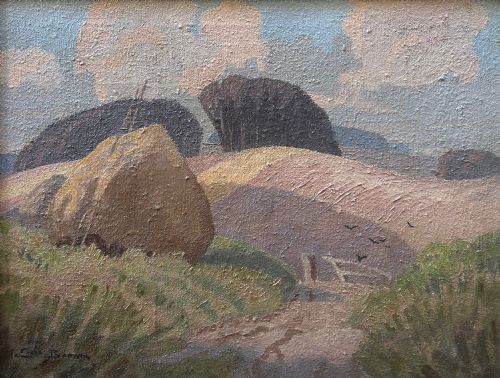
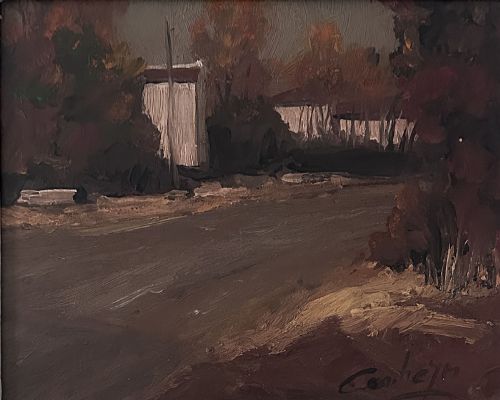
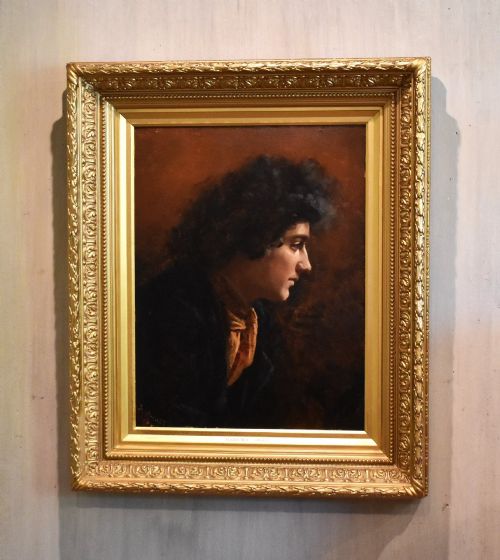
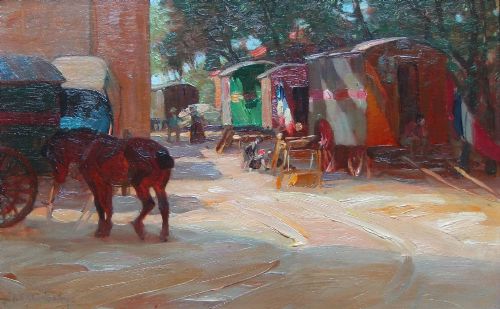
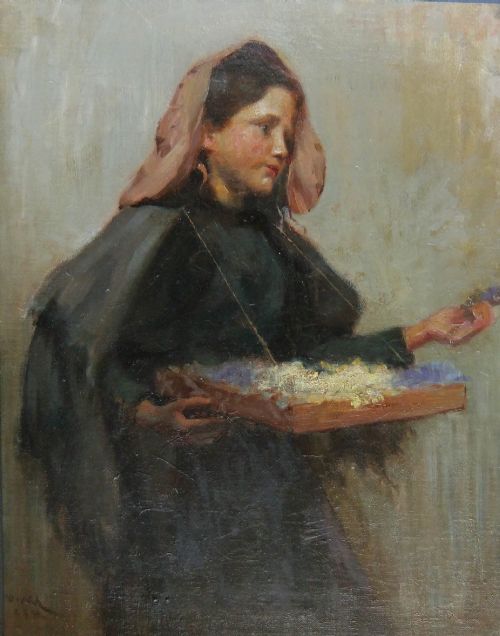
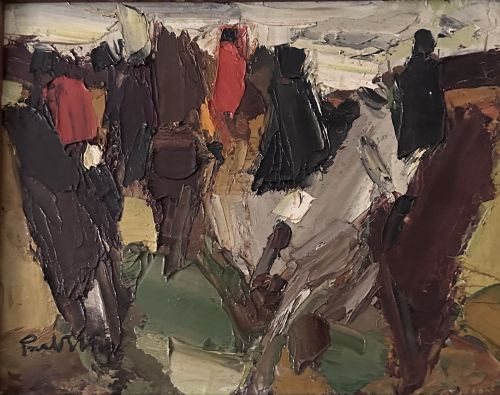
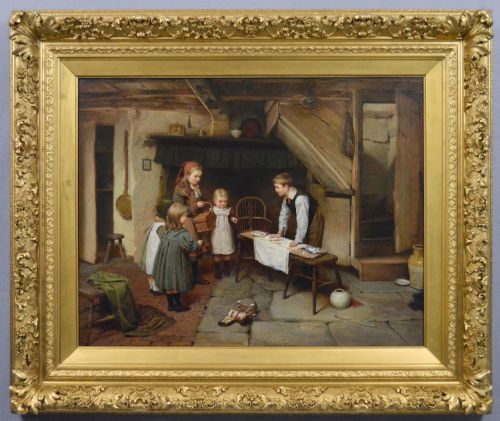
These brown tone oil canvas works span portraits, landscapes and genre scenes from the seventeenth century to the mid-twentieth century.
Brown Tone Oil Canvas
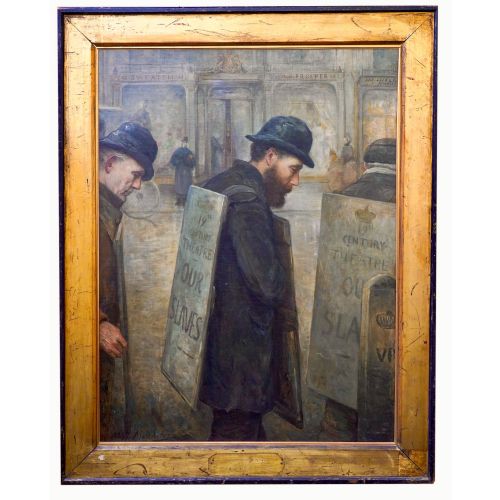
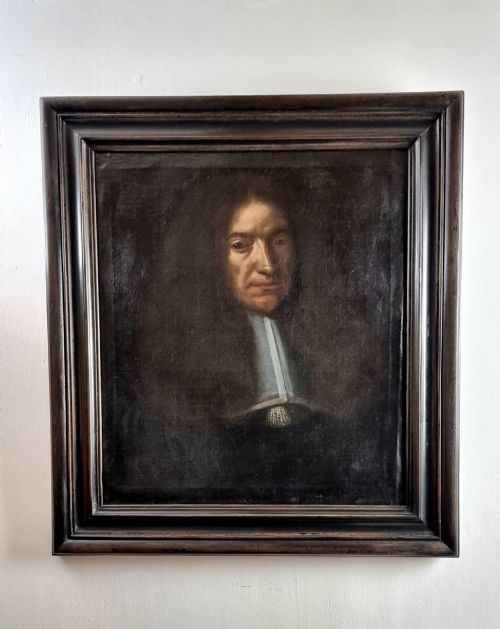
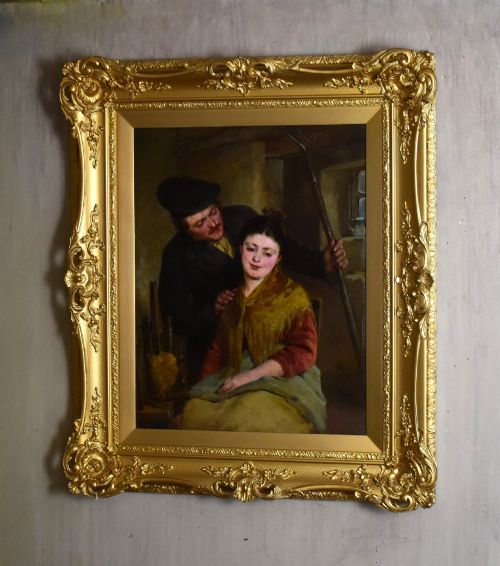
When you search for brown tone oil canvas, you encounter a diverse selection of fine art paintings executed across several centuries. The pieces range from seventeenth-century portraits of French judges to nineteenth-century Victorian social realism and twentieth-century pastoral landscapes.
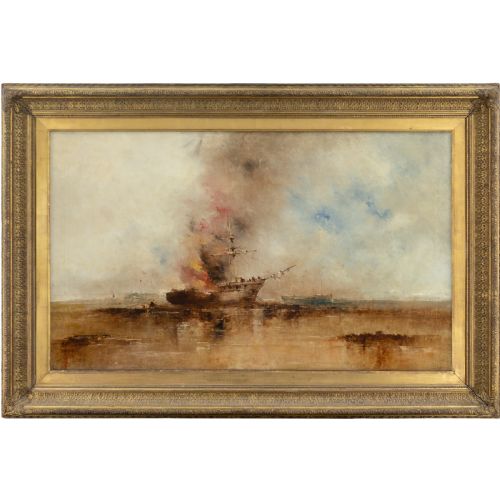
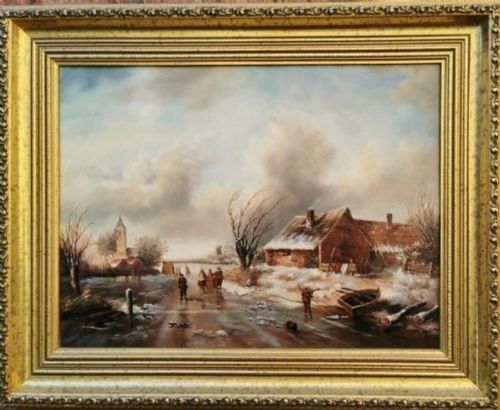
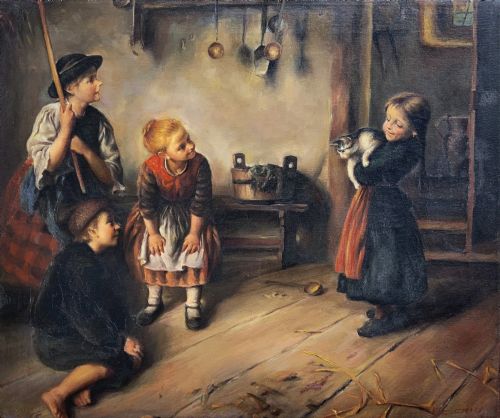
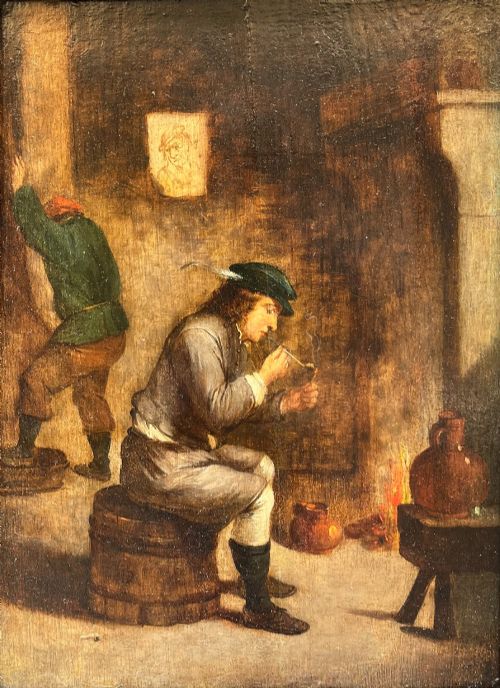
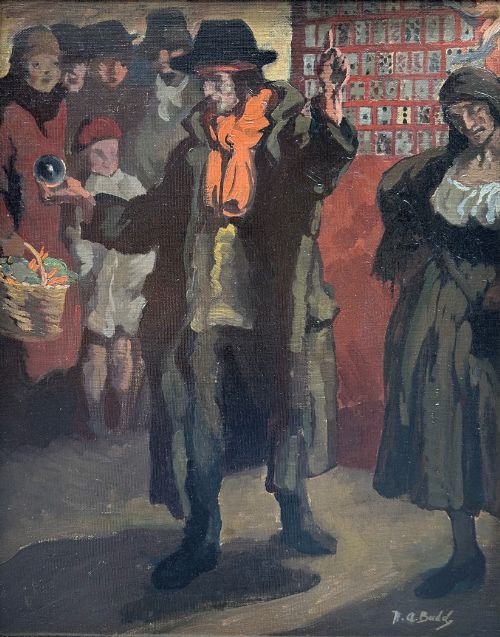
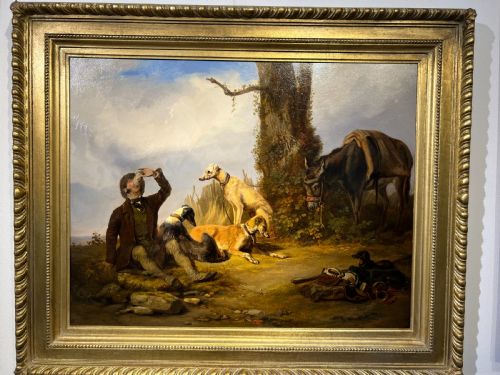
The selection on this page relies heavily on nineteenth-century and early twentieth-century examples, including sporting art, genre scenes of children and farmyard animals, and moody maritime or winter landscapes. These works utilise muted earth palettes dominated by umbers, ochres and deep browns.
How They Were Made
The primary support for these paintings is canvas, supplemented occasionally by wood or board. Artists applied oil paint, sometimes utilising impasto techniques or smooth glazing to build up depth and texture.
Pigments were worked into the fabric of the canvas or board, often framed in wood to preserve the structure. The interplay of oil medium and traditional ground layers created the enduring muted tones seen across the centuries.
Several Victorian paintings capture ducks, pigs, and hunting dogs observing human scenes with quiet, enduring dignity.
What Varies in Quality
Quality in these paintings rests upon the handling of light, shadow and the natural depth of the dark pigment palette. Masterful brushwork gives life to complex portraits and busy farmyard scenes, whereas lesser examples lack dynamic contrast.
The skill of the artist in rendering realistic proportions, atmospheric conditions and expressive human or animal subjects dictates the distinction between standard decorative works and fine artistic achievement.
Felix Stone Moscheles·Howard Helmick·Sir Edwin Henry Landseer·Florence Small·John Frederick Herring
The Brown Tone Oil Canvas Glossary
- Canvas
- A heavy woven fabric used as a surface for oil painting. It is typically stretched over a wooden frame before application.
- Oil Paint
- A type of slow-drying paint made with pigmented particles suspended in a drying oil. It allows for rich blending and deep tonal graduation.
- Impasto
- A technique where paint is laid on an area of the surface in very thick layers. This makes brush or palette knife strokes visibly prominent.
- Genre Painting
- The pictorial representation of scenes from everyday life. These works typically depict ordinary people engaged in common activities.
Brown Tone Oil Canvas: Frequently Asked Questions
What periods do these paintings cover?
The available works span from the seventeenth century through the Victorian era up to the mid-twentieth century. This covers centuries of shifting artistic movements and distinct regional schools.
Collectors find examples from the 1700s, the 1800s, and mid-century modern interpretations represented within the same overarching palette.
How should I care for an oil on canvas?
Keep the paintings away from direct sunlight and fluctuating humidity to protect the canvas and wood stretcher bars. Gentle dusting with a soft, dry brush maintains the surface.
Avoid using liquid cleaners or chemical solvents on the paint layer, as these can permanently damage the historic oils.
Are all these pieces British?
While British impressionism and realism feature prominently, the collection includes international works. You will find pieces originating from France, Germany, Canada, and the Netherlands.
Each regional school brings distinct framing choices and subject matters, from Dutch winter landscapes to French provincial portraits.
What subjects are most common?
Portraits and pastoral landscapes dominate the selection. You will frequently encounter depictions of farm animals, sporting scenes, and domestic genre moments.
Human figures range from judges and monks to children playing and workers in the field.