



Brown Timber Hall Table
A brown timber hall table brings practical surface space and period character to an entranceway, drawing the eye straight to the grain.
Brown Timber Hall Table
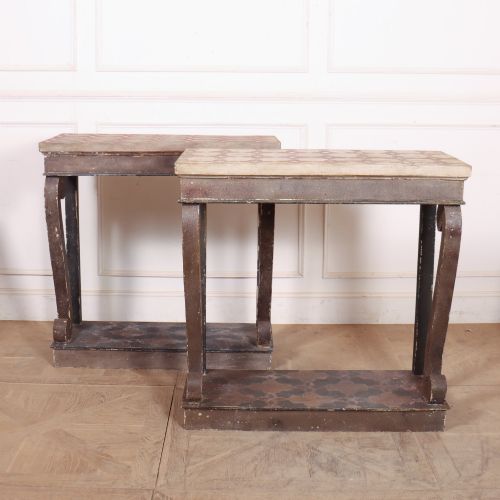
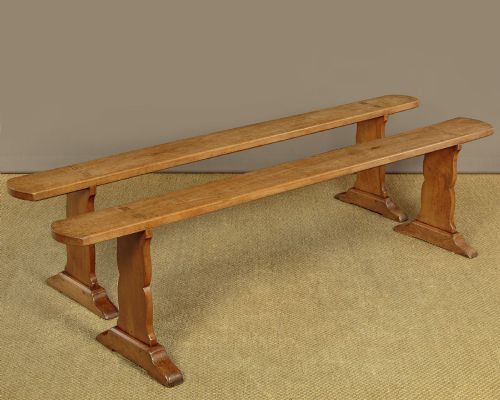
A brown timber hall table encompasses console tables, side tables, lowboys and occasional tables designed to sit against an entrance or hallway wall. These pieces serve to hold correspondence, lamps or decorative objects without obstructing narrow corridors.
The selections span the eighteenth and nineteenth centuries, including Georgian and Victorian eras, alongside Edwardian examples. Woods range from native oak, elm and pine to imported mahogany and cherrywood.
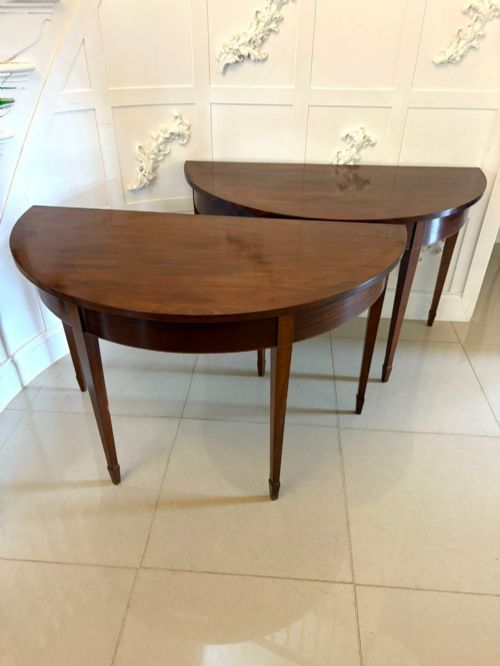
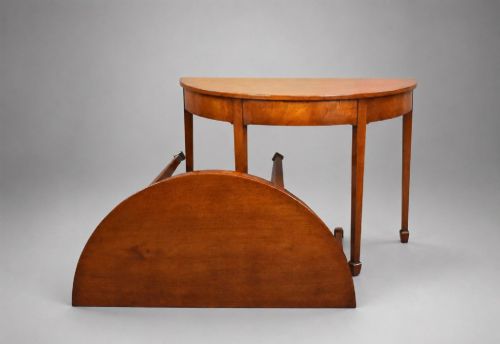
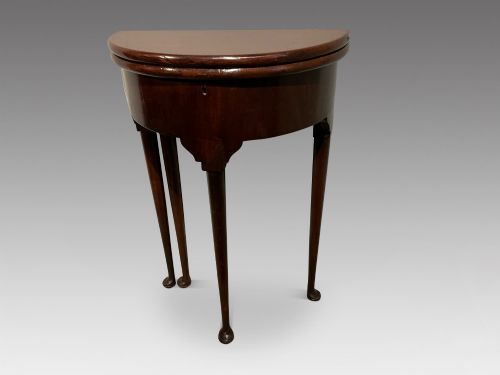
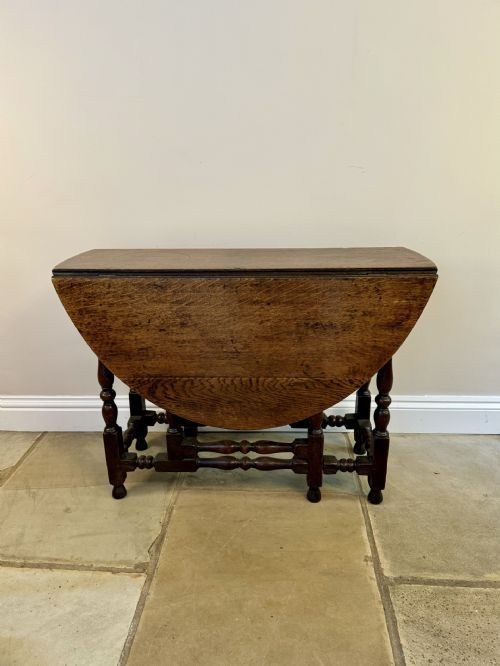
Forms vary from narrow demi-lune console shapes and drop-leaf designs to fitted lowboys with drawers. Origin points stretch across Britain and continental Europe to China.
How they were made
Cabinetmakers utilised solid timbers such as mahogany, oak, elm, cherrywood and pitch pine, often selecting pieces with distinct grain patterns or burr figures for top surfaces. Joinery relied on traditional methods suited to the wood type and the period of construction.
Surface treatments included polishing to bring out the depth of mahogany or leaving fruitwood and pine with simpler finishes. Brass hardware appeared on drawer pulls and mounts where utility required them.
What varies in quality
The standard of timber selection marks the primary difference between standard examples and finer items, particularly where figured mahogany or burr elm displays exceptional depth. Construction detail in the drawer linings and framing further separates utilitarian pieces from workshop-produced furnishings.
Proportion and decorative restraint dictate visual success, as pieces from the Georgian and Regency periods balance functional scale with considered carving or simpler, elegant lines.
The Brown Timber Hall Table Glossary
- Lowboy
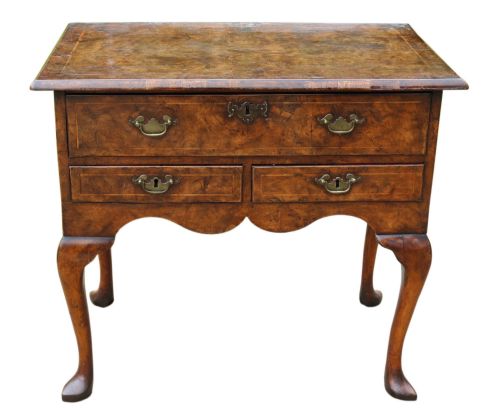
- A small table with one or more drawers, standing on relatively tall legs, typically used as a side or dressing table. These pieces date frequently from the eighteenth century in oak, cherrywood or elm.
- Demi-lune
- A half-moon shape designed to sit flush against a wall, common in console tables of the eighteenth and nineteenth centuries. This silhouette maximises floor space in narrow hallways.
- Console table
- A table supported by wall brackets or legs, designed for placement against a wall in a hall or reception room. Many historic examples feature carved mahogany or painted finishes.
- Drop-leaf table
- A table with hinged flaps on either side that fold down to save space when not in use. These versatile forms appear in eighteenth-century dining and side tables.
- Sofa table
- A rectangular occasional table originally designed to stand in front of a sofa, equipped with small drawers. Nineteenth-century versions often utilise rosewood or mahogany.
Brown Timber Hall Table: Frequently Asked Questions
What is the difference between a console and a side table?
A console table is traditionally designed to be placed directly against a wall, sometimes securing to it for stability, while a side table stands independently on four or more legs.
In hallways, both serve identical functional roles for holding keys and lighting, though console tables more frequently adopt semi-circular or decorative architectural forms.
How do I choose the right size for a narrow hallway?
Measure the available depth from the wall carefully and compare it to the footprint of the table, leaving adequate clearance for movement past the piece.
Narrow formats such as demi-lune consoles or slim pitch pine side tables work best in restricted entranceways without crowding the space.
How do I care for antique timber surfaces?
Protect the wood from direct sunlight and sudden temperature changes to prevent the timber from drying out or splitting.
Apply traditional wax polish occasionally to nourish the grain and maintain a soft sheen without building up heavy chemical layers.
How can I tell a Georgian table from a Victorian one?
Georgian pieces, dating through the eighteenth and early nineteenth centuries, generally favour balanced proportions and selected mahogany or oak with understated carving.
Victorian items from later in the nineteenth century often introduce heavier proportions, diverse secondary woods like pitch pine, and more robust construction suited to changing domestic uses.