


Brown Timber Bookshelves
Brown timber bookshelves bring warmth and architectural order to a room, offering practical storage alongside rich historical character.
Brown Timber Bookshelves
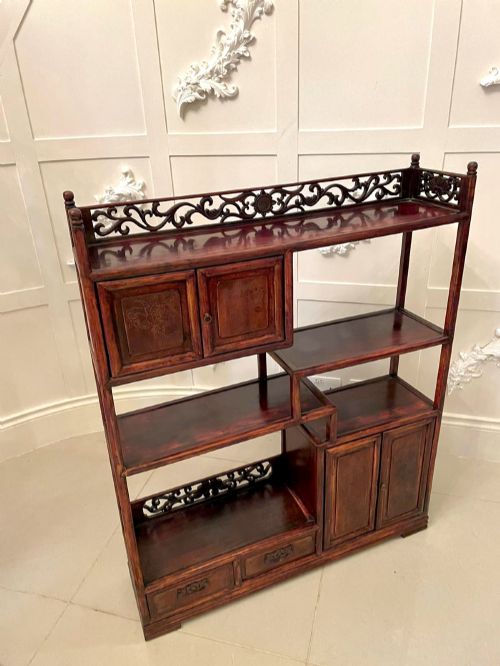
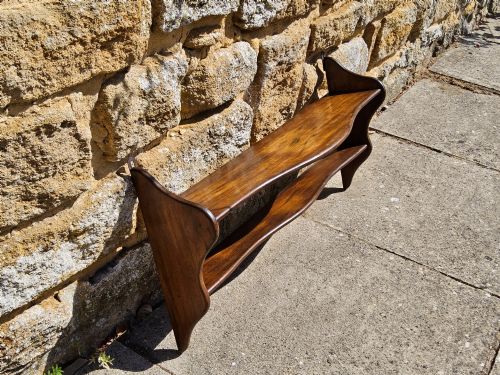
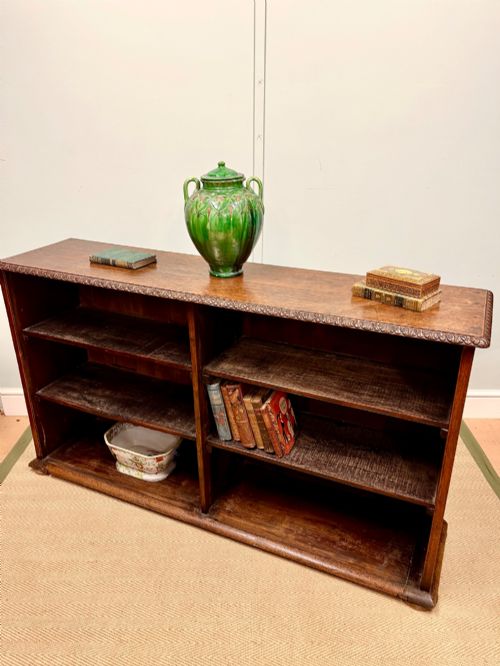
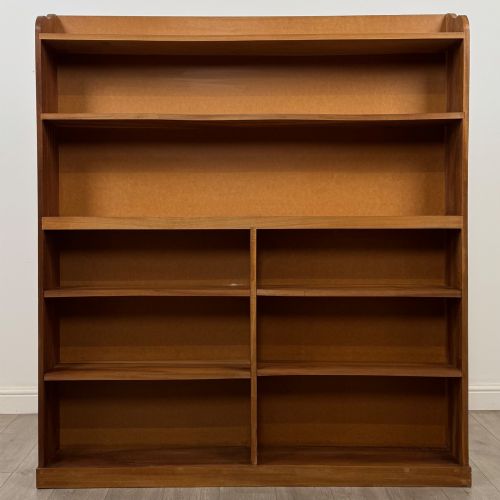
Brown timber bookshelves encompass a diverse array of open bookcases, display cabinets, wall shelves, and whatnots designed to hold collections and display objects.
The pieces available span from the nineteenth century through to the early twentieth century, taking in Victorian, Edwardian, and specific regional styles.
You are most likely to encounter sturdy oak and walnut open bookcases alongside more decorative items in teak, mahogany, and pine.
How they were made
Construction relies heavily on traditional hardwoods such as oak, walnut, teak, and mahogany, chosen for their structural strength and durability.
Selected pieces incorporate decorative flourishes such as carved detailing, walnut veneer surfaces, and brass fittings to accent the timber frames.
Even the diminutive French dwarf bookcase requires a surprising amount of dusting.
What varies in quality
The choice of primary timber and veneer quality dictates much of the visual depth, with dense hardwoods and finely figured grain elevating the piece.
The sophistication of the joinery and any carved ornamentation distinguish standard utilitarian furniture from finer decorative cabinet work.
The Brown Timber Bookshelves Glossary
- Whatnot
- A piece of freestanding furniture with multiple open shelves for displaying small objects and books. They became popular in the nineteenth century for domestic display.
- Waterfall bookcase
- A set of open shelves where each tier steps back progressively from the one below it. This creates a sloping profile reminiscent of cascading water.
- Dwarf bookcase
- A low open bookcase designed to sit beneath dado height. These items often feature adjustable shelving.
Brown Timber Bookshelves: Frequently Asked Questions
How do I style open bookshelves?
Balance books with decorative objects, framed prints, and ceramics to create visual breathing space across the shelves. Grouping items by height and tonal variety prevents the display from looking cluttered.
Allow some bare timber to remain visible to highlight the natural grain and construction of the piece.
Where should I place a whatnot?
Whatnots work well in corners or against empty walls where their tiered shelving can catch the light without blocking walkways. They suit sitting rooms and studies for holding small collections.
Keep them away from direct heat sources and strong sunlight to protect the polished timber surfaces from drying out.
Are these bookcases suitable for heavy books?
Solid hardwood bookcases in oak or walnut provide the structural rigidity needed for heavy volumes. Check the thickness of the shelves and the support brackets.
Period pieces with fixed wooden shelves generally offer robust support compared to modern flat-pack alternatives.
How do I identify a Victorian bookcase?
Victorian bookcases often display deeper colour tones in mahogany, oak, or walnut, sometimes featuring hand-carved ornamentation or architectural moulding. The timber choice and construction methods reflect nineteenth-century workshop practices.
Look at the backboards and drawer linings for signs of age, such as hand-cut timber boards and traditional fixings.