

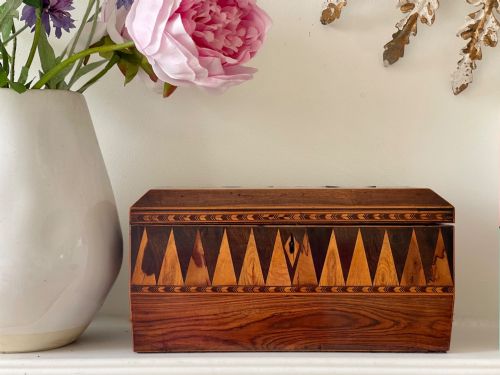


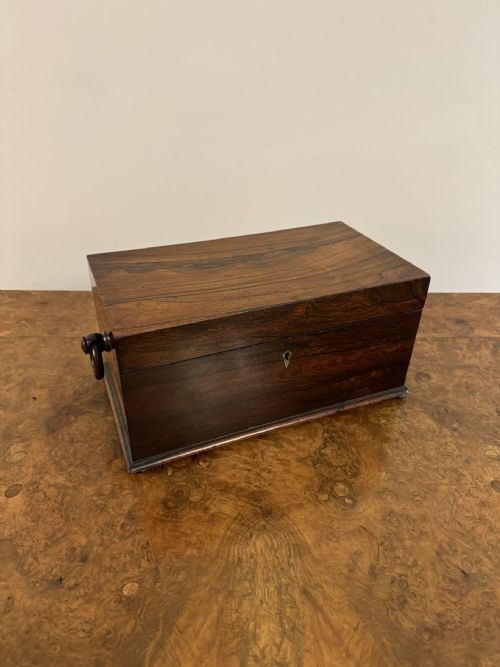
Brown Tea Caddy
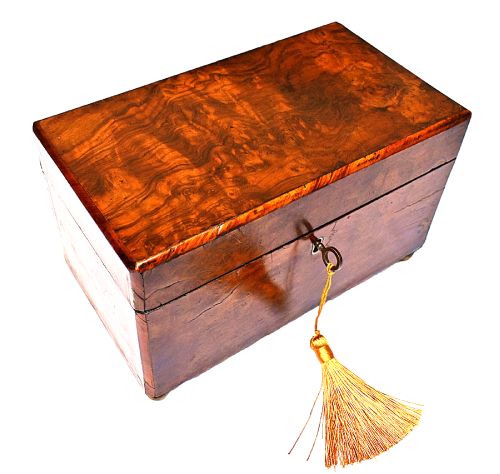
A brown tea caddy is a compact wooden container once used to store precious dry tea leaves under lock and key.
Brown Tea Caddy
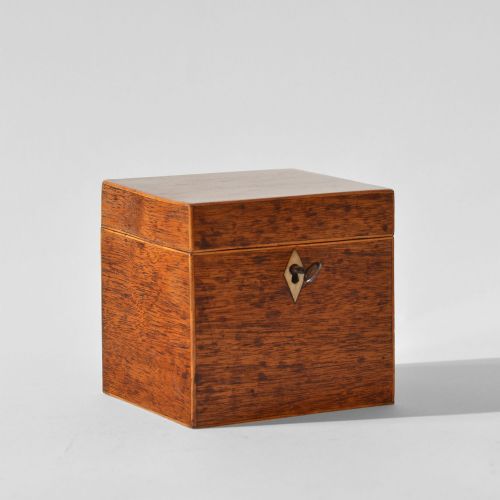
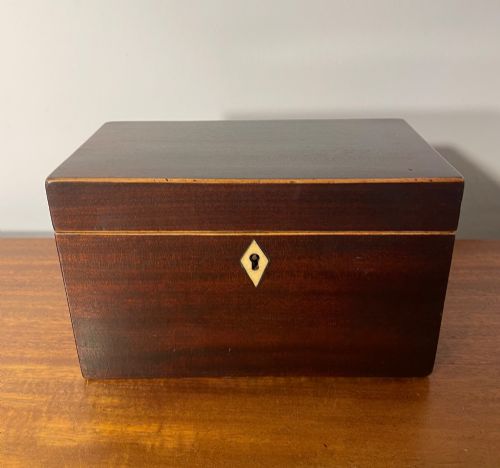
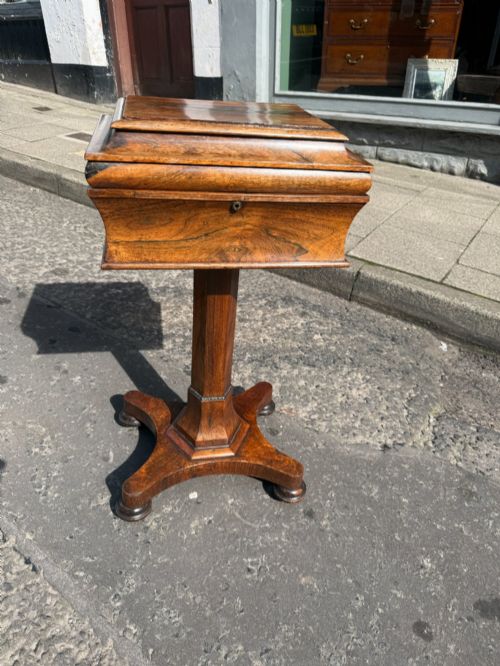
A brown tea caddy brings domestic history into a room, originating from periods when tea was a costly luxury kept securely locked away from servants and guests alike. When you search for a brown tea caddy, you encounter domestic vessels fashioned from timber, ranging from small desktop boxes to freestanding pedestal teapoys.
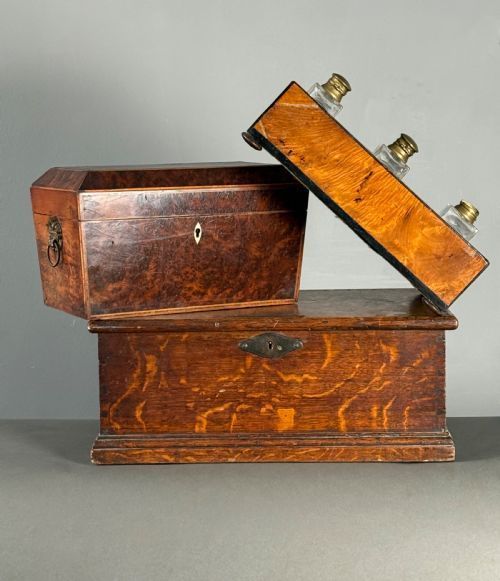
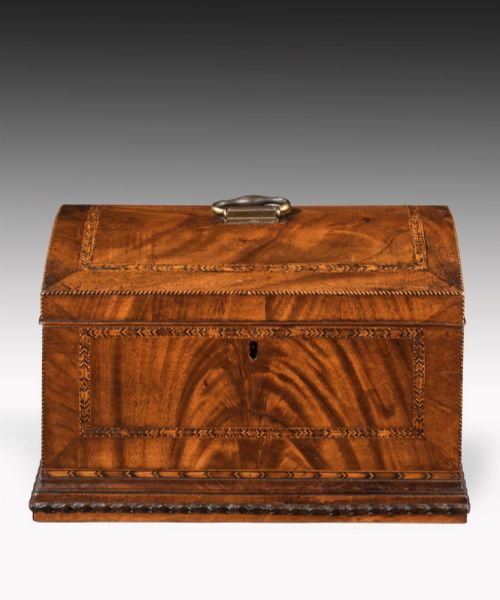
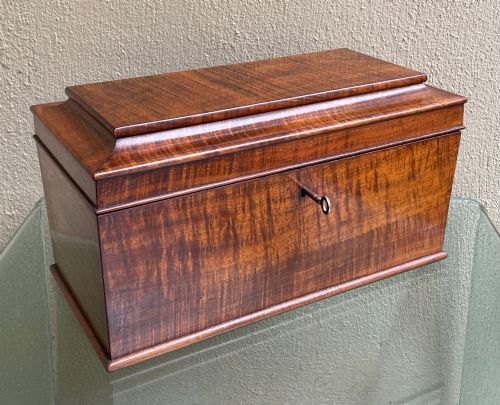
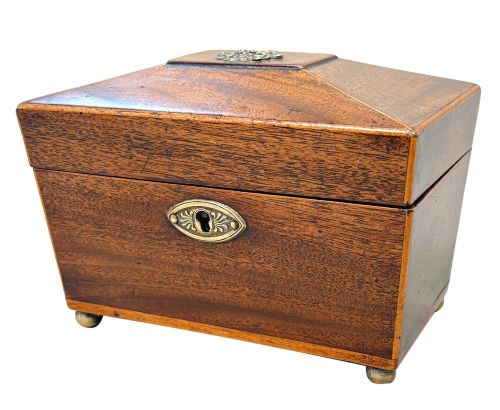
The specimens most commonly met on this page span the Georgian, Regency, and Victorian eras, reflecting shifts in cabinet making from simple rectangular forms to elaborate sarcophagus shapes. Woods such as mahogany, walnut, rosewood, and yew dominate the selection, often enriched with contrasting stringing or detailed inlays.
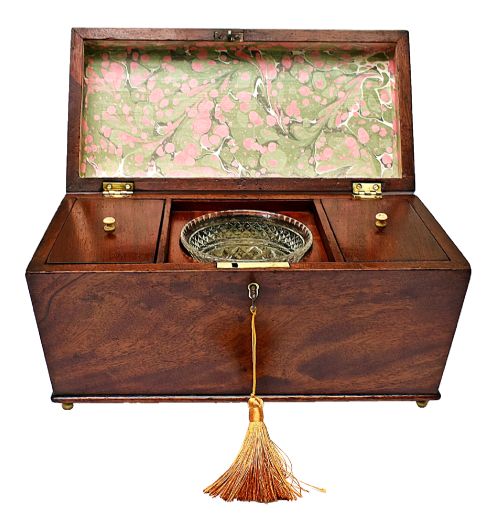
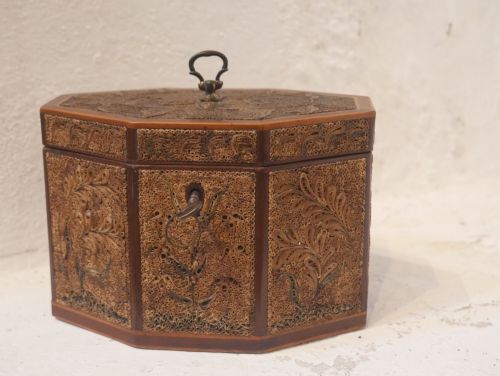
Makers utilised native and exotic timbers to construct these boxes, incorporating fitted interiors with internal compartments and mixing bowls. Certain examples reveal intricate paper scrollwork, bone details, or specialised Tunbridge ware mosaics that transform a utilitarian storage box into a decorative cabinet piece.
Materials and construction methods
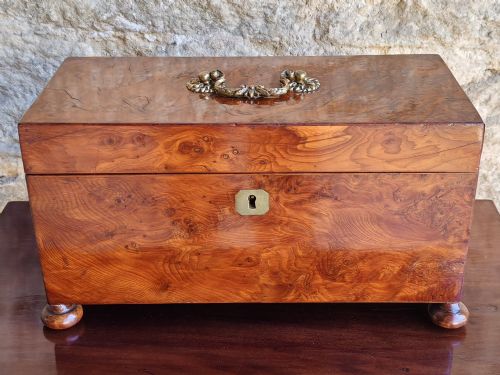
Cabinet makers built these caddies using solid timbers and decorative veneers applied over sturdy pine or mahogany carcases. Woods like burr yew, harewood, and satinwood provided rich grain patterns for exterior surfaces, whilst boxwood and ebony supplied contrasting string lines and geometric borders.
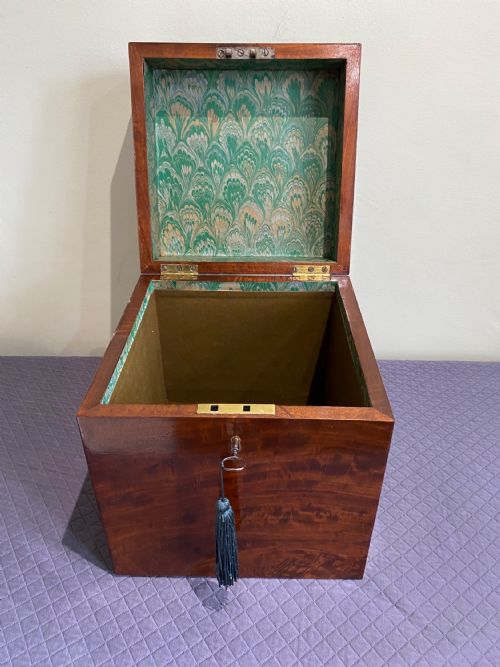
Surface decoration involved specialised techniques such as paper scrollwork, gesso relief, and multi-coloured wood mosaic known as Tunbridge ware. Interior compartments frequently retained remnants of foil lining or contained fitted wooden covers designed to preserve the aroma of expensive leaf teas.
Brown Tea Caddy Retail Price Guide 2026
Typical asking prices for brown tea caddy among the pieces listed under this phrase on Sellingantiques today, from the lower quarter to the upper quarter. They describe what is for sale here now, not the wider market.
What distinguishes superior examples
The standard of a brown tea caddy rests upon the selection of timber veneers and the precision of its decorative inlays, such as butterfly motifs or shell patera. Superior pieces display book-matched grain patterns across the lid and sides, maintaining original brasses and functioning locks with matching keys.
Construction details also dictate distinction, including the survival of internal fitted lids, original mixing bowls, and secret drawers concealed behind sliding partitions. Caddies that retain their crisp carving, intact mosaic banding, and original polished finish demonstrate a higher grade of cabinet work.
Henry Hollamby
The Brown Tea Caddy Glossary
- Teapoy
- A freestanding table or pedestal stand fitted with a lidded tea storage box on top. These larger pieces often stood beside chairs in the drawing room.
- Tunbridge ware
- A form of wooden mosaic decoration using thousands of tiny dyed wood blocks to create pictorial or geometric scenes. It gained great popularity in Kent during the nineteenth century.
- Sarcophagus
- A box shape featuring a domed or steep-sided profile resembling an ancient stone coffin. Cabinet makers adopted this classical form for larger Regency and Victorian tea caddies.
- Navette
- A boat-shaped outline with pointed ends, popular in Georgian design for small decorative boxes and trays. This curved form added elegance to early tea caddy silhouettes.
- Stringing
- A thin inlay of contrasting wood inserted into grooves on the surface of a box to create borders and geometric framing lines.
Brown Tea Caddy: Frequently Asked Questions
Why do tea caddies have locks?
Tea was an extremely valuable commodity imported from China during the eighteenth and nineteenth centuries, often worth more than silver.
Locks prevented domestic staff from pilfering the precious leaves, ensuring the household supply remained secure.
How do I date a wooden tea caddy?
Dating relies on stylistic shifts, timber choices, and construction methods characteristic of different eras. Georgian boxes often feature simple rectangular or oval forms with delicate shell inlays, whilst Regency examples tend towards sarcophagus shapes with brass paw feet.
Victorian pieces frequently display heavier proportions, burr walnut veneers, or intricate Tunbridge ware decoration.
Where should I place a tea caddy?
These compact wooden boxes suit tabletops, sideboards, and open bookshelves where their decorative grain and inlay remain visible.
Keep them away from direct sunlight and radiators to prevent the dry ambient heat from cracking the antique veneers.