



Brown Taxidermy Mount
These brown taxidermy mount examples preserve historical wildlife craftsmanship through natural history specimens and antler trophies.
Brown Taxidermy Mount
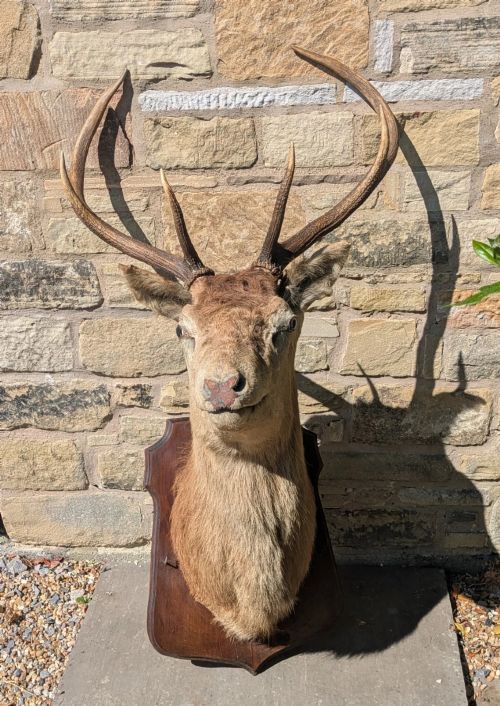
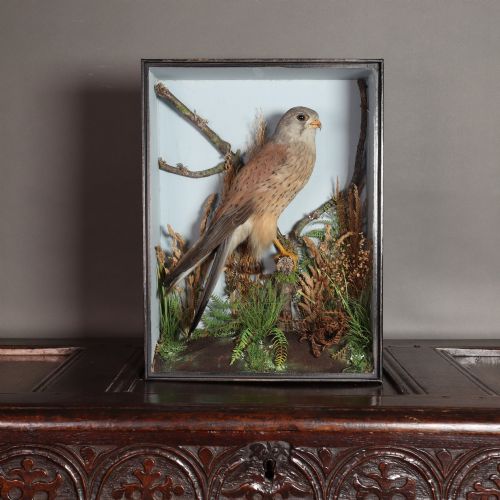
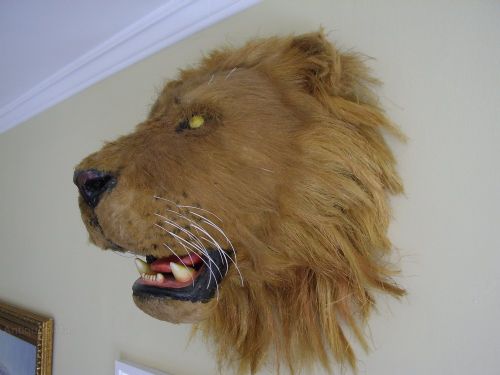
A brown taxidermy mount encompasses preserved animal specimens, antler trophies, and horn pieces originating from the nineteenth and early twentieth centuries. When searching for a brown taxidermy mount, buyers encounter Victorian natural history displays, Edwardian bird cases, and Highland lodge wall trophies.
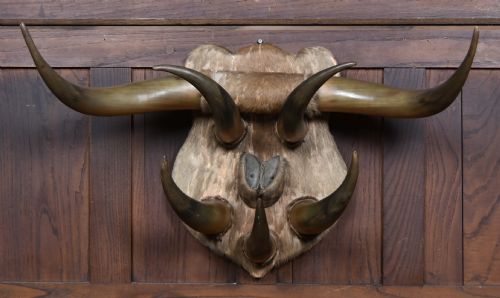
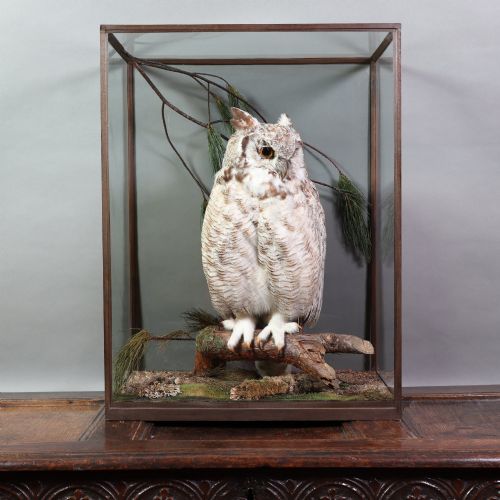
The selections on this page heavily feature deer heads, avian specimens in glass cases, and horn or hoof desk accessories. These pieces reflect the naturalist aesthetic and interior tastes of the Victorian and Edwardian periods.
Origins range from regional English workshops to notable London establishments, spanning dates from the nineteenth century through the interwar period.
Materials and construction methods
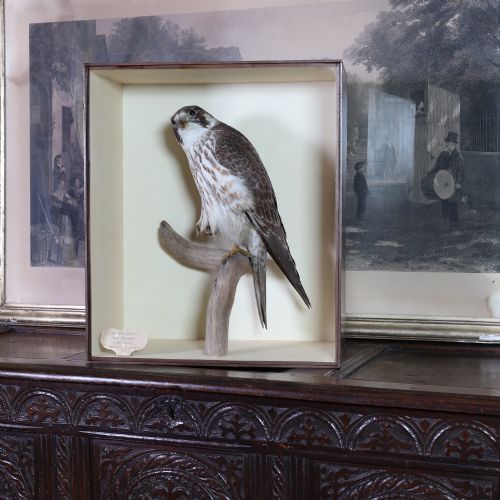
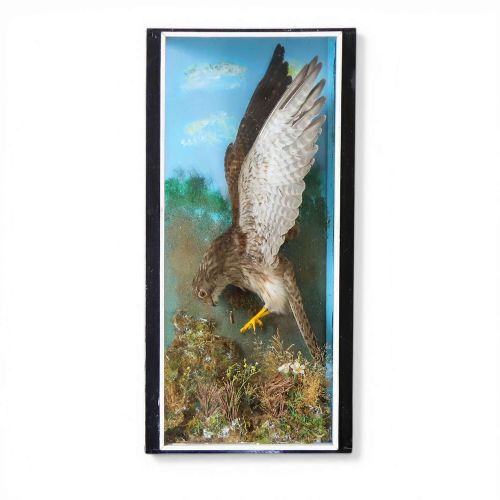
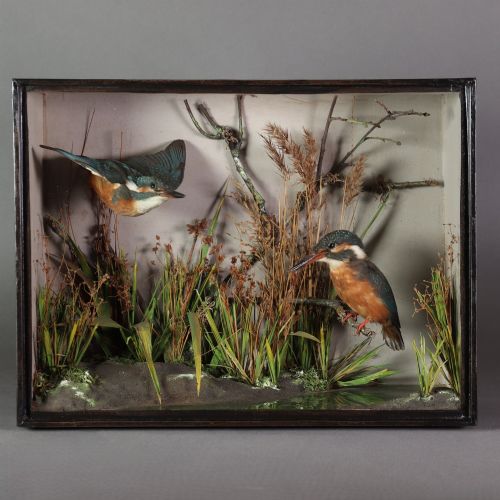
Taxidermists utilised natural hides, feathers, bone, and horn mounted onto wooden shields, oak plaques, or carved wooden backings. Glass cases frequently protected delicate avian specimens such as jays, owls, and kingfishers from dust and damage.
Structural support relied on carved wood, iron framing inside large mammal heads, and turned wooden bases for desk accessories like paperweights and inkwells. Horn and hoof components were often polished and mounted with silver or oak.
Brown Taxidermy Mount Retail Price Guide 2026
Typical asking prices for brown taxidermy mount among the pieces listed under this phrase on Sellingantiques today, from the lower quarter to the upper quarter. They describe what is for sale here now, not the wider market.
Materials across these listings include glass, wood, horn, antler, oak, bone, feathers, and hide.
Distinguishing quality across specimens
Quality rests upon the anatomical accuracy of the taxidermy work and the reputation of the preserving studio. Works originating from documented practitioners display superior skeletal proportion and lifelike posture compared to anonymous examples.
The integrity of the original housing, whether a painted wooden diorama case or a carved oak shield, influences the overall standard. Preserved specimens retaining natural coloration and intact plumage or fur represent the upper tier of the range.
Rowland Ward Ltd·J Griffiths of Burford·T. E. Gunn·Peter Spicer & Sons·Gerrard & Sons London
The Brown Taxidermy Mount Glossary
- Diorama
- A three-dimensional scene enclosing taxidermy specimens within a painted or decorated case. These enclosures often replicate natural habitats using foliage and painted backgrounds.
- Mask
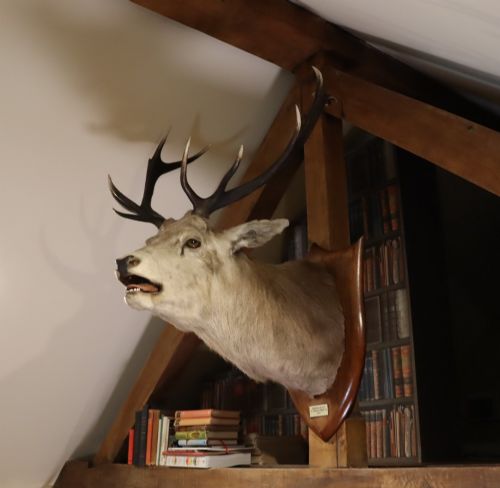
- A taxidermy mount depicting only the head and neck of a mammal, commonly used for foxes or otters. These pieces were frequently mounted on wooden shields for wall display.
- Shield
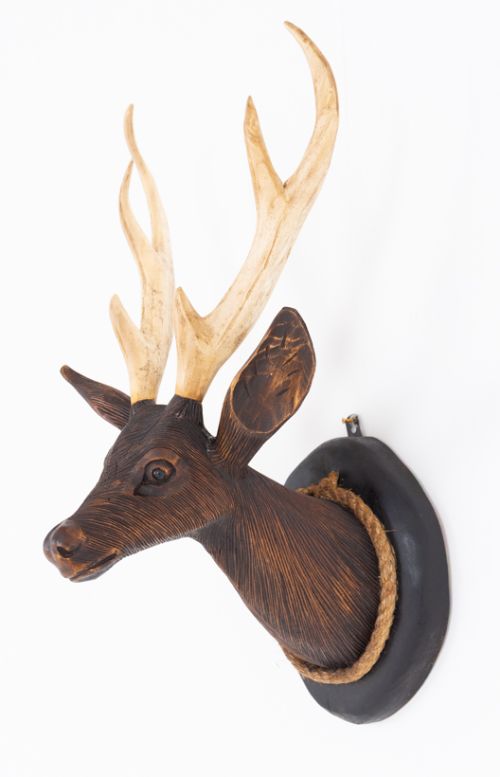
- A wooden wall plaque, often carved from oak, used as a backing for mounting deer heads and horns. The wood frequently bears carved detailing or regional motifs.
- Antler points
- The individual tines branching from a deer's main antler beam, used to categorise trophy size. Larger configurations are designated by specific terms such as royal sets.
Brown Taxidermy Mount: Frequently Asked Questions
How do I hang a heavy deer head?
Large mammal mounts require secure wall fixings anchored directly into structural masonry or timber studs. The substantial weight of oak shields and antler configurations demands heavy-duty wall brackets.
Ensure the mounting point corresponds with the hanging hardware fitted to the reverse of the wooden shield. Professional installation is advisable for large twentieth-century stags heads.
Where should I place avian glass cases?
Bird specimens in glass cases require stable indoor environments away from direct sunlight and damp conditions. Ultraviolet light degrades delicate feathers and fades natural pigments over time.
Position cases on sturdy sideboards or interior walls where temperature fluctuations remain minimal. Avoid placing them near active heat sources or radiators.
How were horn desk accessories used?
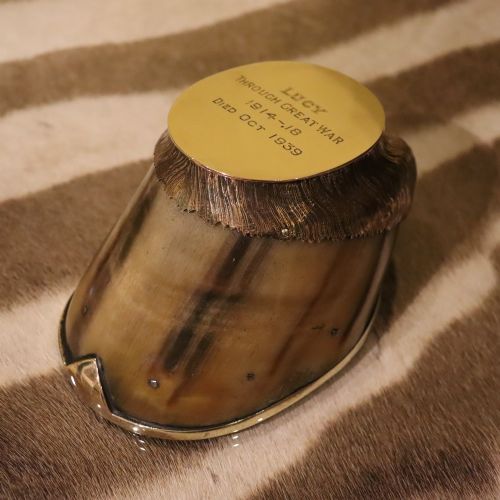
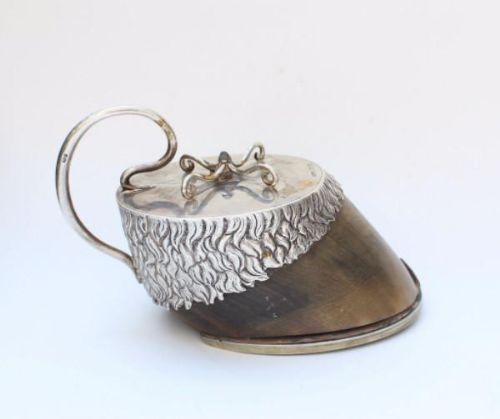
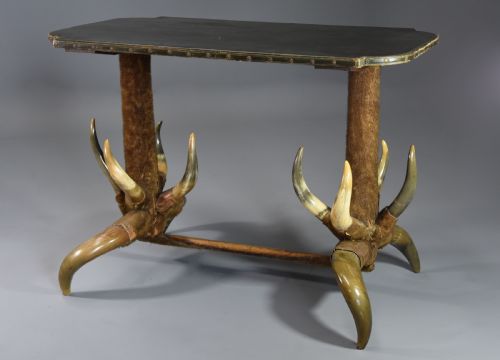
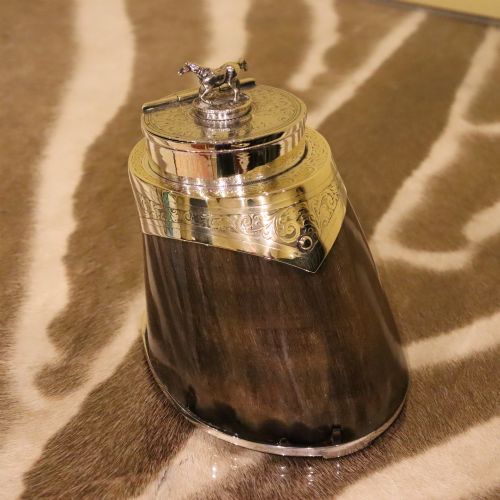
Desk accessories utilised cow, ram, and horse parts to create functional items for nineteenth-century writing desks. Hoofs formed inkwells and paper tidies, while horns served as table bases or pen trays.
These items combined natural history collecting with practical office utility during the Victorian and Edwardian eras. They offer a tangible connection to period interior styling.
Can I date pieces by the mounting style?
Mounting styles provide clear indicators of period origins, shifting from elaborate Victorian Gothic shields to simpler Edwardian oak plaques. Interwar pieces often display more restrained backing designs.
Maker signatures, trade labels on the reverse of shields, and written inscriptions help narrow down the exact decade of manufacture.