






Brown Spinning Wheel
A brown spinning wheel brings tactile domestic history into a room, offering functional heritage in wood and iron.
Brown Spinning Wheel
When you search for a brown spinning wheel, you encounter a mix of textile tools and related cultural objects spanning the eighteenth to the twentieth centuries. These pieces encompass traditional wooden frames, mounted silk wheels from India, and carved folk art distaffs.
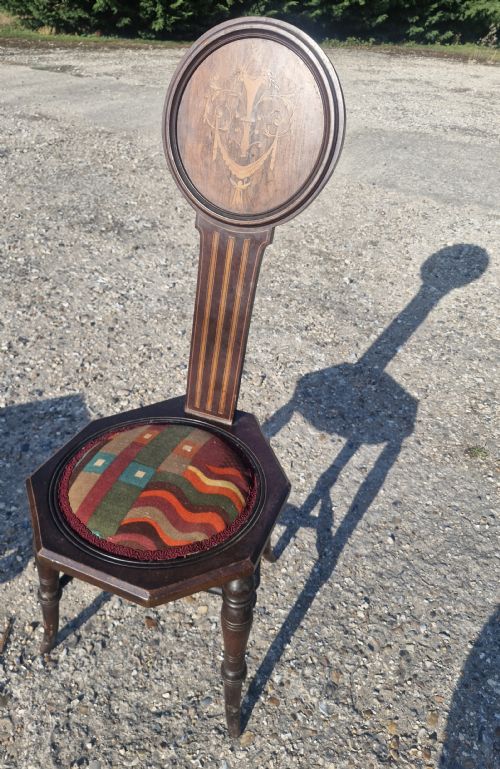
The versions most commonly met on this page include nineteenth-century traditional spinning wheels alongside decorative side chairs and panel paintings depicting domestic spinners. Materials range from oak and mahogany to hardwood and iron stands, reflecting both British and international workshops.
How they were made
These items rely on traditional carpentry and carving techniques executed in robust timbers such as oak, mahogany, and assorted hardwoods. Iron components frequently provide structural support or mechanical function to the wheels and textile tools.
Makers shaped the wood through hand-carving and joinery, visible in the detailed ornamentation of folk art distaffs and chairs. Oil paintings from the period utilise canvas or panel supports to capture domestic scenes associated with spinning.
Brown Spinning Wheel Retail Price Guide 2026
Typical asking prices for brown spinning wheel among the pieces listed under this phrase on Sellingantiques today, from the lower quarter to the upper quarter. They describe what is for sale here now, not the wider market.
Current listings feature items spanning the 18th century, Victorian era, and early 20th century in wood, iron, and fabric.
What varies in quality
Quality rests upon the depth and precision of the hand-carving evident in wooden components, distaffs, and chair backs. Pieces exhibiting sophisticated joinery and well-preserved structural integrity stand apart from simpler utility items.
The visual fidelity and artistic merit of related oil paintings or folk art objects introduce another tier of distinction. Finer examples maintain original materials and harmonious proportions across both British and international origins.
The Brown Spinning Wheel Glossary
- Spinning wheel
- A device used for transforming fibre into yarn or thread by spinning. These objects typically feature a large drive wheel connected to a spindle.
- Distaff
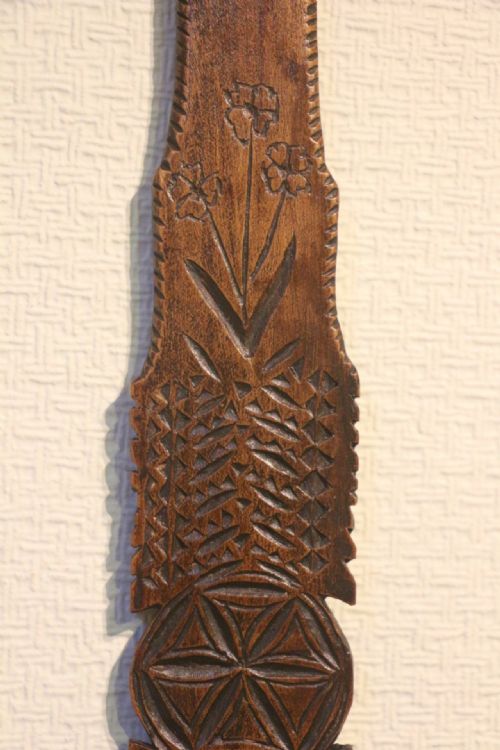
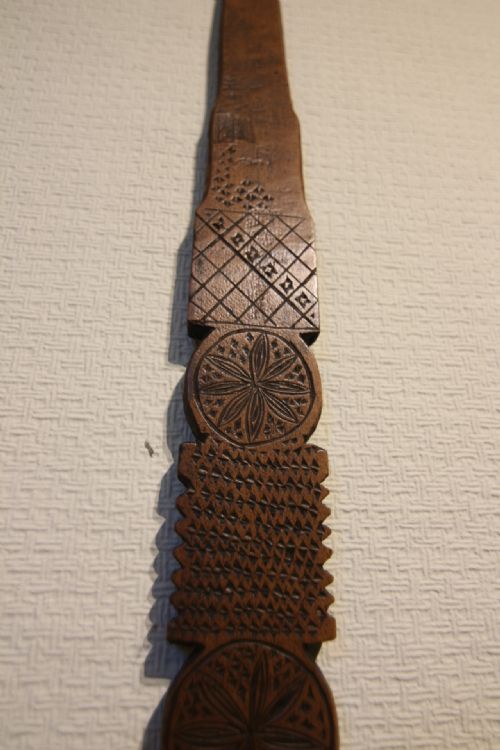
- A tool used in spinning to hold the unspun flax, wool, or other fibres. Carved wooden examples frequently display regional folk art motifs.
- Charkra
- A traditional portable spinning wheel originating from India. These compact wooden designs were utilised for spinning cotton.
- Folk art
- Art produced from an indigenous cultural tradition or by untrained artisans. Pieces in this category often display charming, unrefined decorative carvings.
- Side chair
- A chair without armrests designed for occasional seating or domestic work. In textile contexts, specific low-seated variants served spinners.
Brown Spinning Wheel: Frequently Asked Questions
What is a brown spinning wheel?
A brown spinning wheel is a historic textile tool constructed primarily from wood, designed to twist fibres into yarn. These traditional devices reflect centuries of domestic craftsmanship and rural industry.
Over time, many of these wheels and related objects transitioned from functional workshop tools into decorative items and collector pieces for the home.
How were spinning wheels used?
Spinners operated these devices by turning a drive wheel, often with a foot treadle or hand crank, which rapidly spun a spindle to draw out and twist raw fleece.
They served as essential household equipment for producing woollen or silk threads before industrial textile manufacturing became widespread.
Where do these objects originate?
The pieces span various regions, including British traditional workshops and international origins such as nineteenth-century India. Each geographical style incorporates local timber and distinct construction methods.
Makers utilised whatever materials were readily available locally, resulting in diverse forms ranging from sturdy oak frames to mounted silk wheels.
How do I care for wooden spinning wheels?
Wooden spinning wheels and related textile tools require stable indoor humidity levels to prevent timber from drying out or splitting. Gentle dusting with a dry cloth helps preserve the aged surfaces.
Avoid placing antique wooden objects near direct heat sources or in strong sunlight to maintain the natural finish of the hardwood.