

Brown Painting
When you search for a brown painting, you are looking at centuries of canvas, paper, and wood rendered in deep, earthy tones.
Brown Painting
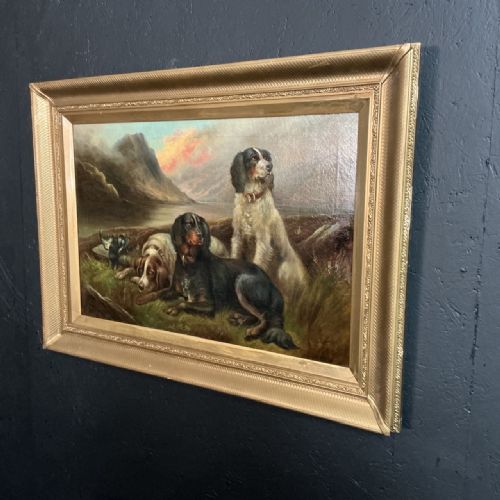
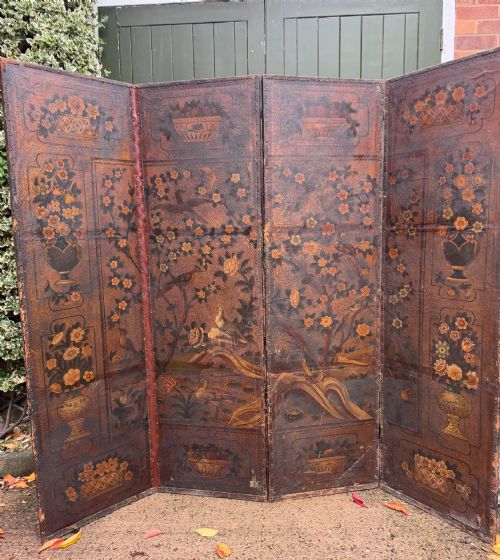
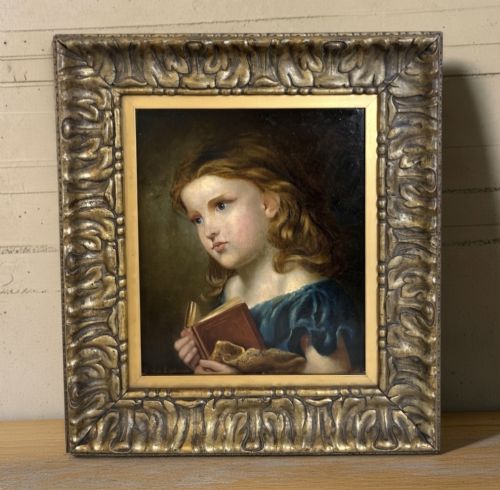
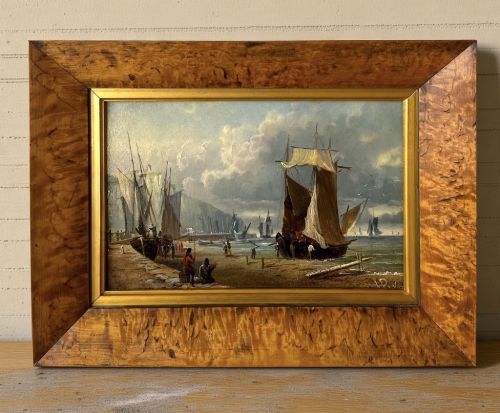
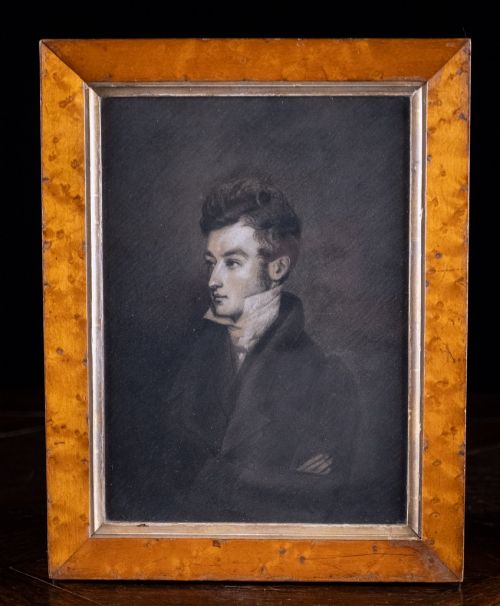
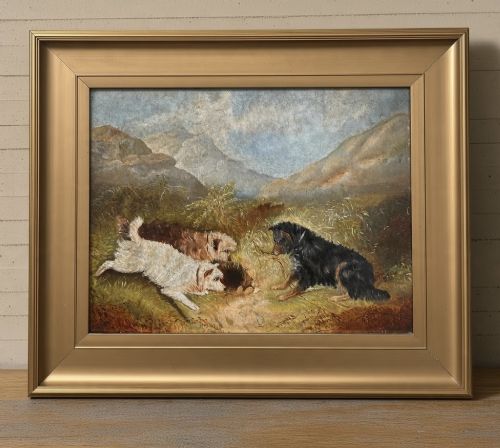
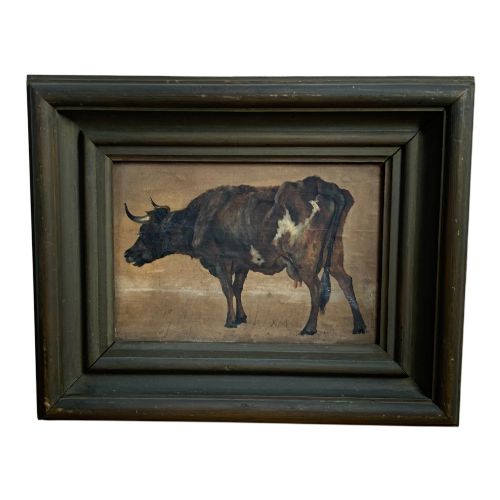
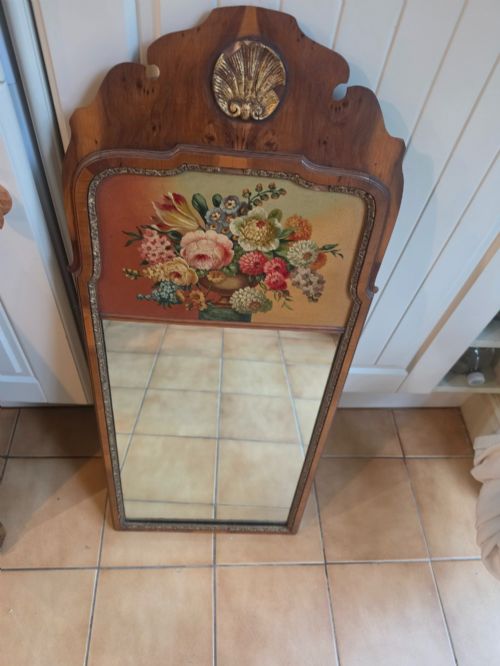
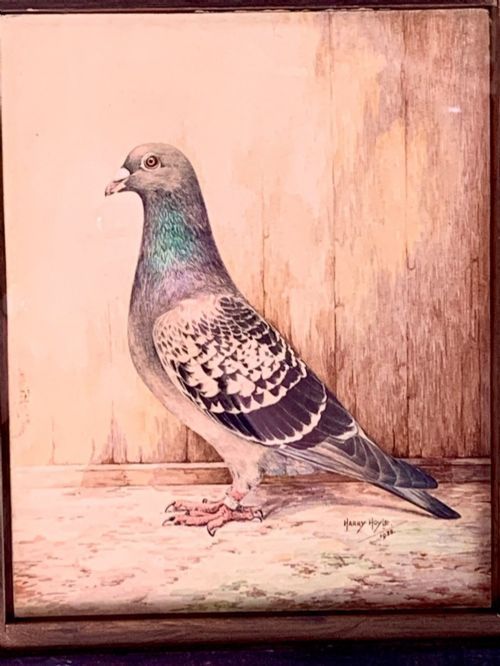
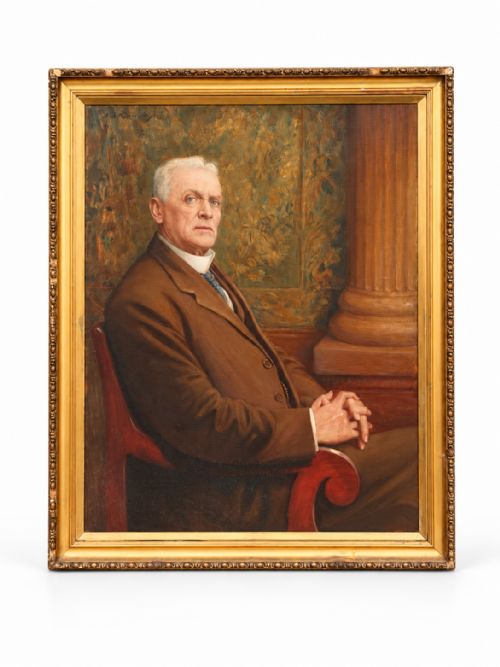
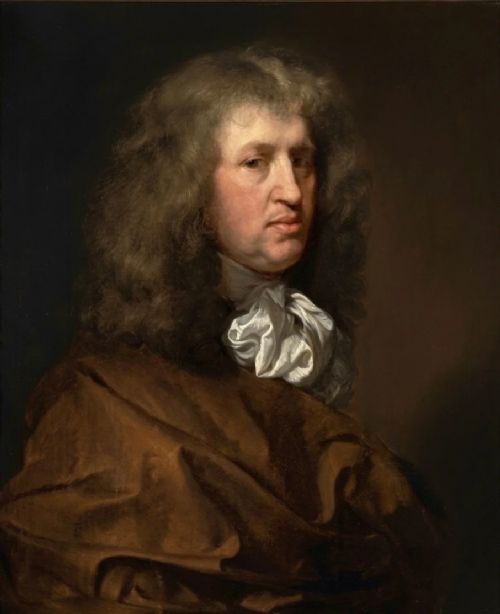
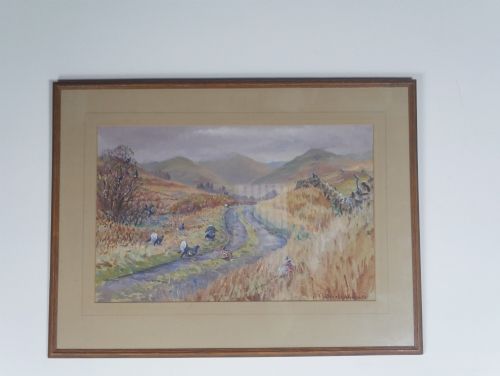
A brown painting encompasses a broad range of historical works executed on canvas, paper, and panel, spanning from the seventeenth century through to the mid-twentieth century. These pieces frequently manifest as portraits, landscapes, townscapes, and sporting scenes dominated by muted ochres, umbers, and sepia pigments.
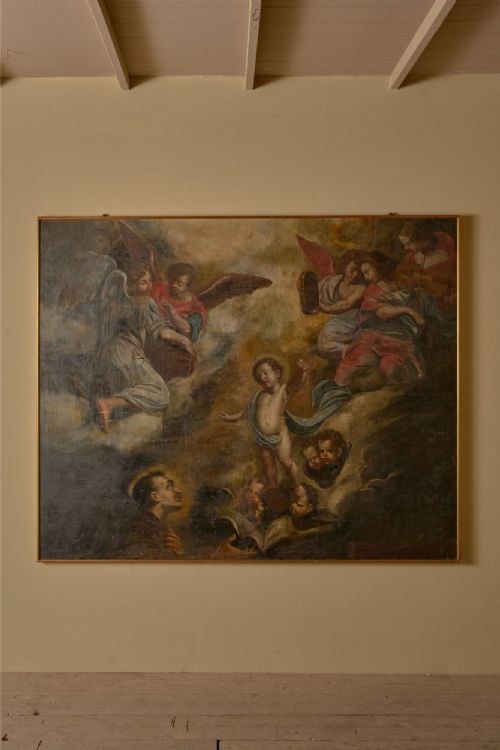
The version most commonly encountered on this page is the nineteenth-century oil painting on canvas, often depicting animals, rustic landscapes, or formal portraits. Alongside these canvases, buyers find watercolours, gouache works, and architectural designs sharing a similar palette of dark, atmospheric earth tones.
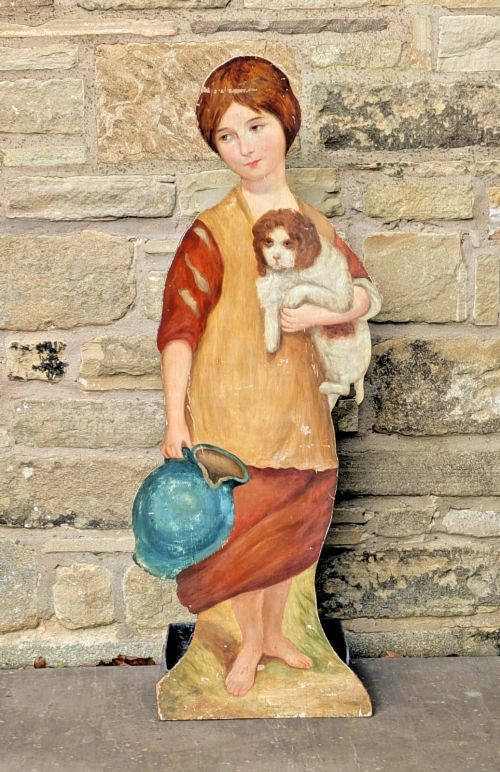
Works originate from various British, European, and colonial contexts, representing styles from Baroque and Georgian portraiture to Victorian folk art and mid-century impressionism. The common thread uniting these diverse objects is a reliance on natural, subdued colourations derived from historical pigments.
Materials and construction
Artists painted these works using oil paint, watercolour, gouache, and enamel applied to supports of woven canvas, heavy paper, and occasionally copper plates. Oil on canvas remains the dominant medium, often stretched over wooden frames and layered with natural earth pigments that darken gracefully over time.
Framing and mounting materials reflect the period of creation, utilising carved wood, gesso, and painted finishes that complement the sombre tones of the artwork within. Paper works frequently incorporate card supports and protective glass glazing to preserve delicate watercolours and pastel drawings.
Brown Painting Retail Price Guide 2026
Typical asking prices for brown painting among the pieces listed under this phrase on Sellingantiques today, from the lower quarter to the upper quarter. They describe what is for sale here now, not the wider market.
Listings feature works spanning from the seventeenth to the twentieth century, utilising oil, watercolour, enamel, and pastel.
Distinctions in quality
The standard of a piece rests upon the surety of the brushwork, the depth of tone within the dark palette, and the anatomical or perspective accuracy achieved by the artist. Master works display a confident handling of light and shadow, creating three-dimensional form out of monochromatic brown depths.
Provenance and attribution elevate certain works, particularly when signed by documented painters or linked to distinct regional schools. The preservation of the original support, whether unlined canvas or untouched paper, further distinguishes museum-grade examples from routine decorative items.
William Tayler·Richard Harry Carter·Kirk of Glasgow·Franz Bergman·Wright Barker RBA·Charles Eschard·Patricia F. Arnett·Thomas Fenwick·Jean Corbeau·Ernest Rigg·Sir Godfrey Kneller·Nella Damsma·V. Bruno·C. Williams·Angus Rands·Adolf Johann Höffler·John Horwood
The Brown Painting Glossary
- Oil on Canvas
- Pigment mixed with a drying oil, typically linseed, applied to stretched woven fabric. This medium allows for rich blending and deep tonal graduation.
- Gouache
- An opaque watercolour medium containing pigment and a binding agent, often water-soluble, used on paper to create solid matte areas of colour.
- Folk Art
- Artistic work created within a traditional culture by self-taught makers, often displaying charming disregard for formal academic perspective.
- Impasto
- Paint applied in thick layers that stand out from the surface, giving texture and physical presence to brushstrokes in mid-century works.
- Baroque
- A European style of art dating from the seventeenth and early eighteenth centuries, characterised by dramatic contrast between light and deep shadow.
Brown Painting: Frequently Asked Questions
What periods do these brown paintings cover?
The selections span from the seventeenth century through the Georgian and Victorian eras, extending into mid-century modern pieces.
Earlier centuries are represented by formal portraiture, while the nineteenth and twentieth centuries offer landscapes, animal studies, and townscapes.
How should I hang a dark oil painting?
These works benefit from placement against lighter wall backgrounds where deep umber and ochre tones can absorb and reflect ambient room light.
Avoid direct, harsh sunlight to protect historical pigments from fading, and utilise picture lights for controlled illumination.
What is the difference between oil and watercolour here?
Oil paintings utilise thick, pigmented linseed mediums on canvas or panel, offering rich texture and deep, buildable shadow.
Watercolours and gouache works are executed on paper under glass, presenting a lighter, more translucent application of earth pigments.
Are these paintings signed by the artists?
Many examples feature artist signatures, monograms, or period inscriptions on the front canvas or reverse stretcher bars.
Other works remain unattributed or belong to specific regional schools, identified instead by subject matter, technique, and era.