
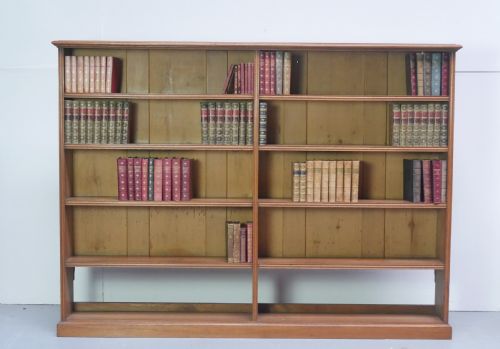
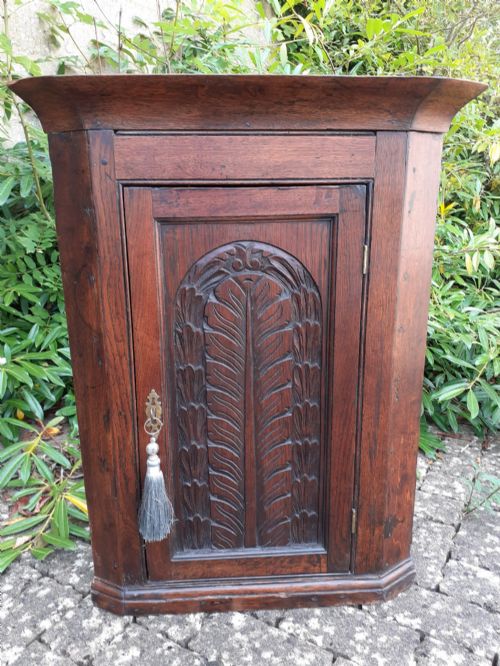
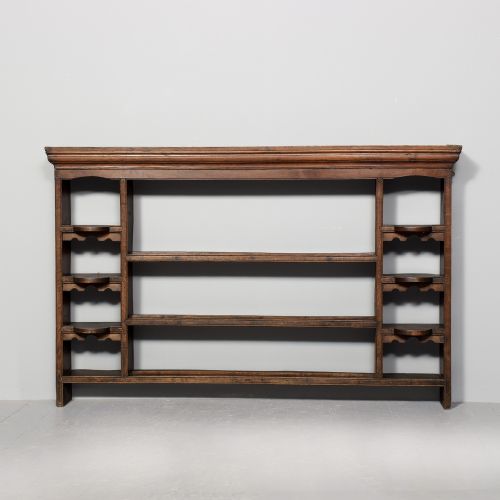


Brown Oak Wall Unit
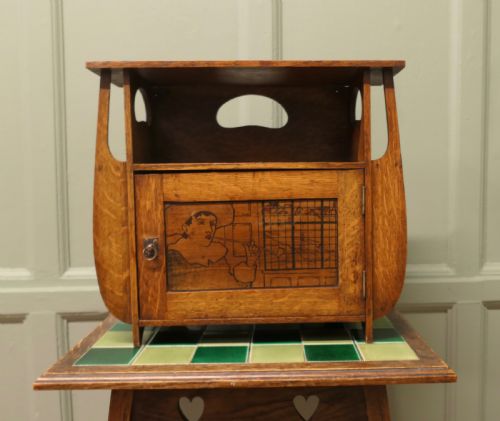
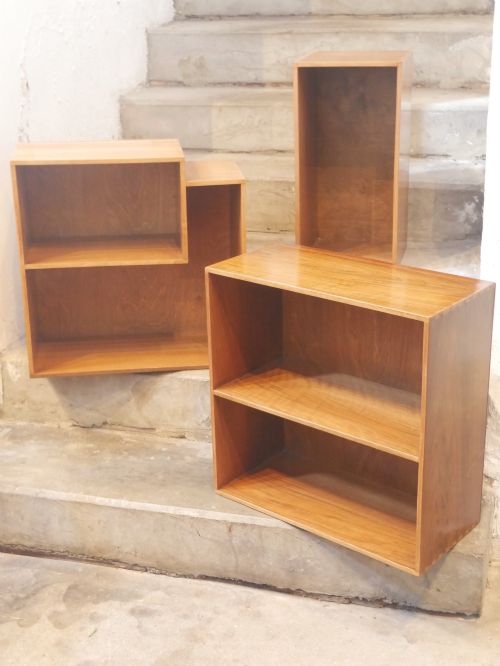
These brown oak wall units bring substantial timber and practical storage to any room, offering classic hanging cupboards and corner cabinets.
Brown Oak Wall Unit
When you search for a brown oak wall unit, you encounter pieces designed to utilise vertical space efficiently through corner cabinets, hanging cupboards, and wall shelves.
The selections span the eighteenth century and the Georgian period, alongside later Arts and Crafts, Victorian, and mid-century examples.
Most entries take the form of corner cupboards and wall-mounted shelving units, utilising native timbers with occasional fruitwood and walnut additions.
Materials and construction
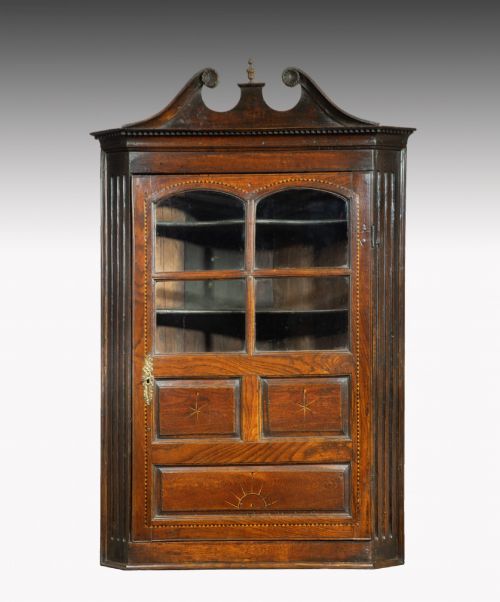
Makers utilised solid oak alongside brass for hardware and iron for fixings, occasionally incorporating glass panels and mahogany or satinwood inlays.
Later pieces introduce plywood and wood veneer alongside traditional solid timber construction methods.
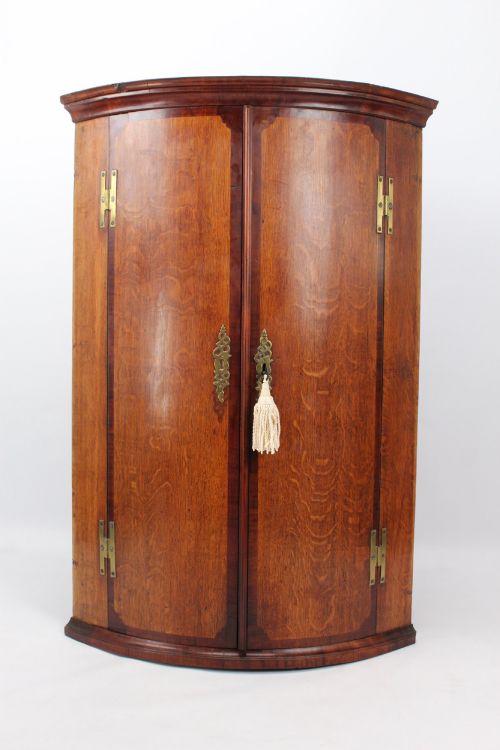
Storage forms range from enclosed bow front corner cupboards to open plate racks and hanging cloakroom mirrors.
Assessing quality
Quality rests on the selection of timber grain and the precision of the joinery used in framing doors and fixing shelves.
Decorative details such as inlays and original brass hinges distinguish finer examples from plain utility pieces.
Heals
The Brown Oak Wall Unit Glossary
- Bow front
- A convex curved cabinet front that projects outward from the corners. This shape appears frequently on Georgian corner cupboards.
- Corner cupboard
- A triangular storage piece designed to fit directly into a room angle. These utilise otherwise neglected space efficiently.
- Wall hanging shelves
- Open timber boards supported by vertical brackets fixed directly to a wall. They provide accessible display space for plates and small objects.
- Inlay
- A decorative technique where contrasting woods are inserted into the primary timber surface. This creates patterns and borders on cabinet doors.
- Plate rack
- A wall-mounted wooden frame featuring grooved ledges designed to display plates upright. They combine practical kitchen storage with visual display.
Brown Oak Wall Unit: Frequently Asked Questions
How do I hang a heavy oak wall cabinet?
Heavy oak pieces require secure fixings anchored directly into wall studs or masonry to support the weight of the timber and its contents safely.
Using appropriate brackets and heavy-duty screws ensures the cabinet remains stable over time.
Were corner cupboards built for specific rooms?
Georgian corner cupboards were typically made for dining rooms and parlours to store ceramics and glassware securely.
Their triangular footprint allowed them to utilise corner spaces efficiently in smaller domestic interiors.
How do I distinguish Georgian from later oak furniture?
Georgian pieces display hand-cut joinery methods and traditional fixings that differ from the machine-cut precision seen in later nineteenth and twentieth-century items.
Timber patination and construction details provide reliable indicators of age.
Can I use an antique wall shelf in a bathroom?
Oak wall shelves function well in bathrooms if protected from excessive moisture and direct water contact.
Regular care helps preserve the timber finish in humid environments.