
Brown Oak Storage
Brown oak storage brings together centuries of dense timber furniture designed to keep clothes, books and precious items safe.
Brown Oak Storage
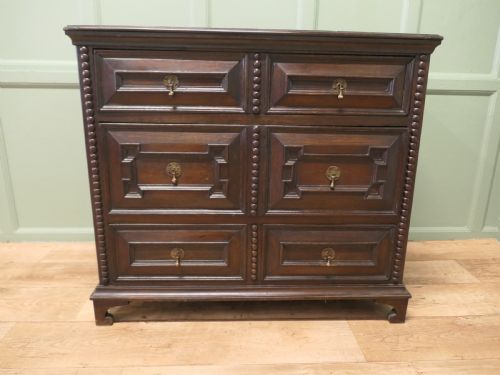
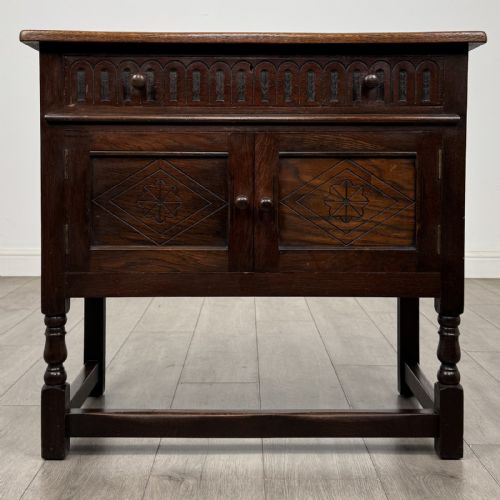
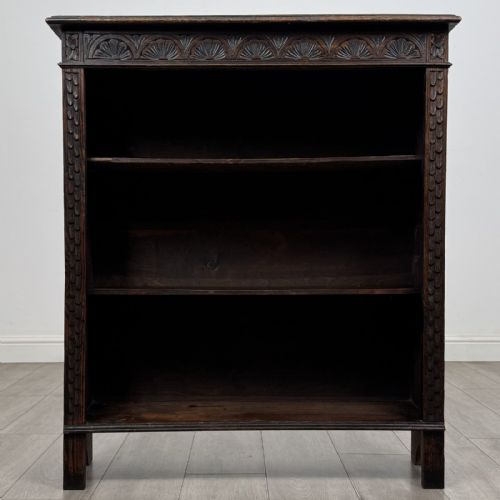
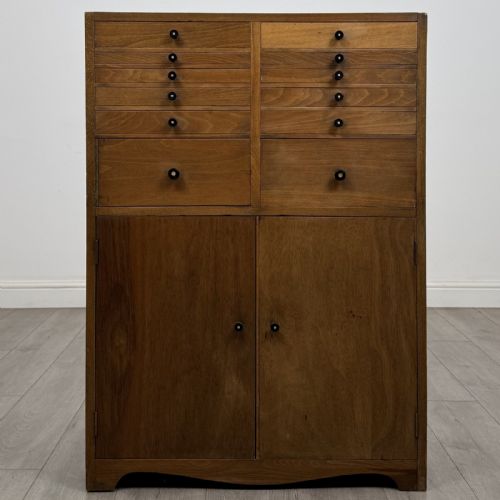
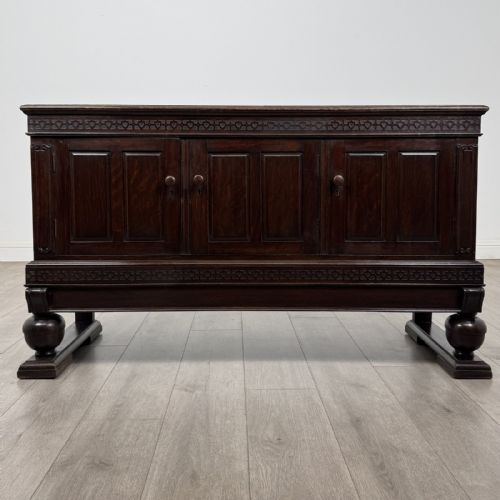
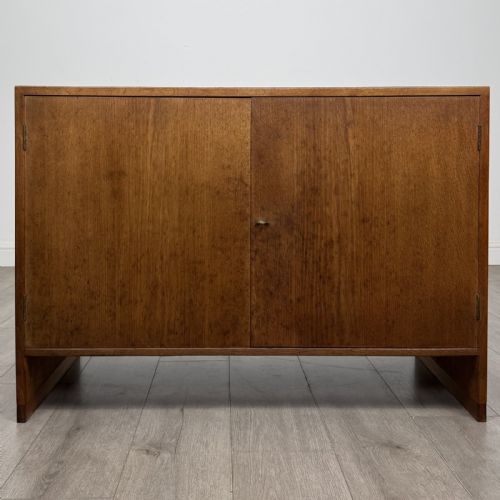
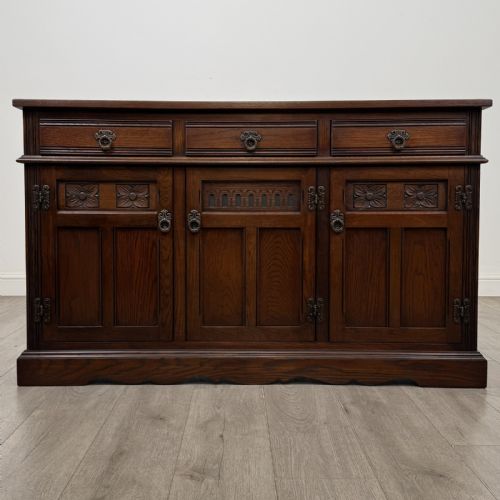
Brown oak storage encompasses chests of drawers, blanket boxes, bookcases, sideboards, cupboards, and cabinets originating from the seventeenth, eighteenth, nineteenth, and twentieth centuries. These pieces reflect the enduring utility of British timber across periods ranging from the robust craftsmanship of the seventeenth century to the polished designs of the Edwardian era.
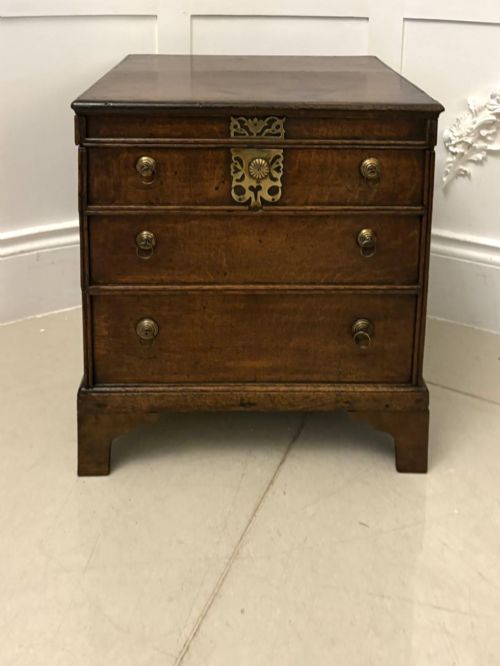
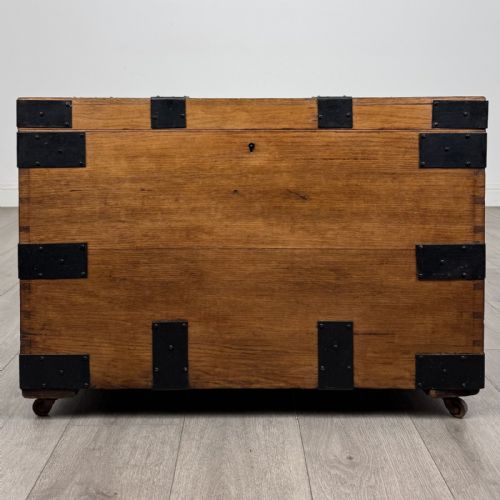
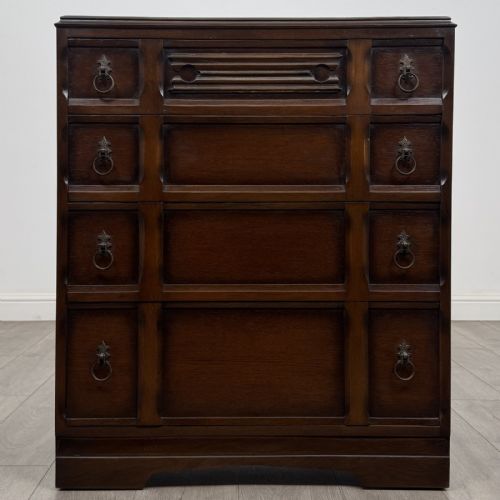
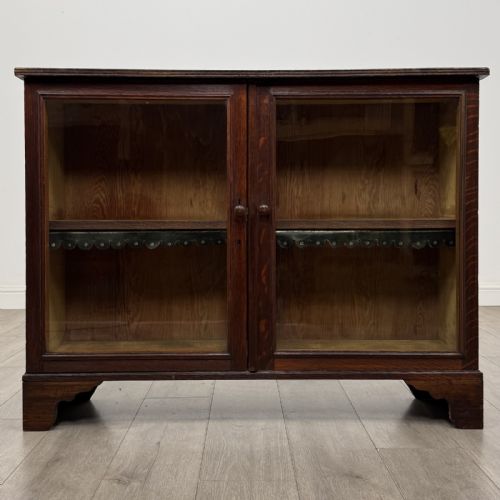
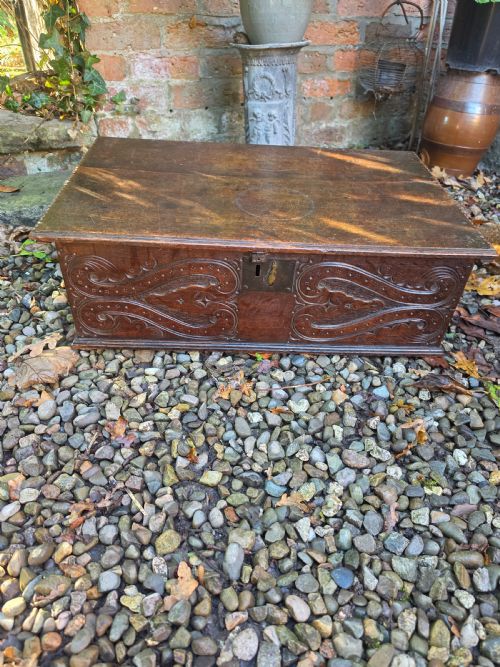
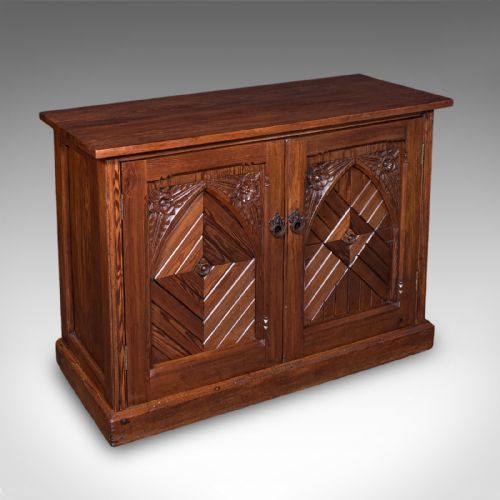
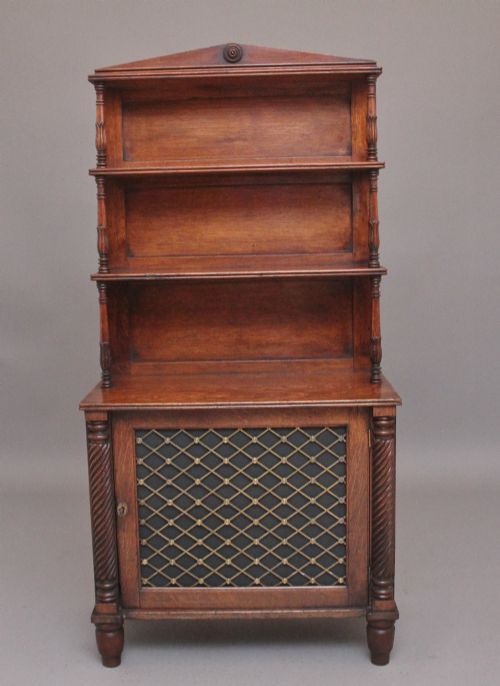
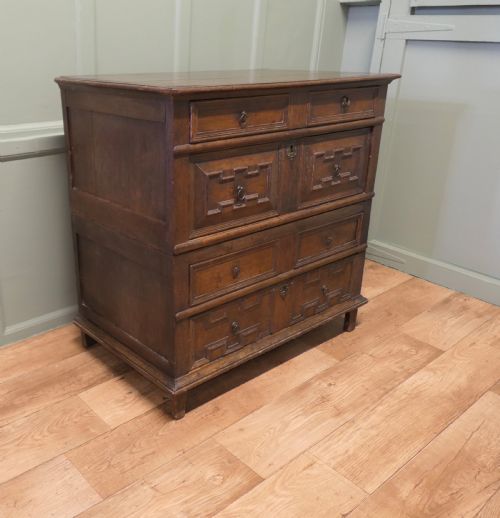
Buyers encountering brown oak storage on this page will most frequently find chests of drawers and cupboards shaped by Georgian proportion or Victorian heft. Pieces span simple plank coffers, Bible boxes, and coffer bachs through to glazed display cabinets and sectional bookcases with adjustable shelves.
Stylistic influences vary widely, drawing on Georgian restraint, Jacobean carving, Gothic Revival lines, Arts and Crafts movement ideals, and Charles II traditions. The assortment bridges utilitarian domestic furniture and decorative reception room storage.
Evaluating Quality
Quality rests in the integrity of the timber, the crispness of carved details, and the survival of original hardware such as brass handles and iron bindings. Superior examples maintain structural cohesion across centuries, with drawers that glide smoothly and doors that hang true on their hinges.
Finer pieces display thoughtful proportions, such as small dimensions or delicate turned legs, whereas lesser examples show heavier, utilitarian construction. The distinction lies between vernacular utility items built for daily chores and refined cabinet work intended for principal rooms.
Listings feature oak combined with brass, iron, glass, metal, leather, and pine across Georgian, Victorian, and Edwardian periods.
Lebus·Shapland and Petter
The Brown Oak Storage Glossary
- Coffer
- A heavy wooden chest traditionally used for storing valuables or linens. Early versions feature simple plank construction or panelled oak sides.
- Wellington chest
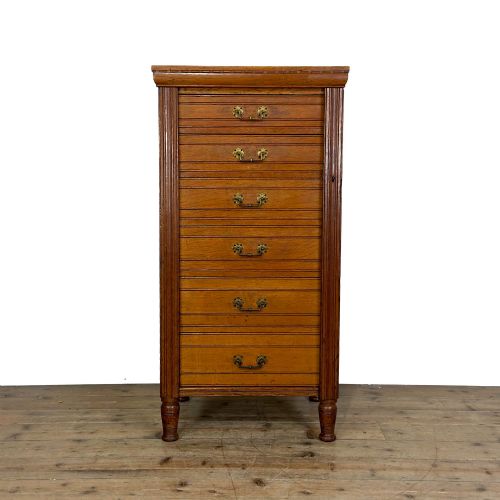
- A tall, narrow chest of drawers secured by a locking side flap that fastens over the drawer edges. This form gained popularity during the Victorian period.
- Gallery
- A raised wooden edge or rail running along the top surface of a chest of drawers or cabinet. It prevents items from sliding off the top.
- Coffer bach
- A small Welsh chest, usually fitted with a drawer beneath the main compartment. These miniature repositories served domestic storage needs in the eighteenth century.
- Sectional bookcase
- A modular bookcase built in stacked tiers that can be separated or rearranged. This design became common around nineteen hundred.
Brown Oak Storage: Frequently Asked Questions
How do I clean brown oak storage?
Dust surfaces regularly with a soft, dry cloth to prevent grit accumulation. Avoid modern silicone polishes, opting instead for traditional beeswax applied sparingly to nourish the timber.
Keep pieces away from direct heat sources and dramatic humidity shifts to protect joints from shrinking or cracking.
How do I identify seventeenth-century oak?
Seventeenth-century oak furniture displays hand-riven timber marked by visible medullary rays, often referred to as silver grain. Construction relies on pegged mortise and tenon joints rather than modern mechanical fasteners.
Surfaces usually show deep patination accumulated through generations of use, alongside simpler hand-planed tool marks.
Are these cabinets suitable for books?
Many cupboards and bookcases from the Victorian and Edwardian periods suit modern book storage, particularly those featuring adjustable shelves. Glazed doors protect volumes from dust while allowing clear visibility.
Buyers should check shelf depth and weight tolerance before loading heavier volumes into antique shelving.