
Brown Oak Console
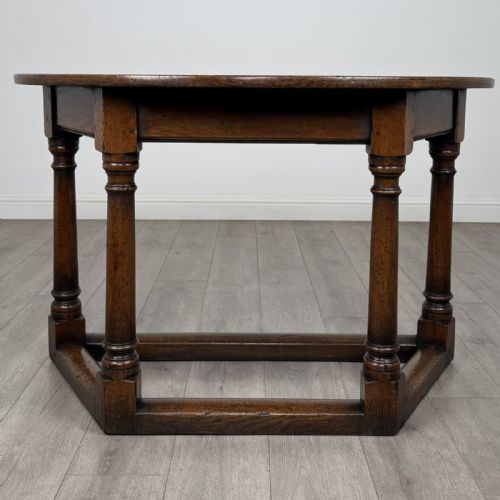
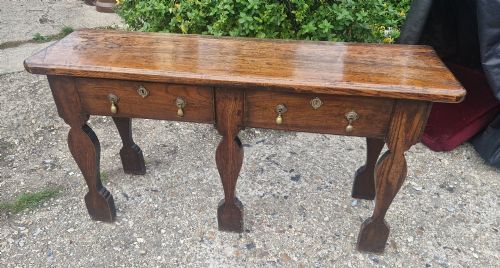
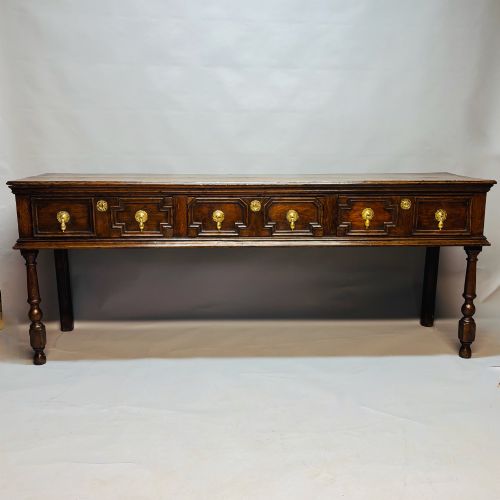
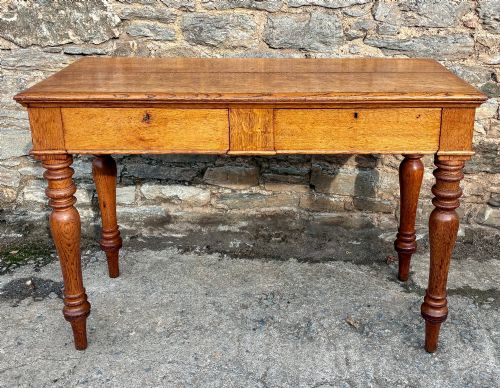
A brown oak console brings warm, figured grain and sturdy construction to an entrance hall or living space.
Brown Oak Console
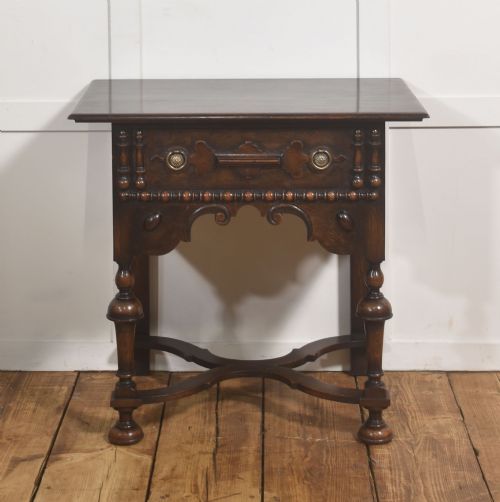
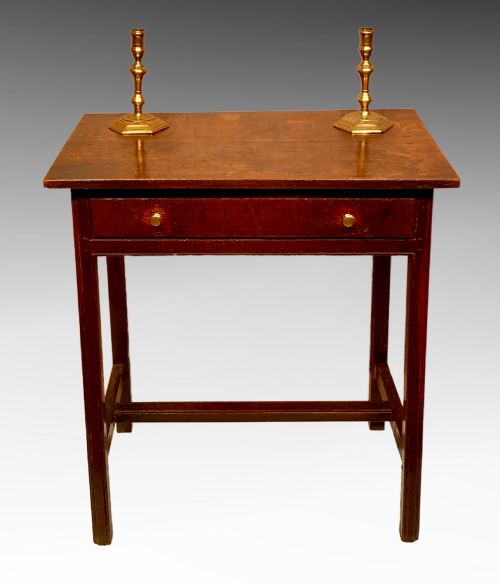
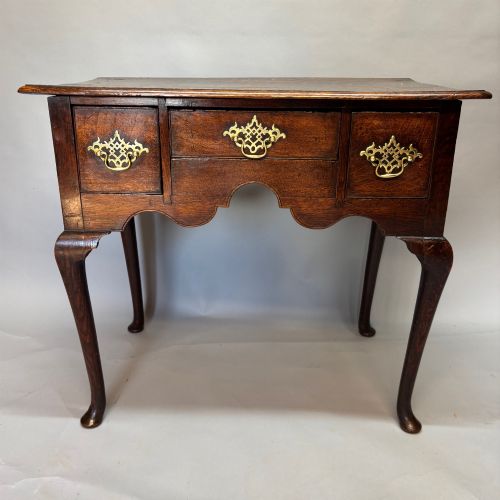
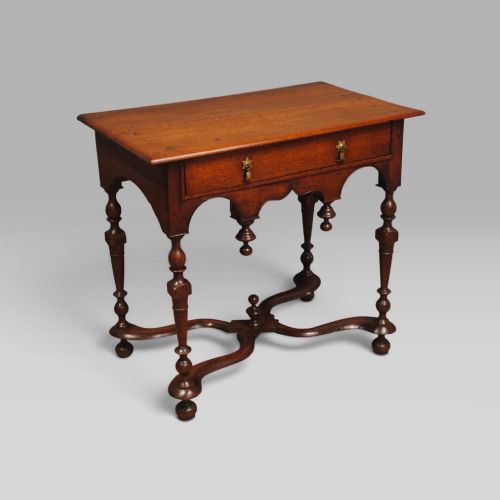
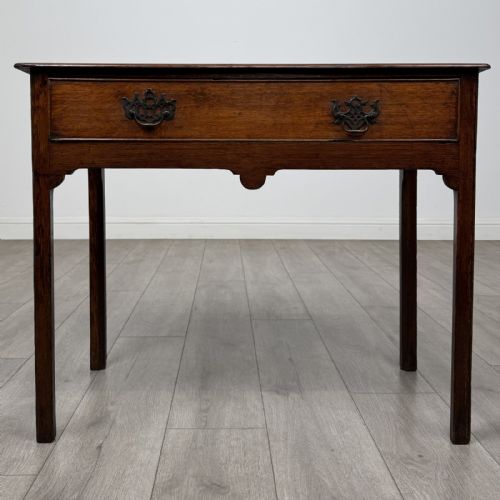
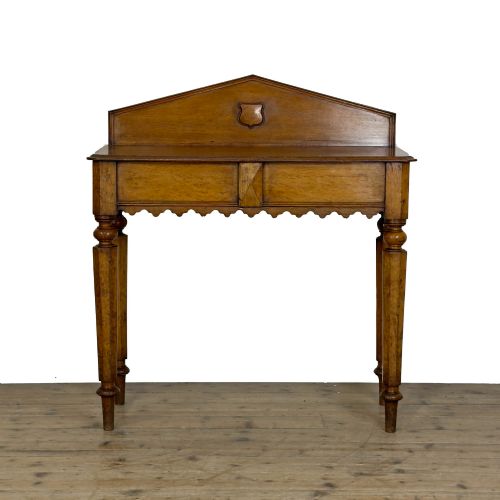
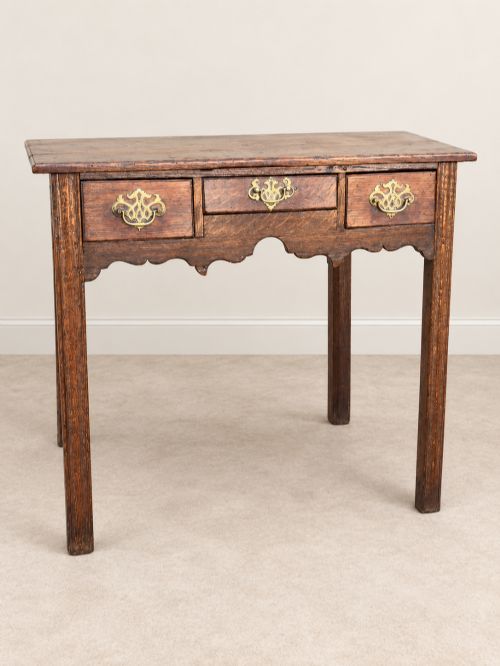
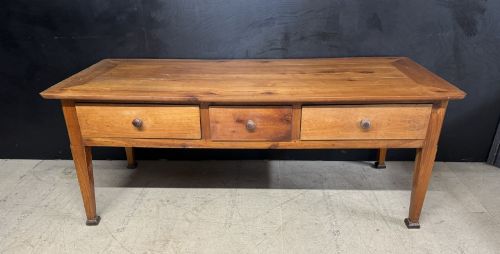
The form often takes shape as a lowboy, a dresser base, or a narrow side table designed to sit against a wall without taking up excessive floor space. Many examples incorporate drawers for storage or feature simple, functional surfaces suited to daily use.
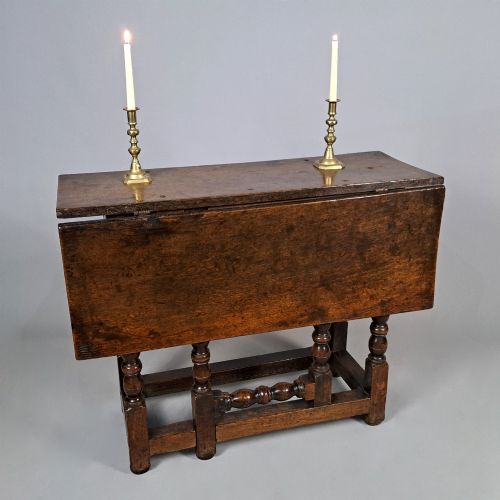
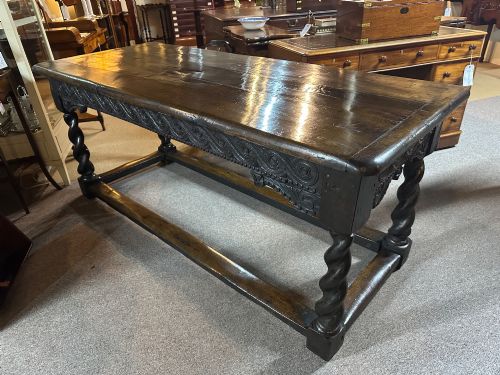
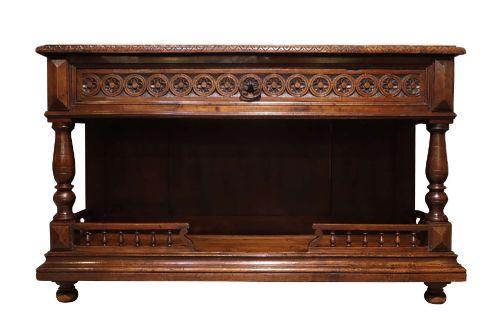
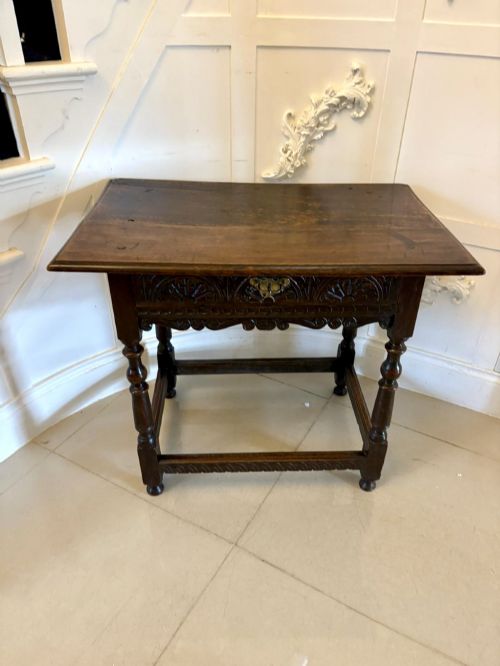
Makers working within Georgian, Victorian, and Edwardian traditions adapted the timber for domestic settings, resulting in both formal cabriole-legged designs and sturdier rustic tables. The selection ranges from early joined framework to later inlaid or carved interpretations.
What varies in quality
Quality rests in the selection of the timber, particularly the depth of the brown oak colour and the vibrancy of the grain pattern across the top board. Superior pieces display thoughtful proportions and harmonious integration of drawers or aprons.
The integrity of the construction distinguishes finer examples, where joints remain tight and original timber has not been heavily replaced. Refined carving and elegant leg forms, such as cabriole or tapered styles, indicate a higher level of workshop skill.
Materials paired with oak across these tables include brass handles, iron hardware, and occasional contrasting fruitwood timbers.
Beresford and Hicks
The Brown Oak Console Glossary
- Lowboy
- A small oak or mahogany table with drawers, typically used as a dressing table or side table in eighteenth-century interiors.
- Dresser base
- A lower sideboard unit featuring cupboards or drawers, originally utilised in country houses for food preparation and storage.
- Mortise and tenon
- A traditional woodworking joint where a projecting tongue fits securely into a corresponding cavity to lock timbers together.
- Cabriole leg
- A furniture leg featuring a double curve, bulging outward at the knee and tapering inward toward the foot.
Brown Oak Console: Frequently Asked Questions
What is a brown oak console?
A brown oak console is a narrow table designed for placement against a wall, utilising timber known for its deep, rich colour and prominent grain.
These pieces function as hall tables, lowboys, or serving surfaces, drawing on styles from the seventeenth century onward.
How do I date an oak table?
Dating relies on examining construction methods, such as hand-cut dovetails, pegged joints, and the tool marks left on hidden secondary timbers.
Design motifs like cabriole legs, turned supports, or Edwardian inlay also offer clear indicators of the period of manufacture.
Where should I place a console table?
These tables suit entrance halls, narrow corridors, or living rooms where surface space is needed without blocking thoroughfares.
Their shallow depth allows them to sit neatly behind sofas or against blank walls while displaying lamps or decorative objects.
How do I care for antique oak?
Antique oak benefits from occasional applications of natural beeswax to nourish the timber and protect the surface from drying out.
Keep tables away from direct heat sources and strong sunlight to preserve the colour and prevent the wood from warping.