


Brown Leather Desk Pad
These brown leather desk pad listings offer utilitarian seating and accessories spanning several centuries of British craftsmanship.

Brown Leather Desk Pad
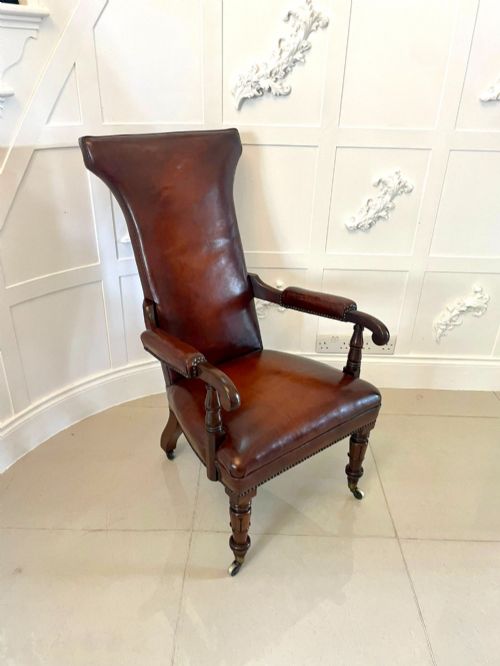
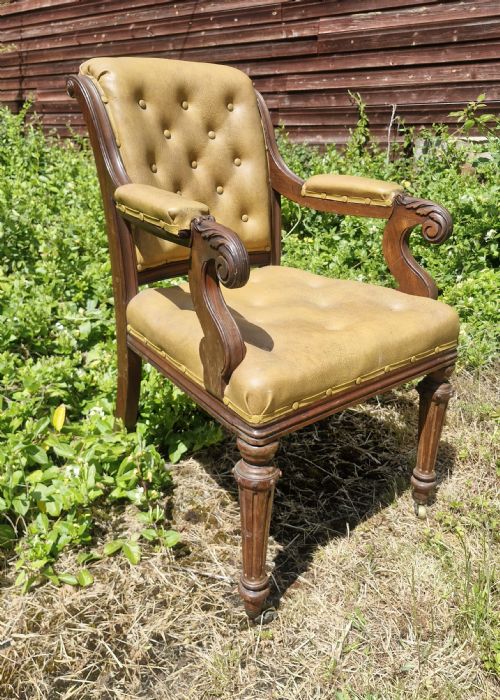
Most examples found on this page consist of mahogany, oak, and walnut chairs featuring inset leather seats designed for practical study and office use. Pieces stretch back to the eighteenth century, including Georgian and Regency styles alongside later revival forms.
Buyers also meet occasional rocking chairs, side chairs, and larger library chairs that serve similar workspace functions. Each item reflects the domestic and institutional requirements of its period of origin.
How they were made
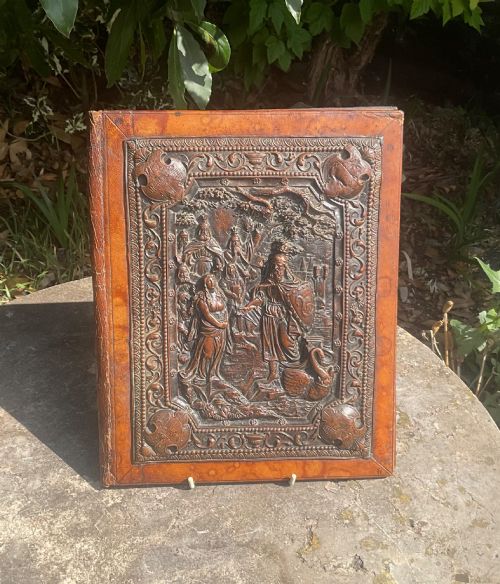
Construction relies heavily on dense timbers such as mahogany, oak, and walnut, often shaped into robust frames capable of withstanding daily use. Brass and copper occasionally appear as decorative or functional accents, particularly on blotters and swivel mechanisms.
Leather forms the primary writing and seating surface, secured to wooden frames with traditional methods. Artisans utilised carving, bending, and turning techniques to shape both structural supports and decorative flourishes across the various periods.
Periods represented span from the 18th Century through the Victorian and Edwardian eras up to the 1920s.
What varies in quality
The degree of hand-carving and the choice of secondary timbers distinguish standard production pieces from finer workshop outputs. Superior examples display tighter joinery and more refined proportions in the arms and backrests.
The integration of the leather insert relative to the wooden surround indicates the level of care taken during original assembly. Age-related wear on both the timber and the hide surface reflects the individual history of each piece.
Holland & Son's·Thonet·Daws·Wagner Lohengrin
The Brown Leather Desk Pad Glossary
- Bergère
- An enclosed armchair with a wooden frame and cane or upholstered sides. This French-influenced form provides a solid yet lighter appearance than solid-panelled alternatives.
- Elbow chair
- A seating item with armrests designed for desk or dining use. These pieces offer lateral support while remaining compact enough to tuck beneath a writing table.
- Blotter
- A desktop accessory used for absorbing excess ink from handwritten documents. They often incorporate materials like copper and leather to protect the writing surface.
- Swivel mechanism
- The internal pivot arrangement allowing a chair seat to rotate. Found on later nineteenth and early twentieth-century desk chairs to improve office mobility.
- Bow back
- A curved wooden backrest formed in a continuous sweep from one arm to the other. This design distributes pressure evenly across the upper frame.
Brown Leather Desk Pad: Frequently Asked Questions
What periods do these desk chairs come from?
The listings encompass items produced from the eighteenth century through to the early twentieth century. This includes specific eras such as the Victorian, Edwardian, and Regency periods.
Craftsmanship evolves across these timelines, moving from heavier Georgian proportions to lighter Edwardian and revival interpretations.
How do I identify an Edwardian desk chair?
Edwardian seating typically dates from the early twentieth century, showing lighter timber frames and refined Edwardian aesthetic influences. They often combine mahogany or oak with practical leather inserts.
Comparison with earlier Victorian pieces reveals less heavy carving and a greater focus on domestic comfort.
Are these items suitable for modern workspaces?
Many of these period chairs and accessories function effectively in contemporary studies and home offices. Their traditional dimensions align well with standard desk heights.
Care should be taken to measure clearance beneath specific desk models, particularly when considering swivel or elbow variants.
What timber types are most common?
Mahogany, oak, and walnut dominate the construction materials across the available inventory. These hardwoods provided the necessary structural integrity for daily office and library use.
Secondary materials like brass, cane, and copper appear selectively to support moving parts or decorative panels.