



Brown Leather Chesterfield Sofa
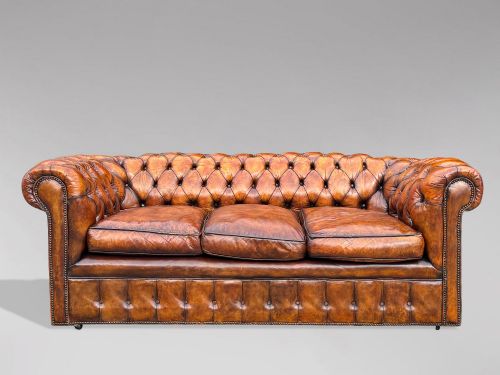
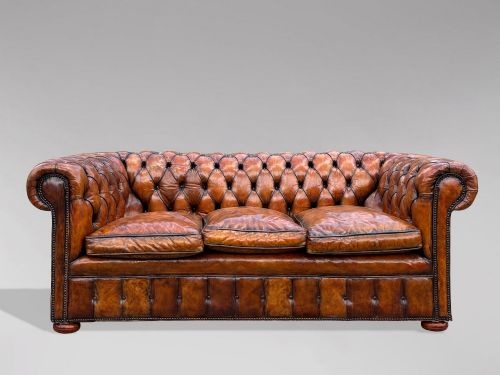
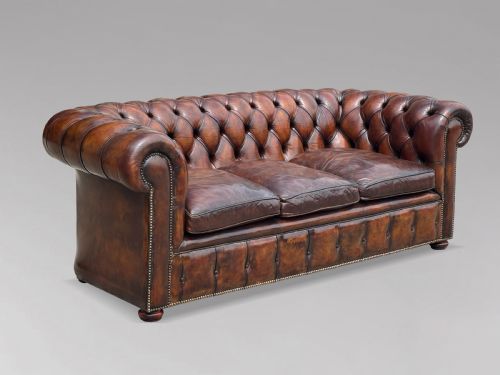
A brown leather chesterfield sofa brings deep buttoned character and rich patination to a room, anchored in Victorian and Edwardian craftsmanship.
Brown Leather Chesterfield Sofa
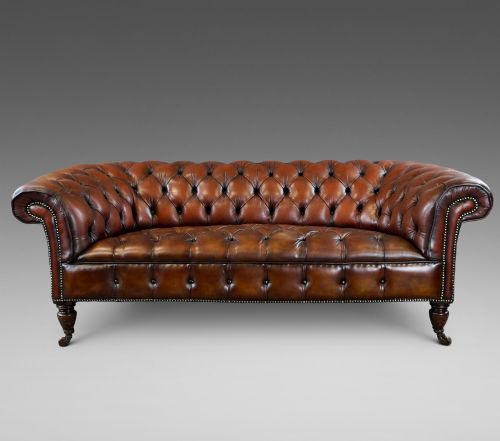
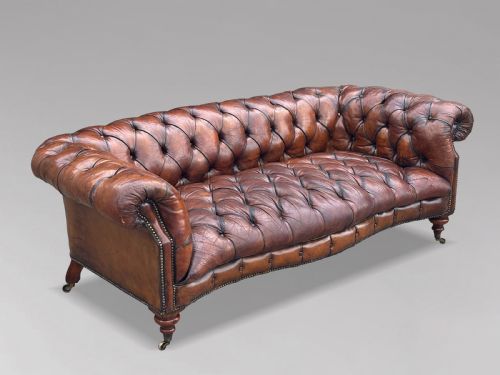
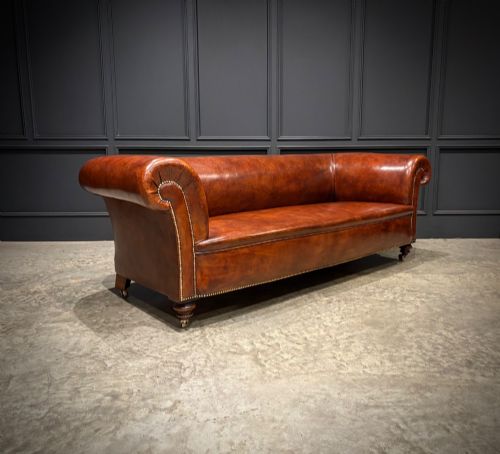
A brown leather chesterfield sofa is a defining form of seating, most commonly met here in nineteenth-century and early twentieth-century editions. These pieces range from standard three-seater sofas and deep club designs to serpentine fronts, corner configurations, and matched armchair suites.
The selection includes robust Victorian examples alongside early twentieth-century hand-dyed variants and occasional Regency frames. Buyers encounter both fully restored finishes with rich whisky tones and untouched original leathers carrying the marks of long history.
What varies in quality
Quality rests in the integrity of the underlying hardwood frame and the depth of the carved woodwork, where walnut and mahogany show superior crispness. The character of the leather separation matters greatly, distinguishing honest age and patination from heavy modern intervention.
Internal construction also defines the tier, with traditional horsehair stuffing and coil adoring separating robust artisan builds from lighter alternatives. Furthermore, sophisticated elements like serpentine fronts and carved show frames elevate specific pieces above standard multi-seater formats.
Certain Victorian benches served duty in snooker halls, bearing the quiet scuffs of centuries of cue-leaning spectators.
Howard and Sons·Hampton and Sons of Pall Mall
The Brown Leather Chesterfield Sofa Glossary
- Chesterfield
- A traditional style of upholstered seating characterised by deep buttoning and arms matching the height of the back. It remains a cornerstone of British seating design.
- Show frame
- A visible wooden structural framework, often carved from walnut or mahogany, framing the upholstered sections. This highlights the decorative ambitions of the maker.
- Button back
- An upholstery technique where buttons are pulled deep into the padding to create a diamond pattern. This secures the filling and provides firm support.
- Serpentine
- A curved front edge undulating outward in the centre and inward at the sides. It signals a more complex and ambitious cabinetmaker's design.
- Hand dyed
- A colouring process applied to leather to achieve variable tones and an aged patina. This technique mimics the natural shading acquired over decades.
Brown Leather Chesterfield Sofa: Frequently Asked Questions
How do I date a chesterfield sofa?
Dating relies on examining the framing timbers, upholstery methods, and overall silhouette. Nineteenth-century examples often display heavy mahogany or walnut frames alongside traditional horsehair stuffing.
Later pieces from the twentieth century introduce different dye treatments and altered spring configurations. Comparing these structural clues against known period styles helps clarify the age.
What is hand dyed leather?
Hand dyed leather involves applying colour by hand to achieve rich tonal variations and a mellow whisky hue. This process enhances the natural grain and texture of the hide.
Makers utilise this method to replicate the historic patination found on antique pieces. It results in a depth of colour unavailable in factory-standard hides.
How do I care for antique leather?
Antique leather requires gentle maintenance to preserve its natural oils and prevent cracking. Regular dusting and occasional application of suitable leather balms keep the hide supple.
Direct sunlight and extreme heat sources should be avoided to protect the original finish. Proper environmental care ensures the patination remains stable over time.
Are original un-restored sofas better?
Original un-restored sofas retain their authentic wear and earliest layers of leather and stuffing. Collectors often value this untouched state for its genuine historical record.
Restored pieces, conversely, offer renewed structural stability and refreshed leather surfaces for daily use. The choice depends on whether one prioritises untouched age or functional readiness.