
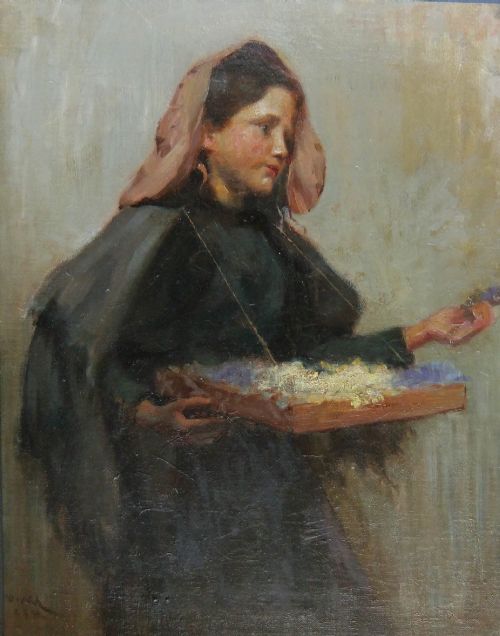
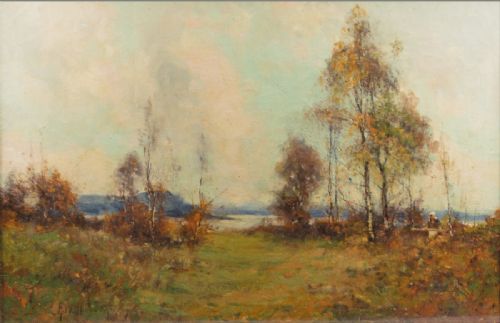

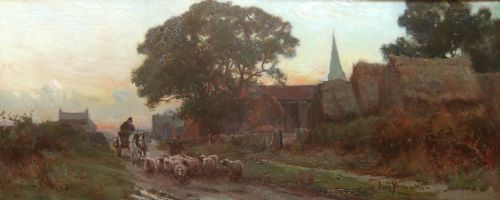
Brown Impressionist Oil Canvas
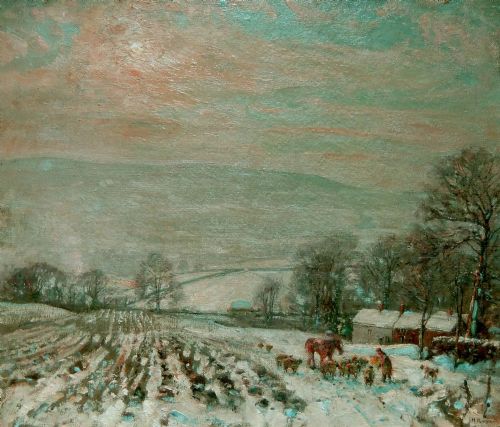
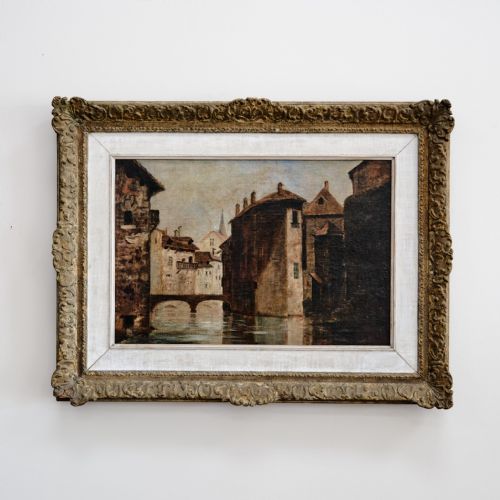
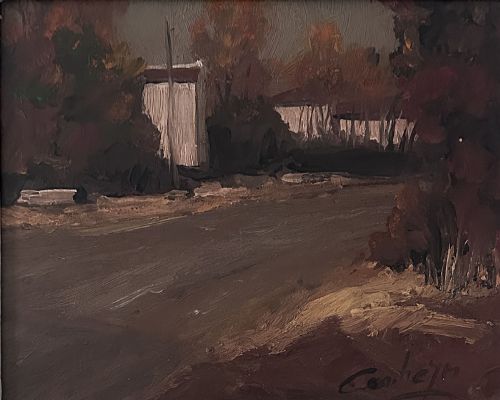
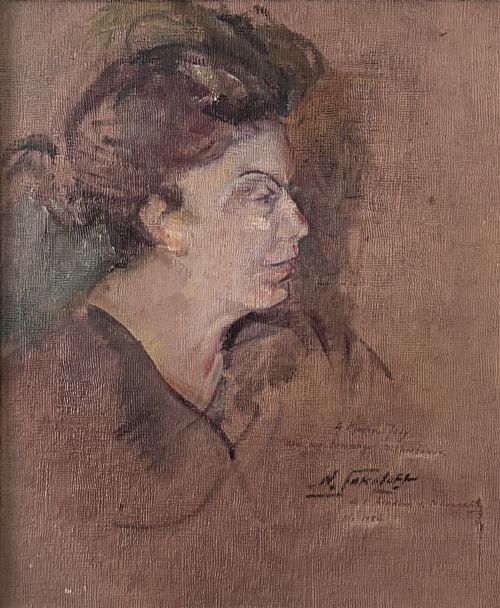
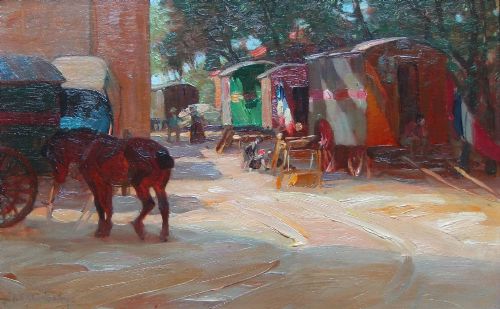
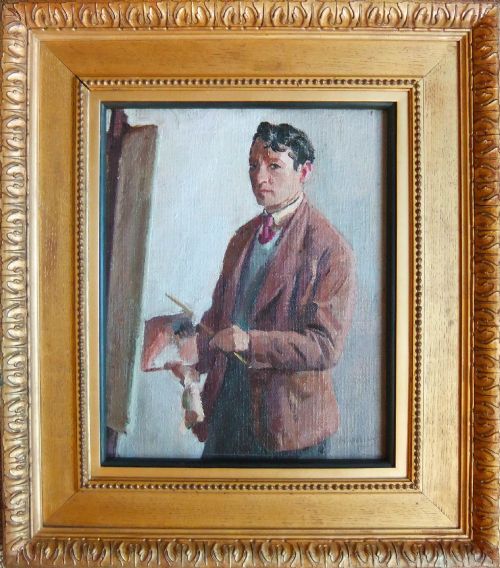
A brown impressionist oil canvas brings atmosphere and texture to a room, capturing light and shadow through layered pigment.
Brown Impressionist Oil Canvas
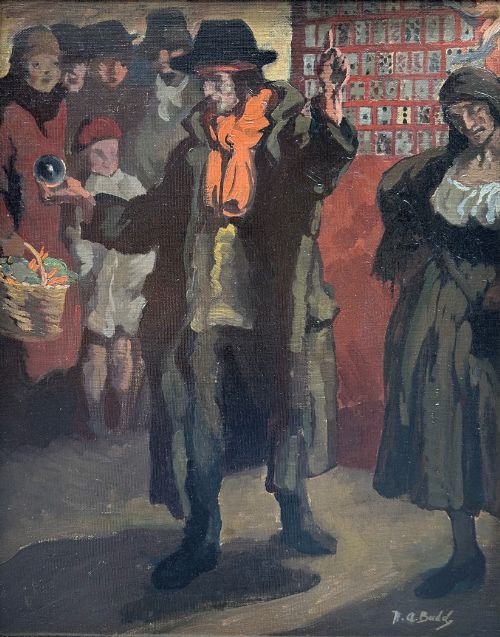
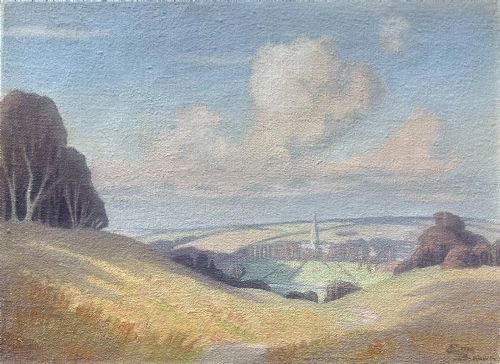
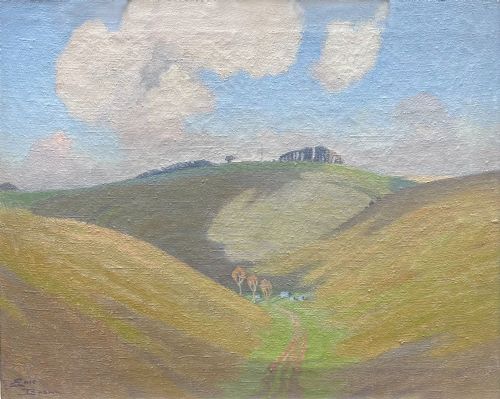
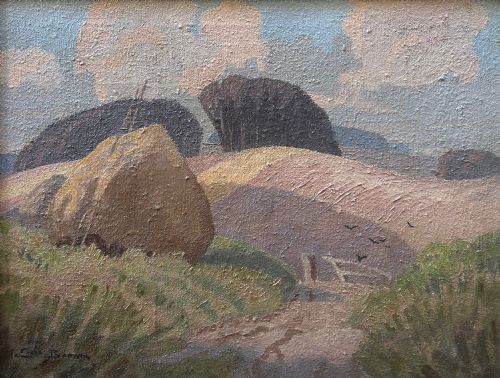
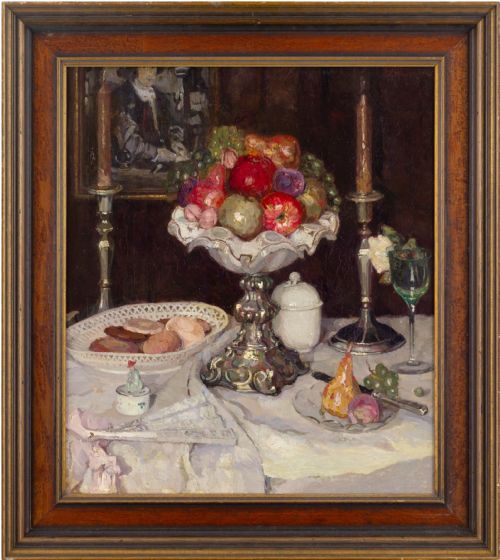
A brown impressionist oil canvas is a fine art painting created with oil paint on a woven textile support, often depicting landscapes, portraits, or still life scenes. These works capture transient effects of light and atmosphere using broken brushwork and natural colour palettes dominated by earthy tones.
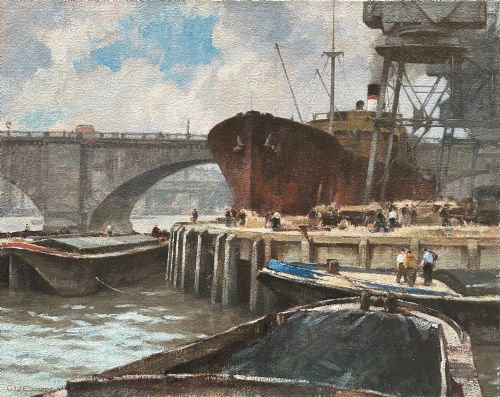
The selections found here span from the nineteenth century through the mid twentieth century, representing British, French, Belgian, and Canadian traditions. Landscapes featuring rural fields, harbours, and river scenes appear alongside intimate domestic portraits and still lifes.
How they were made
Painters applied oil paint to stretched canvas using loaded brushes and palette knives, building texture through thick impasto and layered glazes. Many works are housed in wooden frames finished with gesso and gold leaf.
The technical approach prioritises spontaneous brushwork over precise academic detail, allowing the physical quality of the paint to describe form and luminosity.
Domestic scenes occasionally feature biscuits and candlesticks sharing table space with quiet fruit arrangements.
What varies in quality
The strength of a composition and the confidence of the brushwork distinguish the finest examples from more routine works. Mastery of tone and light brings vitality to the canvas, transforming simple subjects like a winter meadow or a quiet harbour into compelling studies.
Condition also plays a role in how a painting reads today, particularly the stability of the paint layer and the preservation of the original surface texture across the canvas.
Herbert Royle·Cyril Walduck Edwards·Herbert Ashwin Budd·Eric Brown·Else Preußner·Paul Ehrenberg·Philip Naviasky·William Watt Milne·Alexander Wellwood Rattray·John Horace Hooper·Owen Bowen·David Pelbam·Frans Gailliard·Harry Freckleton·Gyrth Russell·Raimond Louis Lecourt·Ron Folland·Henri Joseph Pauwels·E A Minardo·William Greaves·James William Booth·Ronald Ossory Dunlop·Fred Stead
The Brown Impressionist Oil Canvas Glossary
- Impasto
- Paint applied thickly to a canvas, standing out in relief from the surface and retaining the marks of the brush or palette knife.
- Gesso
- A traditional primer mixture of gypsum, chalk, and binder used to prepare wooden panels and canvas frames before gilding or painting.
- Luminist
- An artist focused on the effects of light on landscape, paying close attention to atmospheric haze and subtle tonal shifts.
- Post-Impressionism
- An art movement extending impressionist techniques while rejecting its limitations, favouring more structured forms and expressive use of paint.
Brown Impressionist Oil Canvas: Frequently Asked Questions
How should I hang an oil painting?
Hang your canvas on a sturdy wall away from direct sunlight and strong heat sources. Maintaining a stable indoor climate protects both the canvas and the wooden frame.
Ensure the hanging wire and fixings are correctly rated for the weight of the framed artwork to keep it secure.
What is the difference between impressionism and post-impressionism?
Impressionism focuses on capturing fleeting moments of light and everyday scenes with rapid brushstrokes. Post-impressionism builds upon these techniques by emphasising geometric forms and more expressive use of colour.
Both styles are represented across the nineteenth and twentieth century works available on this page.
Are these paintings supplied framed?
Many works are set within their original wooden frames, which often feature gesso mouldings or gold leaf finishes. The description for each individual piece notes whether a frame is included.
These frames complement the era of the canvas, ranging from nineteenth century designs to mid-century moulding styles.