



Brown Horn Cane
Brown horn cane walking sticks are sturdy outdoor companions featuring distinctive natural handles, prized by collectors for their robust build and period craftsmanship.
Brown Horn Cane
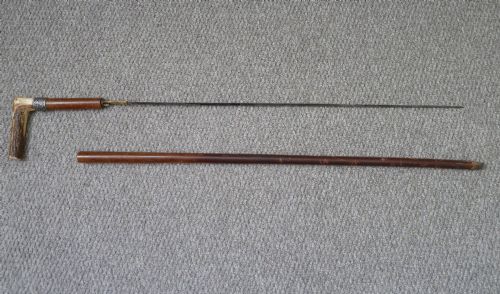
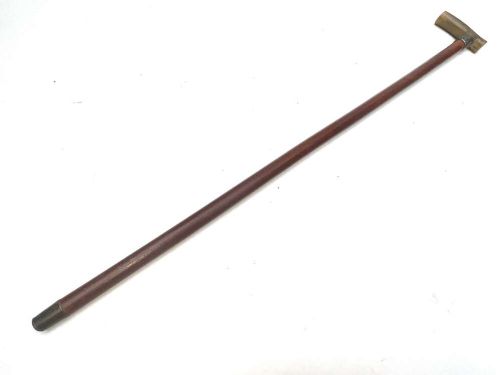
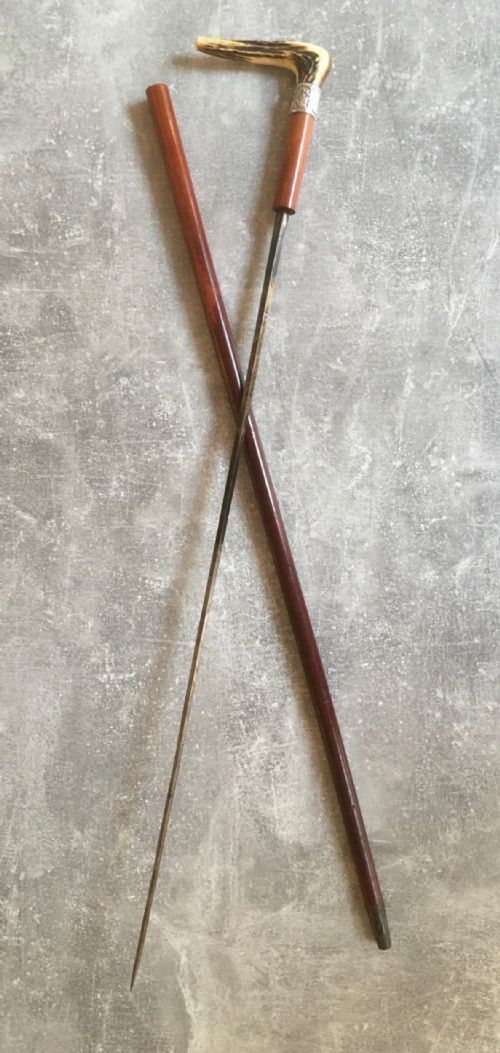
A brown horn cane is a functional walking aid or concealed sword stick, predominantly appearing from the nineteenth century up through the Edwardian era and the 1920s. These pieces include gentlemans walking sticks, riding crops, and sophisticated sword sticks fitted with hidden blades.
The versions met most frequently on this page combine organic handles made from horn or antler with shafts fashioned from malacca, rosewood, or wood. Many incorporate metal collars made of silver or gold coloured material, occasionally bearing initials such as LN.
How they were made
Makers utilised natural animal materials like horn and antler for the handles, shaping them to fit the hand securely. These were mounted onto slender wooden shafts or malacca canes using collars made of silver or other metals.
Sword sticks required precise metalworking to house Toledo blades or steel blades safely inside the wooden or malacca hafts. Some specialised examples also involved covering the haft in snakeskin.
Brown Horn Cane Retail Price Guide 2026
Typical asking prices for brown horn cane among the pieces listed under this phrase on Sellingantiques today, from the lower quarter to the upper quarter. They describe what is for sale here now, not the wider market.
One French sword stick comes with a haft wrapped entirely in snakeskin.
What varies in quality
Quality rests primarily on the integrity of the materials and the refinement of the handle shaping. Finer pieces display carefully fitted silver mounts and seamless joins between the horn handle and the malacca or rosewood shaft.
The internal mechanism and blade quality separate standard walking canes from higher grade sword sticks. Superior examples feature robust steel or Toledo blades that lock securely within the haft.
The Brown Horn Cane Glossary
- Malacca
- A sturdy rattan stem imported from Southeast Asia, widely used for walking stick shafts because of its strength and distinctive mottled brown surface. It provides flexibility and durability.
- Sword stick
- A walking cane containing a concealed blade housed within the shaft. It combines the everyday utility of a walking aid with a hidden weapon.
- Collar
- A metal band encircling the cane just below the handle, often fashioned from silver and sometimes engraved with initials. It strengthens the joint where the handle meets the shaft.
- Toledo blade
- A steel blade produced in Toledo, Spain, renowned for its metallurgical quality and historical association with sword making. Such blades appear in select nineteenth century sword sticks.
Brown Horn Cane: Frequently Asked Questions
How do I date a walking cane?
Dating relies on examining the materials, construction methods, and any hallmarks or engraved initials on the metal collars. Pieces often date from the nineteenth century through the Edwardian period and the 1920s.
Stylistic cues such as antler or horn handles paired with malacca shafts help place an item within its specific manufacturing era.
Were these canes used as weapons?
Certain examples designated as sword sticks house steel or Toledo blades hidden inside the shaft. These were carried by gentlemen during the nineteenth century for personal protection.
Other items function strictly as standard walking canes or riding crops without any concealed blades.
How do I care for antique horn and wood?
Keep horn and wood canes away from direct heat sources and excessive moisture to prevent the natural materials from warping or cracking. Gentle dusting and occasional treatment of the wooden shaft help preserve the finish.
Store them upright in a stable indoor environment to maintain the integrity of the joints and metal collars.