



Brown Hallway Chair
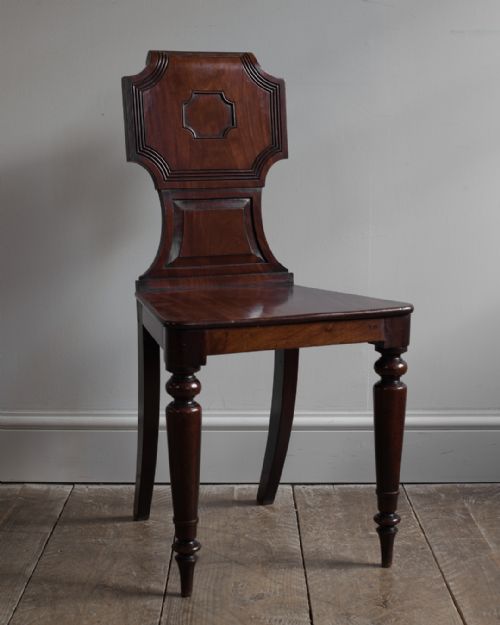
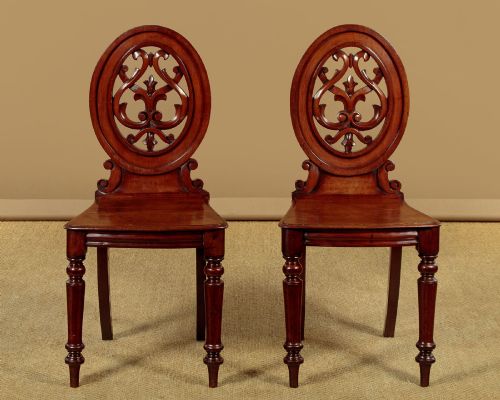
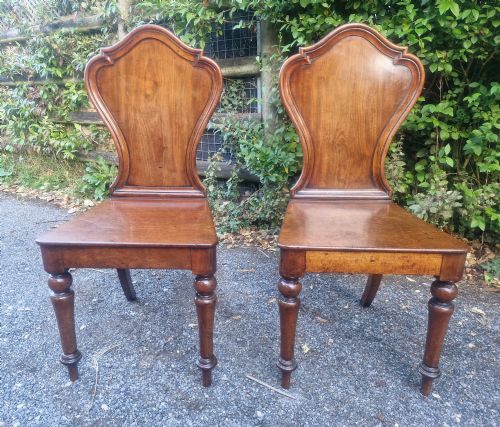
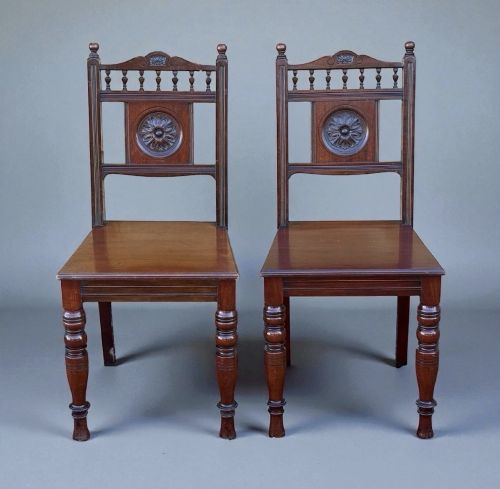
A brown hallway chair is a solid wood seat designed for an entrance, and you want one for its compact form and rich timber grain.
Brown Hallway Chair
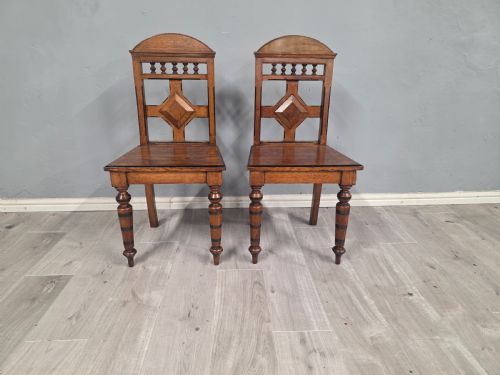
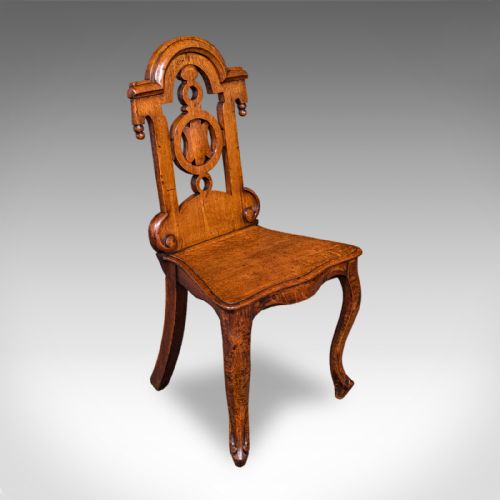
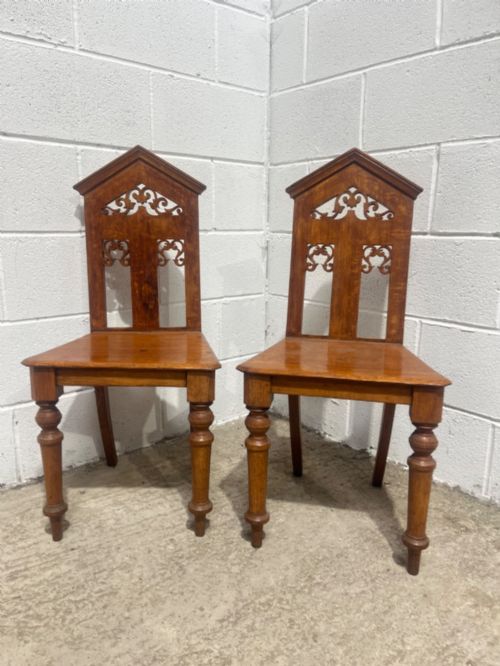
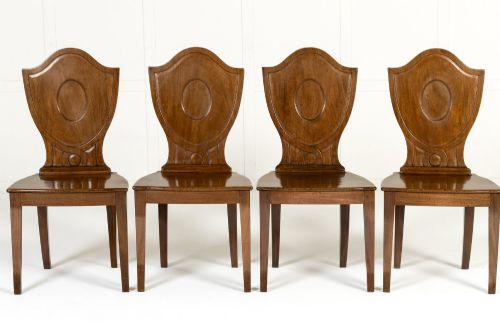
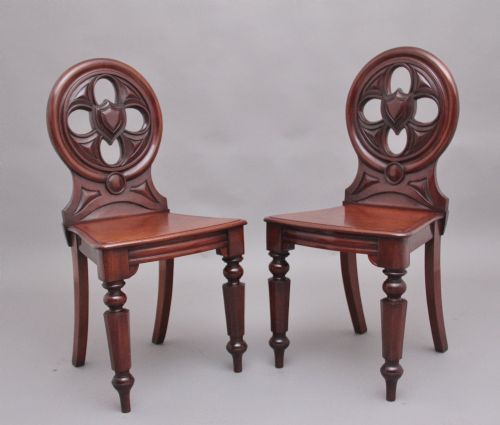
Most pieces date from the Victorian and Georgian eras, taking the form of upright side chairs with carved or solid wooden seats. Makers often integrated shields, gothic revival motifs, or simple panel backs suited to narrow spaces.
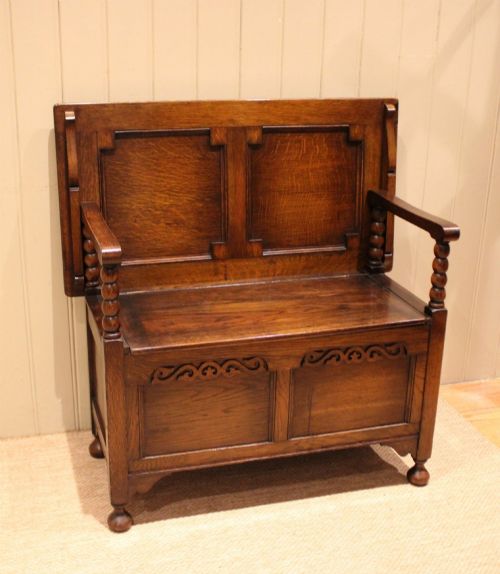
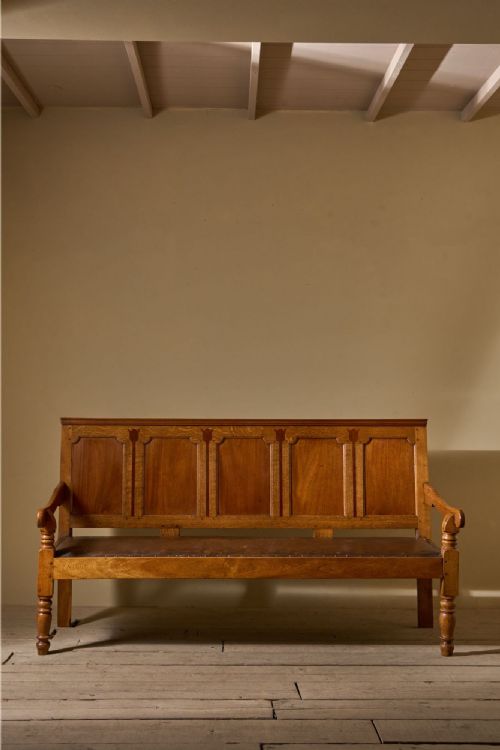
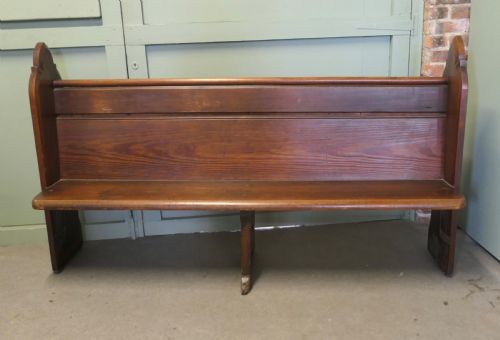
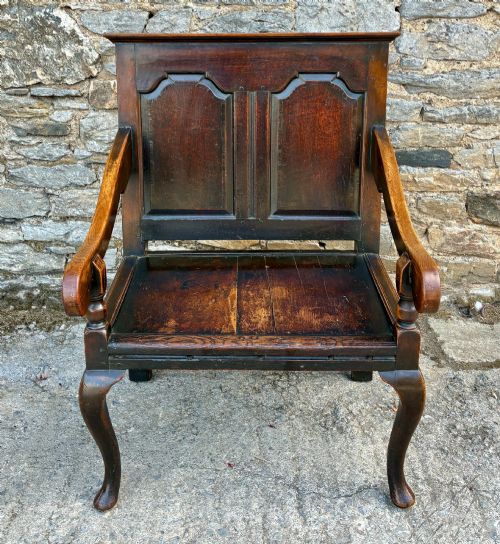
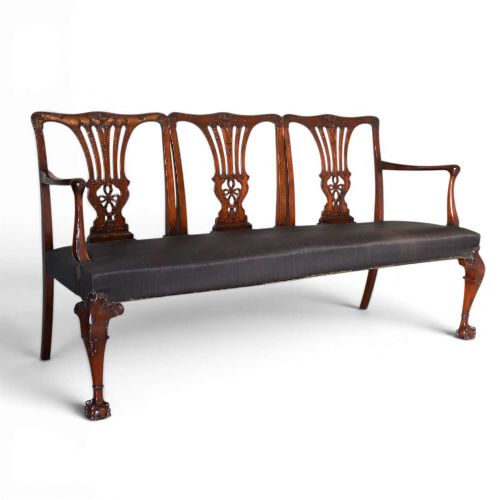
Alongside standard hall chairs, the category includes oak settles, pitch pine pews, and occasional mahogany seats. These items served functional roles in domestic and institutional hallways before transitioning into decorative antique furniture.
How they were made
Construction relies heavily on dense timbers such as mahogany, oak, and pitch pine, chosen for their ability to withstand heavy daily use in entranceways. Workshops utilised solid planks for seats and backs, often adding satinwood inlay or carved relief decoration.
Joinery techniques from the Georgian and Victorian periods prioritized structural rigidity, employing pegged joints and mortise and tenon construction. Some later nineteenth century examples incorporated steam-bent elements or turned wooden supports.
Brown Hallway Chair Retail Price Guide 2026
Typical asking prices for brown hallway chair among the pieces listed under this phrase on Sellingantiques today, from the lower quarter to the upper quarter. They describe what is for sale here now, not the wider market.
Several chairs feature carved wooden shell backs, ensuring you can sit on a piece of deep-sea geometry without getting wet.
What varies in quality
Quality in a brown hallway chair rests upon the crispness of the carved detail on the backrest and the selection of figured timber. Pieces featuring deeply carved shell motifs, heraldic shields, or dense mahogany grain stand apart from plain utility seating.
The integrity of the timber frame and the presence of original untouched surfaces dictate the standing of an individual piece. Workshops known for high output, such as Gillows or Holland and Sons, demonstrate superior joinery and proportional balance compared to anonymous regional carpenter work.
Holland and Sons·Gillows
The Brown Hallway Chair Glossary
- Hall chair
- A rigid wooden seat placed in an entrance hall, typically featuring a solid carved seat and no upholstery. These were designed for short-term seating while waiting.
- Settle
- A wooden bench with a high back, solid arms, and often a storage box beneath the seat. It provided shelter from draughts in older hallways and kitchens.
- Shield back
- A chair back shaped in the outline of a heraldic shield. This design gained popularity during the Georgian and Regency periods.
- Satinwood inlay
- Contrasting light-coloured wood inserted into recesses in a darker timber surface to create decorative patterns. It appears on select eighteenth and nineteenth-century furniture.
- Pitch pine
- A resinous North American pine species used for nineteenth-century church pews and domestic benches. It offers high durability and a prominent grain pattern.
Brown Hallway Chair: Frequently Asked Questions
What is a brown hallway chair used for?
A brown hallway chair served as functional seating in historical entrance spaces where guests waited briefly before entering the main rooms of a house.
Today, these chairs function as accent pieces in modern corridors, offering a practical spot for putting on shoes while adding architectural interest.
How do I tell a Georgian chair from a Victorian one?
Georgian chairs generally display lighter proportions, restrained classical carving, and simpler lines influenced by Sheraton or Chippendale designs.
Victorian examples tend to be heavier and often incorporate Gothic revival motifs, shield backs, or more elaborate machine-assisted woodcarvings.
Are these chairs comfortable for daily sitting?
Traditional hall chairs were built with solid wooden seats and upright backs rather than plush cushioning, as they were intended for brief use.
They suit occasional seating needs in hallways or bedrooms rather than prolonged lounging.
What woods were commonly used?
Mahogany and oak dominate the selection, prized for their strength and deep natural brown tones that aged well in busy entranceways.
Pitch pine and walnut also appear in specific nineteenth-century pieces, depending on the regional origin and style.