



Brown Fabric Stool
A brown fabric stool brings tactile warmth and period character to a room, offering low seating or a place to rest tired feet.
Brown Fabric Stool
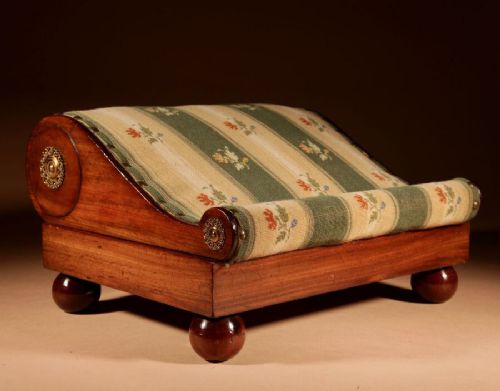
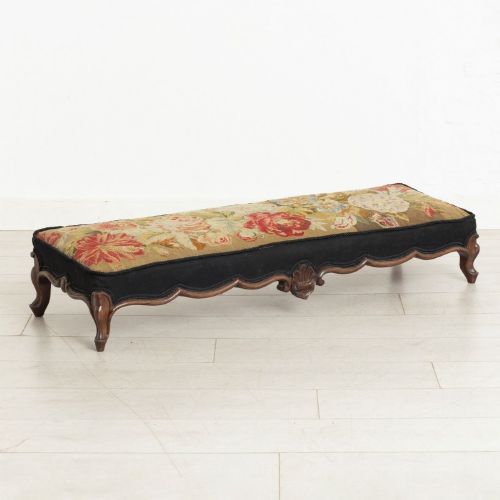
When you search for a brown fabric stool, you find low seating and footrests spanning the nineteenth century and the Edwardian era, including Victorian pieces alongside examples influenced by the Arts and Crafts movement. These items appear as footstools, ottomans with storage, piano stools, benches, and window seats, often reflecting earlier stylistic revivals like Queen Anne and Carolean designs.
The most common versions on this page are Victorian low footstools and nineteenth-century footstools framed in mahogany or walnut, paired with original fabric, needlepoint, or tapestry upholstery. You also encounter continental pieces, Continental work from around eighteen thirty, and items reflecting specific makers or design houses like Liberty and Company and Morris and Company.
These pieces serve practical functions in drawing rooms, dressing rooms, and parlours, moving easily between seating and foot support. Their varied forms range from compact dressing table stools to very long Edwardian footstools and storage ottomans.
How they were made
Makers built the frames of these brown fabric stools primarily using dense hardwoods such as mahogany and walnut, shaping supports into cabriole legs or turning them with traditional joinery techniques. Metal tacks secure the textile coverings to the timber framework, holding the padding and upholstery firmly in place.
Upholstery materials include woven fabric, textile, needlepoint, tapestry, and upholstered fabric, frequently finished with brass details or metal tacks. This combination of robust timber frames and textured coverings ensured durability for daily domestic use.
Brown Fabric Stool Retail Price Guide 2026
Typical asking prices for brown fabric stool among the pieces listed under this phrase on Sellingantiques today, from the lower quarter to the upper quarter. They describe what is for sale here now, not the wider market.
Some nineteenth-century feet were tucked away so often that their brass tacks have outlived generations of slippers.
What varies in quality
Quality rests in the crispness of the timber carving, particularly on cabriole legs, and the integrity of the underlying frame construction. Finer examples retain their original fabric or needlepoint seat covers in good condition, showing careful hand-stitching and robust joinery.
The Brown Fabric Stool Glossary
- Cabriole leg
- A furniture leg that curves outward and then tapers inward, mimicking an animal's leg. This form appears frequently on walnut and mahogany Victorian frames.
- Needlepoint
- A type of canvas work embroidery used for upholstery. It provides durable and decorative surfaces on nineteenth-century footstools.
- Ottoman
- A low upholstered seat or footstool, sometimes fitted with internal storage. These pieces combine seating with concealed utility.
- Tapestry
- A heavy hand-woven textile featuring pictorial or decorative designs. It serves as a durable covering for antique window seats and stools.
Brown Fabric Stool: Frequently Asked Questions
What is a brown fabric stool?
A brown fabric stool is a low piece of nineteenth-century or Edwardian seating framed in mahogany or walnut with textile, needlepoint, or tapestry upholstery.
These items include footstools, ottomans, piano stools, and window seats designed for domestic comfort and decorative appeal.
How were these stools used?
People used these stools in Victorian parlours and bedrooms to rest feet, sit at dressing tables, or store small items inside ottomans.
Longer versions served as window seats, providing convenient low seating along walls and beneath windows.
How do I identify a Victorian stool?
Victorian stools often feature walnut or mahogany frames with cabriole legs, original fabric upholstery, and decorative brass or metal tacks.
Many incorporate needlepoint or tapestry covers reflecting mid-to-late nineteenth-century tastes and revival styles.
What is an Arts and Crafts stool?
An Arts and Crafts stool follows design principles associated with makers like Liberty and Company or Morris and Company from the late nineteenth century.
These pieces emphasise simpler lines and traditional craftsmanship while using durable timber and quality textiles.