



Brown Elm Storage Chest
A brown elm storage chest brings warmth and distinct grain to a room, offering practical storage through centuries of craftsmanship.
Brown Elm Storage Chest
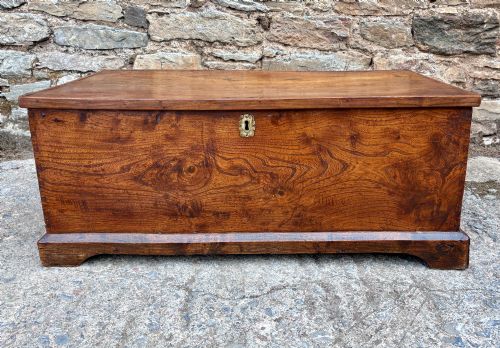
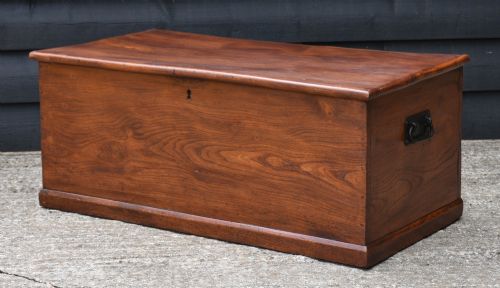
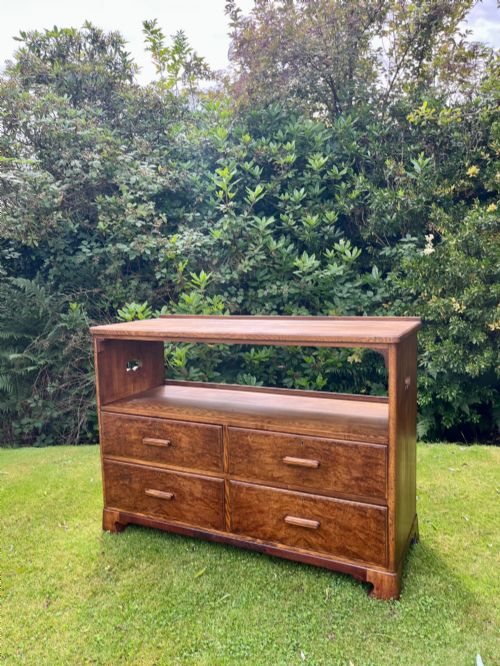
When you search for a brown elm storage chest, you encounter a diverse group of functional containers spanning the eighteenth, nineteenth, and twentieth centuries. These pieces range from simple six-plank coffers and blanket boxes to sophisticated drawer chests, side cabinets, and specialised boxes.
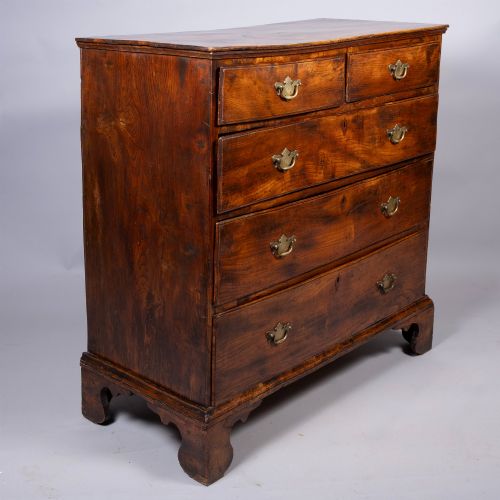
The selection includes regional domestic items from Britain and Europe alongside global examples such as Japanese tansu chests, Korean bandaji chests, and Chinese side cabinets. Domestic blanket boxes and chests of drawers appear most frequently, reflecting the wood's historic utility for storing textiles and valuables.
How they were made
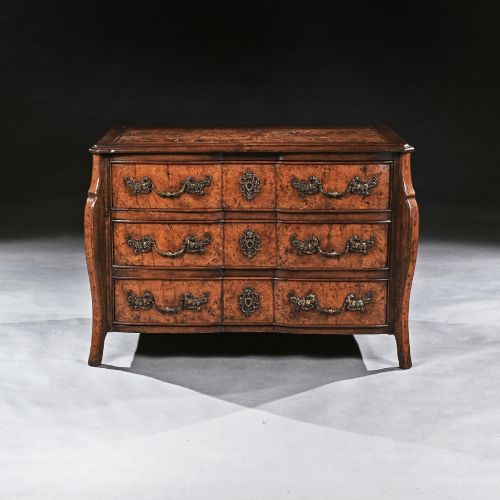
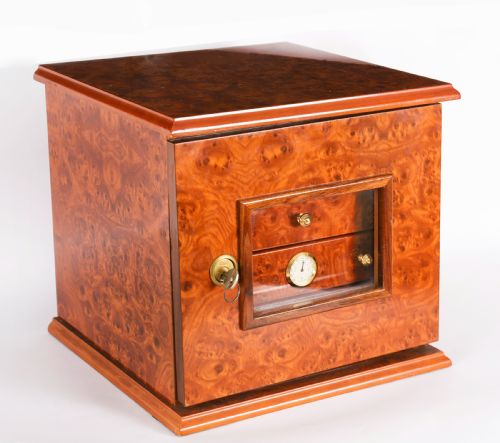
Maker construction relies heavily on solid elm and burr elm timber, often supported by secondary woods like pine and oak. Cabinetmakers exploited elm's tough, interlocking grain for durability, while burr sections provided highly decorative figured surfaces for finer commodes and humidors.
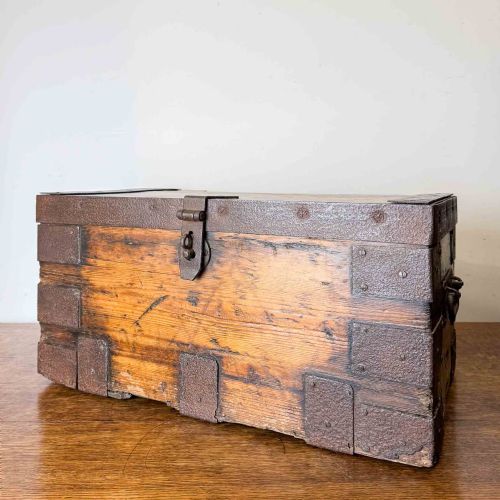
Metal reinforcement defines many examples, utilising brass mounts, iron bound straps, hasps, and carrying hoops for security and transport. Surface treatments range from polished finishes highlighting natural patinas to simpler waxed or plain wooden surfaces.
Materials paired with elm across these listings include brass, iron, burr elm, pine, glass, and oak.
What varies in quality
Quality separates standard utilitarian containers from master cabinet work through the selection of timber, particularly the choice between plain elm boards and richly figured burr elm veneers. The sophistication of the joinery and the integration of brass mounts or iron hardware further distinguish finer pieces.
Origin and stylistic execution dictate the character of each piece, from vernacular country construction to refined Georgian or Dutch shaped-front designs. The presence of original hardware, distinct patination, and documented maker attribution elevate the standing of individual chests.
Whytock and Reid
The Brown Elm Storage Chest Glossary
- Coffer
- A heavy wooden chest traditionally used for storing valuables. Early versions often utilise simple board construction secured with iron hardware.
- Mule chest
- A blanket chest featuring one or more drawers built into the base. This form bridges the evolution between simple top-opening boxes and standard chests of drawers.
- Burr elm
- A woody outgrowth on an elm tree that produces swirling, highly decorative grain patterns. Cabinetmakers prize this material for drawer fronts and specialist cabinets.
- Tansu
- A traditional Japanese mobile storage chest built from elm and other woods. These pieces incorporate versatile internal compartments and distinct metal fittings.
- Cellarette
- A lockable container designed to hold bottles of wine or spirits. Regency examples in burr elm often feature internal divisions and secure brass mountings.
Brown Elm Storage Chest: Frequently Asked Questions
What is a six-plank coffer?
A six-plank coffer is a primitive form of storage chest constructed from a single board for each of the four sides, the base, and the lid. These pieces rely on basic butt joints and end-grain pegging.
Carpenters built these sturdy chests for domestic utility using local elm or oak. They represent some of the earliest surviving household storage furniture.
How do I identify burr elm?
Burr elm displays dense, swirling grain clusters caused by irregular tree growth. This distinctive figure offers a dramatic contrast to straight-grained timber.
Cabinetmakers utilised burr elm veneers on prominent surfaces like drawer fronts and cabinet doors. Its decorative appearance signals higher status furniture.
Where were tansu chests made?
Tansu chests originate from Japan, produced during periods including the Taisho era. Artisans built these pieces for domestic storage and portability.
These chests incorporate characteristic structural framing and iron hardware. They served practical functions in traditional Japanese homes.
What is a mule chest?
A mule chest combines a top-opening blanket box with one or more drawers fitted beneath the main compartment. This design appeared as households sought easier access to stored linens.
The inclusion of base drawers marks a transition in furniture design. Elm versions bridge vernacular country styles and formal Georgian cabinet making.