


Brown Elm Dining Table
A brown elm dining table brings hardwearing rustic utility and rich grain into a room, offering sturdy charm for daily meals.
Brown Elm Dining Table
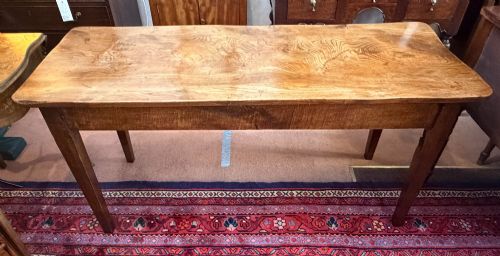
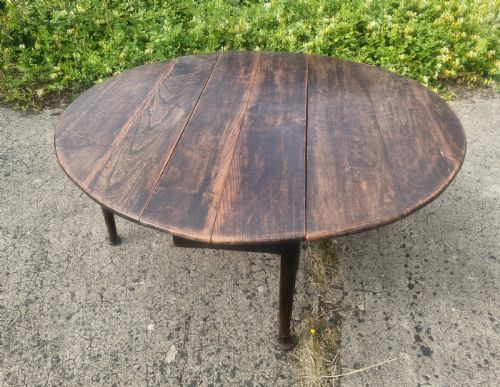
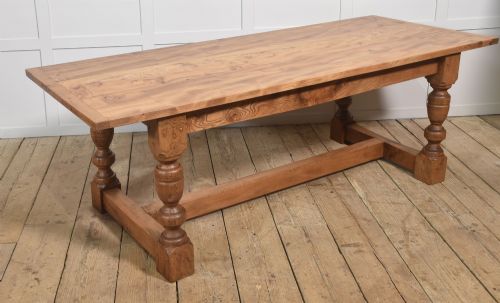
A brown elm dining table spans robust farmhouse iterations, refectory styles, and circular breakfast pieces suited for domestic dining. These listings showcase pieces built from solid timbers, often featuring deep grain patterns developed over centuries of use.
The selections here stretch from 18th century examples through to Victorian farmhouse designs. Buyers encounter rectangular boards, drop leaf formats, and oval French provincial variants designed for gatherings.
Origin details reveal English country workshops alongside French provincial traditions and Chinese hardwood alternatives. Each specimen carries the marks of vernacular construction, prioritizing utility and robust timber over formal courtly ornamentation.
Materials and construction methods
Makers utilised native elm alongside supporting timbers like oak and pine for structural frames and plank tops. Elm timber presents a distinctive interlocking grain that resists splitting, making it practical for heavy daily wear.
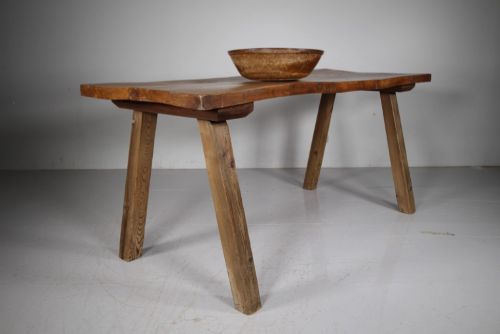
Joinery methods rely on traditional pegging and sturdy trestle or refectory supports rather than factory precision. Surfaces show the tool marks of adzes and hand planes, leaving undulating textures across the timber top.
Listings feature elm, oak, and pine across English, French, and Chinese origins spanning the eighteenth and nineteenth centuries.
Factors of quality and distinction
Quality rests in the depth of the timber's patina and the integrity of the original construction. Tables retaining their early surface finish and original structural timbers command greater interest than heavily restored examples.
Proportion and scale separate ordinary utility items from finer country pieces. Well-balanced legs, minimal board warping, and harmonious integration of additions like drawers define the upper tier of these dining tables.
The Brown Elm Dining Table Glossary
- Patina
- The surface sheen and coloration developed through decades of handling, cleaning, and exposure to light. This finish cannot be artificially replicated with modern materials.
- Refectory table
- A long, narrow dining table traditionally used in monastic dining halls and later adopted in domestic country houses. They typically feature stretcher bases for added stability.
- Drop leaf table
- A table with a fixed central section and hinged flaps on either side that fold down. This design allows the footprint to expand or contract depending on space requirements.
- Burr elm
- A growth deformity on the elm tree that produces highly figured, swirling grain patterns. It is prized for decorative veneering and circular table tops.
- Vernacular furniture
- Domestic pieces made by local regional artisans using available native woods rather than following academic metropolitan design rules. It emphasises practical function and local building traditions.
Brown Elm Dining Table: Frequently Asked Questions
How do I clean an elm tabletop?
Wipe surfaces gently using a slightly damp cloth without harsh chemical detergents. Regular dusting keeps grit from abrading the historic finish.
Apply natural beeswax occasionally to nourish the timber and protect the grain without creating an artificial gloss.
Are these tables sturdy enough for daily use?
Elm is a notoriously tough wood with interlocking fibres that withstand heavy impacts and daily dining demands. Most of these historic pieces have already survived generations of active service.
Ensure joints remain stable and avoid placing them near extreme heat sources that might dry out the ancient timber.
How do I date an old elm table?
Examine the tool marks on the underside and legs, as hand-adzed surfaces differ significantly from later machine-sawn boards. Fasteners, peg construction, and wear patterns around the seating areas offer further clues to the period of origin.
Compare the leg style and stretcher arrangement against documented regional vernacular furniture types from the eighteenth and nineteenth centuries.
Will an antique elm table warp?
Solid timber responds to changes in household humidity and temperature by expanding or contracting slightly. Maintaining a stable indoor climate prevents excessive movement in wide elm planks.
Allowing the wood to breathe naturally with occasional wax applications helps preserve the structural integrity of the topboards.