



Brown Elm Blanket Chest
These brown elm blanket chest examples offer honest, utilitarian storage built from tough timber.
Brown Elm Blanket Chest
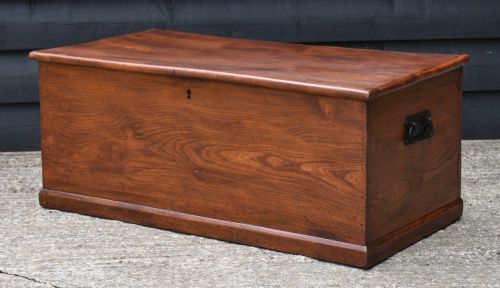
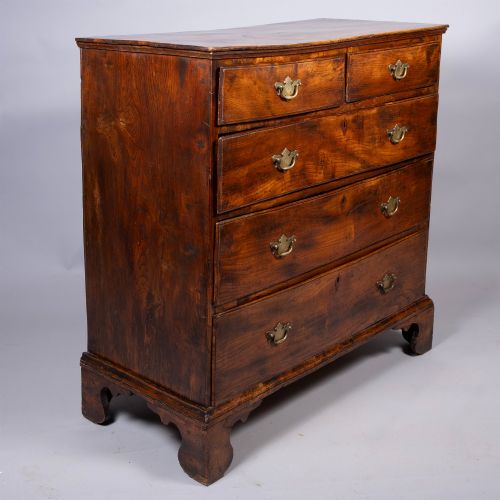
A brown elm blanket chest provides robust storage for textiles and household goods, taking forms such as simple six-plank coffers, mule chests with drawers, and travelling trunks. Buyers looking at this phrase find sturdy receptacles that served utilitarian purposes in homes and workshops over centuries.
The most common versions met here span the eighteenth and nineteenth centuries, reflecting vernacular country traditions and Georgian designs. These pieces range from plain domestic blanket boxes to fitted gentleman's travelling chests equipped with brass mounts.
How they were made
Makers utilised solid elm timber, known for its interlocking grain and resistance to splitting, joined into plank or panel structures. This tough wood forms the main body of each box and chest.
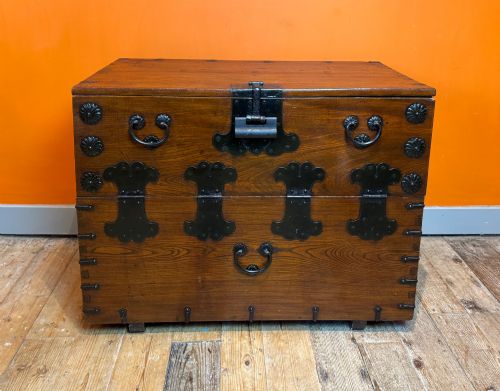
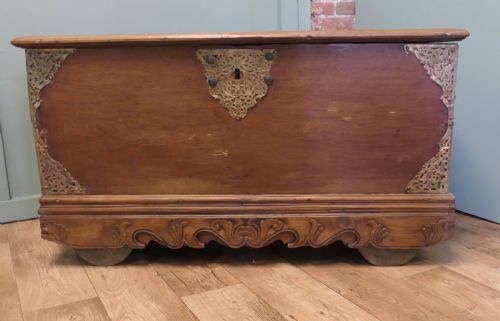
Hardware such as iron hasps, wrought iron braces, and brass mounts reinforce the corners and lids for practical daily use. These metal fastenings secure the heavy lids and provide durable carrying handles.
Brown Elm Blanket Chest Retail Price Guide 2026
Typical asking prices for brown elm blanket chest among the pieces listed under this phrase on Sellingantiques today, from the lower quarter to the upper quarter. They describe what is for sale here now, not the wider market.
One French variant arrives equipped with iron hasps and carrying hoops specifically dubbed a cannonball box.
What varies in quality
The sophistication of the joinery and the selection of figured timber distinguish finer examples from basic utilitarian boxes. Figured grain patterns and secondary storage drawers elevate a simple chest into a polished piece of furniture.
Original hardware, including wrought iron hasps and brass mounts, contributes significantly to the integrity of the piece. Replacements or missing fastenings shift the character of the object away from its original state.
The Brown Elm Blanket Chest Glossary
- Elm
- A dense, tough hardwood with a characteristic interlocking grain used for furniture requiring high impact resistance.
- Mule chest
- A storage chest featuring one or more drawers built into the base beneath the main compartment.
- Six-plank coffer
- A simple chest constructed from six individual boards joined at the edges to form a rectangular box.
- Hasps
- A slotted metal plate that fastens over a staple and is secured with a pin or padlock.
Brown Elm Blanket Chest: Frequently Asked Questions
What is a brown elm blanket chest used for?
These boxes provided secure storage for heavy blankets, textiles, and personal possessions in domestic settings. Their sturdy construction protected contents from dust and dampness.
Today, they function well as living room storage tables or bedroom furniture for linens and household items.
How do I date a blanket chest?
Dating relies on observing construction methods, timber preparation, and the style of any hardware or brass mounts attached to the body. Earlier examples often feature hand-planed boards and simple joinery.
Comparing the form against documented pieces from the eighteenth and nineteenth centuries clarifies the likely period of manufacture.
Are these chests heavy?
Elm is a dense and heavy timber, making these chests solid and substantial pieces of furniture. Carrying hoops and iron handles on travelling variants were essential for moving them.
Positioning the chest carefully before filling it with heavy blankets prevents the need for frequent relocation.
What is a mule chest?
A mule chest is a hybrid storage piece that combines the deep lift-top compartment of a traditional blanket box with one or more drawers fitted beneath. This layout allowed easier access to smaller items without opening the main lid.
They appeared frequently in country houses during the Georgian period as domestic storage evolved.