

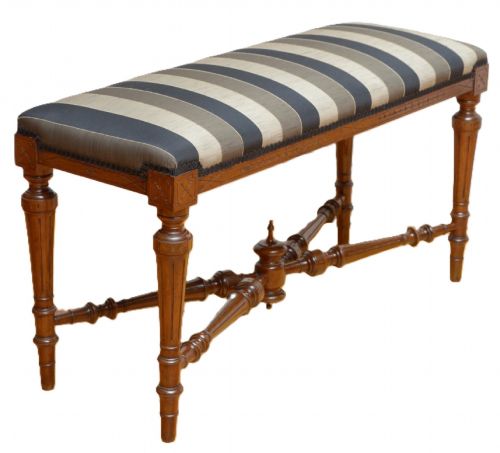


Brown Duet Stool
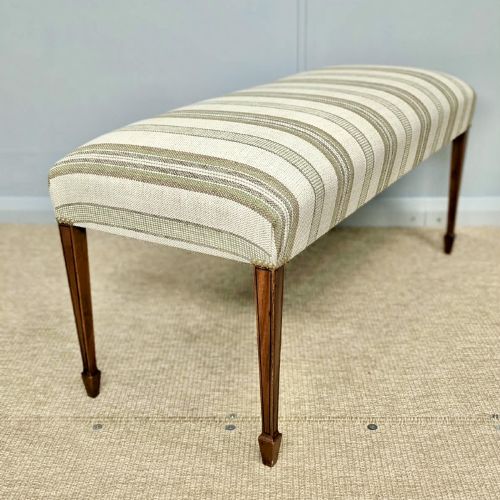
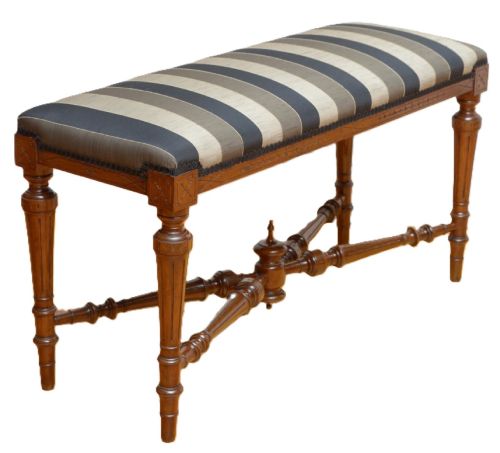
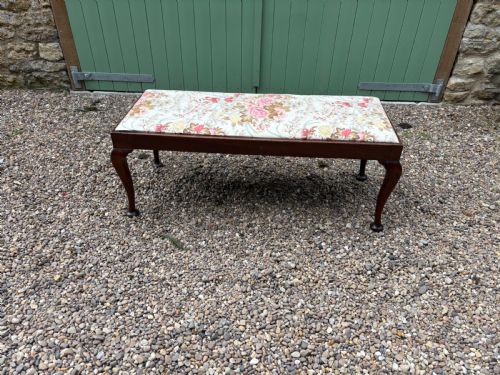
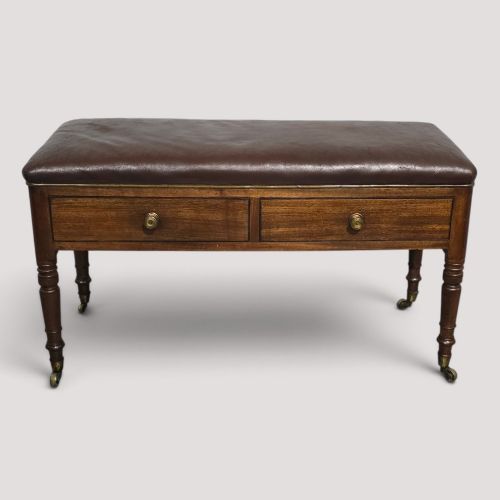
These brown duet stool examples span several centuries of seating design, offering long proportions suited for two players.
Brown Duet Stool
A brown duet stool provides extended seating designed specifically for two people to sit side by side at a keyboard or in front of a window. When you search for a brown duet stool, you encounter pieces that range from formal Georgian forms to later Edwardian and Victorian iterations.
The materials on this page lean heavily towards rich timbers, most notably mahogany and walnut, paired with various upholstered seats. These objects function equally well as piano benches and long window seats within a room.
Most examples you meet here date from the nineteenth and early twentieth centuries, with occasional earlier George III pieces appearing alongside Queen Anne Revival and French Provincial styles.
How they were made
Cabinet makers utilised solid woods like mahogany, walnut, and oak to construct the sturdy frames required for multi-person seating. Joinery techniques varied from traditional framing to delicate inlay work seen on Edwardian and nineteenth-century variants.
Seats incorporated traditional upholstery methods, utilising fabrics, leather, and tapestry finishes over supportive padding. Brass hardware occasionally appeared on castors or decorative handles, complementing the dark wood tones.
Brown Duet Stool Retail Price Guide 2026
Typical asking prices for brown duet stool among the pieces listed under this phrase on Sellingantiques today, from the lower quarter to the upper quarter. They describe what is for sale here now, not the wider market.
Styles span from George III and Regency to French Provincial and Queen Anne Revival.
What varies in quality
The refinement of the timber and the precision of the cabinet work dictate the standing of each piece. Finer examples display meticulous wood selection and subtle details such as string inlay, whereas simpler items rely purely on standard utilitarian construction.
The upholstery treatment and the integrity of the frame dictate longevity and aesthetic appeal. Original fabric or careful period-appropriate re-upholstery elevates a bench above standard utilitarian seating.
The Brown Duet Stool Glossary
- Duet stool
- A long seat designed to accommodate two people simultaneously, frequently placed before a piano or musical instrument.
- Inlay
- A decorative technique where contrasting woods or materials are set into the surface of the primary timber to create patterns.
- Tapestry seat
- A heavy, woven textile covering used on chair and stool seats, often depicting pictorial or floral designs.
- Window seat
- A long stool or bench placed beneath a window, sharing similar elongated proportions with duet piano stools.
Brown Duet Stool: Frequently Asked Questions
What is a brown duet stool used for?
These long seats were originally built to accommodate two musicians sitting together at a piano or keyboard.
They also served as window seats or hallway benches where extra length was required.
How do I date a duet stool?
Dating relies on observing the timber choice, decorative styles, and construction methods present in the frame.
Earlier pieces show Georgian or Regency characteristics, while later examples display Edwardian or late Victorian traits.
Are piano stools different from window stools?
Piano stools often featured internal storage compartments for sheet music beneath the hinged seat.
Window stools focused purely on decorative frames and upholstered tops without musical storage.
What woods were used for these stools?
Mahogany and walnut predominate among the listings, providing deep natural tones and strong structural support.
Oak and other general hardwoods also appear across various nineteenth-century and early twentieth-century examples.