





Brown Deer Antlers
Brown deer antlers bring the rugged atmosphere of the nineteenth-century lodge directly into domestic interiors through sculptural taxidermy and functional furnishings.
Brown Deer Antlers
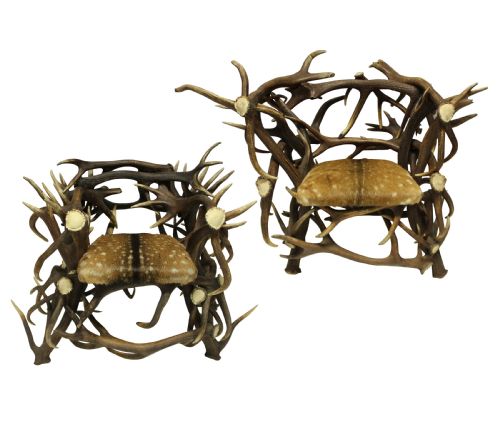
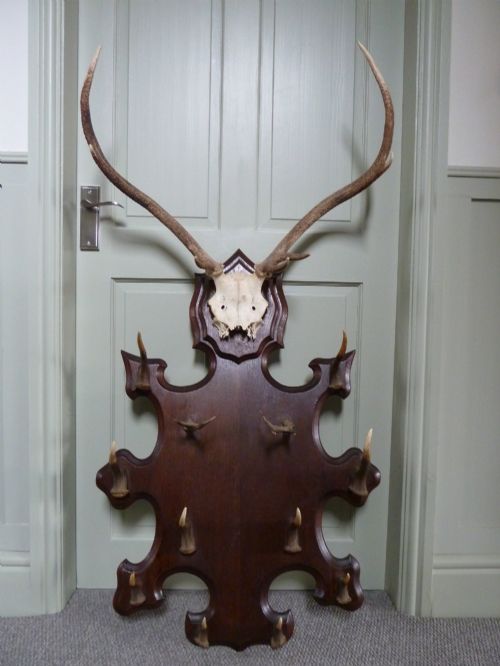
When buyers search for brown deer antlers, they encounter a range of nineteenth-century and early twentieth-century taxidermy mounts, hall stands, and armchairs.
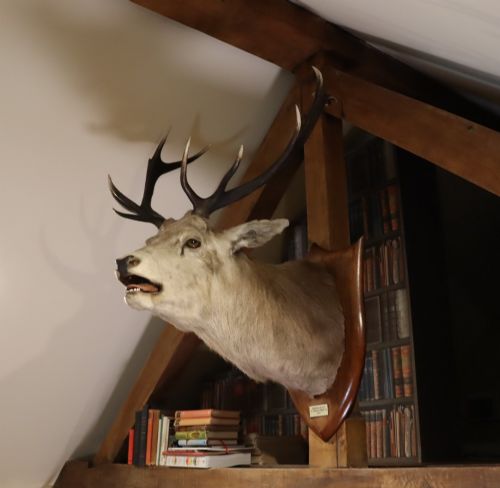
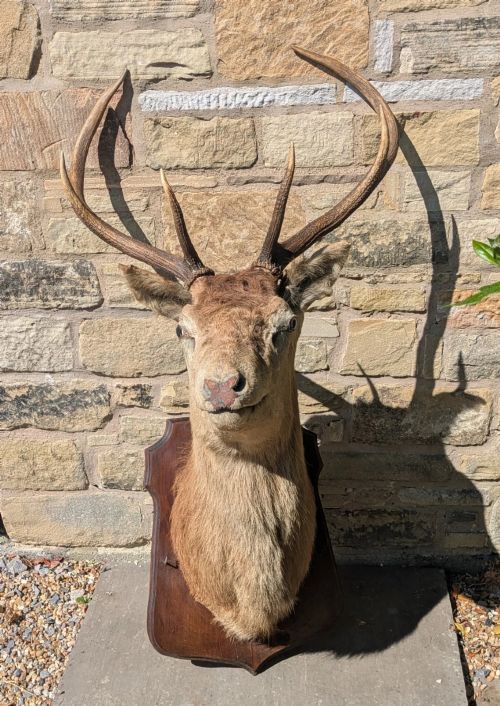
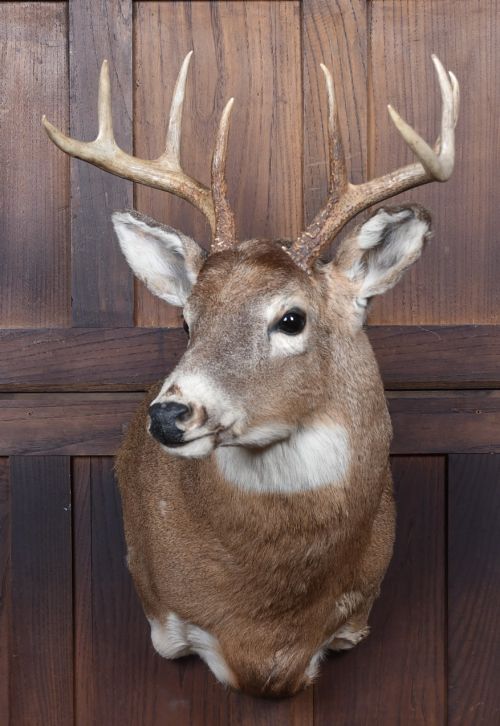
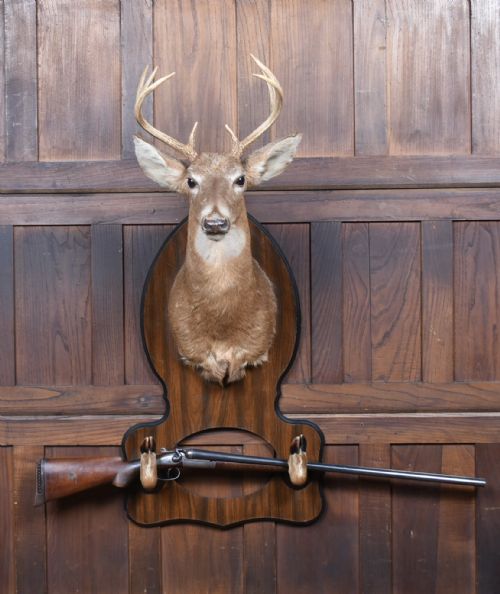
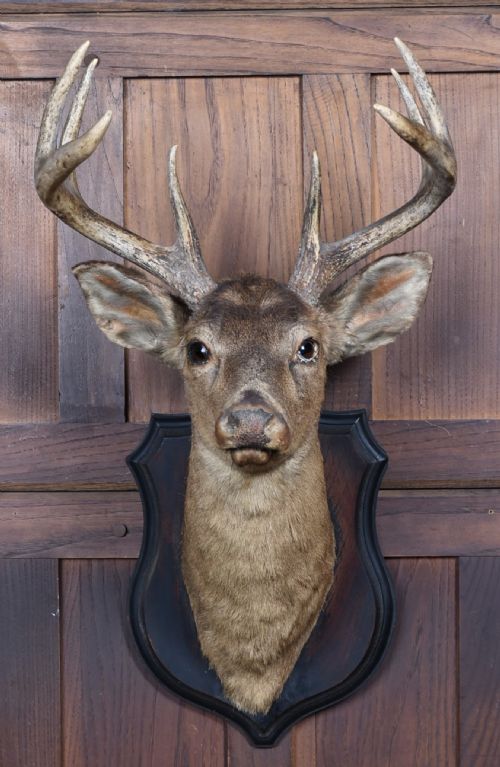
The version most commonly met on this page is the mounted stag head or wall trophy, frequently originating from Victorian or Edwardian contexts.
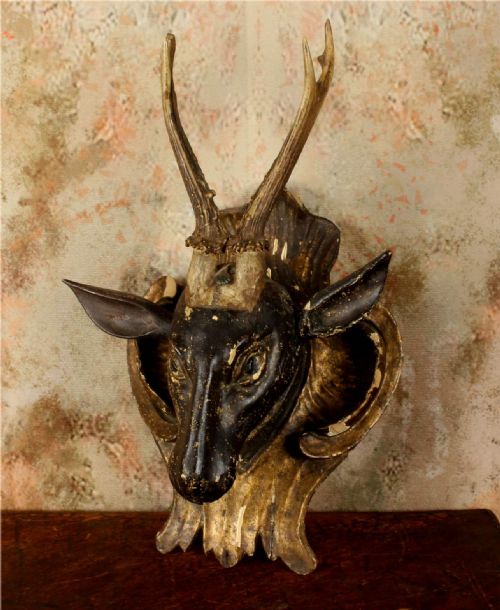
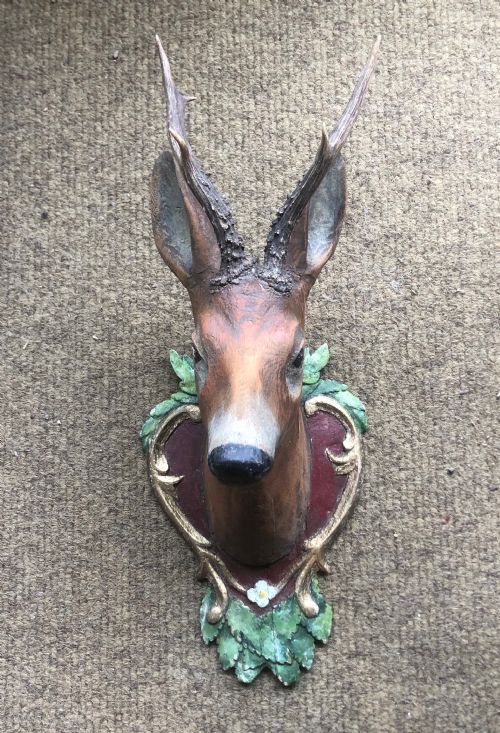
Pieces span styles from Black Forest carving and British country house aesthetics to folk art interpretations utilising natural bone and hide.
Materials and construction
Makers constructed structural furnishings and wall mounts by combining genuine natural antler and horn with carved woods such as oak and linden.
Taxidermists and craftsmen utilised traditional mounting techniques, securing skull plates to carved wooden shields and assembling chairs or coat racks with exposed metal fixings and painted details.
Brown Deer Antlers Retail Price Guide 2026
Typical asking prices for brown deer antlers among the pieces listed under this phrase on Sellingantiques today, from the lower quarter to the upper quarter. They describe what is for sale here now, not the wider market.
Stags appointed with exceptionally large antlers sometimes gained local renown in the nineteenth-century Scottish Highlands before ending up on library walls.
Assessing quality and craftsmanship
Quality differentiates by the symmetry and point count of the antler crown, alongside the anatomical precision of the taxidermy work.
Mastery shows in the structural integrity of complex assemblages like armchairs and chandeliers, where natural materials require careful joining to bear weight.
Peter Spicer & Sons
The Brown Deer Antlers Glossary
- Taxidermy
- The art of preparing, stuffing, and mounting the skins of animals with lifelike effect. This practice forms the basis of most wall-mounted trophies.
- Black Forest
- A nineteenth-century carving style originating from the wooded mountain region of Central Europe, known for naturalistic furniture made from carved wood and antlers.
- Shield
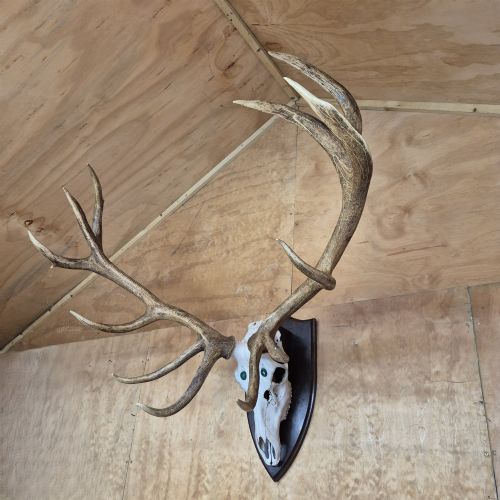
- A wooden backing board, often carved in oak or pine, upon which a stag head or antler set is mounted for wall suspension.
- Hall stand
- A piece of hallway furniture designed for coats, hats, and umbrellas, frequently constructed from interlaced antlers in Victorian country houses.
- Folk art
- Utilitarian objects and decorative items created by self-taught makers using traditional local materials without academic design training.
Brown Deer Antlers: Frequently Asked Questions
How do I hang a heavy antler mount safely?
Heavy taxidermy mounts require secure fixing directly into wall studs or masonry using substantial load-bearing screws andrawl plugs. The considerable weight of nineteenth-century oak shields and mature stags demands robust hardware.
Position the mount at eye level to replicate historical country house displays and ensure the wall bracket supports both the vertical plate and the outward projection of the antlers.
Were antler armchairs meant for daily use?
Black Forest antler armchairs served as both decorative reception seating and functional furniture in nineteenth-century lodges. Their sturdy wooden frames and interlaced horn construction accommodated regular sitting.
Over time, the combined weight of wood and bone makes them substantial statement pieces that function best in studies or spacious hallways rather than cramped corners.
How should I clean historic taxidermy antlers?
Maintenance involves gentle dusting with a soft, dry brush or a feather duster to remove surface particles without disturbing fragile bone or hair. Avoid using water or chemical cleaning sprays on historic taxidermy.
Keeping pieces away from direct sunlight and damp environments preserves the natural brown colour of the antlers and prevents the hide from drying out.
What does a royal set of antlers mean?
A royal set of antlers refers to a specific classification based on point count, traditionally requiring twelve or more distinct points on a red deer stag. This terminology denotes a mature and impressive animal.
Such specimens were prized by Victorian hunters and collectors as the ultimate trophies of the Scottish Highlands or continental forests.
How can I tell a Victorian mount from a later reproduction?
Victorian and Edwardian pieces show authentic age through the dry patina of the bone, traditional hand-cut joinery on wooden shields, and period mounting techniques. The materials reflect nineteenth-century craftsmanship.
Examining the reverse of the wooden backing often reveals period fixings, old paper labels, or maker signatures that confirm the historical context.