

Brown Carved Mirror
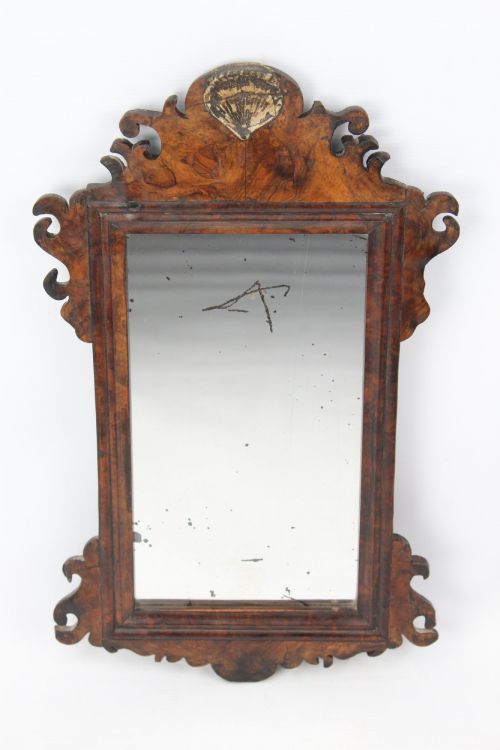
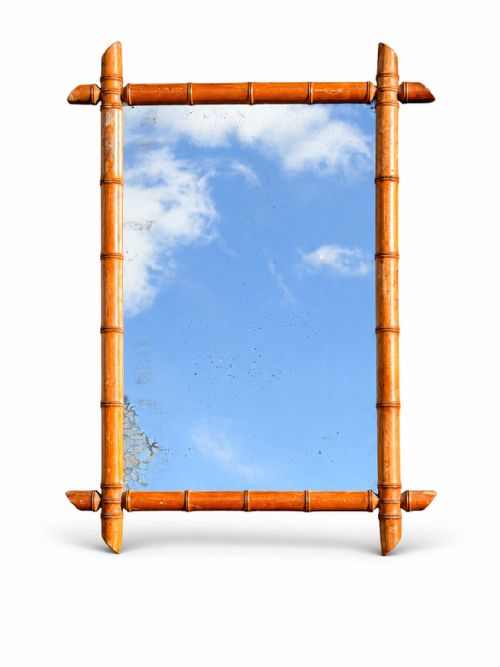
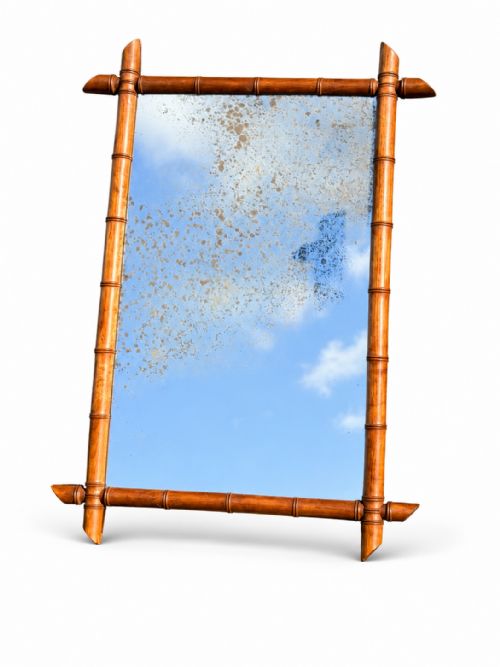
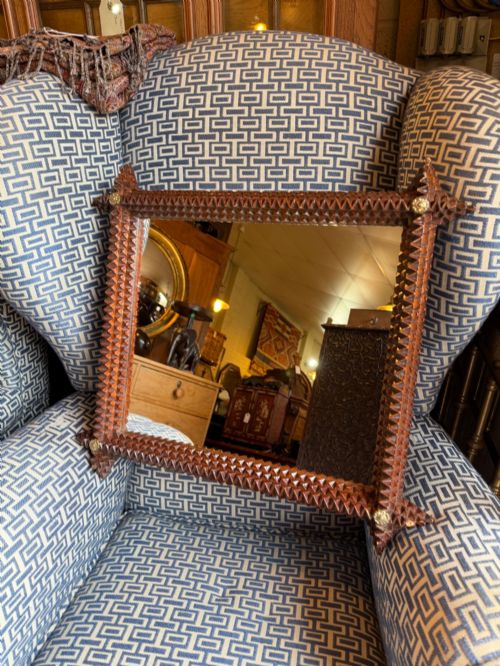
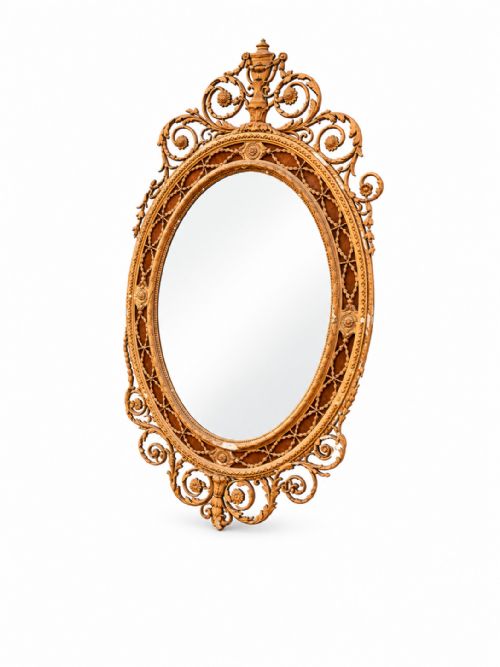
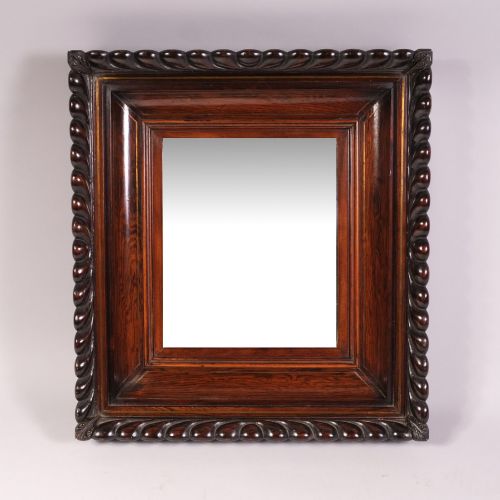
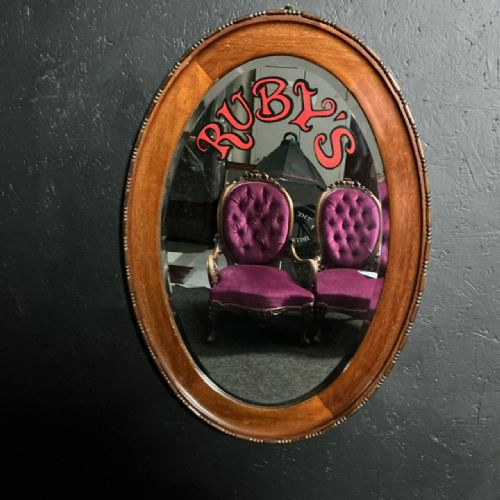
A brown carved mirror brings warmth to a hallway or drawing room through rich timber and deeply chiselled detail.
Brown Carved Mirror
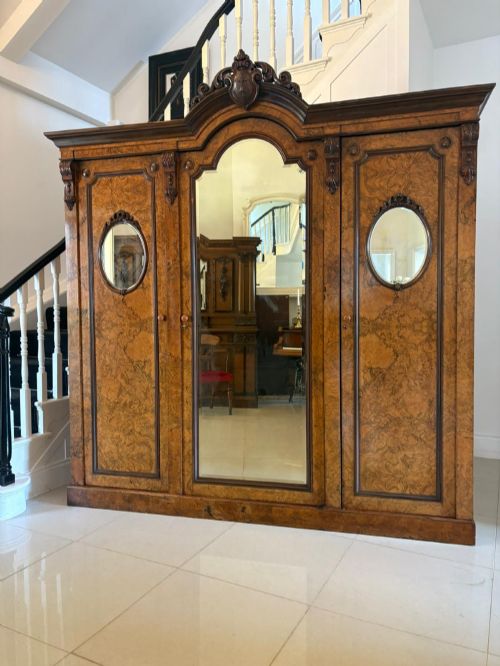
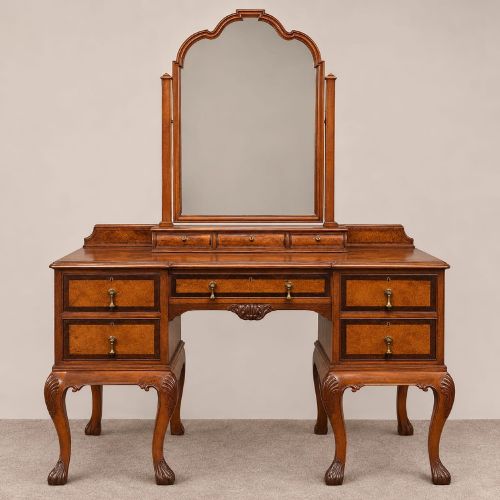
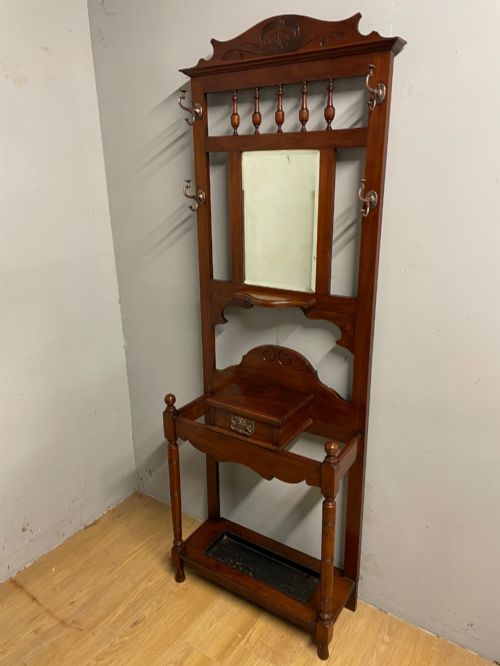
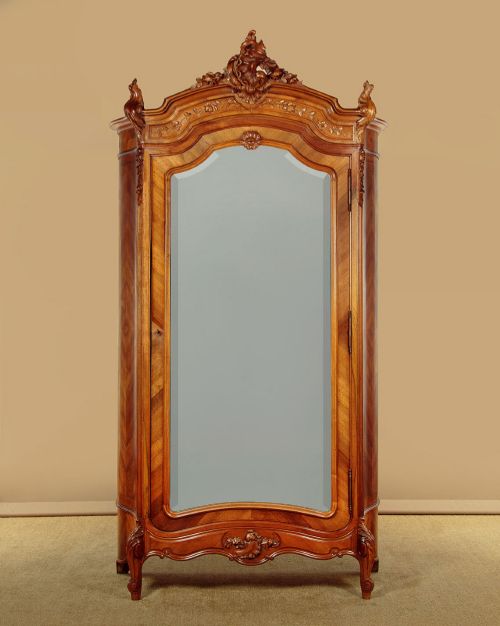
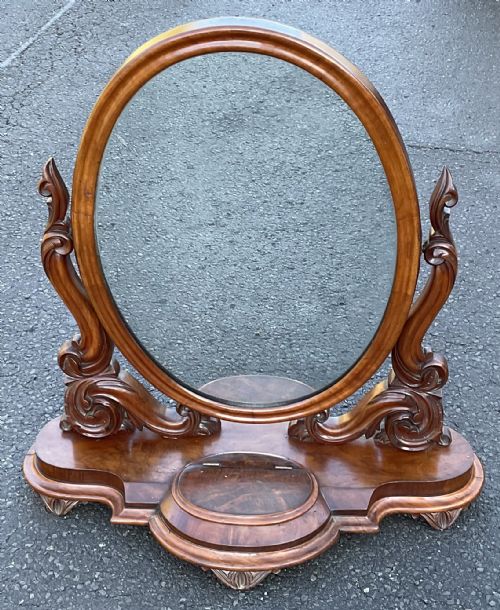
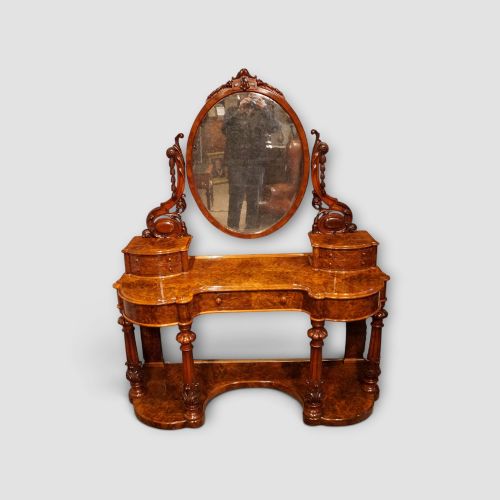
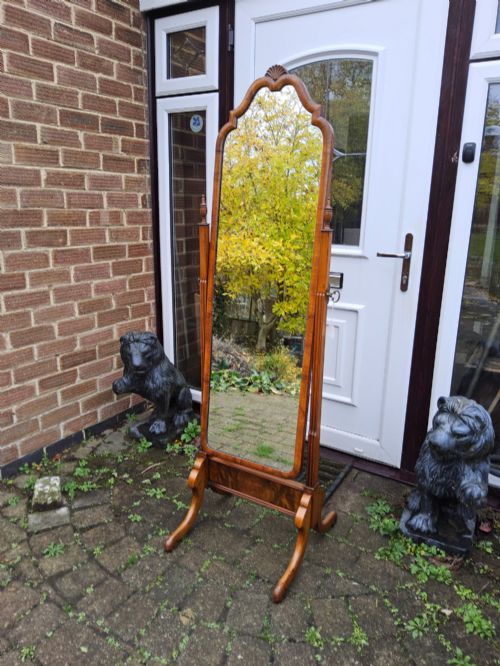
A brown carved mirror encompasses various timber framed designs meant for wall mounting, dressing, or floor standing. They appear in styles ranging from Victorian and Edwardian to Georgian and French Provincial.
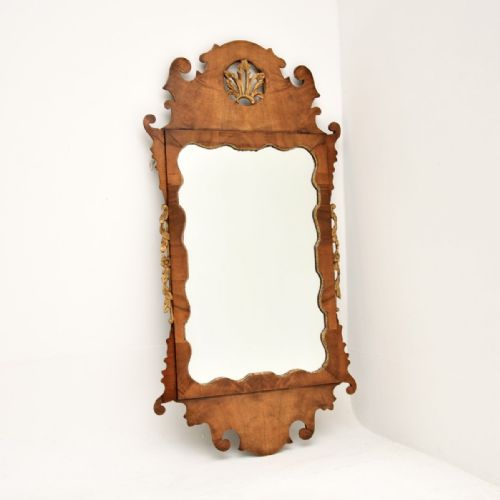
The version most commonly met on this page is the wall hanging mirror or toilet glass, framed in woods such as mahogany, walnut, oak, and burr walnut.
Originating across periods spanning from the eighteenth century to the early twentieth century, these pieces demonstrate traditional joinery and carved ornamentation.
Materials and construction
Frames are constructed from dense hardwoods like mahogany, walnut, and oak, alongside lighter pine or chestnut, often featuring elaborate hand carving.
Glass panels are set within moulded or fretted wooden surrounds, sometimes supplemented by brass inlay, metal accents, or parcel-gilt detailing.
Brown Carved Mirror Retail Price Guide 2026
Typical asking prices for brown carved mirror among the pieces listed under this phrase on Sellingantiques today, from the lower quarter to the upper quarter. They describe what is for sale here now, not the wider market.
Judging the execution
Quality rests upon the crispness of the hand carving and the selection of figured timbers such as burr walnut or flame mahogany.
The integrity of the frame construction and the preservation of original mirror glass and backing boards distinguish superior examples.
Shapland and Petter·Shoolbred and Co
The Brown Carved Mirror Glossary
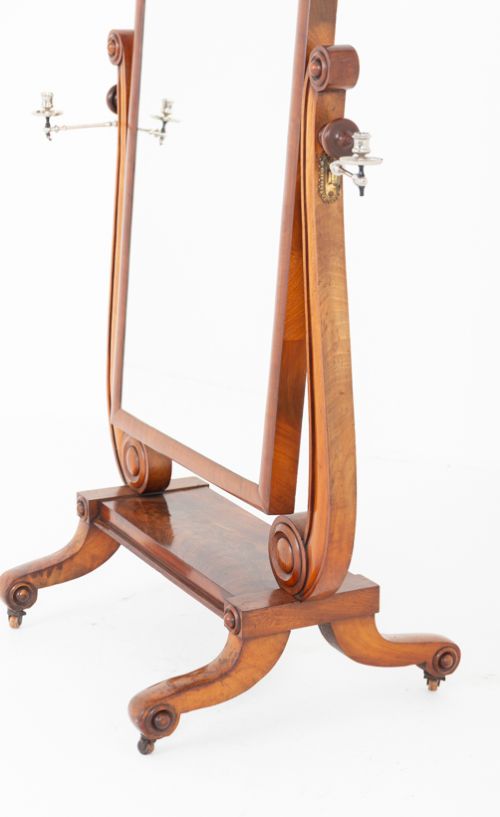
- Cheval mirror
- A freestanding full length mirror hung on a central vertical pivot between upright posts. This allows the glass to tilt to various angles.
- Fretwork
- Ornamental design created by cutting patterns through thin wood using a fretsaw. It appears frequently on eighteenth century style frames.
- Parcel-gilt
- Partially gilded woodwork where gold leaf is applied selectively to highlight carved details or mouldings against the darker wood. It creates a subtle two tone effect.
- Burr walnut
- Timber taken from the wart or growth on a walnut tree, yielding highly decorative swirling grain patterns. It is sliced into veneers for fine furniture and frames.
Brown Carved Mirror: Frequently Asked Questions
Where should I hang a wooden wall mirror?
These mirrors suit entrance halls, above mantelpieces, or in bedrooms where the warm timber tones complement surrounding furniture.
Ensure the wall fixings support the weight of the dense hardwood frame securely.
How do I care for the carved wood frame?
Dust the carvings regularly with a dry, soft cloth to prevent dirt settling in the recesses of the woodwork.
Avoid liquid polishes and keep the timber away from direct sunlight and radiators to prevent drying.
What is the difference between a toilet mirror and a cheval mirror?
A toilet mirror sits upon a dressing table or desk, designed for close use during grooming.
A cheval mirror stands directly on the floor on its own pedestal or frame to reflect the entire figure.
Are these mirrors original to their stated period?
The listings include pieces made during specific historical eras, constructed using the traditional techniques and timbers of those times.
Examining the joinery and backing materials helps confirm the age of the wooden frame.