

Brown Carved Accent Chair
A brown carved accent chair brings timber warmth and historic form into a room.
Brown Carved Accent Chair
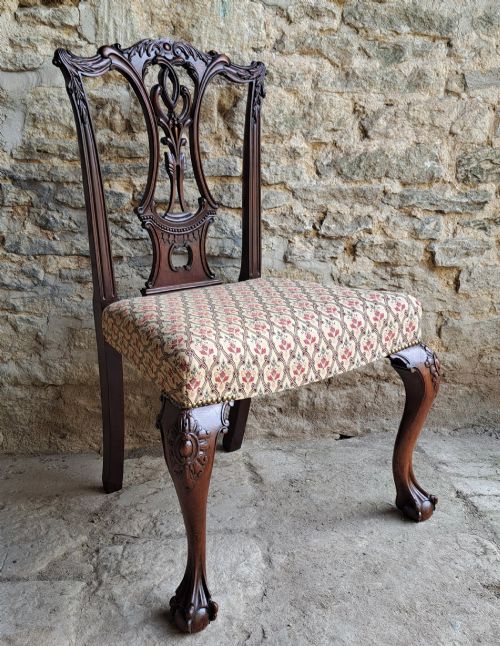
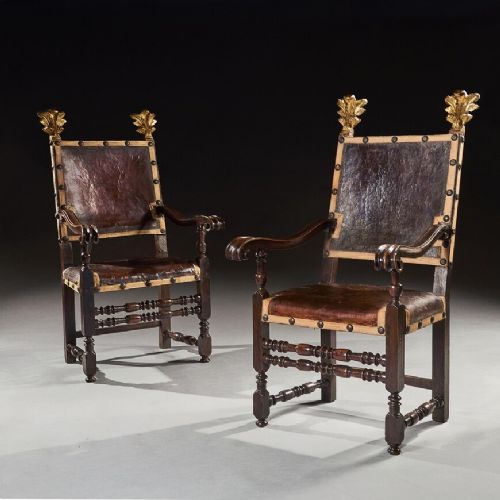
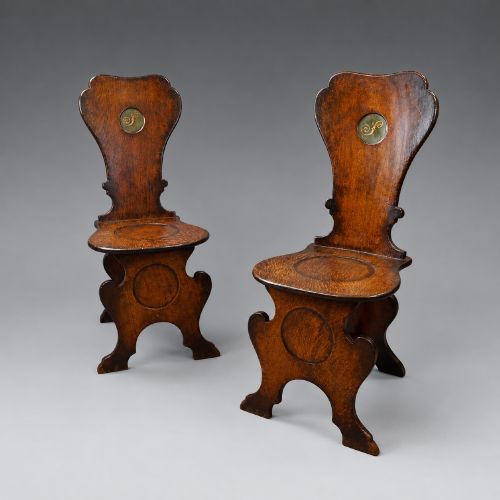
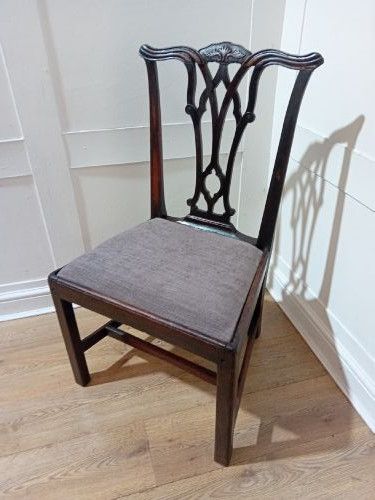
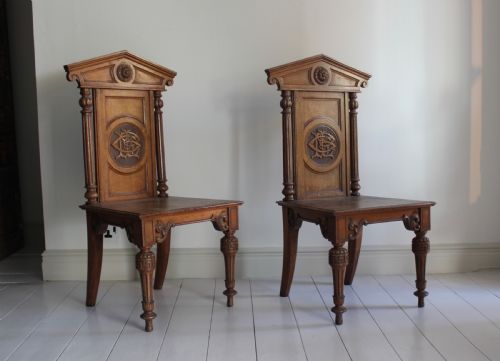
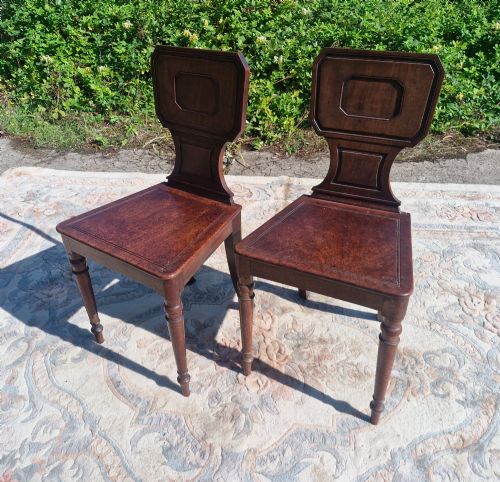
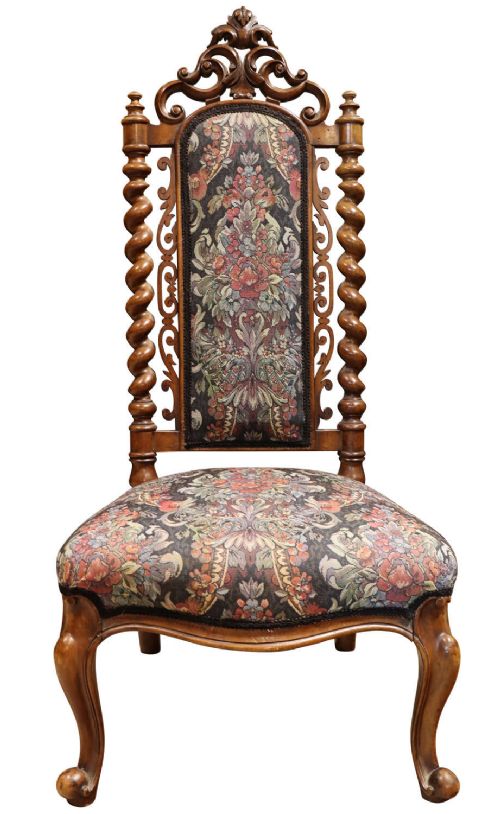
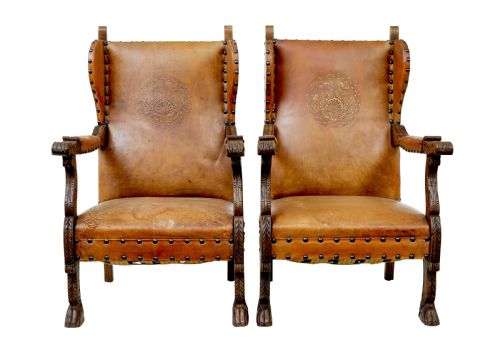
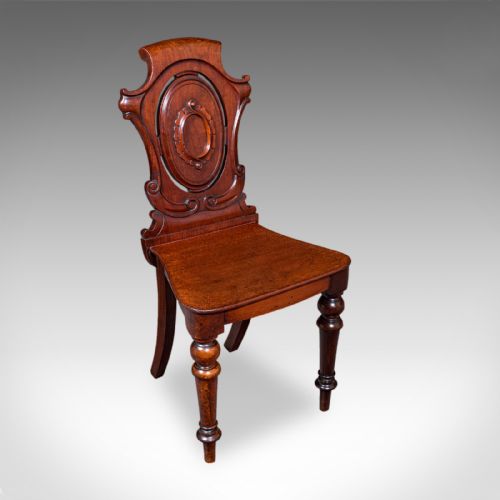
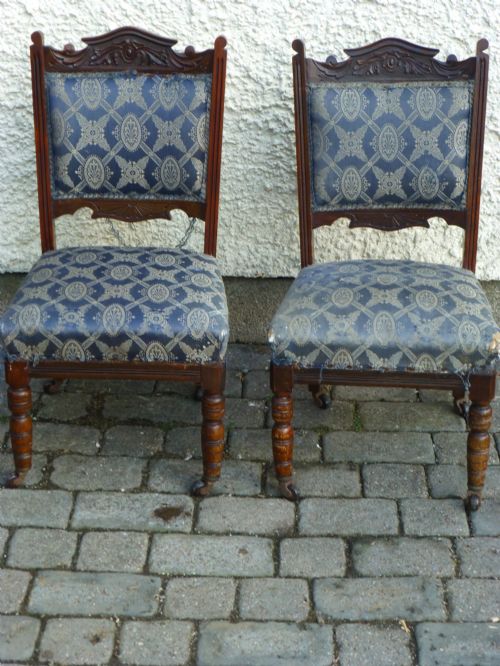
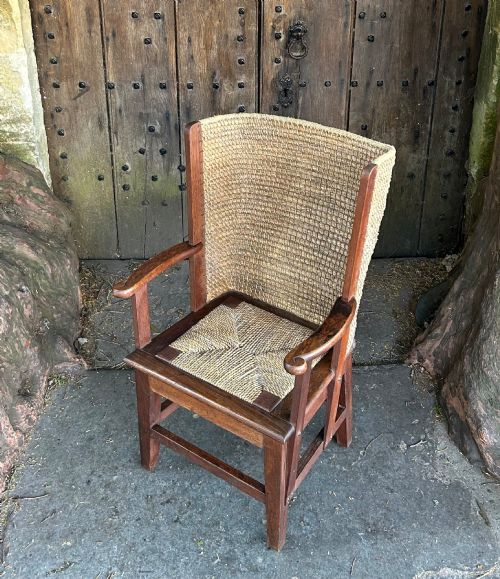
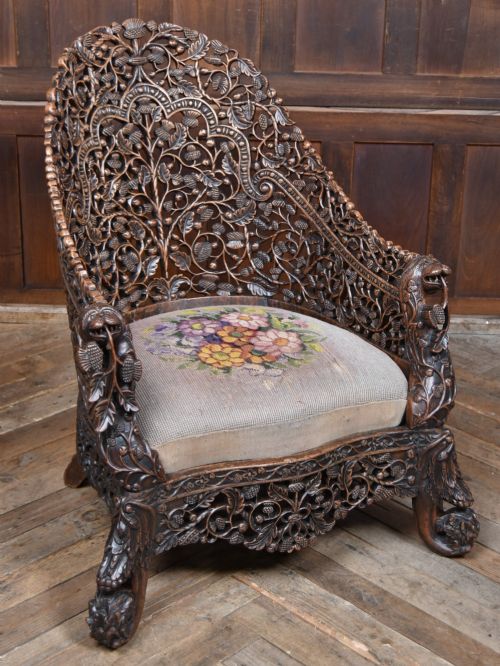
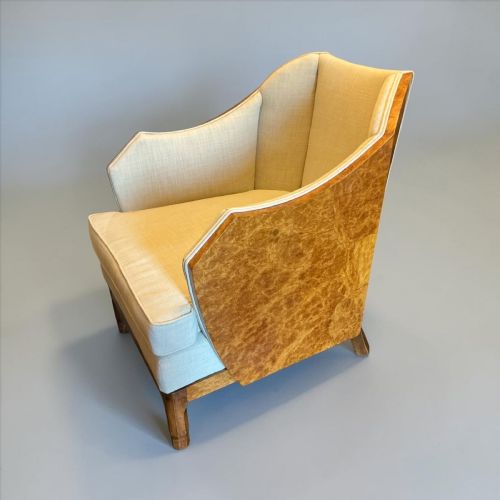
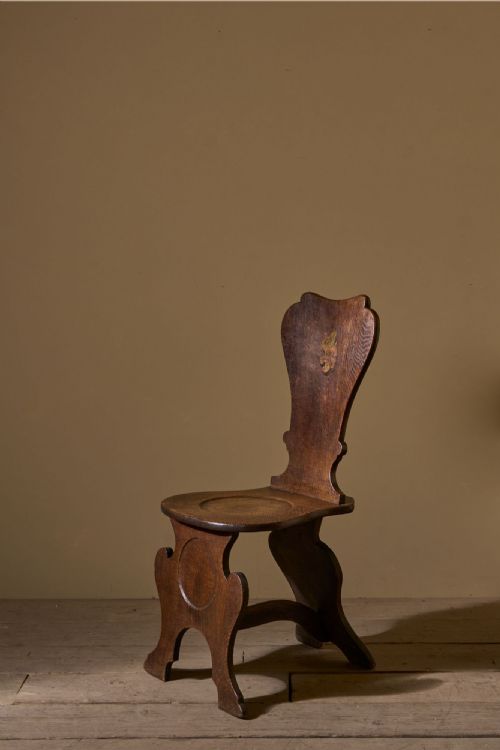
When you search for a brown carved accent chair, you encounter wooden seating designed to stand out in a room rather than sit tucked away at a dining table. The selection includes armchairs, side chairs, hall chairs, and nursing chairs drawn from centuries of cabinetmaking.
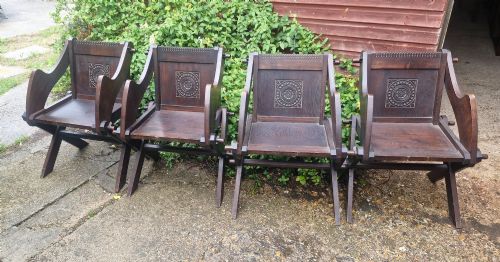
The pieces span periods from the seventeenth century through the Edwardian era, taking shape in forms like the highback kitchen armchair, the shield back hall chair, and the Glastonbury chair. Oak, mahogany, and walnut dominate the offerings, often enriched with carved details.
You are most likely to meet nineteenth-century examples on this page, alongside eighteenth-century items and occasional pieces from the seventeen-hundreds. English, Scottish, French, Italian, Burmese, and Chinese origins appear across the listings.
What varies in quality
The depth and crispness of the carving distinguish standard workshop production from exceptional pieces created for exhibitions or grand interiors. Timbers selected with rich figuring and dense grain elevate the presence of a chair significantly.
Proportion and structural integrity separate robust survivals from compromised examples, especially where joints meet or turned members support weight. Original surfaces and untouched timber patination carry greater regard than later alterations.
The selection includes styles spanning seventeenth-century Italian Baroque, eighteenth-century Chippendale designs, and nineteenth-century Gothic Revival.
The Brown Carved Accent Chair Glossary
- Glastonbury chair
- A type of folding wooden armchair with X-frame supports and a sloping back, frequently executed in oak during the nineteenth century.
- Sgabello
- A light wooden hall chair featuring a high back and solid trestle supports rather than conventional legs, common in Renaissance and revival designs.
- Shield back
- A chair back shaped like a heraldic shield, popular in eighteenth-century seating associated with designers like Chippendale.
- Bobbin turned
- Formed on a lathe to create a series of rounded wooden beads resembling bobbins along a leg or stretcher.
- Parcel-gilt
- Partially gilded with thin gold leaf or powder over a prepared surface to highlight carved details against dark wood.
Brown Carved Accent Chair: Frequently Asked Questions
Where should I place a brown carved accent chair?
These chairs work well in hallways, studies, and reception spaces where their carved details and wooden frames can be viewed without crowding.
They serve effectively as occasional seats or statement pieces alongside simpler modern furnishings.
How do I care for antique wooden chairs?
Keep wooden frames away from direct heat sources and strong sunlight to prevent the timber from drying out or splitting.
Apply traditional wax polish occasionally to nourish the grain and maintain the natural lustre of the surface.
What is the difference between a side chair and an armchair?
Side chairs are built without armrests, making them compact enough to line up against walls or tuck into desk spaces.
Armchairs provide structural arm supports for added comfort while occupying a more prominent position in a room layout.
How can I tell the period of a carved chair?
Look to the combination of timber species, carving styles, and construction methods to indicate the era of manufacture.
Design motifs like Gothic trefoils, Baroque gilding, or Regency curves often point directly to the prevailing taste of a specific century.