

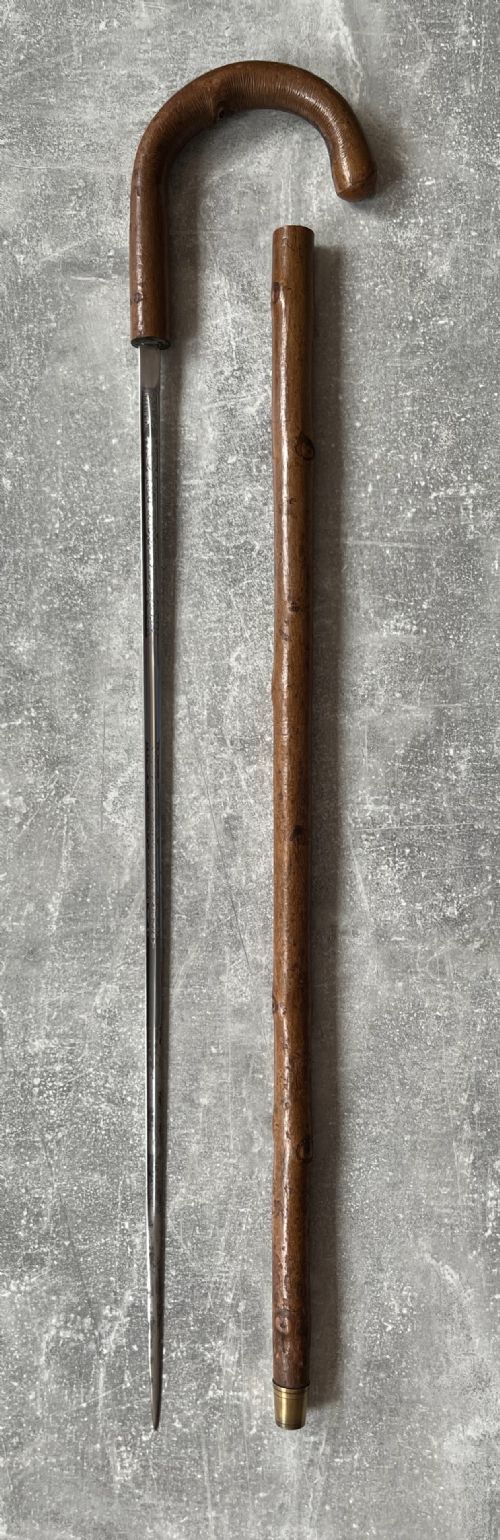


Brown Cane Weapon
These brown cane weapon pieces are discreet personal defence tools disguised as everyday walking sticks, offering a fascinating glimpse into historical urban security.
Brown Cane Weapon
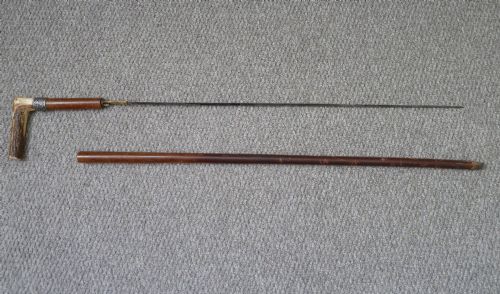
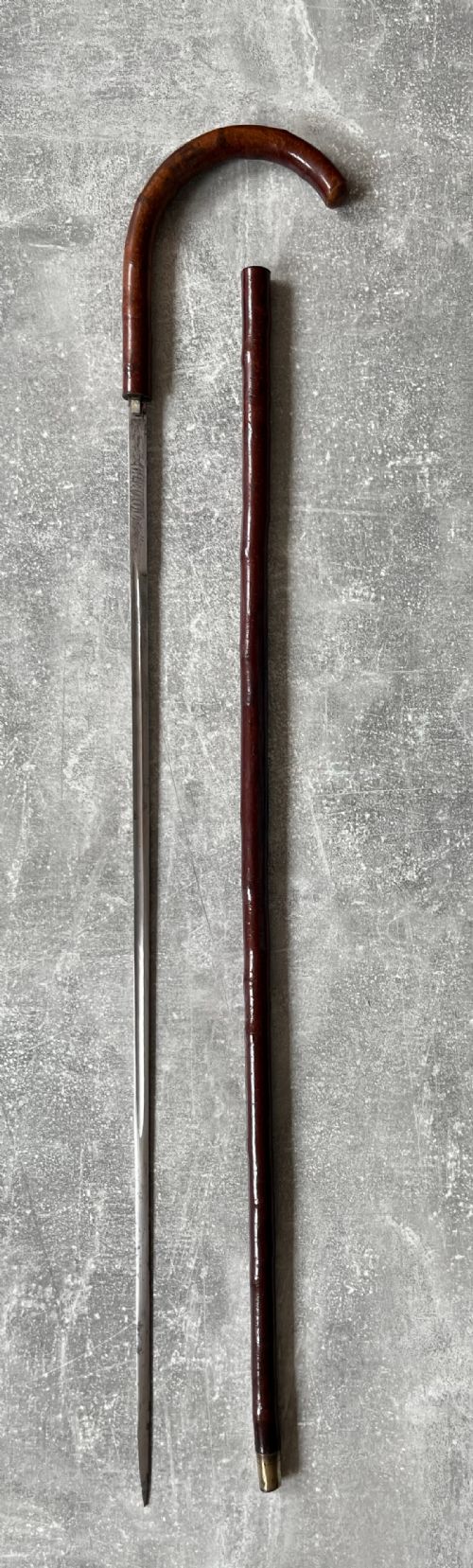
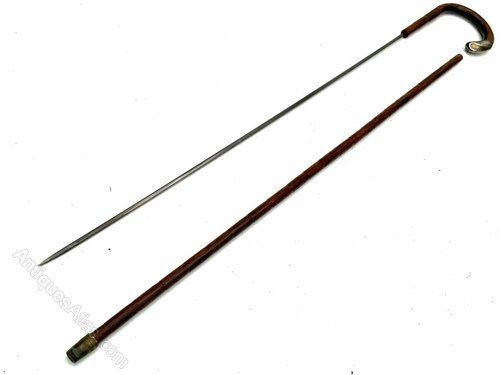
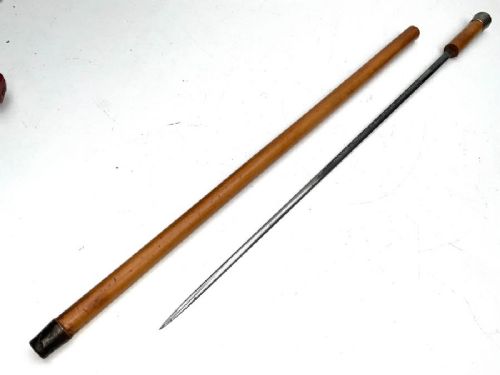
A brown cane weapon is primarily a functional walking stick or cane containing a concealed steel blade, designed for gentlemen requiring personal protection in the Victorian and Edwardian eras. These pieces typically take the form of walking sticks and sword sticks, utilising natural timbers and organic handles for camouflage.
The varieties you are most likely to encounter span the late nineteenth century through to the nineteen-twenties, incorporating both British and nineteenth-century French manufacture. Makers utilised timber shafts such as partridge wood, cherrywood, hazel, malacca, chestnut and rosewood to house the hidden blades securely.
Handles vary widely from simple crook shapes to root-ended designs, root ball grips, and horn, antler, or leather-covered surfaces. Some examples feature brass or silver mounts, gold-coloured collars, and specific personal initials or masonic associations.
Construction and materials
The outer shafts are constructed from durable woods like partridge wood, cherrywood, rosewood, chestnut, and malacca, sometimes covered in leather or snakeskin for texture and concealment. These timber housings require precise internal channeling to ensure the concealed steel blade slides smoothly without binding.
Blade quality is paramount, with notable pieces housing signed blades from makers such as Wilkinson or Toledo. Handles are meticulously fitted utilising horn, antler, or carved root wood, secured to the shaft with brass or silver mounts and decorative collars.
Brown Cane Weapon Retail Price Guide 2026
Typical asking prices for brown cane weapon among the pieces listed under this phrase on Sellingantiques today, from the lower quarter to the upper quarter. They describe what is for sale here now, not the wider market.
Listings feature pieces spanning from the eighteen-eighties through to the nineteen-twenties, incorporating both Victorian and Edwardian eras alongside nineteenth-century French examples.
Assessing quality in historical pieces
Quality rests significantly on the provenance and reputation of the blade housed within the wooden shaft, with marked Wilkinson or Toledo blades representing superior craftsmanship. The precision of the join between the handle and the shaft also determines the overall integrity of the piece as both a walking aid and a concealed implement.
Materials and decorative detailing elevate certain examples above standard utility pieces, seen in the use of solid silver mounts, gold-coloured collars, and premium handle materials like horn or antler. The choice of exotic or dense woods such as partridge wood and malacca further distinguishes finer examples from common chestnut or hazel variants.
The Brown Cane Weapon Glossary
- Sword stick
- A walking stick containing a concealed blade, designed for discretion and self-defence. These items merge everyday gentleman's attire with weaponry.
- Knop
- A rounded knob or handle at the top of a walking stick. This decorative and functional grip sits comfortably in the hand.
- Collar
- A metal band encircling the shaft just below the handle, often utilised for reinforcement or engraving initials. Silver mounts and gold-coloured collars frequently appear on these pieces.
- Partridge wood
- A dense, heavy tropical timber displaying a distinctive partridge-feather patterning. It provides exceptional durability and weight for walking aids.
- Malacca
- A sturdy rattan cane imported from Southeast Asia, prized for its mottled brown surface and resilience. It serves as a traditional shaft material for fine walking sticks.
Brown Cane Weapon: Frequently Asked Questions
What is a brown cane weapon?
A brown cane weapon is a historical walking stick engineered with a hidden inner steel blade. These objects served as practical walking aids and discrete personal protection tools during the Victorian and Edwardian periods.
They combine traditional woodworking and handle carving with concealed tactical elements, reflecting the social anxieties and fashion of nineteenth-century gentlemen.
How do I date a sword stick?
Dating relies on examining the style of the handle, the timber used, and any accompanying metal mounts or blade stamps. Pieces from the Victorian and Edwardian eras often exhibit specific handle materials like horn or carved root wood.
Maker marks on the steel blade, such as Wilkinson or Toledo signatures, provide a reliable chronological anchor for establishing the exact manufacturing period.
Were these used by the military?
Certain examples, including military officers' walking sticks and swagger sticks, were indeed carried by service personnel. These pieces frequently incorporated concealed blades or specific regimental styling suitable for officers off duty.
They bridge the gap between standard uniform accessories and practical civilian self-defence implements of the late nineteenth century.
How do I care for wooden walking sticks?
Keep wooden shafts and handles away from direct heat sources and excessive moisture to prevent the timber from warping or splitting. Occasional application of suitable wax helps maintain the lustre of woods like rosewood and partridge wood.
Ensure the internal blade mechanism remains dry and lightly oiled to prevent corrosion within the wooden channel.