
Brown Burr Walnut Cabinet
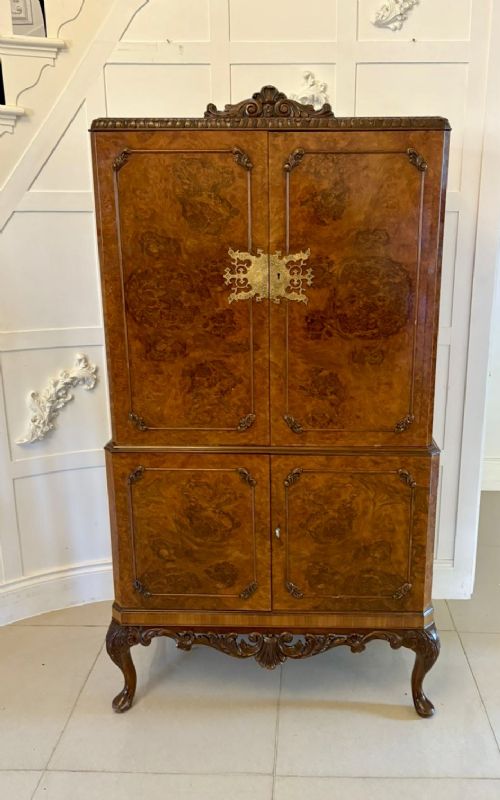
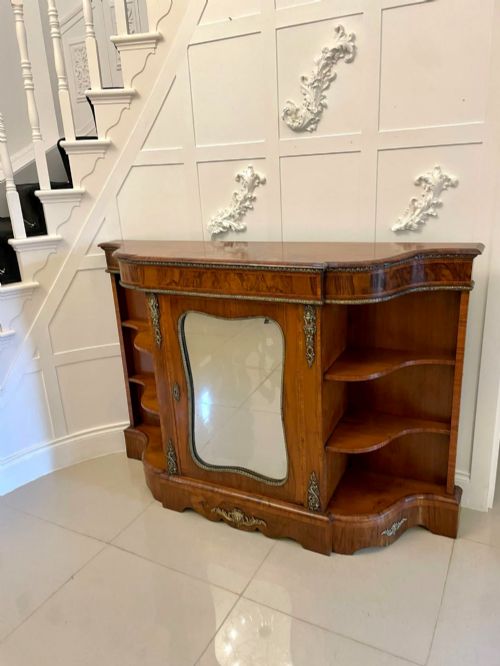
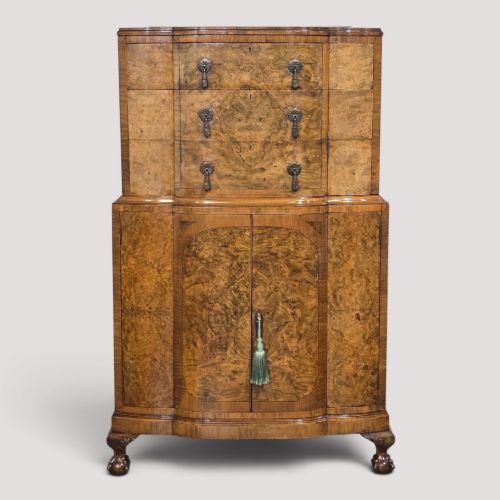
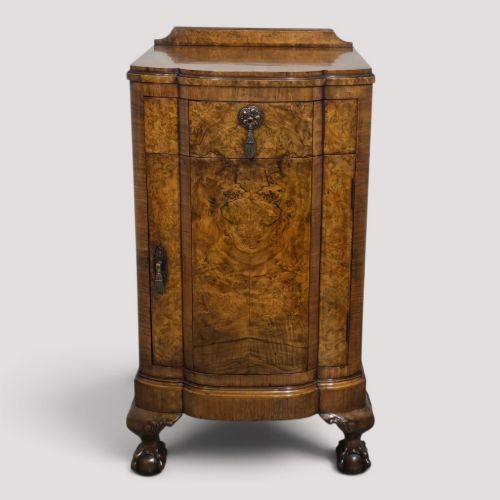
A brown burr walnut cabinet brings rich grain and figured timber into a room, offering both practical storage and a striking presence.
Brown Burr Walnut Cabinet
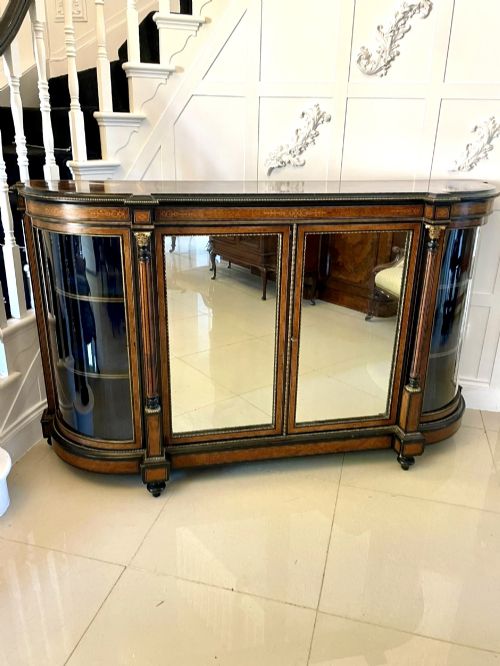
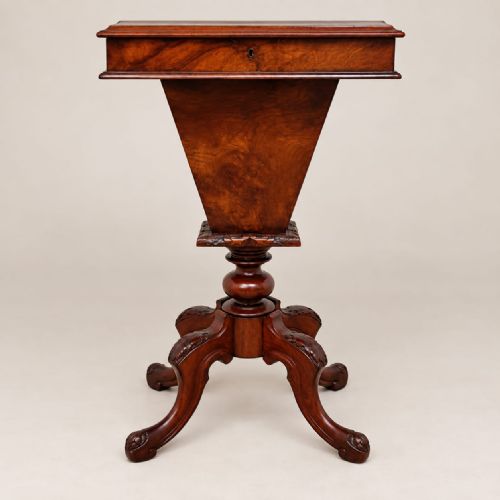
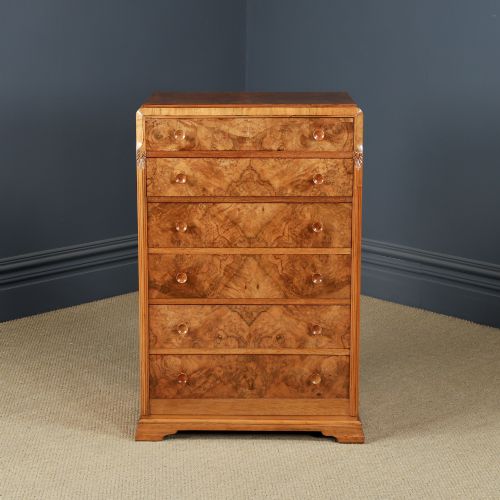
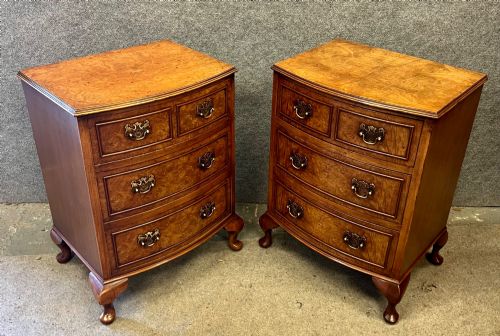
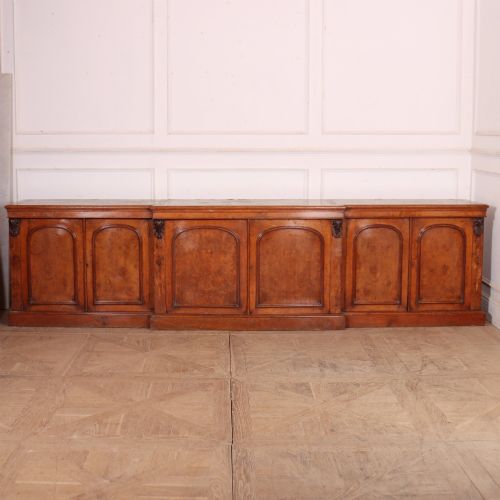
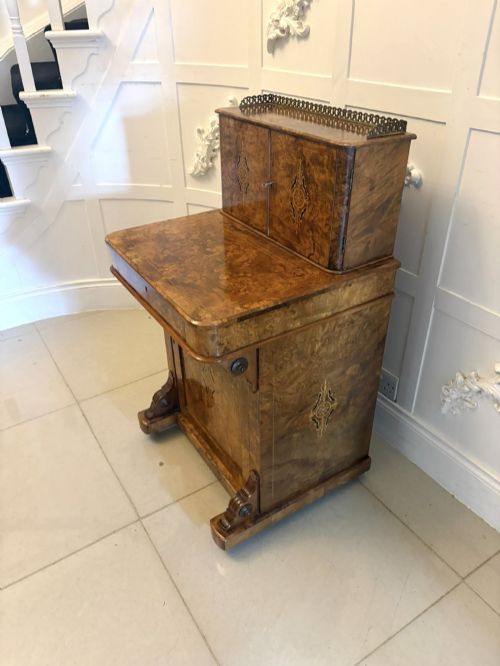
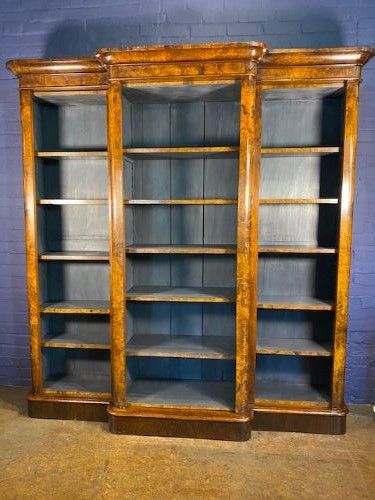
A brown burr walnut cabinet encompasses various functional forms, from bedside tables and side cabinets to larger display cabinets and bookcase combinations. When searching for a brown burr walnut cabinet, buyers frequently encounter pieces dating from the eighteenth century through to the art deco era and the nineteen-twenties, reflecting enduring popularity across multiple design periods.
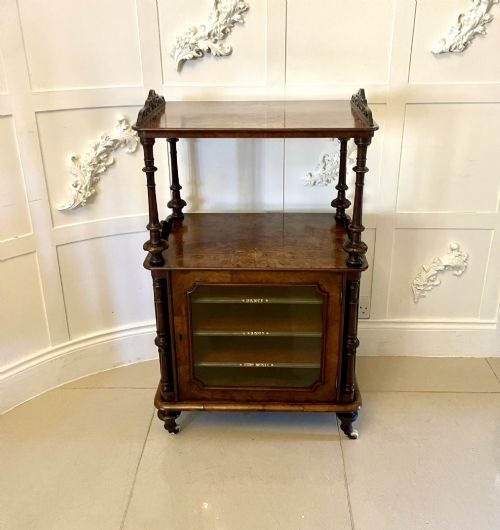
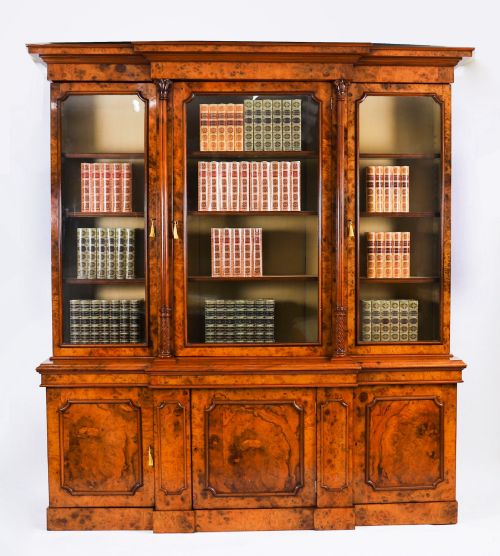
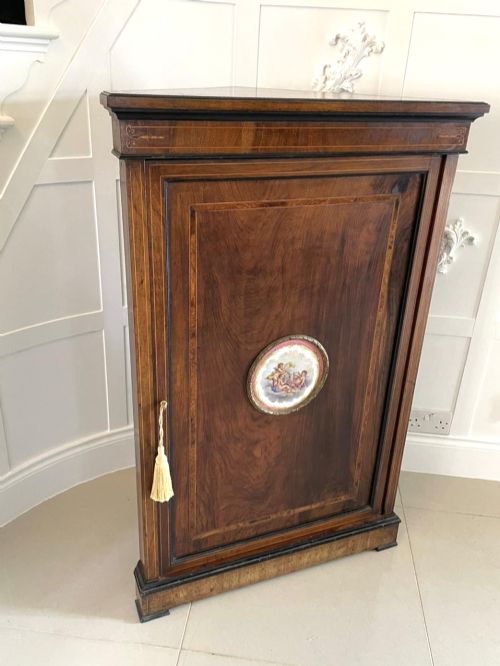
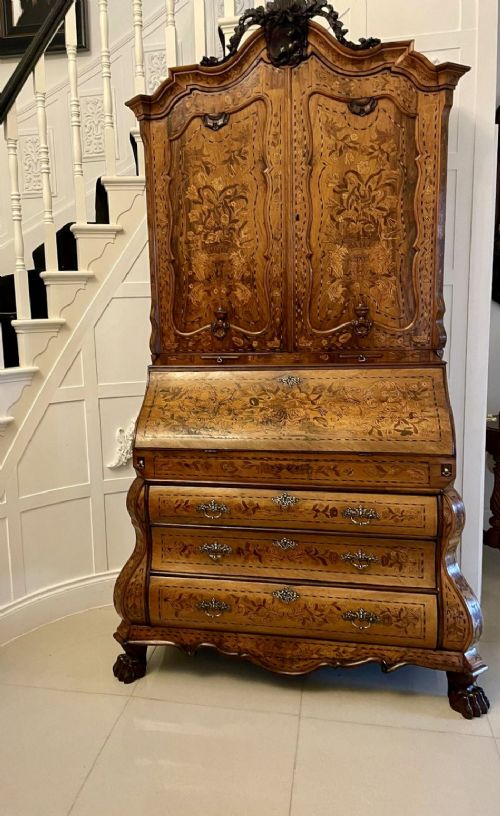
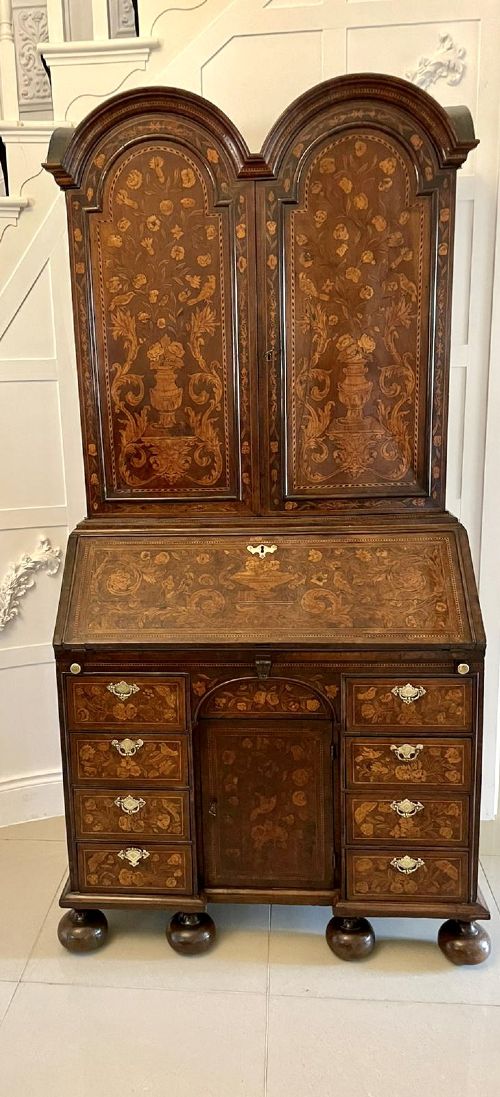
The selection ranges from compact Victorian pier cabinets and music filing units to grander Queen Anne revival bureau bookcases and serpentine sideboards. Earlier examples often display intricate marquetry or featherbanding, whilst later twentieth-century interpretations favour clean geometric lines in burr walnut and sycamore.
Materials and construction techniques
Craftsmen built these pieces using solid timber frameworks such as oak or walnut, applied with finely figured burr walnut veneer to achieve swirling grain patterns across the primary surfaces. Cabinet makers utilised specialised sawing methods to harvest the knotty growths of the walnut tree, producing the distinctive mottled figures characteristic of the material.
Many examples incorporate decorative details including brass mounts, porcelain plaques, ormolu accents, and delicate inlay work like floral marquetry or herringbone banding. French polishing completed the process, sealing the wood to deepen the natural brown tones and protect the delicate veneer.
Listings feature burr walnut cabinets spanning from the seventeenth century through to art deco and nineteen-thirties modern designs.
Distinctions in construction and design
The sophistication of the veneer selection largely determines the visual hierarchy, with continuous, well-matched burr patterns across drawer fronts and doors commanding greater appreciation than disjointed grain matching. Finer pieces demonstrate meticulous hand-cut dovetailing in the drawer construction and precise alignment of decorative stringing or inlay.
Structural integrity and original hardware also dictate standard, where pieces retaining period brass handles, functional locks, and undamaged glass panels show superior preservation. The complexity of the silhouette, such as bombe shapes, breakfront profiles, or serpentine curves, indicates higher ambition in the original workshop.
The Brown Burr Walnut Cabinet Glossary
- Burr walnut
- Timber taken from the wart-like growths on walnut trees, yielding highly figured, swirling grain patterns. This material was prized by cabinet makers for creating decorative focal points on doors and drawer fronts.
- Marquetry
- The art of applying pieces of veneer to a structure to form decorative patterns or pictures. Craftsmen used various woods and occasionally metal to create floral or geometric designs.
- Featherbanding
- A type of inlay consisting of two strips of veneer laid diagonally to meet at a central point resembling a spine or feather. It typically borders drawer fronts or cabinet panels on eighteenth-century pieces.
- Credenza
- A type of side cabinet originally developed in Italy and widely produced during the Victorian era. These pieces often feature glass doors, porcelain mounts, and decorative marquetry.
- Ormolu
- Gilded bronze used for decorative mounts and furniture hardware. It provides a bright golden contrast against the dark brown tones of walnut timber.
Brown Burr Walnut Cabinet: Frequently Asked Questions
How do I date a brown burr walnut cabinet?
Dating relies on examining construction methods, hardware, and stylistic cues present in the piece. Eighteenth-century examples often feature hand-cut dovetails and featherbanding, whilst Victorian versions tend to incorporate plainer interiors and machine-milled components.
Secondary woods inside drawers also provide clues, as oak and pine usage shifted across the decades. Comparing the overall silhouette against known revival periods helps confirm whether a piece is seventeenth-century, Georgian, or later twentieth-century work.
Where should I place a brown burr walnut cabinet at home?
These cabinets suit living rooms, dining spaces, or studies where their rich grain and polished surfaces can serve as a focal point. Smaller bedside tables or pier cabinets fit well in bedrooms or hallways without dominating the floor area.
Positioning the cabinet away from direct sunlight and heat sources prevents the veneer from drying out or warping over time. Allowing adequate space around the piece ensures its decorative silhouette remains visible.
How do I care for walnut veneer surfaces?
Maintenance requires regular dusting with a soft, dry cloth to prevent grit accumulation on the polished finish. Avoiding silicone-based sprays preserves the integrity of the traditional polish and prevents a synthetic buildup.
Maintaining a stable room temperature and humidity level protects the delicate burr walnut veneer from cracking or lifting. Periodic application of specialist wax nourishes the timber and maintains its warm brown lustre.
What is the difference between a bureau bookcase and a display cabinet?
A bureau bookcase combines a sloping writing flap that opens to reveal internal pigeonholes and small drawers with upper shelving enclosed by doors. This form offers a dual purpose for both clerical tasks and book storage.
A display cabinet focuses primarily on showcasing porcelain, glassware, or collectables behind glazed doors, often featuring mirrored backs or glass shelves. The structural emphasis rests on visibility rather than concealed storage or writing surfaces.