

Brown Buffet Cabinet
A brown buffet cabinet brings substantial storage and deep timber tones to a dining room, uniting practical function with period craft.
Brown Buffet Cabinet
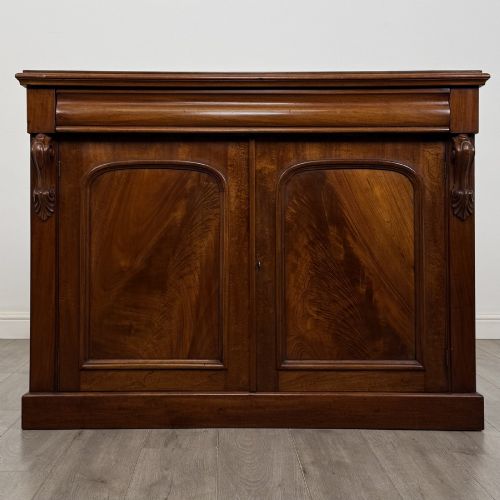
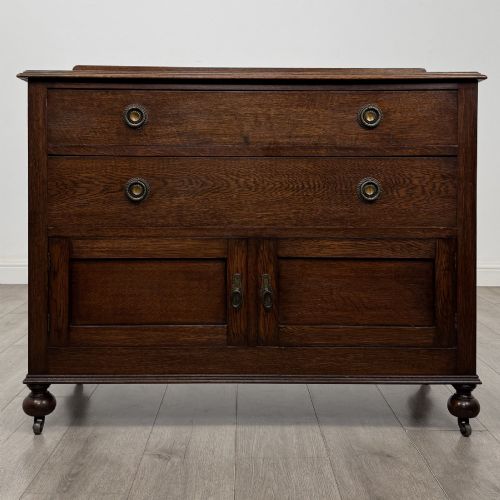
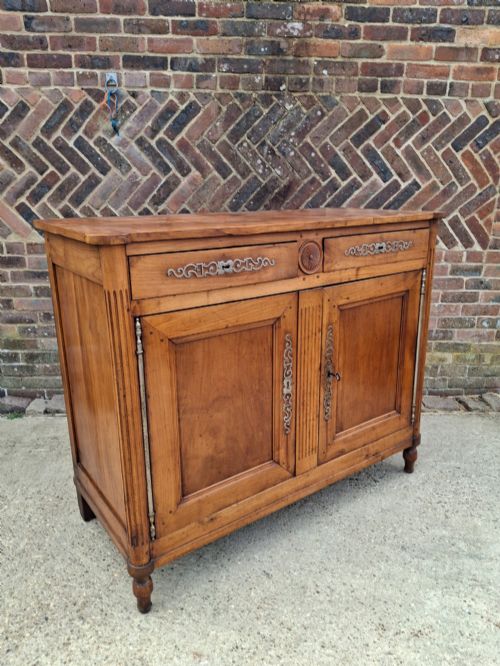
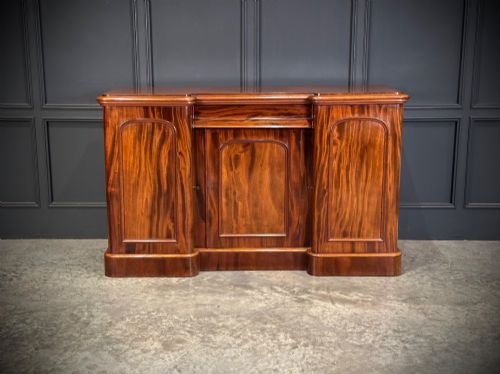
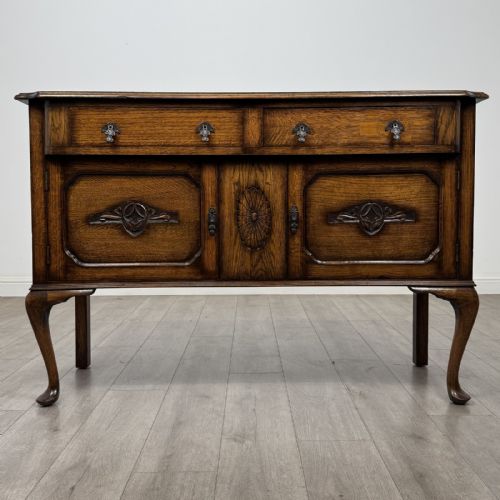
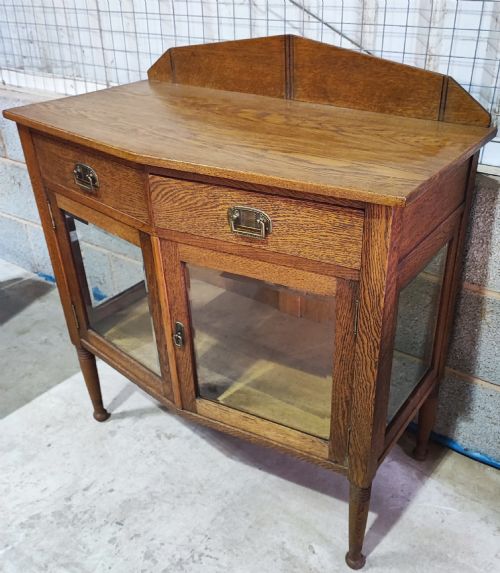
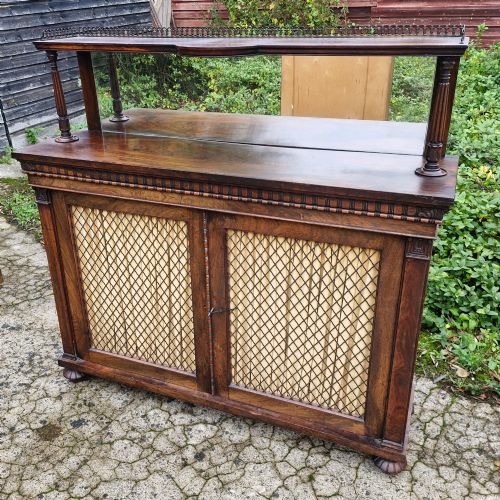
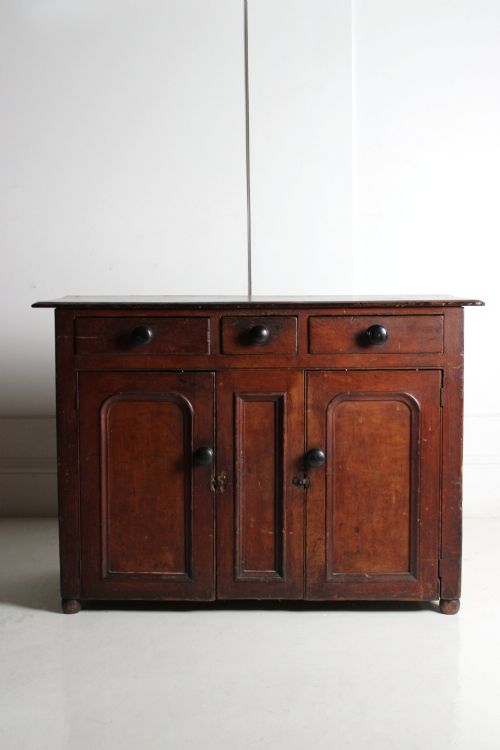
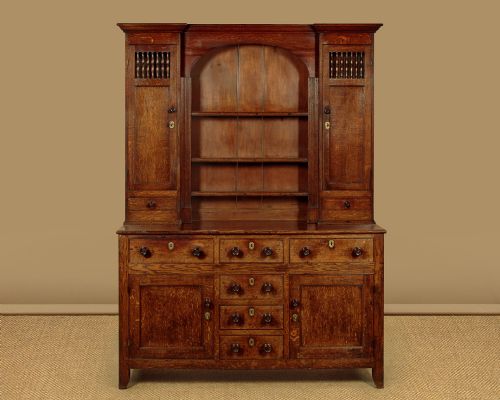
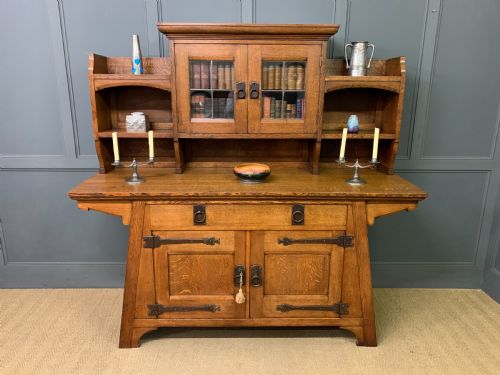
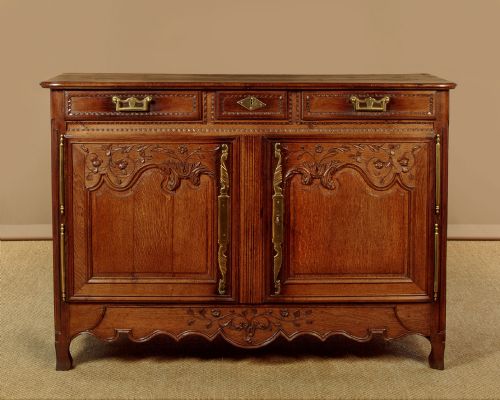
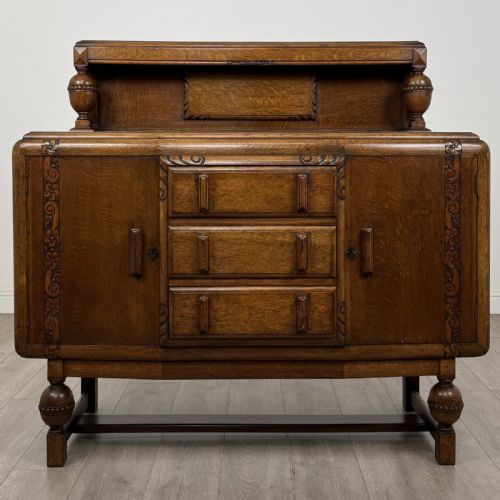
A brown buffet cabinet encompasses a range of serving furniture, sideboards, and credenzas designed for dining rooms and living spaces. When searching for a brown buffet cabinet, buyers encounter pieces spanning from the eighteenth century through to the art deco era, with nineteenth-century mahogany and early twentieth-century oak being particularly common.
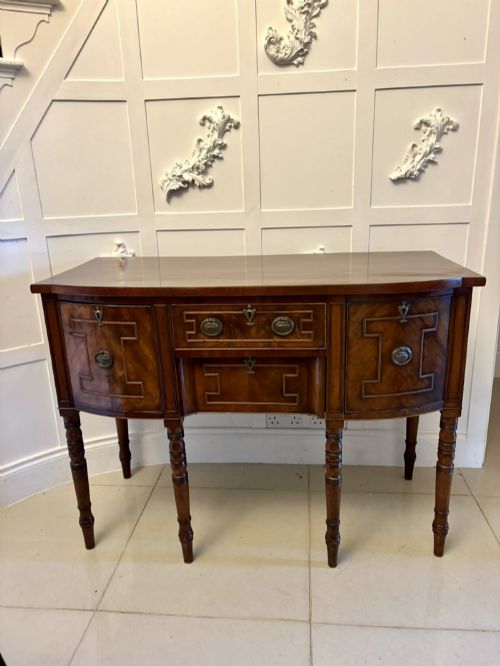
The forms vary from simple dresser bases and cupboards to grand pedestal sideboards and carved cabinets. Edwardian and Victorian iterations frequently feature raised galleries, mirror backs, or panelled doors, while earlier Georgian examples present clean bow fronts and inlay work.
Materials and Construction
Makers utilised solid timbers alongside veneered surfaces, constructing carcases primarily in oak and mahogany. Burr walnut and pollard oak appear with figured grain patterns, complemented by flame mahogany veneers and satinwood crossbanding.
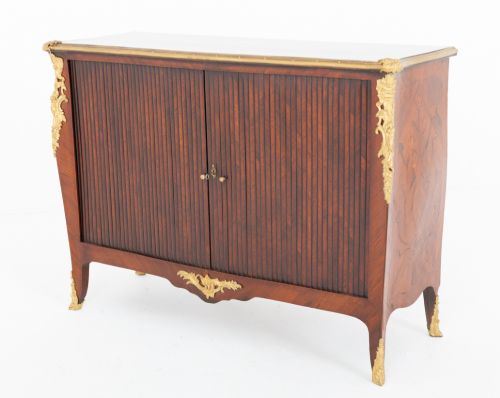
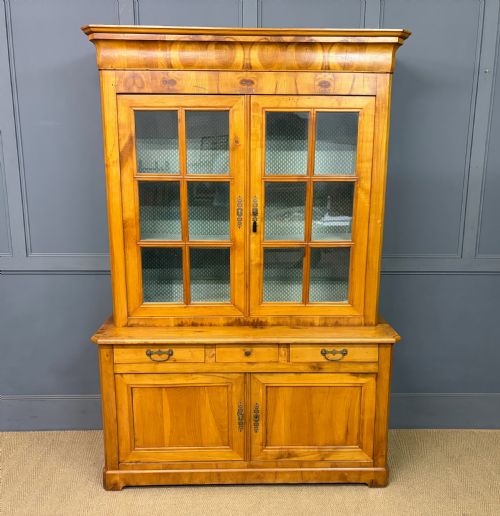
Joinery methods include fielded panel doors, stretcher bases, and fitted drawers. Metal elements such as brass handles and ormolu mounts punctuate the timber surfaces, while glass panels feature on select display cabinets and drinks cupboards.
Brown Buffet Cabinet Retail Price Guide 2026
Typical asking prices for brown buffet cabinet among the pieces listed under this phrase on Sellingantiques today, from the lower quarter to the upper quarter. They describe what is for sale here now, not the wider market.
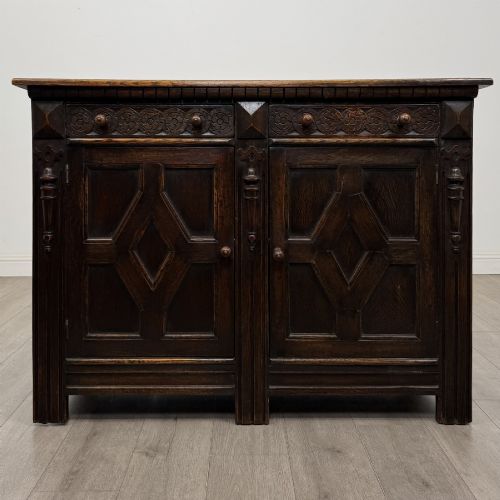
Several heavy oak cupboards on display proudly bear Green Man carvings, watching over the dining room with leafy whiskers.
Assessing Quality and Craft
Quality separates through the selection of timber and the precision of decorative carving. Pieces featuring highly figured burr walnut or meticulous marquetry inlay sit at the upper end of the spectrum, alongside works carrying documented attribution to notable makers.
Structural integrity and hardware refinement dictate the standing of a piece. Hand-cut dovetails in drawers, substantial timber thickness in stretcher bases, and crisp relief carvings such as Green Man motifs distinguish superior examples from standard production.
Rushworth's·Gillows·Charles Dudouyt·Hewetsons, London
The Brown Buffet Cabinet Glossary
- Bow front
- A convex curved cabinet front popular in Georgian and Victorian designs. This shape softens the corners of a room and showcases figured mahogany grain.
- Credenza
- A sideboard or cabinet designed for dining storage, often featuring glass doors or ormolu mounts. Victorian examples frequently incorporate internal shelving for china and silver.
- Crossbanding
- A strip of veneer applied perpendicularly to the surrounding grain along the edge of a top or drawer front. This technique frames the primary timber with a contrasting border.
- Dresser base
- A low wooden unit with drawers and cupboards, originating from country houses for food preparation and serving. Georgian and eighteenth-century oak versions remain highly sought after.
- Stretcher base
- A system of horizontal wooden bars connecting the lower legs of a cabinet for added stability. These reinforcements appear frequently on substantial oak sideboards.
Brown Buffet Cabinet: Frequently Asked Questions
What is a brown buffet cabinet used for?
These cabinets serve primarily in dining rooms for storing tableware, linens, and serving dishes while providing a surface to display decorative objects during meals.
Many period variations also incorporate fitted drawers for cutlery or dedicated spaces to house drinks and glassware.
How do I identify a Georgian sideboard?
Georgian pieces typically display mahogany construction with restrained proportions, often featuring bow fronts and delicate inlaid satinwood banding.
They generally predate the heavier carved decoration and raised galleries seen on later Victorian and Edwardian iterations.
How should I care for an antique oak cabinet?
Maintain the timber by keeping the cabinet away from direct heat sources and sudden humidity shifts that can cause wood to split.
Apply a quality beeswax periodically to nourish the surface and preserve the natural sheen of the grain.