


Brown Bamboo Stand
These brown bamboo stand pieces bring genuine Aesthetic charm into a room, offering lightweight utility and distinctive natural texture.
Brown Bamboo Stand
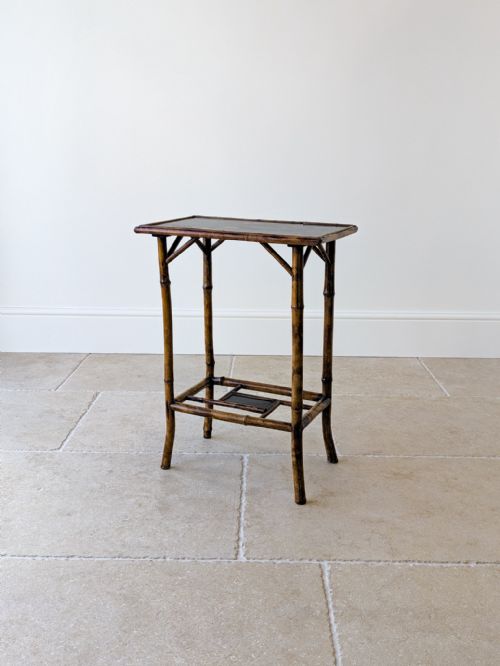
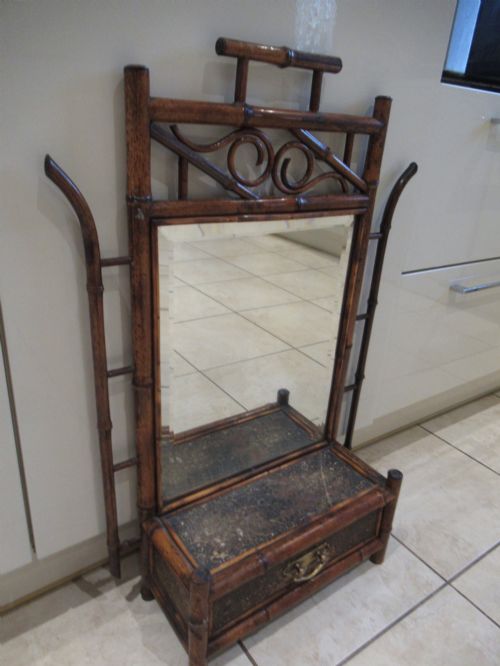
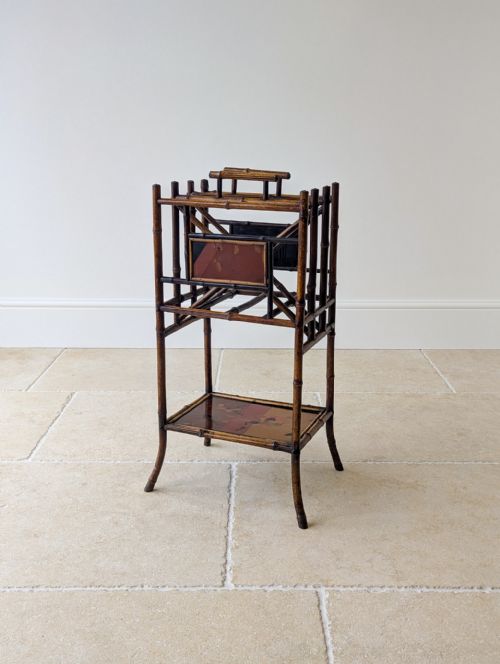
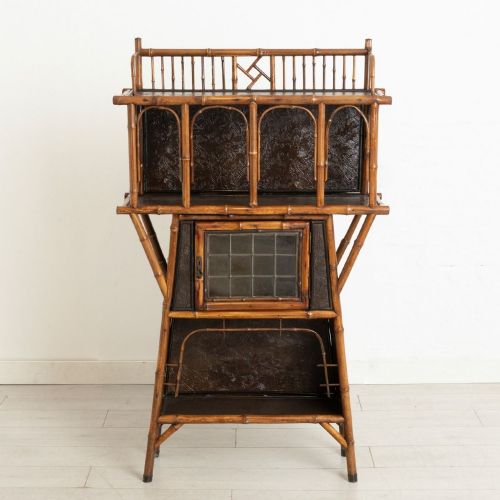
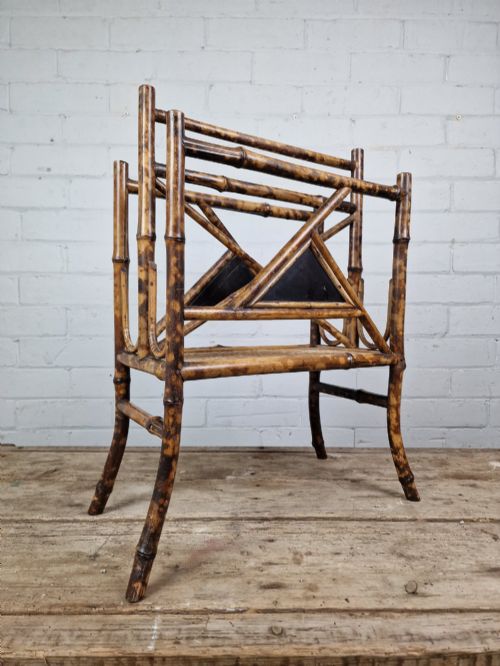
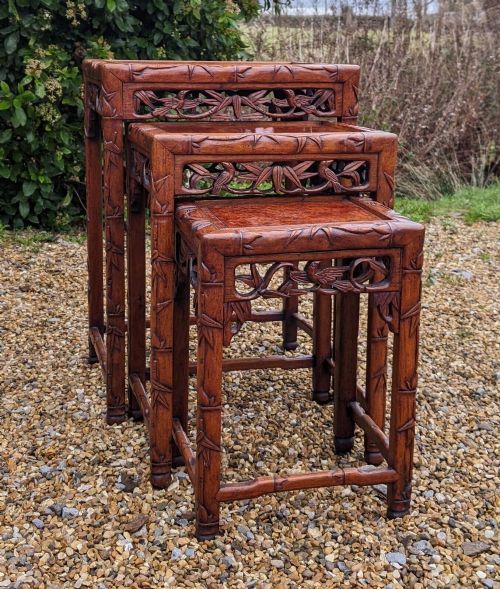
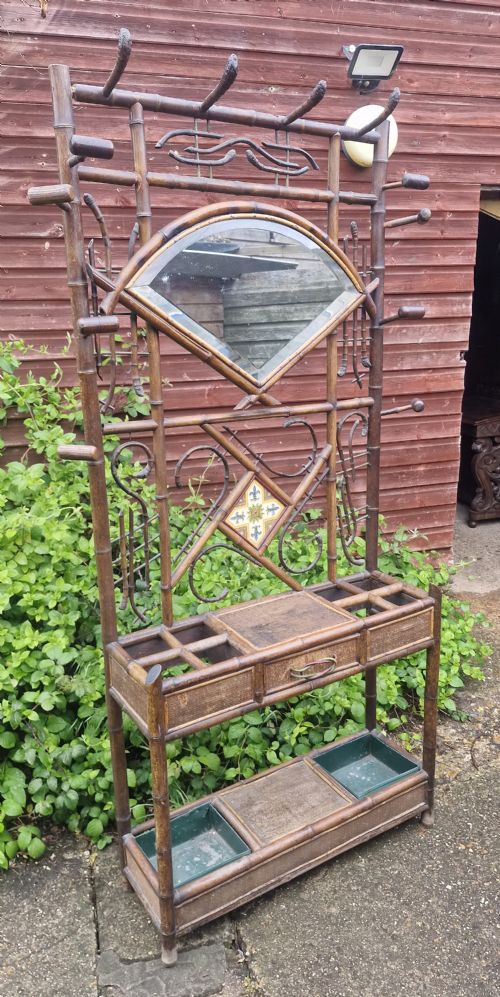
A brown bamboo stand encompasses various occasional furnishings produced primarily during the Victorian and 19th Century periods, embracing the Aesthetic Movement and Japanese-influenced design. Buyers searching for a brown bamboo stand encounter practical items such as hallstands, side tables, magazine racks, and umbrella stands.
The pieces originating from this era range from simple occasional tables and display cabinets to elaborate hall stands featuring lacquered panels and mirror glass. Most examples date from the late nineteenth century, reflecting a widespread fascination with exotic materials and Asian design motifs during the Victorian age.
How they were made
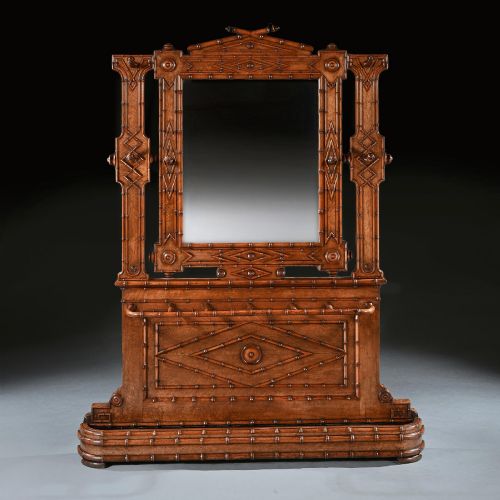
Construction relies upon natural bamboo stems, sometimes substituted with hardwoods shaped into faux bamboo profiles, joined together to create lightweight yet sturdy frames. Makers integrated panels of lacquer, glass, and leather to provide flat surfaces and decorative contrast against the fibrous texture of the bamboo.
Finishes typically highlight the warm brown tones of the material, ranging from polished natural cane to lacquered surfaces influenced by Chinese Qing Dynasty style and Japanese Meiji period aesthetics.
One unexpected item on record is a cherry wood fishing rod rest shaped to look like bamboo, proving Victorians applied the motif to angling.
What varies in quality
Quality in these pieces depends upon the integrity of the structural joints and the complexity of the secondary materials, such as hand-painted lacquer panels or inset tiles. Simpler utility stands differ significantly from pieces produced by notable firms like Liberty and Co, which often incorporate superior hardware and refined joinery.
The preservation of the natural bamboo cane and any applied decorative elements dictates the overall standard, with finer items retaining their original surface finishes and secure fittings without excessive looseness in the frame.
Leonard Wyburd for Liberty and Co·Liberty and Co
The Brown Bamboo Stand Glossary
- Aesthetic Movement
- A late nineteenth-century design current prioritising visual beauty over narrative or moral function. This movement popularised Asian-inspired forms and bamboo furniture in British interiors.
- Faux bamboo
- Wood, such as cherry or maple, carved and painted to imitate the segmented growth rings of natural bamboo. This technique offered greater structural strength for weight-bearing furniture.
- Japonisme
- The influence of Japanese art and design on Western practitioners during the late nineteenth century. It appears frequently in the asymmetry and decorative motifs of bamboo furnishings.
- Canterbury
- A low standalone rack originally designed for holding sheet music, newspapers, or periodicals. In bamboo, these items served as lightweight magazine stands in Victorian parlours.
- Okimono
- A small Japanese carved decorative sculpture intended for display on a shelf or table. These pieces reflect the intricate craftsmanship imported during the Meiji period.
Brown Bamboo Stand: Frequently Asked Questions
How do I date a bamboo stand?
Dating relies primarily on stylistic clues such as the presence of Aesthetic Movement motifs, lacquered panels, and construction methods typical of the late nineteenth century. Pieces linked to specific retailers or exhibitions often carry more precise chronological markers.
Examining the hardware, mirror glass, and secondary woods like cherry or hardwood also helps distinguish Victorian production from later twentieth-century interpretations.
Were these pieces made in Britain?
Many bamboo items were manufactured in Britain during the Victorian era to satisfy the demand for exotic, lightweight furniture influenced by Japanese design. British workshops and major retailers produced extensive ranges of tables, stands, and cabinets using imported cane.
At the same time, certain items and decorative panels originated directly from China and Japan, reflecting international trade and the popularity of Chinoiserie and Meiji period goods.
How do I clean a bamboo stand?
Maintenance requires gentle dusting with a soft cloth to prevent particulate accumulation within the natural crevices of the cane. Moisture should be kept to a minimum to protect the dry plant fibres and any applied lacquer or leather.
Conditioning the wood or bamboo with appropriate specialist oils should be avoided unless specified, as standard beeswax polishes can build up within the textured joints.
Can I use an umbrella stand daily?
Using a bamboo umbrella stand for wet items requires caution, as prolonged exposure to moisture can degrade the natural cane and loosen the structural bindings. Placing a small waterproof tray inside the base protects the lower framework from direct water damage.
Most historical hallstands and umbrella holders function best when used with drip trays or reserved for dry walking sticks and canes.