


Brown Ash Stick Chair
A brown ash stick chair brings robust country character into a room, combining vernacular simplicity with enduring comfort.
Brown Ash Stick Chair
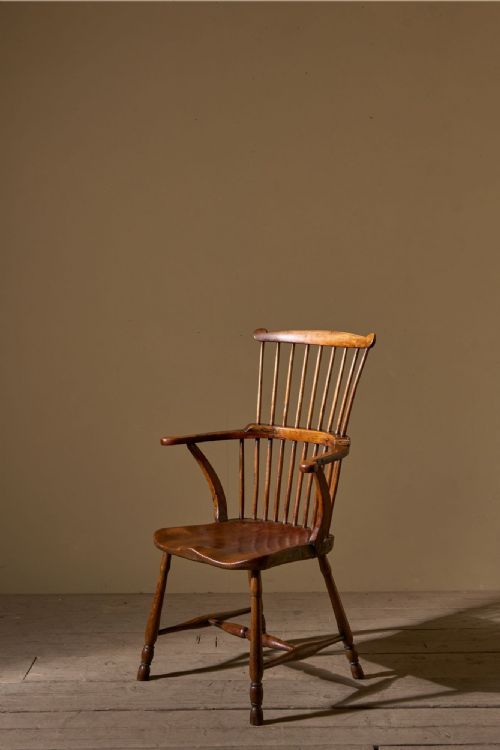
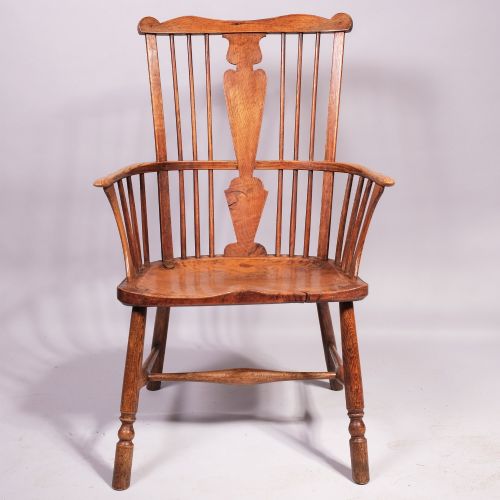
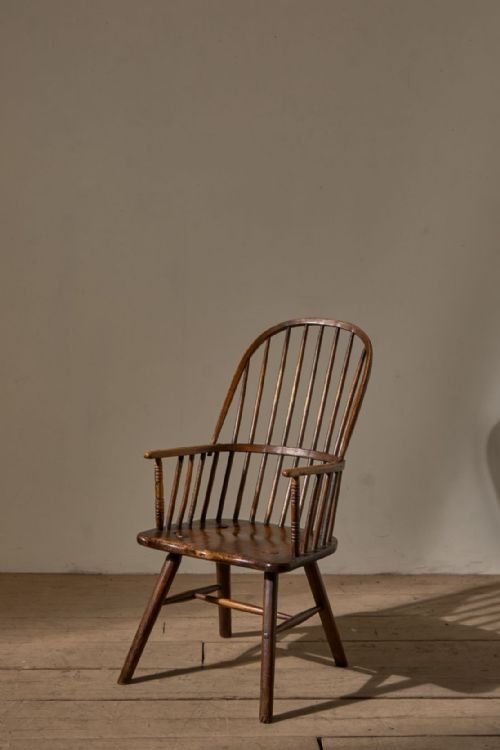
A brown ash stick chair is a practical vernacular seating form rooted in centuries of rural British furniture making. When you search for a brown ash stick chair, you meet pieces ranging from eighteenth-century comb backs to Victorian kitchen dining sets.
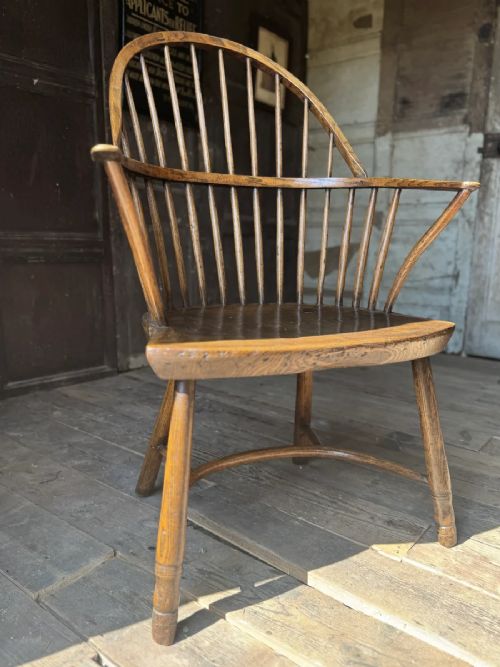
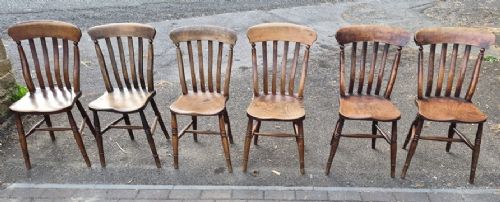
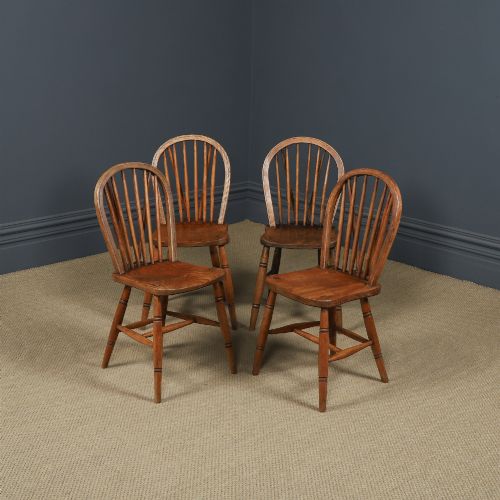
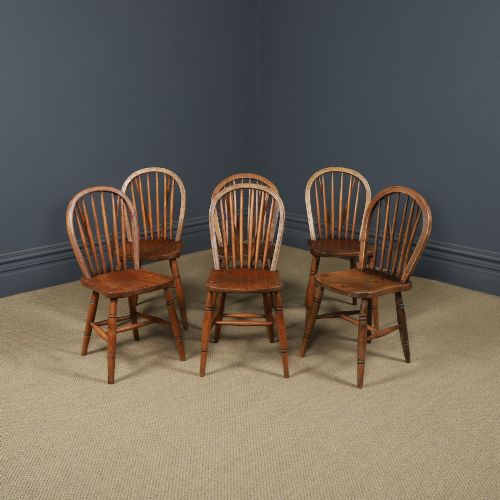
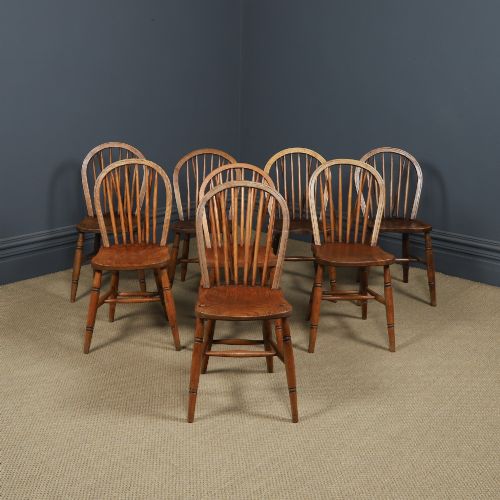
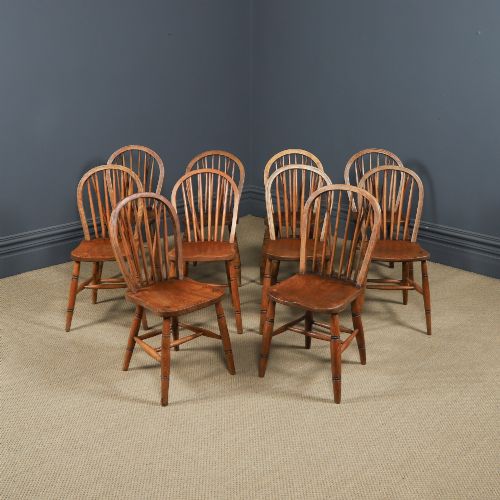
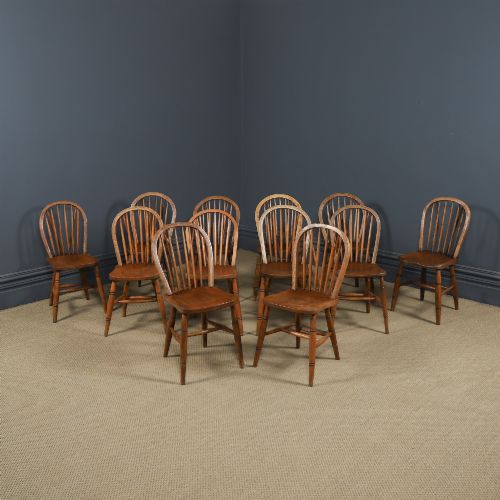
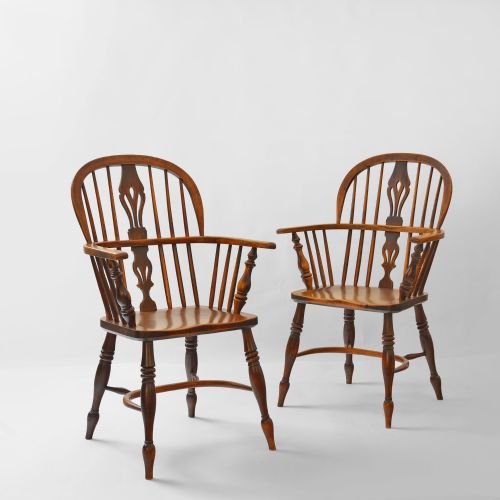
The versions most common on this page combine ash frameworks with elm seats, spanning the Georgian, Regency, and Victorian periods. Forms vary from low-back armchairs and child chairs to large sets of hoop and stick back dining chairs originating from regional traditions like the Thames Valley or West Country.
These pieces reflect domestic utility shaped by local rural joinery rather than urban court fashion. They survive as working seats intended for heavy daily use in farmhouses, kitchens, and cottages.
Materials and construction methods
The construction relies on the pairing of ash and elm, utilising the tough, flexible nature of ash for steam-bent frames, spindles, and legs. Elm is chosen for the solid saddle-shaped seat because its interlocking grain resists splitting when bored and shaped.
Makers shaped green timber using traditional bodging techniques in woodland workshops before assembling the components with wedged tenon joints. Additional bracing such as crinoline stretchers provided structural rigidity to the stick and hoop back designs.
Listings span the eighteenth, nineteenth, and early twentieth centuries, featuring ash, elm, and oak across English Country, Georgian Vernacular, and Victorian styles.
Factors that distinguish quality
Quality in these chairs rests on the depth of the sculpted elm seat and the balance of the turned spindles and stick backs. Early examples display finer hand-carved details and more pronounced comb backs or crinoline stretchers.
Wear and replacement parts influence the integrity of the piece, as original surfaces and matching sets command greater interest from collectors. The proportion of the turnings and the harmonious integration of ash and elm determine the visual success of each chair.
Scottish Darvil
The Brown Ash Stick Chair Glossary
- Comb back
- A Windsor chair variation where the vertical sticks extend through a top rail resembling the teeth of a comb. This form dates back to eighteenth-century vernacular production.
- Hoop back
- A continuous bentwood bow that forms the armrail and back support. It is typically tenoned directly into the solid wooden seat.
- Crinoline stretcher
- An arched underframe connecting the legs of a chair for added stability. It is frequently found on eighteenth-century and early nineteenth-century Windsor armchairs.
- Vernacular country
- Furniture made by local craftsmen for everyday use rather than following high-style academic design. These pieces rely on regional materials and traditional local methods.
- Bodger
- A traditional woodturner who worked in woodland encampments to produce chair legs and spindles. They supplied finished components to the urban and rural chair-making trade.
Brown Ash Stick Chair: Frequently Asked Questions
What is a brown ash stick chair?
A brown ash stick chair is a traditional wooden seat featuring turned ash spindles and a shaped elm seat, originating from British country workshops during the eighteenth and nineteenth centuries.
These chairs were built for durability and everyday utility, utilising local hardwoods and green woodworking techniques passed down through generations of rural makers.
Can I use these chairs for dining?
Yes, many of these chairs were originally made for kitchen and dining use, and they survive in sets ranging from pairs up to twelve pieces. Their sturdy ash and elm construction makes them practical for daily seating around a dining table.
Their varied heights and low backs allow them to tuck neatly beneath standard tables while offering robust support.
How do I care for antique ash furniture?
Care for antique ash and elm involves keeping the timber away from direct heat sources and sudden humidity changes to prevent wood movement or splitting. Gentle dusting and occasional application of appropriate natural waxes help maintain the dry-scraped or polished surface patinas.
Avoid harsh chemical cleaners that strip the historic finish and dry out the old hardwood.