





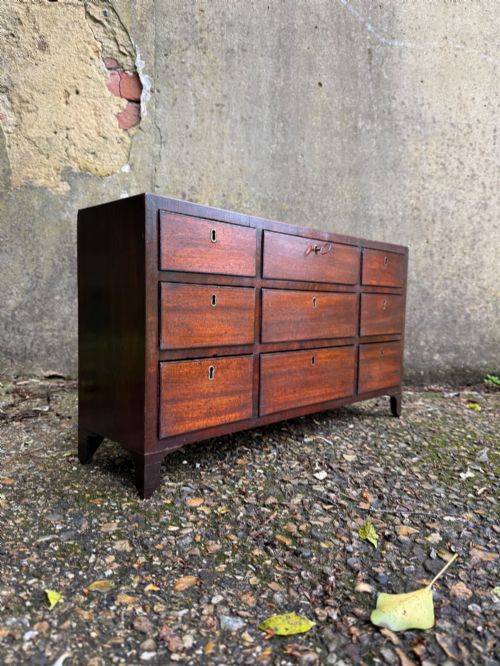


Brown Apothecary Cabinet
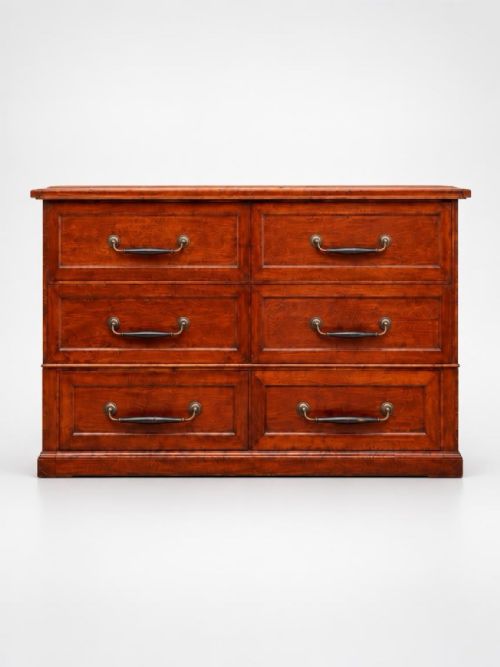
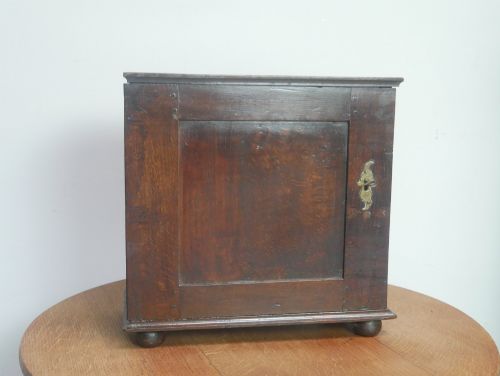
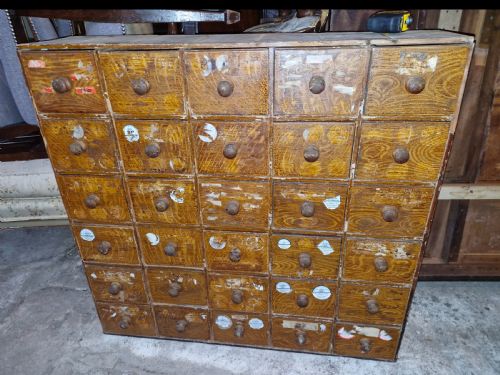
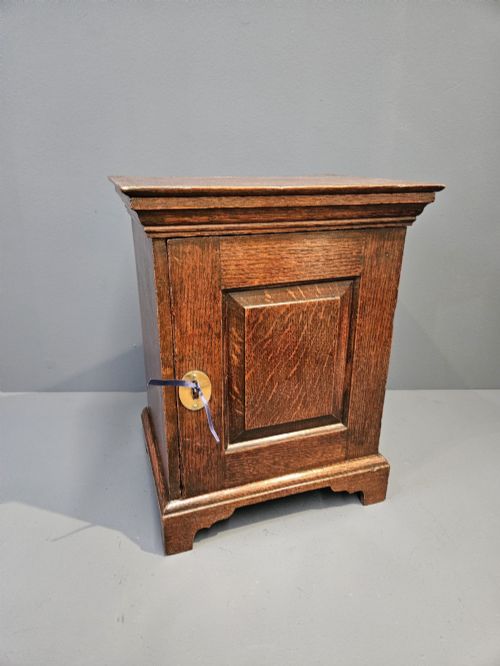
These brown apothecary cabinets are multi-drawer storage pieces built for holding remedies and specimens, chosen for their historic utility and warm timber tones.
Brown Apothecary Cabinet
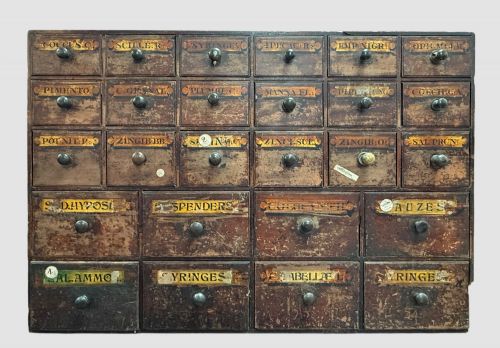
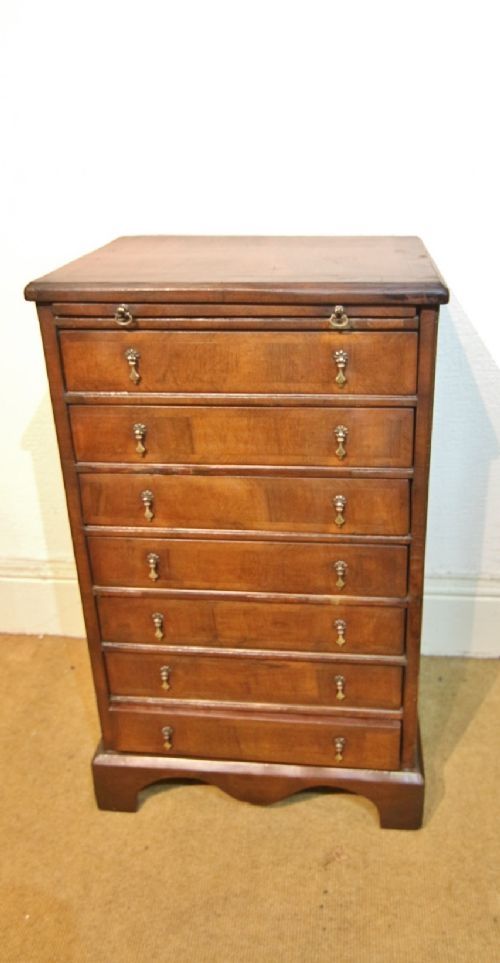
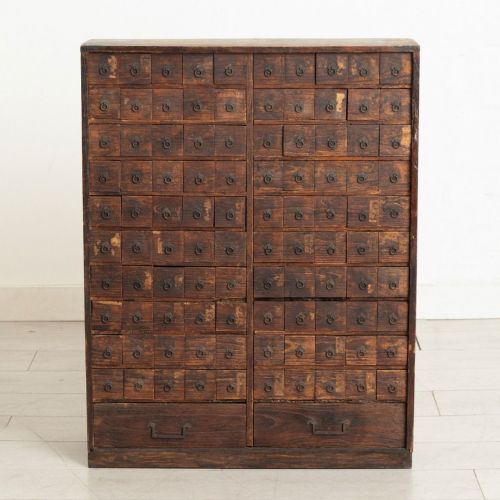
A brown apothecary cabinet takes the form of banks of small drawers, spice cupboards, and chemist chests designed to organise discrete contents. When searching for a brown apothecary cabinet, buyers encounter multi-drawer configurations originating from diverse domestic, retail, and medical settings.
The material palette is predominantly timber, spanning mahogany, oak, walnut, pine, and fruitwood alongside occasional deal and teak. These pieces emerge across periods ranging from the Georgian and Victorian eras through the Edwardian years and into early twentieth-century industrial designs.
How they were made
Construction relies on durable hardwoods and softwoods such as mahogany, oak, walnut, and pine, frequently accented with brass pulls and glass elements. Joinery techniques prioritise functional longevity across numerous small compartments, spice drawers, and storage banks.
Surfaces receive polished or stained finishes that highlight the natural grain of the wood, whether dealing with a George II spice cupboard or a Victorian pharmacy chest.
Brown Apothecary Cabinet Retail Price Guide 2026
Typical asking prices for brown apothecary cabinet among the pieces listed under this phrase on Sellingantiques today, from the lower quarter to the upper quarter. They describe what is for sale here now, not the wider market.
Some industrious watch and clock repairers repurposed pharmacy storage drawers to keep tiny spare gears from rolling away.
What varies in quality
The degree of original hardware survival, such as brass handles and maker labels, further distinguishes standard utility cabinets from finer examples.
Luxmore's of Ilfracombe·D Napier & Sons·Kemps Pharmacy Chemist & Opticians
The Brown Apothecary Cabinet Glossary
- Bank of drawers
- A modular chest housing multiple small drawers stacked vertically or horizontally. This form is common in pharmacies, shops, and collector rooms.
- Spice cupboard
- A small wall-hanging or table-top wooden cabinet featuring internal compartments for herbs and spices. These date predominantly from the Georgian and eighteenth-century periods.
- Collectors cabinet
- A specialised storage chest built with shallow drawers for housing specimens, coins, or small objects. They often feature glass fronts or secure locking doors.
- Deal
- A British term for fir or pine timber used historically for carcases and secondary furniture parts. It appears frequently in nineteenth-century utilitarian workshop furniture.
- Apothecary box
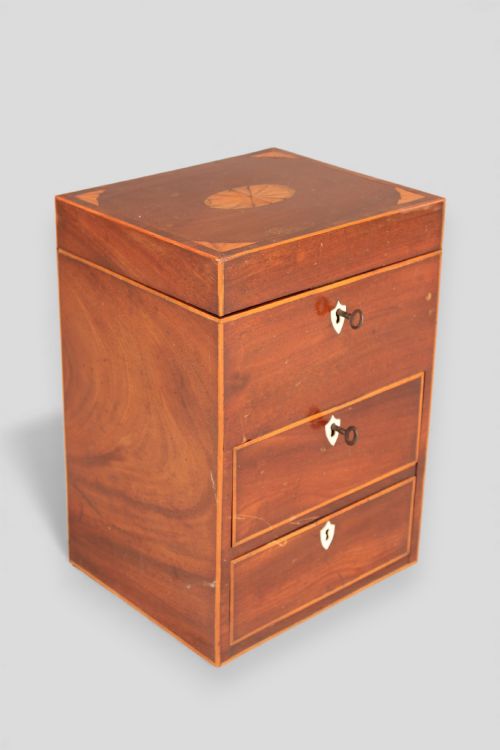
- A portable or fitted chest containing internal compartments for medical bottles and scales. These compact containers represent personal medicine storage.
Brown Apothecary Cabinet: Frequently Asked Questions
What is a brown apothecary cabinet?
A brown apothecary cabinet is a wooden multi-drawer storage unit historically used in pharmacies, shops, or homes to organise small goods, medicines, or specimens.
These cabinets range from large Victorian banks of drawers to small Georgian oak spice cupboards and tabletop chests.
How were apothecary cabinets used?
Apothecary cabinets served to sort, store, and protect dry medicines, herbs, powders, and dispensing equipment behind numerous small drawers.
Collectors and merchants also utilised similar configurations of shallow drawers for coins, watches, and natural history specimens.
What woods do these cabinets use?
Cabinet makers built these pieces using available timbers such as mahogany, oak, walnut, fruitwood, teak, and pine.
Hardwoods often received polished finishes, while utility pieces in pine or deal were sometimes stained.
How to tell periods apart?
Dating relies on stylistic details, cabinet proportions, timber choice, and construction methods spanning the Georgian, Victorian, and Edwardian eras.
Earlier pieces from the eighteenth century typically feature solid oak or mahogany construction with simpler spice cupboard formats, while nineteenth-century pieces often expand into large multi-drawer pharmacy banks.